
 Schedule
  (803) 327-2700
 What Is AC Blower Motor (6 Signs of Failure & Fixes)
When your air conditioner turns on, you expect cool air to flow smoothly through your home. But when the ac blower motor isn’t working properly, comfort quickly disappears. This small but essential component powers the airflow that distributes cooled air through your ductwork. If it fails, your entire cooling system struggles to perform. Understanding how it works can help you recognize problems early. If airflow issues start affecting your comfort, it may be time to explore professional solutions through reliable heating and cooling services.
In this guide, you’ll learn:
- What an AC blower motor does and why it’s essential
- The most common signs that a blower motor is failing
- What causes blower motor problems
- When repairs are possible and when replacement makes more sense
- Practical steps homeowners can take to prevent costly breakdowns
Why the AC Blower Motor Is One of the Most Important Parts of Your Cooling System
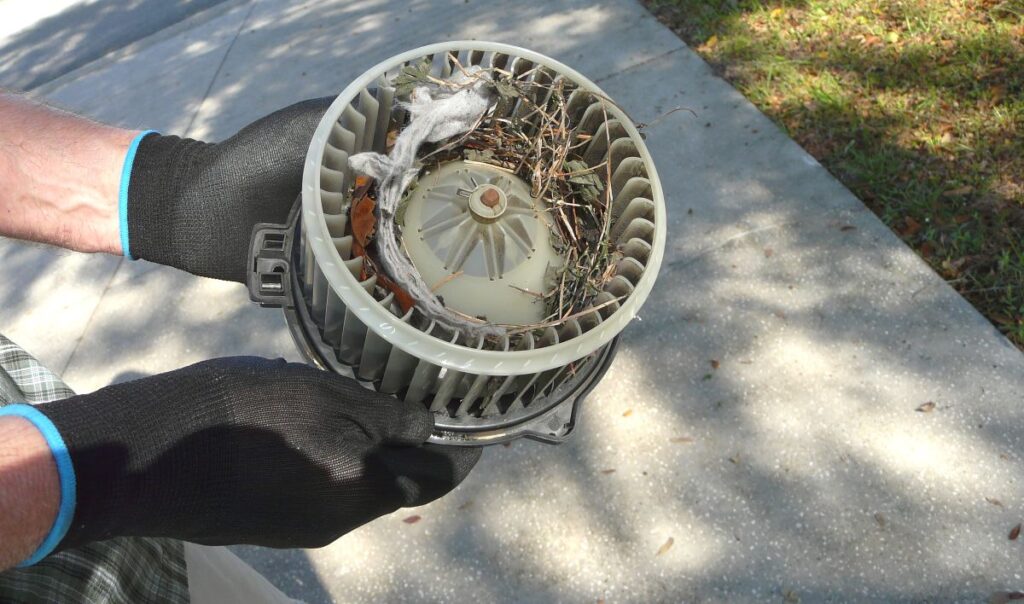
The blower motor is responsible for pushing conditioned air from your HVAC system through your ductwork and into each room. Without it, even a perfectly functioning air conditioner cannot deliver cool air throughout the home.
Because it runs every time your system operates, the blower motor experiences constant wear. Over time, small mechanical issues can reduce efficiency, strain the system, and lead to complete failure.
Here’s why this component matters so much for homeowners in Charlotte and surrounding areas.
- Consistent Airflow
The blower motor moves air from the evaporator coil into the duct system. Without steady airflow, rooms can feel unevenly cooled and your home may struggle to reach the set temperature. - Energy Efficiency
A properly working motor ensures that your HVAC system operates efficiently. When airflow is restricted or the motor struggles, the system uses more electricity to achieve the same cooling results. - Indoor Comfort
Even cooling throughout the house depends on the blower motor distributing air evenly. If the motor weakens, some rooms may feel warmer while others stay cool. - System Longevity
Poor airflow forces your air conditioner to work harder. Over time this strain can lead to premature wear on other components, including compressors and coils.
When homeowners in Charlotte and surrounding areas experience weak airflow, unusual noises, or inconsistent cooling, the blower motor is often the underlying cause.
6 Signs Your AC Blower Motor May Be Failing
Blower motor problems rarely appear overnight. In most cases, the system gives warning signs before a complete failure occurs. Recognizing these symptoms early can help prevent larger HVAC repairs.
1. Weak or Reduced Airflow From Vents
One of the most noticeable signs of blower motor trouble is weak airflow. Even if the system is running, the air coming from vents may feel minimal.
This usually happens when the motor begins to lose power or struggles to spin the fan at full speed.
Common indicators include:
- Air barely flowing from vents
- Certain rooms receiving little or no airflow
- The system running longer than usual to cool the home
Reduced airflow can also stem from clogged filters or blocked ducts, but a failing motor is frequently the root cause.
2. Unusual Noises From the Indoor Unit
Blower motors normally operate quietly. If you start hearing strange sounds, the motor or fan assembly may be wearing out.
Typical blower motor noises include:
- Grinding sounds from worn bearings
- Screeching or squealing from motor friction
- Rattling caused by loose parts
Ignoring these sounds can allow the damage to worsen, potentially leading to full motor failure.
3. The Fan Will Not Turn On
If your thermostat calls for cooling but no air is coming from the vents, the blower motor may not be turning on.
This can happen due to:
- Electrical failures
- Burned out motor windings
- Faulty capacitors
- Control board issues
Because several components interact with the motor, professional diagnostics are often necessary to identify the exact problem.
4. System Shuts Off Frequently
Short cycling occurs when your AC turns on and off repeatedly without completing a full cooling cycle.
A malfunctioning blower motor can cause this issue because:
- Airflow becomes restricted
- The system overheats
- Safety switches shut down the unit
Frequent cycling can dramatically increase energy usage and wear out other parts of the system.
5. Burning Smell When the System Runs
A strong burning odor from your vents is a serious warning sign.
This may indicate:
- Overheating motor components
- Electrical damage inside the motor
- Dust buildup burning on internal parts
If this smell appears, it is best to turn off the system and have it inspected immediately.
6. Skyrocketing Energy Bills
When the blower motor struggles to operate, your air conditioner must run longer to achieve the desired temperature.
This can lead to:
- Higher electricity consumption
- Reduced cooling performance
- Increased wear on the HVAC system
Many homeowners in Charlotte and surrounding areas first notice blower motor problems when their energy bills suddenly spike.
What Causes AC Blower Motors to Fail?
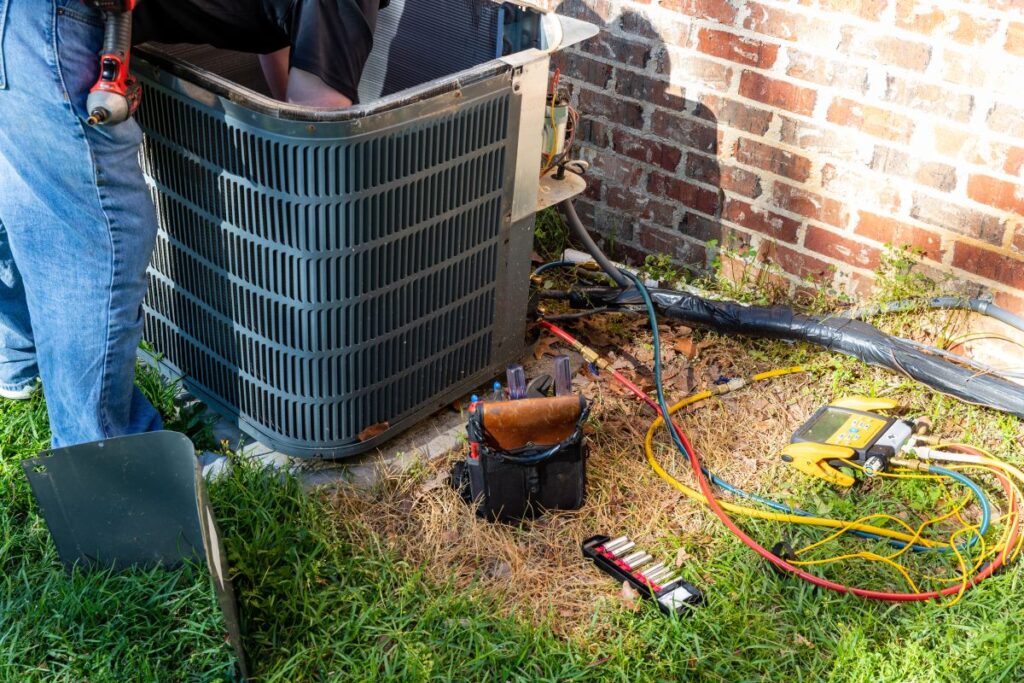
Blower motors are durable, but they are not immune to wear and environmental stress. Understanding the common causes of failure can help homeowners take preventative steps before major damage occurs.
Several factors contribute to blower motor problems.
Age and Normal Wear
Most blower motors last between 10 and 15 years depending on usage and maintenance. Over time, mechanical parts such as bearings and windings naturally degrade.
Once the motor reaches the end of its lifespan, replacement becomes the most reliable solution.
Dirty Air Filters
Clogged air filters are one of the leading causes of blower motor strain.
When airflow becomes restricted, the motor must work harder to push air through the system. This extra effort generates heat and accelerates wear.
Regular filter replacement can significantly extend blower motor life.
Electrical Problems
Blower motors rely on electrical components such as capacitors and control boards to function properly.
If these parts fail, the motor may:
- Struggle to start
- Run inconsistently
- Shut off unexpectedly
Electrical issues should always be handled by trained technicians due to safety risks.
Lack of Routine Maintenance
Annual HVAC maintenance plays a major role in preventing motor failures.
Without regular inspections:
- Dirt and debris accumulate inside the unit
- Lubrication breaks down
- Electrical connections loosen
These issues can slowly damage the motor over time.
Overheating
When airflow becomes restricted or electrical problems occur, the motor can overheat. Excessive heat damages internal components and may permanently burn out the motor.
Proper airflow and professional servicing help prevent overheating problems.
Repair vs Replacement: What Homeowners Should Know
When a blower motor begins to fail, many homeowners wonder whether repair or replacement is the better option. The answer depends on several factors, including the age of the system, the extent of the damage, and overall efficiency.
Understanding these factors helps homeowners make informed decisions.
When Blower Motor Repair Makes Sense
In some cases, repairs can restore proper operation without replacing the entire motor.
Repairs may be appropriate when:
- The capacitor is faulty
- Electrical connections are loose
- Minor wiring issues are present
- The motor is relatively new
These fixes are typically less expensive and can extend the life of the system.
When Replacement Is the Better Option
If the motor itself has failed, replacement is often the most practical solution.
Replacement is usually recommended when:
- The motor has burned out
- Bearings are severely worn
- The unit is nearing the end of its lifespan
- Repair costs approach the price of a new motor
Modern blower motors are often more efficient and quieter than older models, making replacement a worthwhile investment.
Types of Blower Motors
Understanding the type of motor installed in your system can also influence repair decisions.
| Motor Type | Characteristics | Efficiency Level |
| PSC Motor | Traditional single-speed motor commonly used in older systems | Moderate |
| ECM Motor | Variable-speed motor that adjusts airflow automatically | High |
| Variable-Speed Motor | Advanced motor designed for maximum efficiency and comfort | Very High |
Homes in Charlotte and surrounding areas increasingly use ECM and variable-speed motors due to their improved energy efficiency and comfort control.
Preventative Tips to Extend Blower Motor Life
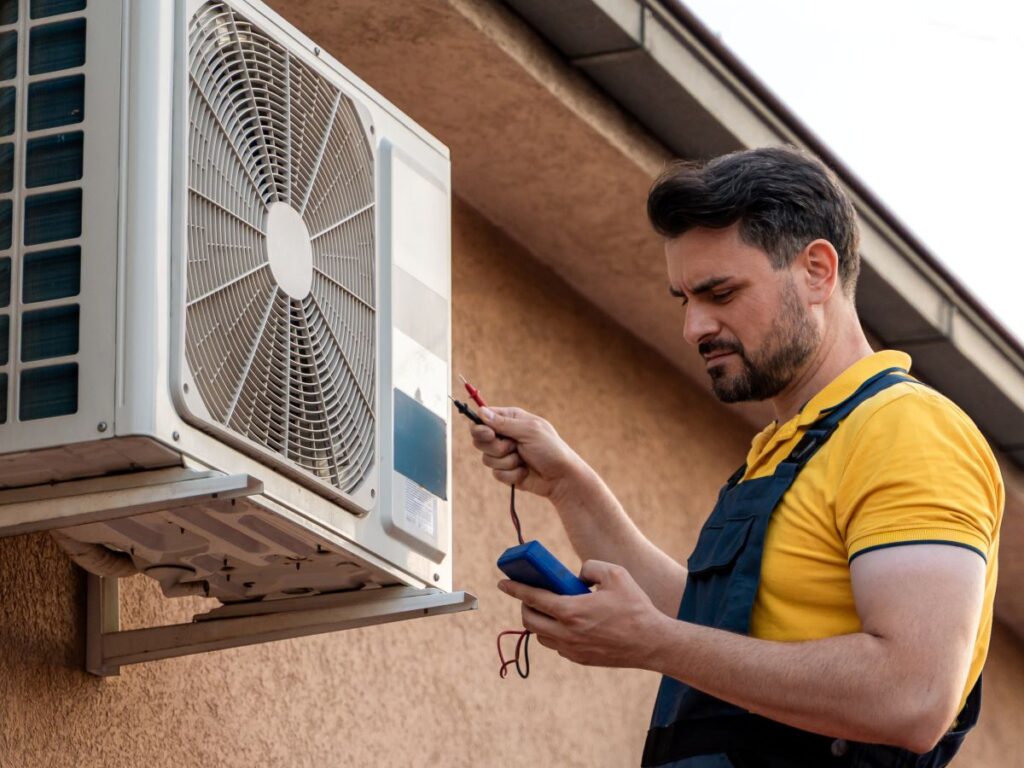
Homeowners can take several simple steps to reduce the risk of blower motor failure.
- Replace air filters regularly
- Schedule annual HVAC inspections
- Keep vents and registers unobstructed
- Pay attention to unusual sounds or airflow changes
- Address small issues before they worsen
Routine maintenance helps ensure the blower motor operates smoothly throughout the cooling season.
Protect Your Home Comfort With Professional HVAC Care
The blower motor may be hidden inside your HVAC system, but its role in home comfort is enormous. Without it, cool air cannot circulate properly, leaving your home uncomfortable and your system working overtime.
Recognizing the warning signs of blower motor problems can save you from unexpected breakdowns and costly repairs. Whether you notice weak airflow, unusual noises, or rising energy bills, addressing the issue early keeps your cooling system running efficiently.
If you suspect a blower motor issue or want a professional inspection, the team at Panther HVAC is ready to help homeowners in Charlotte and surrounding areas restore reliable cooling. Schedule service today and contact us today to ensure your HVAC system stays efficient, dependable, and ready for every season.
