
 Schedule
  (803) 327-2700
 7 AC Maintenance Tips You Need to Consider Before Summer
Summer in the Carolinas does not ease you in gently. Temperatures climb fast, and a system that sat idle all winter may not be ready for the demand. Staying ahead of that with a few well-timed AC maintenance tips can mean the difference between reliable cooling and an expensive mid-July breakdown. Homeowners who want to understand what a proper pre-season check involves can find more detail by reviewing what a thorough cooling system tune-up covers.
What You’ll Learn:
- Why pre-summer AC maintenance protects both your comfort and your wallet
- The seven most impactful maintenance tasks to complete before the heat arrives
- Which tasks homeowners can handle themselves and which require a technician
- How to spot early warning signs before they become costly repairs
- How seasonal habits in Tega Cay, SC affect your system’s maintenance needs
Why Pre-Summer Maintenance Pays for Itself
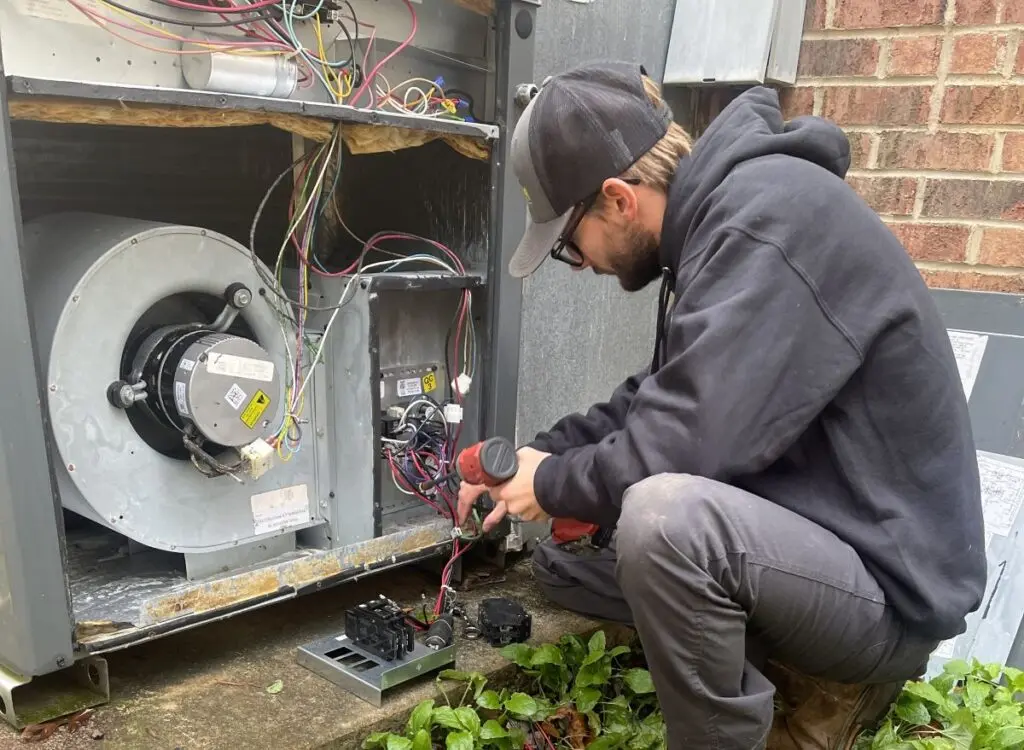
Skipping spring maintenance does not save money. It defers costs to a worse time, when technicians are fully booked, emergency rates apply, and your family is sitting in a hot house waiting for a service window. A system that has not been checked before the season starts is more likely to fail during the first real heat event of the year, which is precisely when the failure is most expensive to fix.
Beyond avoiding breakdowns, a well-maintained system simply runs more efficiently. Dirty coils, restricted airflow, and worn components all force the system to work harder for the same amount of cooling, and that extra effort shows up directly on your energy bills every month.
- Lower Energy Bills: A clean, well-tuned AC system uses up to 15 percent less energy than one with dirty coils or a clogged filter. Over a full cooling season, that difference adds up to meaningful savings on every billing cycle.
- Fewer Emergency Repairs: Most mid-season failures trace back to a component showing wear months earlier. Catching those issues in spring means fixing them on a planned schedule at standard rates rather than emergency ones.
- Longer Equipment Lifespan: Central AC units are rated for 15 to 20 years with proper maintenance. Neglect can shorten that significantly, turning a preventable service call into a full system replacement ahead of schedule. Annual preventive maintenance may also be a requirement to keep your warranty valid.
- Consistent Comfort and Indoor Air Quality: A properly maintained system reaches and holds the set temperature without struggling and filters air more effectively throughout the season. Inconsistent cooling, higher indoor humidity, and uneven temperatures between rooms are often the first signs that maintenance has been deferred too long.
Getting ahead of summer starts in March or April, before demand spikes and service availability tightens across Tega Cay, SC and surrounding areas.
7 AC Maintenance Tips to Complete Before the Heat Hits
These seven tasks cover the full scope of what keeps a central air conditioning system running reliably through a demanding summer. Some are straightforward DIY items. Others require a licensed technician with the right tools and training.
1. Replace the Air Filter
A dirty filter is the most common cause of reduced AC performance and the easiest fix on this list. Filters should be replaced every 30 to 90 days depending on household conditions. Choose a filter with a MERV rating between 8 and 13 for the best balance of air quality and system compatibility.
- Check the filter monthly during peak season and replace it when light transmission is visibly reduced
- Homes with pets or allergy sufferers should lean toward the 30-day end of the replacement schedule
2. Clean the Evaporator Coil and Condensate Drain Line
The evaporator coil inside the air handler absorbs heat from passing air. A layer of dust and grime on its surface acts as insulation, reducing heat transfer efficiency and causing longer run cycles. The condensate drain line that removes the resulting moisture is equally important. Algae and mold accumulate in this line over winter, and a clog at the start of summer means water backing up into the drain pan and potentially overflowing onto the floor or ceiling below.
- Signs of a dirty coil include longer run cycles, reduced airflow, and ice formation. Coil cleaning requires opening the air handler cabinet and is best handled by a technician
- Flush the condensate drain line with distilled white vinegar at the start of each season to clear biological buildup before it becomes a blockage
- A wet spot near the air handler or unexplained indoor humidity are early signs the drain line needs attention
3. Inspect and Clean the Condenser Unit
The outdoor condenser releases the heat extracted from your home and needs clear airflow on all sides to do so. After sitting through fall and winter, the unit accumulates leaves, grass clippings, pollen, and debris both on and inside the cabinet. Keeping the area around the unit clear of that buildup is essential for proper airflow and prevents the unit from working harder than necessary.
- Maintain at least two feet of open space around all sides and rinse the condenser coil fins from the inside out with a garden hose to remove dirt and pollen without damaging the unit
- Check that the unit is still level. Settlement over winter can stress internal components and affect drainage
4. Check Refrigerant Levels
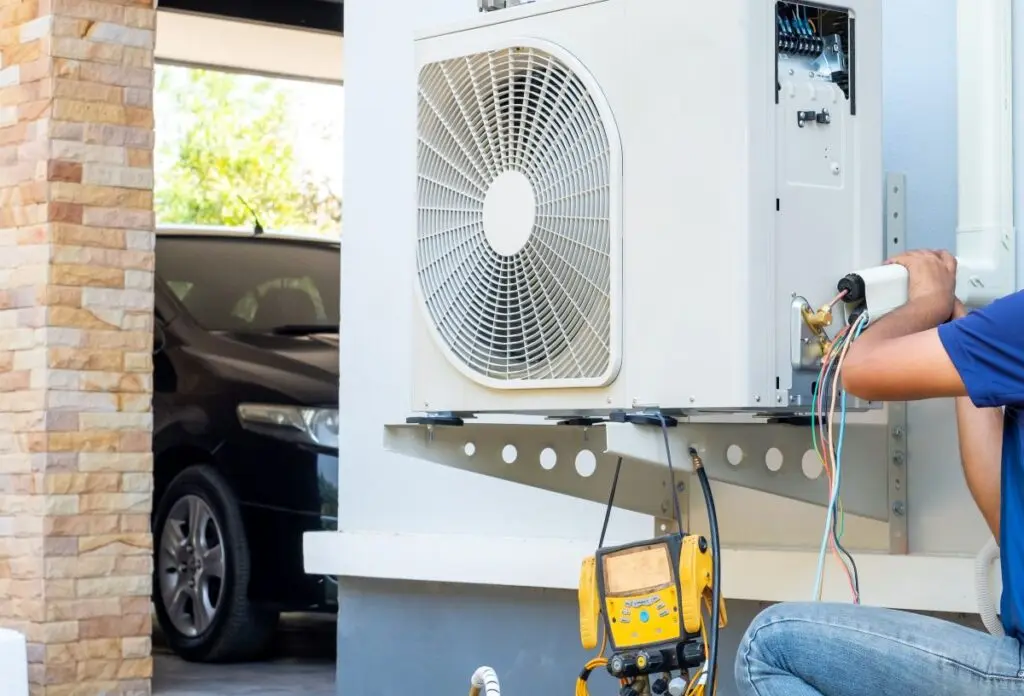
Refrigerant is not consumed during normal operation, so low levels indicate a leak. Running a summer on low refrigerant causes poor cooling, higher energy consumption, and potential compressor damage. Checking refrigerant lines for leaks and inspecting window seals for gaps are both worth doing before the season starts. Air escaping through a faulty window seal forces the system to run longer to compensate, quietly adding to energy bills throughout summer.
- Warm air from vents, ice on the refrigerant lines, and a hissing sound near the outdoor unit are the most common signs of a leak
- Refrigerant handling requires EPA Section 608 certification and must be performed by a licensed technician
5. Test the Thermostat
Even a small calibration error causes the system to short-cycle, run too long, or fail to reach the set temperature. Setting the thermostat at a consistent temperature rather than extreme lows saves energy and does not increase cooling speed. Closing blinds during peak sunlight hours and using ceiling fans to create a wind-chill effect can reduce the cooling load enough to allow a higher thermostat setting without sacrificing comfort.
- Upgrading to a programmable or smart thermostat before summer can reduce energy consumption by 10 percent or more
- Confirm the thermostat is level, away from heat sources, and not in direct sunlight, all of which skew readings
6. Inspect Electrical Components and Lubricate Moving Parts
Capacitors weaken before they fail, contactors wear, and wire connections loosen through thermal cycling. An electrical inspection in spring catches these issues while they are still inexpensive to address rather than after they cause a full shutdown at the peak of summer. The same visit should cover lubrication of the blower and fan motors. When lubrication breaks down, motors run hotter, draw more current, and wear faster.
- A weakening capacitor is one of the most common causes of a system that hums but will not start. Always have this inspection performed by a licensed technician with the system powered down
- A grinding or squealing sound from the air handler or condenser fan is a sign that lubrication is needed or bearings are already failing
- Ask your technician to check lubrication as part of any spring tune-up, particularly for systems over ten years old
7. Check Airflow and Schedule a Professional Tune-Up
Walk through every room and confirm supply vents are open and unobstructed and return vents are not blocked by furniture or rugs. Restricted return airflow throws off the pressure balance across the duct system and forces the equipment to work harder than designed. Once those checks are done, the final and most important step is booking a professional inspection. Scheduling professional AC maintenance every 12 months ensures the system operates safely and efficiently, and it is best done before the cooling season begins. Most tune-ups in Tega Cay, SC and surrounding areas run between $65 and $150.
- Closing vents in unused rooms does not save energy. It increases static pressure and can cause duct leakage over time
- Rooms that feel consistently warmer than others may have a duct leak worth investigating before summer demand peaks
- Book in March or early April before the spring rush fills service calendars. Annual tune-ups protect your investment and help maintain warranty coverage on newer equipment
Working through this list before the first heat wave sets your system up for a season of efficient, reliable performance rather than reactive troubleshooting under pressure.
Warning Signs That Maintenance Cannot Wait
Some homeowners hesitate to schedule spring maintenance if the system worked fine at the end of last season. Components age continuously, lubricants dry out, biological growth accumulates in drain lines and coil surfaces, and electrical connections loosen through thermal cycling even during periods of low use. If any of the following signs are present, the priority shifts from preventive maintenance to diagnosis before summer load arrives.
- Short cycling: The system turns on and shuts off within minutes repeatedly. This points to a refrigerant issue, a failing capacitor, or a dirty coil restricting airflow.
- Reduced airflow from vents: Weaker air from supply registers than last season indicates a clogged filter, dirty coil, or blower issue. Weak airflow also increases indoor humidity since the system cannot dehumidify air it is not moving.
- Unusual sounds: Grinding, squealing, or rattling on startup or during operation indicates mechanical issues that worsen under sustained summer load.
- Higher than usual energy bills: A spring bill notably higher than the same period last year, without a change in usage, often reflects a system running less efficiently than it should.
- Ice on the unit: Ice on the refrigerant lines or evaporator coil at any time indicates restricted airflow or low refrigerant, both of which must be resolved before the system runs under full summer demand.
Addressing the underlying issue before the season begins prevents what would otherwise become an emergency call on the hottest day of the year.
Building a Maintenance Rhythm That Lasts
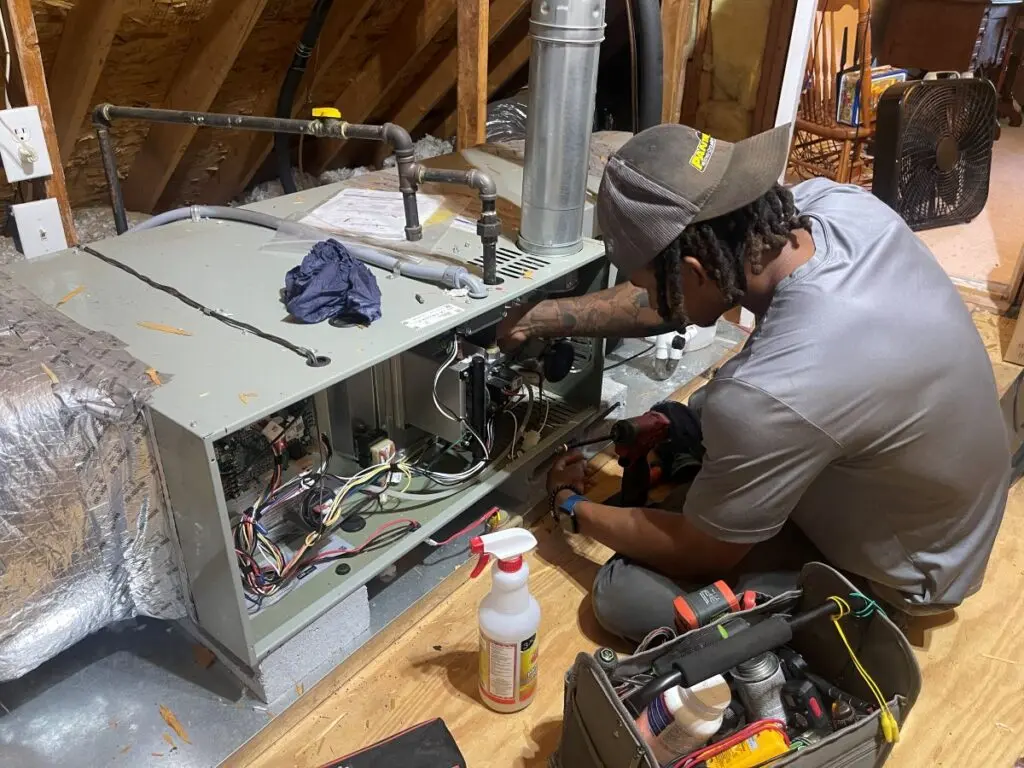
A single pre-summer tune-up is the most important maintenance event of the year, but consistent monthly habits determine how well the system performs all season. Homeowners in Tega Cay, SC and surrounding areas who pair a spring professional inspection with regular upkeep get the most out of both their equipment and their energy dollars.
| Task | Frequency | DIY or Pro |
| Air filter check and replacement | Monthly during peak season | DIY |
| Condensate drain vinegar flush | Every 3 months | DIY |
| Outdoor unit visual inspection | Monthly | DIY |
| Thermostat calibration check | Annually in spring | DIY |
| Evaporator coil cleaning | Annually | Pro |
| Electrical component inspection | Annually | Pro |
| Refrigerant level check | Annually or if symptoms appear | Pro |
| Full system tune-up | Annually in spring | Pro |
Building this rhythm into the calendar rather than reacting to symptoms is what keeps a central AC system running at its best from the first warm day through the last.
Start Summer Ready, Not Scrambling
Waiting until the heat arrives to think about your AC is the most expensive approach available. A few hours of attention in spring prevents the majority of mid-season failures and keeps operating costs where they belong. These AC maintenance tips are designed to make that preparation systematic rather than guesswork.
Panther HVAC is ready to help homeowners get their systems summer-ready with thorough, professional service. Whether you need a full tune-up, a specific repair, or just a professional set of eyes before the heat hits, we are here to help. Contact us today and let us get your system ready for whatever summer brings.