
 Schedule
  (803) 327-2700
 AC Making Noise? (7 Most Common Causes Explained)
A quiet air conditioning system is a healthy one, so when yours starts making loud noises like rattling, buzzing, or squealing, it is worth paying attention. An ac making noise is rarely just a quirk of an older unit, and these strange sounds usually signal that something inside needs attention before a small issue turns costly, which is why understanding what those sounds mean can help you catch problems early and protect your comfort all season long.
What you’ll learn:
- Why unusual AC sounds are worth taking seriously
- The most common causes behind rattling, buzzing, squealing, and banging noises
- What specific sounds typically indicate about your system’s condition
- The difference between a gentle hum and sounds that signal trouble
- Which issues you can safely check yourself and which call for a professional
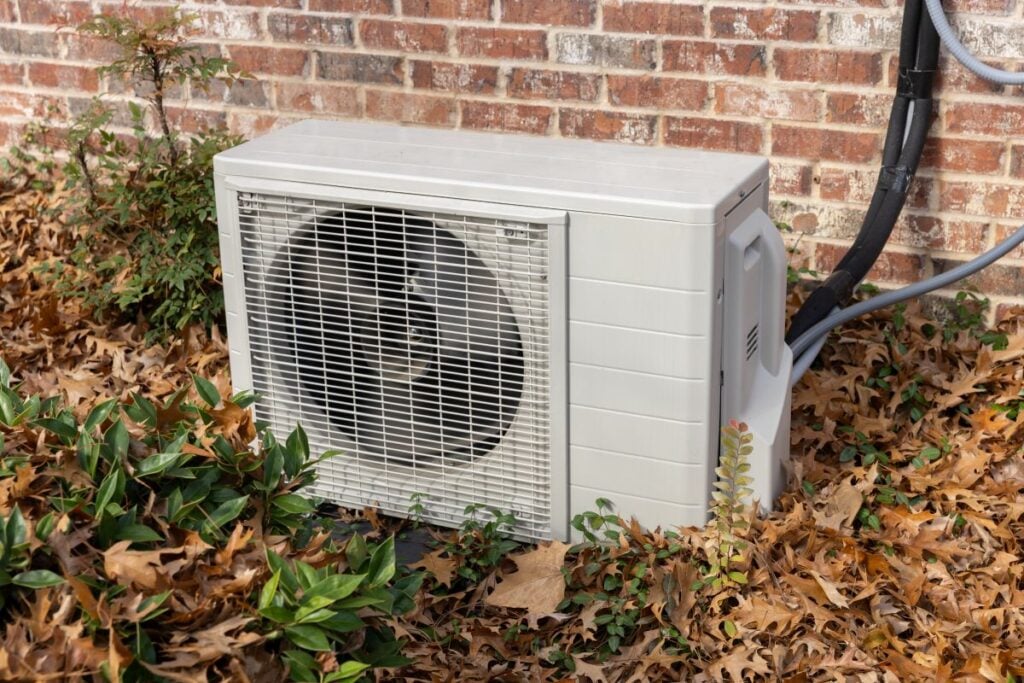
Why an AC Making Noise Deserves Your Attention
Homeowners often get used to the steady hum of their air conditioning unit running in the background, so any change in that sound tends to stand out immediately. That instinct is worth trusting, because unusual sounds are one of the earliest and most reliable warning signs your system gives before a bigger problem develops. For homeowners in Waxhaw and surrounding areas, where cooling systems run hard through long, humid summers, catching these signals early can mean the difference between a simple repair and a major breakdown.
- Early problem detection: Odd sounds often show up before performance issues do, giving you a head start on repairs.
- Lower repair costs: Addressing a loose part or worn component early is almost always cheaper than waiting for it to fail completely.
- Extended equipment lifespan: Components under stress wear out faster, so resolving noise issues quickly helps your system last longer.
- Better energy efficiency: A system straining against a mechanical issue often uses more energy to do the same job.
Ignoring these sounds rarely makes them go away. In most cases, the noise gets louder or more frequent over time, which is exactly why understanding the common causes behind it is so useful for homeowners.
7 Common Causes of AC Noise
Common ac noises come in a wide range of tones and patterns, and each one tends to point toward a specific part of the air conditioning system. Working through the most common causes of these air conditioner noises below, whether it is a subtle buzzing noise or a loud ac sound, can help you narrow down what you are hearing and decide how urgently it needs attention.
1. Loose or Unbalanced Fan Blades
When a condenser fan blade becomes loose, bent, or unbalanced, it can strike nearby components or wobble as it spins, creating a rattling noise or clanking noise. This is one of the more common causes of noise in outdoor ac units, especially in systems that have been running for several seasons, and it often traces back to loose components elsewhere on the fan assembly.
- Often caused by debris buildup, age, or a loose mounting bolt
- Can lead to further damage if the blade continues striking other parts
- Usually a straightforward fix once identified by a technician
2. A Failing or Worn Out Blower Motor
The blower fan motor moves air throughout your home, and as its fan motor bearings wear down, it can start producing a grinding noise or squealing noise. This noise typically grows louder over time, which makes it one of the easier issues to catch before it becomes a full motor failure, and left unresolved it can even cause warm air to blow from your vents instead of properly cooled air.
- Worn bearings are the most frequent cause of blower motor noise
- Left unaddressed, the motor can eventually seize or burn out
- Replacement or lubrication depends on how far the wear has progressed
3. A Refrigerant Leak
A hissing noise or bubbling noise often points to refrigerant escaping from the line set or coil, disrupting normal refrigerant flow, and this issue affects both comfort and system safety. Because refrigerant leaks involve regulated chemicals, it is always best to call a professional rather than attempt a fix yourself.
- Hissing near the indoor or outdoor unit is a common early sign
- Reduced cooling performance usually accompanies the noise
- Repairs require locating and sealing the leak before recharging the system
4. Loose Panels or Screws
Sometimes the noise has nothing to do with internal components and everything to do with loose hardware on the unit’s exterior panels. Vibration during normal operation can gradually work screws loose, causing rattling sounds or a buzzing noise that comes and goes with the system’s cycle.
- Common after seasonal maintenance or panel removal
- Often the easiest and least expensive noise issue to resolve
- A quick inspection and tightening usually solves the problem

5. Electrical Issues or a Failing Capacitor
A humming noise or buzzing noise can indicate electrical problems, often tied to a failing capacitor that helps start and run the ac compressor and fan motor. These electrical faults should never be dismissed, since they can point to a component that is close to failing entirely.
- A failing capacitor often causes the system to hum without starting properly
- Loose electrical connections can also produce buzzing sounds
- These repairs require a trained technician due to the electrical components involved
6. Ductwork Issues
Banging or popping noises coming from your vents are often related to the ductwork itself rather than the AC unit. As metal ducts expand and contract with temperature changes, they can produce noticeable noise throughout the home, sometimes including a whistling noise where air escapes through a loose seam.
- Common in older duct systems or those with loose connections
- Can sometimes indicate an oversized system pushing too much air through the ducts
- Sealing or securing ductwork typically resolves the issue
7. A Struggling or Failing Compressor
The ac compressor is often called the heart of the system, and a loud banging or clanking sound from the outdoor ac unit can indicate internal compressor damage, sometimes tied to high compressor pressure inside the unit. Because the compressor is one of the most expensive components to replace, this is a noise that warrants prompt attention before it leads to complete system failure.
- Often the result of long term wear or a problem left unaddressed elsewhere
- Frequently accompanied by reduced cooling capacity
- Early diagnosis can sometimes prevent a full compressor replacement
Working through these seven causes gives most homeowners a solid starting point for understanding what their AC is trying to tell them. From there, the specific sound your system is making can help narrow things down even further.
What Certain AC Sounds Might Be Telling You
Beyond identifying the cause, it helps to understand what the actual sound itself tends to indicate, since certain tones and patterns are associated with specific problems more often than others. Learning to recognize these patterns can help you describe the issue clearly when you do call for service, which speeds up diagnosis considerably.
Rattling or Clanking
This sound usually points to loose parts, whether that is a fan blade, panel, or internal component that has come free. It tends to be intermittent at first and grow more constant as the underlying issue worsens.
Squealing or Screeching
High pitched sounds like these are most often linked to belt or bearing issues within the blower motor. They frequently start faint and become more noticeable the longer the system runs without service.
Buzzing or Humming
A steady buzz or hum is commonly tied to electrical components, particularly a failing capacitor or loose wiring connection. This sound is worth addressing quickly, since electrical issues can escalate faster than mechanical ones.
Hissing
Hissing sounds are strongly associated with refrigerant leaks, especially when paired with reduced cooling performance. This sound should prompt a service call sooner rather than later, given the safety considerations involved.
Clicking
A repeated clicking noise, especially at startup or shutdown, is often linked to the system’s relay switches or, in some cases, a malfunctioning thermostat sending inconsistent signals. Occasional clicking during normal cycling is expected, but frequent or rapid clicking as your ac unit starts is worth having checked.
Whistling
A whistling noise or high pitched whistling sound usually points to air escaping through a gap in the ductwork or around loose components near a vent. This sound often stands out clearly against the system’s normal gentle hum, which makes it easy to notice even when it seems minor at first.
Recognizing these patterns does not replace a professional diagnosis, but it does give homeowners a clearer sense of urgency and helps set expectations before a technician arrives.

DIY Checks vs. Calling in the Pros
Not every noisy air conditioner situation requires an emergency call, and knowing which issues are safe to check yourself can save time and money. At the same time, some sounds point to problems within your hvac system that should only be handled by a trained technician, both for safety and to avoid making the issue worse.
What You Can Safely Check Yourself
A few simple checks can rule out the most minor causes before assuming the worst. These include looking for visible debris around the outdoor unit, checking that access panels on the indoor unit are securely fastened, and confirming the air filter is clean and unobstructed before your ac unit starts its next cooling cycle.
- Clear away leaves, sticks, or debris caught around the condenser unit
- Tighten any visibly loose panels or screws by hand
- Replace a dirty filter if it has not been changed recently
When to Call in a Professional
Any noise tied to electrical components, refrigerant, or the compressor should prompt you to call a professional rather than attempt a DIY fix. These systems involve safety risks and specialized tools that go beyond what a homeowner should attempt to handle alone.
Homeowners throughout Waxhaw and surrounding areas are often surprised at how quickly a professional can pinpoint the source of a noise that seemed mysterious at home. A short diagnostic visit is usually all it takes to identify the cause and prevent it from turning into a larger repair.
Let Panther HVAC Help Quiet Things Down
An AC making unusual noise is not something to put off, since most of the causes covered here only get louder and more expensive the longer they go unaddressed. Whether it is a loose panel, a worn blower motor, or an early refrigerant leak, catching the issue quickly protects both your comfort and your budget. At Panther HVAC, we help homeowners throughout Waxhaw and surrounding areas track down the source of AC noise and resolve it before it becomes a bigger problem.
If your system has started making sounds that were not there before, do not wait for them to get worse. Contact us today and let our team diagnose the issue so you can get back to quiet, reliable cooling.
