
 Schedule
  (803) 327-2700
 Air Filter MERV Rating Explained (8 Diagrams & Safety Tips)
Choosing the wrong air filter is one of the most common, and most overlooked, mistakes homeowners make. Your air filter MERV rating directly affects how well your system removes dust, allergens, and contaminants from the air you breathe every day. If you want to protect your family and get the most from your HVAC equipment, understanding this single number matters more than most people realize. Homeowners who want cleaner air at home can start by exploring how filtration connects to overall air quality improvement strategies.
What you’ll learn in this post:
- What MERV ratings are and how the scale works
- Which MERV rating is right for your home and system
- How choosing the wrong filter can damage your HVAC equipment
- Safety tips for filter handling and replacement
- How filtration interacts with humidity, pets, and allergies
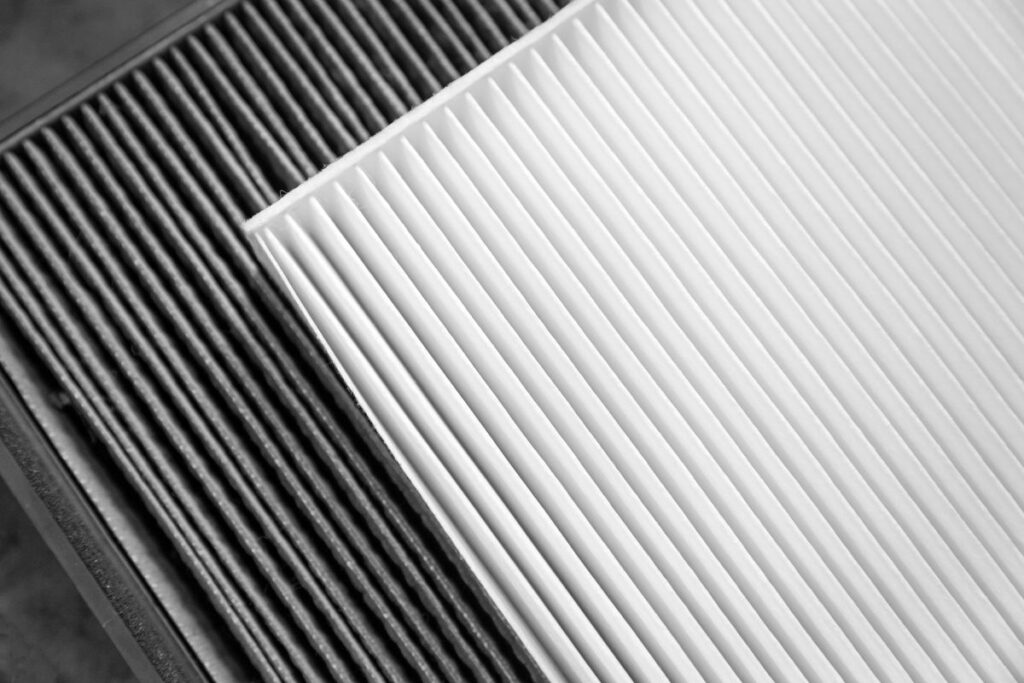
Why Your Filter Rating Matters More Than You Think
Most homeowners grab whatever filter is on sale and call it a day. But the number on that filter packaging is one of the most important specs in your entire HVAC system. Getting it wrong means dirtier air, higher energy bills, and premature equipment failure.
Here is why the right MERV rating is worth paying attention to:
- System efficiency: A filter that is too restrictive forces your blower motor to work harder, increasing energy consumption and wear on internal components.
- Air quality protection: Higher-rated filters catch finer particles, including mold spores, pet dander, and bacteria, which matter enormously for allergy and asthma sufferers.
- Equipment longevity: Proper filtration keeps coils and ductwork cleaner over time, reducing the need for costly maintenance and repairs.
- Airflow balance: Maintaining the right static pressure inside your system keeps every room in your home comfortable and evenly conditioned.
- Cost control: The right filter prevents expensive emergency service calls caused by clogged systems, overheated motors, and dirty evaporator coils.
For Rock Hill and surrounding areas homeowners, where summer heat pushes HVAC systems hard for months at a time, filter selection is a foundational decision that shapes your system’s performance all year long.
8 MERV Rating Levels Explained
MERV stands for Minimum Efficiency Reporting Value, a standardized scale developed by the American Society of Heating, Refrigerating and Air-Conditioning Engineers. The scale runs from 1 to 16 for residential use, with higher numbers indicating finer filtration. Here is what each major level actually means for your home.
1. MERV 1-4: Basic Fiberglass Filters
These are the cheapest filters on the shelf and the least effective at improving air quality. They are designed primarily to protect HVAC equipment from large debris like lint and dust bunnies — not to clean the air you breathe.
- Captures particles 10 microns and larger
- Minimal impact on indoor air quality
- Best suited for vacation homes or temporary use
- Not recommended for households with allergy sufferers
2. MERV 5-8: Standard Pleated Filters
This is the sweet spot for most residential systems. Pleated filters in this range offer a meaningful improvement in air quality without restricting airflow enough to cause problems.
- Captures mold spores, dust mites, and pet dander
- Compatible with nearly all residential HVAC systems
- Widely available and reasonably priced
- Generally recommended as the baseline for occupied homes
3. MERV 9-12: High-Efficiency Residential Filters
Stepping up to this range captures finer particles including lead dust, auto emissions, and some bacteria — a good choice for households with respiratory conditions or multiple pets.
- Noticeably improves air quality for sensitive individuals
- May require more frequent replacement as they load faster
- Check your system’s specifications before upgrading — some older equipment cannot handle the increased resistance
4. MERV 13-16: Hospital-Grade Filters
These filters are typically found in medical and commercial settings, not standard homes. They capture particles as small as 0.3 microns, including some viruses and fine combustion particles.
- Maximum filtration performance
- Significant airflow restriction — most residential blowers cannot compensate
- Can cause system damage if installed without an airflow assessment
- Occasionally recommended for immunocompromised individuals with appropriate system upgrades
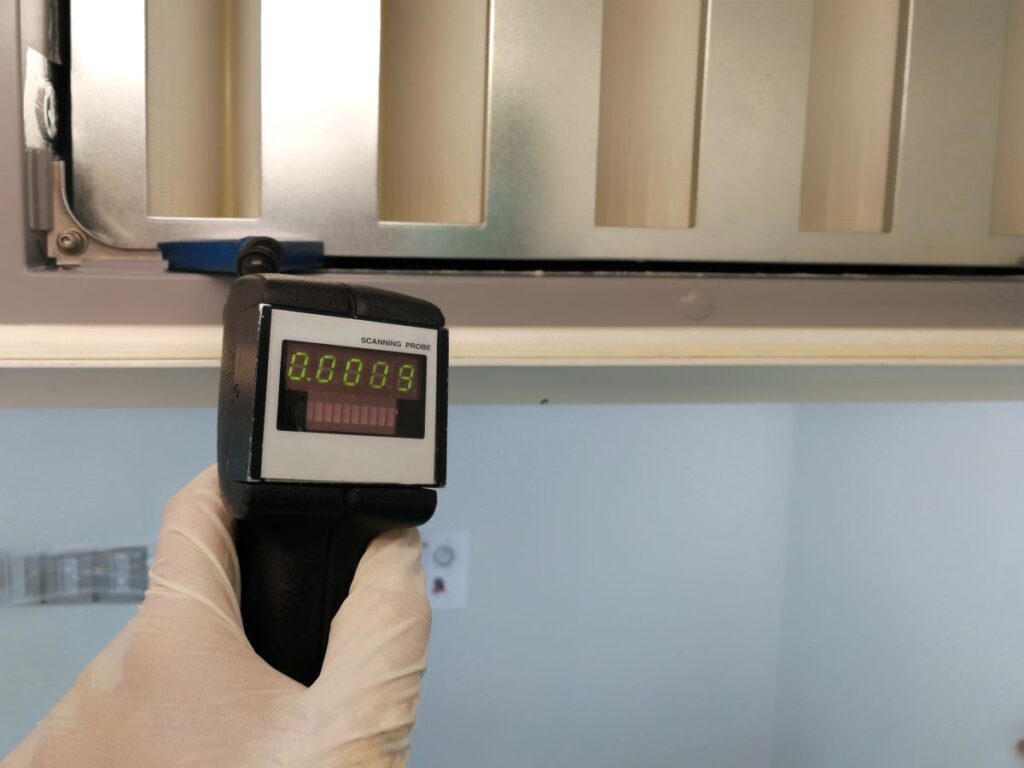
5. MERV 8 vs. MERV 11: The Most Common Debate
Homeowners frequently ask whether to choose MERV 8 or MERV 11. The honest answer depends on your household. MERV 8 works well for most homes with no special air quality needs. MERV 11 is worth the upgrade if you have pets, a family member with allergies, or a home that generates a lot of dust.
- MERV 8: Reliable everyday protection, minimal airflow impact
- MERV 11: Better particle capture, slightly higher energy cost
- Both are safe for most modern systems when replaced on schedule
6. The Relationship Between MERV and Airflow
Every step up the MERV scale adds resistance to airflow. This is called static pressure, and too much of it stresses your blower motor and reduces system capacity. Newer variable-speed systems handle higher MERV filters better than older single-stage equipment.
- Have your system evaluated before jumping to MERV 13 or above
- Thicker filters (4-inch media) offer high efficiency with less airflow restriction than thin 1-inch versions
- A dirty filter of any MERV rating causes more restriction than a clean high-efficiency one
7. Replacement Frequency by MERV Level
One of the most overlooked safety factors is how often to replace filters at different MERV ratings. Higher-efficiency filters load with particles faster and must be checked more frequently.
- MERV 1-4: Every 30 days
- MERV 5-8: Every 60-90 days
- MERV 9-12: Every 60 days, more often with pets
- MERV 13+: Every 30-45 days depending on household conditions
8. Filter Fit and Bypass Risk
No matter how high your MERV rating is, a poorly fitting filter is nearly useless. Air will route around the edges, sending unfiltered particles directly into your system and ductwork.
- Always match the filter size printed on your existing filter, not the slot opening
- Look for filters with tight cardboard frames and no visible gaps after installation
- Loose-fitting filters in Rock Hill and surrounding areas homes are a common cause of dirty coils and poor air quality despite regular replacement
Taken together, these eight factors give you a complete picture of how the MERV scale works in a real home. Understanding each one helps you make a confident, informed choice rather than guessing at the store.
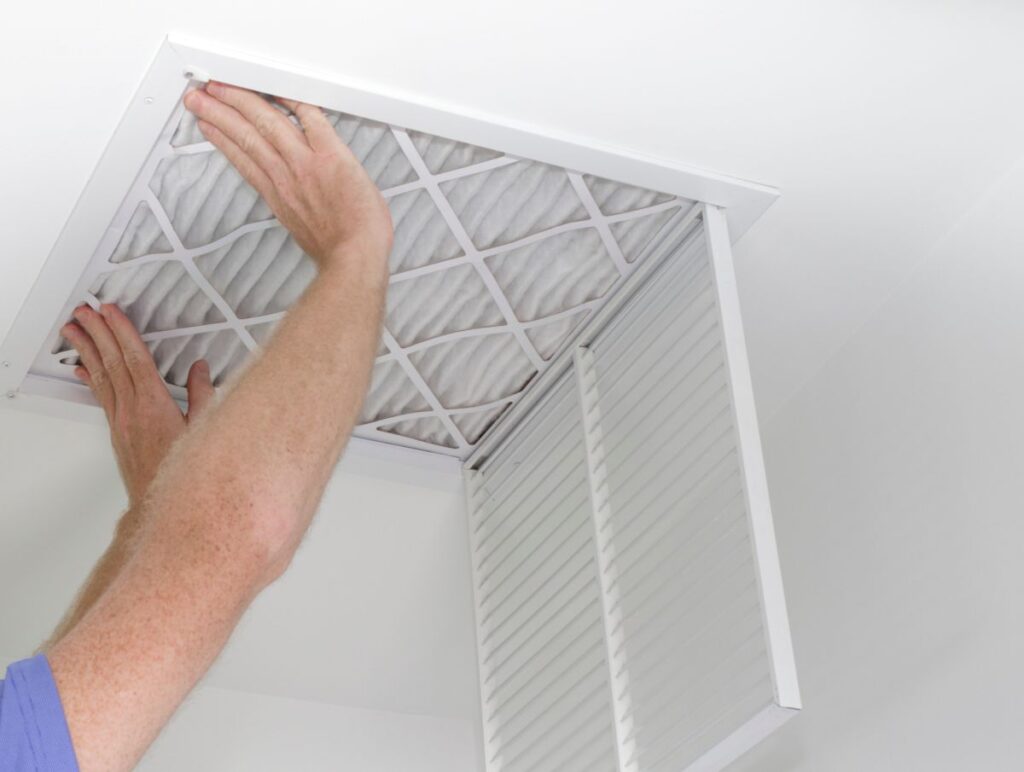
Safety Tips for Handling and Replacing Your Air Filter
Filter replacement seems simple, but doing it carelessly can expose you to concentrated allergens and contaminants — the same ones the filter just spent weeks capturing. Taking a few precautions makes the process safer for everyone in the household.
Protect Yourself During Removal
When you pull out an old filter, you are handling weeks of accumulated dust, mold spores, pet hair, and other particles. Do not tap or shake it indoors.
- Wear a disposable mask when removing filters rated MERV 11 or higher
- Slide the old filter into a plastic bag immediately upon removal before walking through the house
- Wash your hands thoroughly after handling any used filter
Inspect Your Filter Slot at Every Change
The few seconds it takes to look inside the filter slot can save you from a costly repair. Check for visible dust buildup on the blower side and any signs of moisture or mold on the housing walls.
- A thin layer of dust on the slot walls is normal
- Visible mold growth or standing moisture near the filter indicates a humidity or drainage issue that needs professional attention
- Take a photo each time to track how quickly your filter is loading, which can reveal ventilation or sealing problems
Store Replacement Filters Properly
Filters stored in damp areas like garages or crawl spaces can absorb moisture before they ever get installed, reducing their effectiveness and potentially introducing mold into your system.
- Store filters indoors in a dry, temperature-controlled space
- Keep them in the original packaging until ready to use
- Avoid stacking heavy items on top of filters, which can compress the media and reduce filtration performance
These small habits cost almost nothing and take only a few extra minutes, yet they meaningfully reduce your family’s exposure to contaminants during every filter change. Making them routine protects both your health and your HVAC system.
How MERV Ratings Interact With Your Whole-Home Environment
Filtration does not exist in isolation. The effectiveness of any filter is shaped by the overall conditions inside your home, and Rock Hill and surrounding areas homeowners deal with specific environmental factors worth understanding.
Humidity and Filter Performance
High humidity causes airborne particles to clump and settle faster, which can make it seem like your filter is performing well when particles are actually settling into your ductwork instead. During humid months, check your filter mid-cycle.
- A whole-home dehumidifier paired with a quality filter gives you more complete control over air quality
- Relative humidity above 60 percent promotes mold growth on filter media, especially with lower-rated fiberglass filters
Pets and Elevated Filtration Needs
Homes with dogs or cats generate significantly more airborne dander and hair than pet-free homes. Standard MERV 8 filters in high-pet households often load within 30 days instead of 90.
- Consider upgrading to MERV 11 if you have two or more pets
- Run your fan on “on” mode rather than “auto” to keep air circulating through the filter more consistently
- Vacuum registers and return air grilles monthly to reduce what reaches the filter in the first place
New Construction and Renovation Dust
If you have recently renovated or moved into a newly built home, construction dust loads filters extremely fast. Drywall dust and wood particles clog media quickly and can damage equipment if not caught in time.
- Use a lower-cost MERV 8 filter during and right after construction, replacing it every two to four weeks
- After the initial dust settles, transition to your preferred long-term filter
- Have your ductwork inspected after a major renovation — debris inside ducts will continue fouling filters for months
No matter what your household looks like, the right MERV rating is one that matches both your air quality needs and your system’s capabilities. When those two align, your equipment runs better and your indoor air is genuinely cleaner.
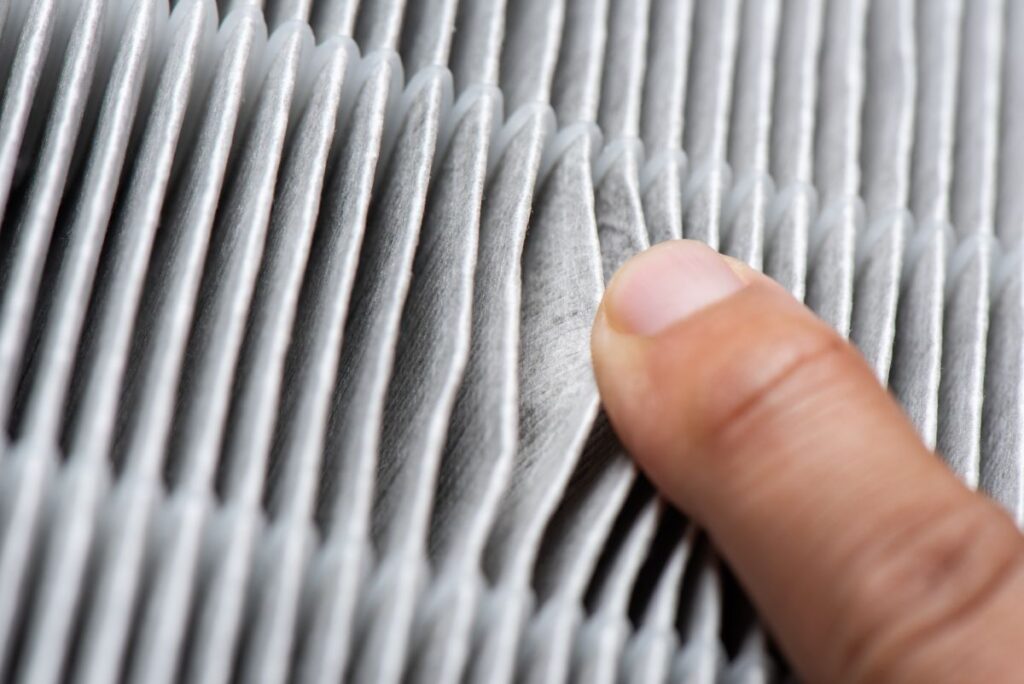
Ready to Breathe Easier? Panther HVAC Can Help.
Understanding your air filter MERV rating puts you ahead of most homeowners, but knowing which filter is right for your specific system and household is where professional guidance makes the real difference. The team at Panther HVAC helps Rock Hill and surrounding areas homeowners make smart, system-specific decisions about filtration and HVAC maintenance — whether you need a filter recommendation, a system check, or a full air quality assessment. Contact us today to schedule your appointment and start breathing easier at home.
