
 Schedule
  (803) 327-2700
 Air Scrubber VS Air Purifier: 5 Steps to Get It Right
When indoor air quality becomes a concern, most homeowners face the same confusing fork in the road: air scrubber or air purifier? These two technologies are often sold side by side, but they solve different problems in fundamentally different ways. Choosing the wrong one means running equipment that never addresses the actual issue. Understanding the air scrubber vs air purifier distinction before spending a dollar saves money and delivers real results. For a stronger foundation on this decision, learning what actually drives air quality problems inside a home is worth your time.
What You’ll Learn:
- The core difference between how air scrubbers and air purifiers work
- Which contaminant types each technology is designed to address
- A five-step process for choosing the right option for your home
- How scope, system compatibility, and contamination type affect the decision
- The tradeoffs each option carries and the mistakes most homeowners make
- How to integrate either device with your existing HVAC setup
Two Different Tools for Two Different Problems
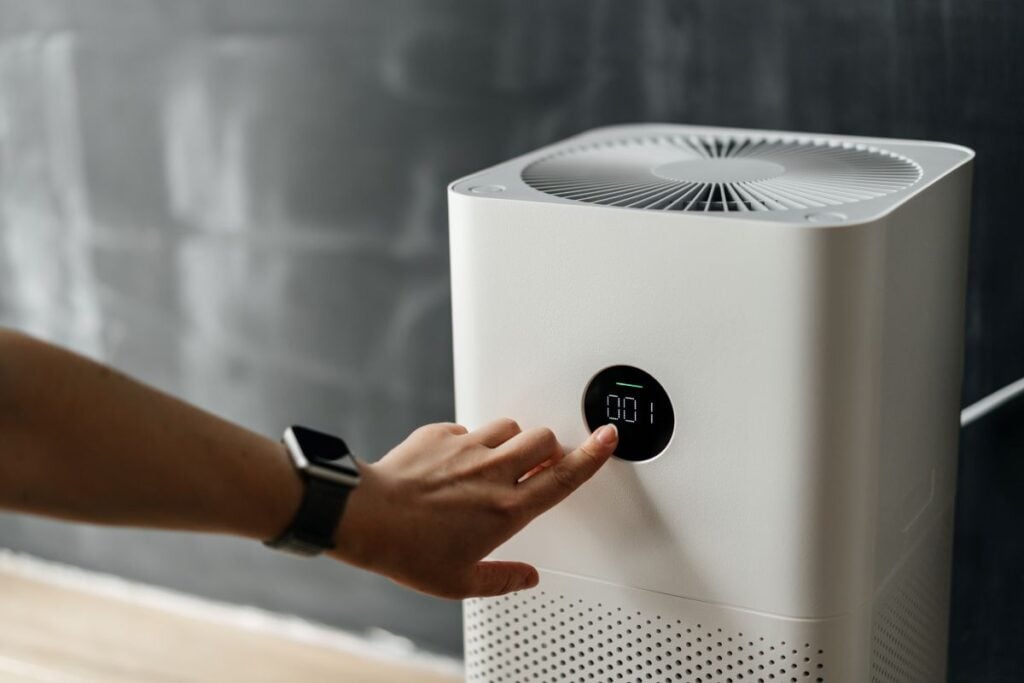
The biggest source of confusion in this category is that air scrubbers and air purifiers are marketed as though they do the same job. They do not. An air purifier is a plug-and-play air cleaning device for residential spaces, filtering the air as it passes through one or more filters inside the unit. An air scrubber, particularly a model integrated into existing ductwork, actively treats the entire conditioned space and in many cases releases reactive molecules that address both airborne and surface-level contamination. Portable commercial air scrubbers, sometimes called negative air machines, work differently still, exhausting contaminated air outside the building rather than recirculating it, a key distinction during mold remediation or post-flood cleanup.
Using a room-level purifier on a whole-home contamination problem is like treating a leaking pipe with a towel. It manages symptoms without touching the source. Conversely, installing a whole-home air scrubber to handle pet dander in a single bedroom is more system than the situation requires, and it introduces HVAC compatibility considerations that a standalone purifier would never raise. Getting this match right from the start is what separates a purchase that solves the problem from one that runs indefinitely without resolving it.
- Scope of Coverage: A standalone air purifier treats only the room it occupies. An HVAC-integrated air scrubber treats every cubic foot of conditioned air with each system cycle, covering the whole home simultaneously. For multi-story layouts or open floor plans common in York, SC and surrounding areas, the scope difference is decisive.
- Contaminant Targeting: HEPA-based air purifiers capture airborne particles down to 0.3 microns at 99.97 percent efficiency, covering allergens, mold spores, bacteria, and viruses. Air scrubbers using photocatalytic oxidation go further, neutralizing volatile organic compounds, gaseous pollutants, and surface pathogens that pass through HEPA filters entirely.
- Installation Requirements: A standalone purifier requires no professional installation and carries no HVAC compatibility risk. An air scrubber integrated into ductwork adds resistance to the airflow path, and on a system already near its static pressure limit, that resistance can reduce airflow, cause evaporator coil icing, and accelerate blower motor wear.
- Cost Profile: Residential air purifiers cost between $150 and $850, with filter replacements needed every 3 to 12 months adding $50 to $150 annually. A professionally installed whole-home air scrubber ranges from $400 to $2,500 or more, but requires minimal maintenance with filter replacement only every one to two years. Over a five-year period, total air purifier costs can reach approximately $3,150, while air scrubber ownership often runs closer to $2,000, making scrubbers potentially more cost-effective for larger homes despite the higher upfront investment.
Understanding where these two technologies diverge is the prerequisite for every step that follows. Once that distinction is clear, the path to the right choice becomes straightforward.
5 Steps to Choose Between an Air Scrubber and Air Purifier
Choosing between these two technologies is not a matter of picking the more impressive-sounding option. It is a structured decision based on your specific contamination problem, your home’s layout, and your HVAC system’s actual capacity. These five steps produce the right answer in the right order.
1. Name the Contaminant You Are Actually Trying to Remove
The entire decision hinges on this first step. Air quality problems fall into two categories: particulate contamination and gaseous or chemical contamination. Particulate issues include dust, pollen, pet dander, dust mites, mold spores, bacteria, viruses, and smoke particles, all of which HEPA filtration captures effectively by removing particles as small as 0.3 microns. Gaseous issues include volatile organic compounds, formaldehyde, cooking byproducts, and chemical off-gassing from building materials. Activated carbon filters absorb odors, smoke, and VOCs through adsorption, but HEPA filtration alone cannot remove them.
- If your primary problem is allergens or biological contaminants, a HEPA-based air purifier addresses the issue directly and cost-effectively
- If the problem is odors, VOCs, or post-renovation chemical exposure, an air scrubber with photocatalytic oxidation technology treats those compounds at a molecular level that passive filtration cannot reach
- If both categories apply, a multi-stage approach combining a high-MERV HVAC filter with an air scrubber or a purifier with an activated carbon layer delivers broader-spectrum coverage
2. Determine Whether the Problem Is Room-Level or Whole-Home
Scope is the variable most homeowners underestimate. A pet dander issue in a single bedroom is a room-level problem. Persistent chemical odors in a newly constructed home, mold spores circulating through shared ductwork, or heavy contaminant loads following fire or flood damage are whole-home problems. A standalone purifier can solve the first. It cannot meaningfully address the second, regardless of runtime. Air scrubbers are specifically designed for high contaminant loads, achieving 3 to 4 air changes per hour or more, compared to many consumer air purifiers that deliver only 1 to 2 ACH. For situations like mold remediation or post-renovation cleanup, that gap in air change rate is decisive.
- A purifier rated for 400 square feet achieves approximately 4.8 air changes per hour in that space, meeting the Association of Home Appliance Manufacturers’ recommended minimum for effective allergen removal
- That same purifier in an open-plan main floor of 1,200 square feet achieves roughly 1.6 ACH, well below the threshold for effective air cleaning regardless of runtime
- Homeowners in York, SC and surrounding areas with multi-story homes or large open layouts will almost always need either multiple purifier units or a whole-home scrubber to address systemic air quality problems
3. Assess the Technology Inside the Device
Not all purifiers perform the same, and not all scrubbers use the same mechanism. The specific technology inside the unit determines which contaminants it actually captures, neutralizes, or leaves untouched.
Air purifiers typically combine HEPA mechanical filtration to capture particles, activated carbon filters to absorb odors and gases, and in some models UV-C light technology that disrupts bacterial and viral DNA. UV-C effectiveness depends on dwell time at the lamp, meaning units at lower fan speeds typically deliver better germicidal output than those at full speed. Air scrubbers use specialized filtration technology including photocatalytic oxidation (PCO), bi-polar ionization, and ultraviolet light to create oxidizers and negative ions that proactively neutralize contaminants on surfaces and in the air. This is a fundamentally different approach from waiting for contaminated air to pass through a filter.
- Ionizing scrubbers can generate trace ozone as a byproduct. The EPA’s acceptable indoor ozone limit is 0.05 parts per million. For households with asthma or reactive airway conditions, verifying a unit is ozone-safe is a non-negotiable specification check
- UV-C lamps lose germicidal output over time and should be replaced annually regardless of whether they appear to be functioning. A lamp that is visibly lit may be delivering only a fraction of its rated UV-C dose
4. Verify Your HVAC System Can Support the Installation
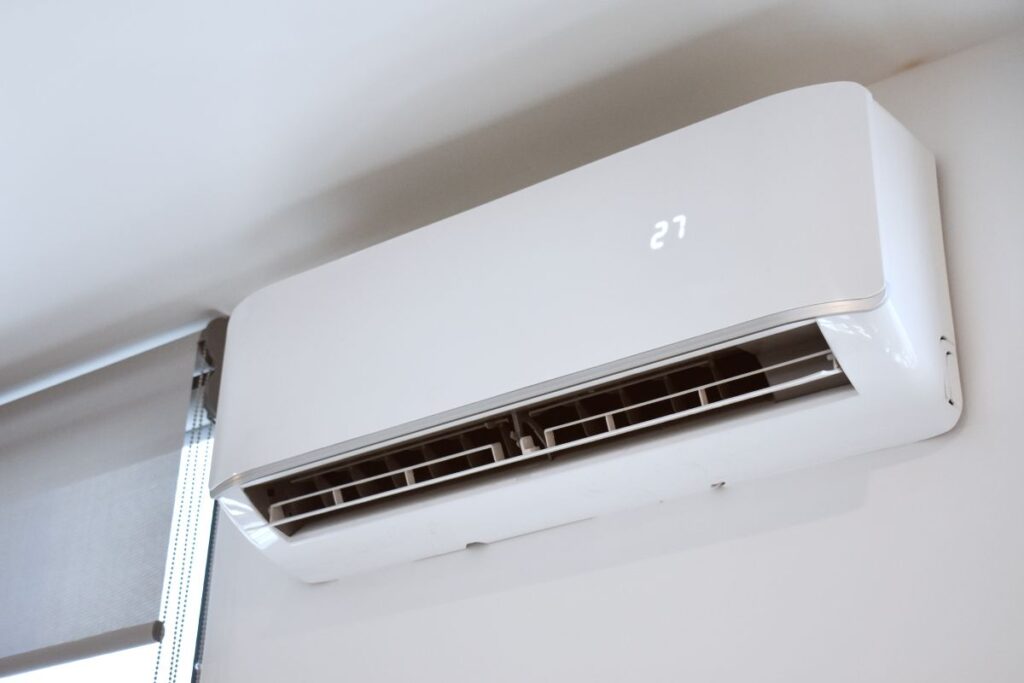
This step applies specifically to air scrubbers but has direct financial consequences if skipped. HVAC-integrated scrubbers add static pressure resistance to the system’s airflow path. Most residential systems are engineered to operate within a static pressure range of 0.1 to 0.8 inches of water column. Adding a scrubber that introduces 0.2 to 0.3 inches WC to a system already running near capacity pushes airflow below the blower’s rated output.
- The consequences include longer run cycles, elevated energy consumption, evaporator coil icing that triggers safety shutoffs, and accelerated wear on the blower motor
- A licensed HVAC technician should measure the system’s current operating static pressure before any scrubber is specified. The scrubber manufacturer’s published pressure drop data gives the figure to compare against available headroom
- Standalone purifiers carry no HVAC compatibility risk, but homeowners in York, SC and surrounding areas with older single-speed systems should still confirm that adding any in-duct accessory does not push operating parameters beyond design limits
5. Calculate the Full Cost of Ownership Before Committing
Purchase price is a poor basis for comparison between these two categories. The relevant number is total cost of ownership across five years, including consumables, professional servicing, and energy efficiency impact.
Air purifiers cost between $150 and $850 upfront, with filter replacements every 3 to 12 months adding roughly $50 to $150 per year. Air scrubbers range from $400 to $2,500 or more installed, but scrubber filters typically last one to two years and overall maintenance costs are lower. Over five years, total purifier ownership can reach $3,150 while scrubber ownership averages closer to $2,000. However, if a household needs two or three purifier units to cover the same contaminated volume, that five-year comparison shifts further toward the scrubber. Running the actual math on your specific home size is the only way to make this comparison honestly.
Completing these five steps in order produces a decision grounded in your home’s actual conditions rather than product marketing. Most homeowners who work through them honestly find the right answer is clearer than they expected.
What Each Device Does Well and Where It Falls Short
Both technologies genuinely improve indoor air quality when they are matched correctly to the problem. The issue is not that one is better than the other. It is that each has a defined range of effectiveness, and operating either one outside that range delivers poor results at any price point.
Where Air Purifiers Excel
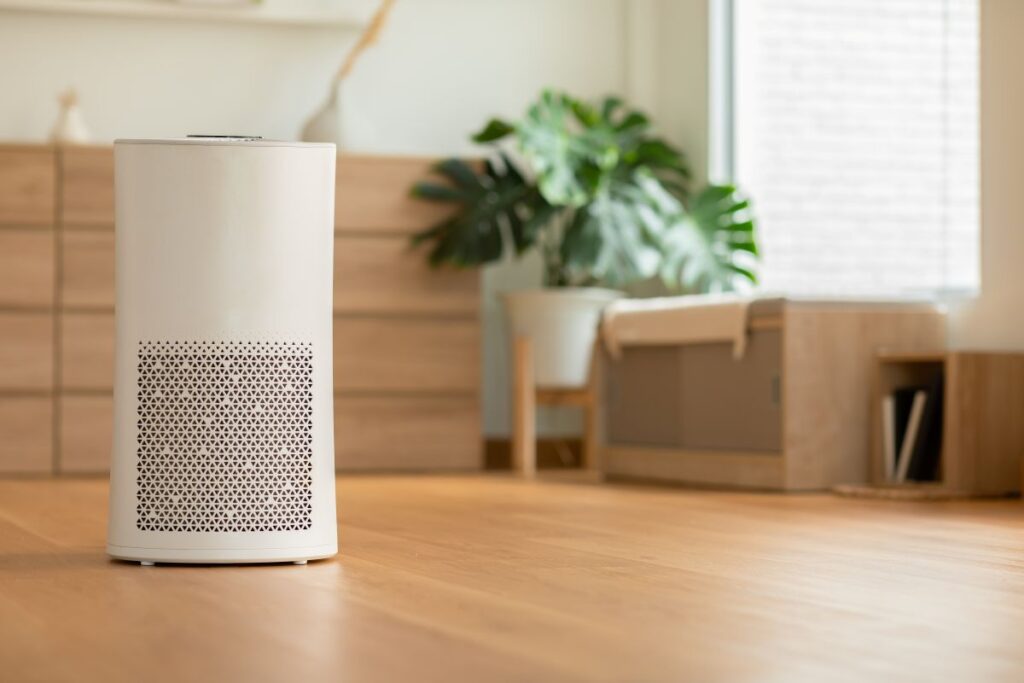
HEPA-based air purifiers are ideal for standard daily use in residential spaces. They are compact, quiet, and designed for continuous operation in living rooms, bedrooms, and offices. Pet dander ranges from 2.5 to 10 microns. Pollen runs from 10 to 100 microns. Mold spores fall between 2 and 20 microns. All are well within HEPA’s rated capture range. For households in York, SC and surrounding areas dealing with seasonal pollen or pet-related allergens in specific rooms, a properly sized purifier delivering at least 4.8 ACH is a cost-effective solution that requires no professional installation.
Their limitation is scope and chemistry. They do nothing for VOCs or gaseous pollutants, they treat only the room they occupy, and they have no effect on surface-level contamination. A purifier running continuously in a kitchen where cooking byproducts and cleaning product VOCs are the primary issue will show no meaningful improvement in those specific contaminant categories.
Where Air Scrubbers Excel
HVAC-integrated air scrubbers are a commercial-grade solution designed to handle severe contamination, persistent odors, and VOC exposure from new construction, renovation, or heavy-duty cleanup following fire or flood damage. Their proactive oxidizing technology neutralizes airborne contaminants and air pollutants that passive filtration never reaches, helping maintain clean air throughout the entire home. For immunocompromised household members or homes with documented chemical off-gassing from flooring, cabinetry, or paint, scrubbers provide a level of coverage no room-level purifier can replicate.
Their limitations are cost, installation complexity, and the HVAC compatibility requirements described in Step 4. They are not appropriate for renters, for addressing single-room problems, or for installation on systems that cannot accommodate the additional static pressure load.
Knowing where each device excels and where it falls short is what makes the five-step framework above actionable rather than theoretical. The technology is only as useful as the match between it and the problem it is solving.
The Right Device Starts With the Right Diagnosis
There is no universally correct answer in the air scrubber vs air purifier comparison. The right choice depends on the contamination profile, the home’s layout, and the HVAC system involved. Panther HVAC helps homeowners work through exactly this decision, from identifying the dominant air quality problem to assessing system compatibility and installing the solution that fits. Contact us today and let our team help you find the right fit for your home.
