
 Schedule
  (803) 327-2700
 The Importance of Allergy Air Filters for Lowering The Bills
If your energy bills are climbing and your family is sneezing more than usual, your air filter might be at the center of both problems. Allergy air filters are designed to do more than trap basic dust. They target the microscopic particles that trigger allergic reactions and strain your HVAC system at the same time. For homeowners who want to understand how filter quality connects to keeping the air in your home clean and breathable year-round, the right filter choice makes a measurable difference in both comfort and cost.
What You’ll Learn:
- Why the filter you choose directly affects your energy bills and allergy symptoms
- How allergy air filters work and what makes them different from standard options
- The most important filter ratings and what they actually mean
- How often to replace your filter to keep performance and efficiency high
- Signs your current filter may be costing you more than it should
- How to match the right filter to your home and HVAC system
How Your Air Filter Affects More Than Just Air Quality
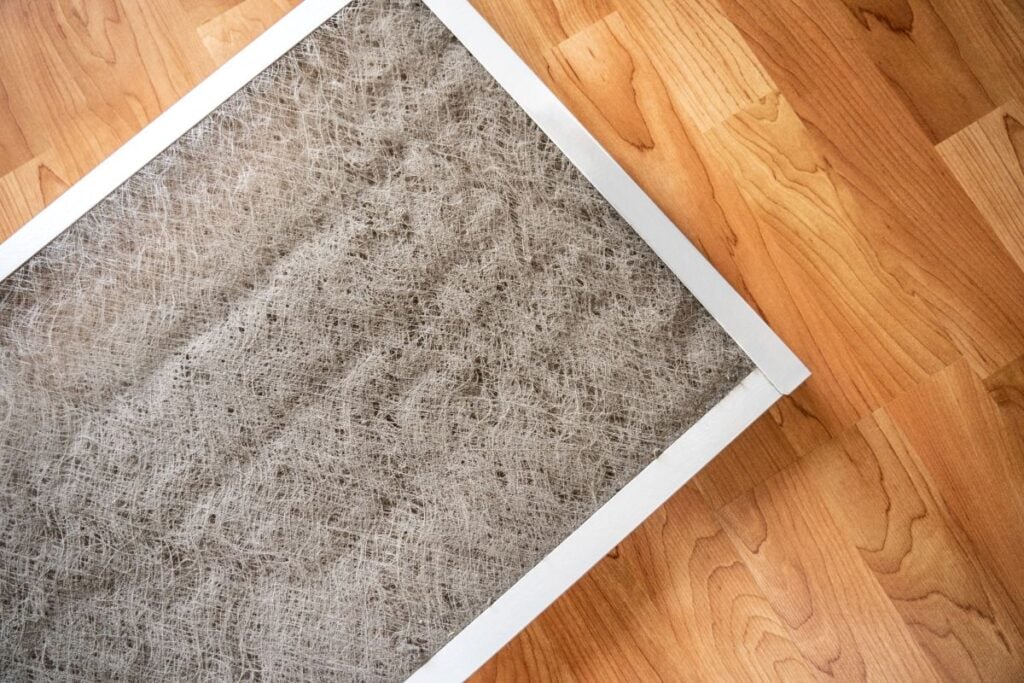
Most homeowners think of air filters purely as a health tool, something that catches dust and keeps the air cleaner. That is true, but it is only part of the picture. The filter in your HVAC system is also one of the most direct influences on how hard your equipment works and how much energy it consumes every month.
When a filter becomes clogged or is poorly matched to your system, it restricts airflow across the evaporator coil and blower. Your system compensates by running longer cycles, consuming more energy, and placing extra stress on components that wear out faster under that load. A MERV 4 fiberglass filter, for example, may cost less than two dollars but forces your system to work significantly harder than a properly rated MERV 11 filter that costs a few dollars more. Choosing the right allergy filter from the start prevents that chain reaction before it begins.
- Lower Energy Consumption: A clean, properly rated filter allows air to flow freely through the system. Studies suggest that a well-maintained filter can improve HVAC efficiency by 5 to 15 percent compared to a clogged or underperforming one, which adds up to real savings across a full cooling or heating season.
- Reduced Allergy and Asthma Triggers: High-quality allergy filters capture common allergens including pollen, pet dander, dust mites, and mold spores, along with fine airborne particles that standard filters miss entirely. For households where airborne allergens are active asthma triggers, that difference in capture rate directly translates to fewer symptoms and better daily comfort.
- Extended Equipment Lifespan: When airflow is restricted, your blower motor and compressor work harder than they were designed to. Keeping a fresh, correctly rated filter in place reduces mechanical strain and helps your system reach its full expected lifespan of 15 to 20 years.
- Fewer Maintenance Visits: Dirty air that bypasses a poor filter settles on the evaporator coil and in the ductwork, leading to buildup that requires professional cleaning. A better filter means less contamination reaching those components in the first place.
The connection between filter quality and household expenses is more direct than most people realize. Investing a few extra dollars in the right filter regularly pays back in reduced utility costs and avoided repair bills.
5 Types of Allergy Air Filters and How Each One Works
Not all allergy filters are built the same way, and choosing the wrong type for your home or system can either leave allergens uncaptured or restrict airflow enough that your equipment suffers. Understanding what each option actually does helps you make a choice that works for both your health and your budget.
1. HEPA Filters
High-Efficiency Particulate Air filters are the gold standard for allergen capture. A true HEPA filter removes 99.97 percent of airborne particles as small as 0.3 microns through a combination of mechanical filtration mechanisms: straining, impaction, interception, and diffusion work together to trap particles of varying sizes in a dense fiber matrix. This is why HEPA is the filter of choice for hospitals, cleanrooms, and households with serious respiratory concerns.
- True HEPA filters are most commonly found in standalone air purifiers rather than central HVAC systems, because their density can restrict airflow in standard ductwork
- When choosing an air purifier for allergies, look for a high Clean Air Delivery Rate (CADR) matched to your room size. A unit with a higher CADR cleans air in a given space faster and more thoroughly
- The Association of Home Appliance Manufacturers recommends at least 4.8 air changes per hour for effective allergen removal, with 6 ACH ideal for severe allergy sufferers
- If allergy symptoms are severe, pairing a HEPA air purifier in high-traffic rooms with a high-MERV HVAC filter gives the most comprehensive coverage
2. MERV-Rated Filters
MERV stands for Minimum Efficiency Reporting Value, the standard rating scale for HVAC filters running from 1 to 16 for residential use. The higher the MERV rating, the smaller the particles captured. For allergy sufferers, the MERV 11 to 13 range offers the best balance of allergen capture and airflow compatibility. Filters in this range feature deep pleats that increase surface area for trapping allergens while maintaining better airflow than flat fiberglass options. If you use 3M filters, their Microparticle Performance Rating (MPR) of 1500 or 1900 corresponds to MERV 12 or 13, covering the optimal range for pollen allergies and other common triggers.
- MERV 1 to 4 filters capture large dust and debris but do almost nothing for allergens
- MERV 8 to 10 filters handle pollen and mold spores adequately for most households
- MERV 11 to 13 pleated electrostatic filters capture over 85 percent of small particles including pet dander, smoke, and fine dust without severely restricting airflow
- Going above MERV 13 in a standard residential system can restrict airflow enough to reduce efficiency and strain the blower motor
3. Electrostatic Filters
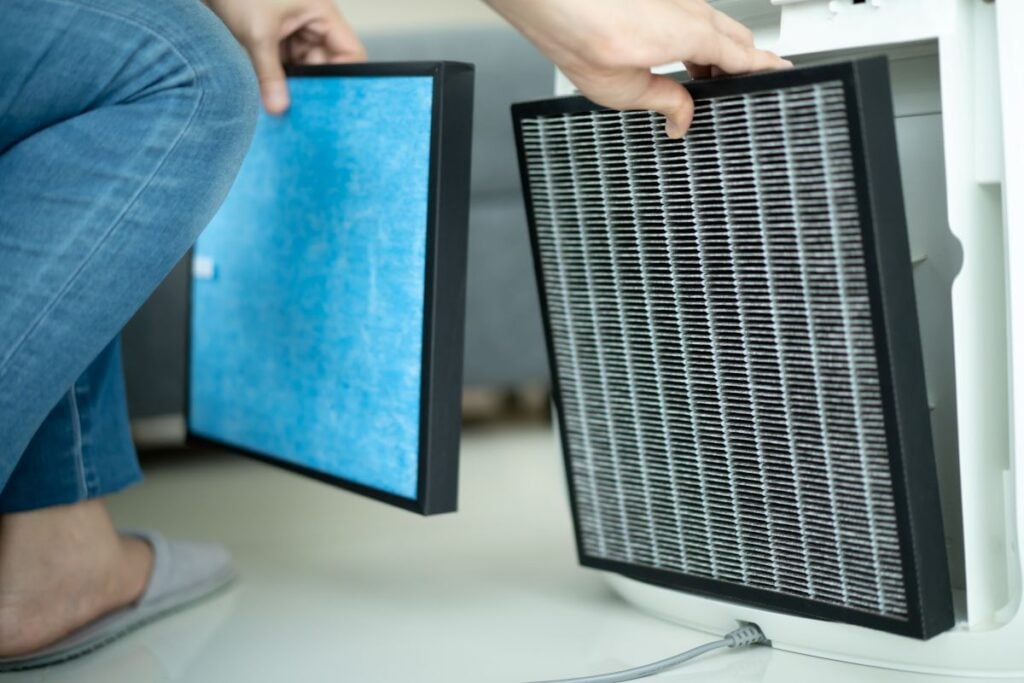
Electrostatic filters use static electricity to attract and trap airborne particles as air passes through the filter media. Unlike mechanical filters that physically block particles, these use an electrostatic charge generated by airflow through the synthetic fibers. They are a practical option as filters for allergies in households where airflow restriction from high-MERV options is a concern.
- Washable electrostatic filters have a higher upfront cost but eliminate the ongoing expense of replacement filters
- Their effectiveness can decline over time as the electrostatic charge weakens, particularly in reusable models that are washed frequently
- They work well for households with moderate allergy concerns and systems that struggle with the resistance of higher-MERV options
4. Activated Carbon Filters
Activated carbon filters address odors, gases, and volatile organic compounds rather than particulate allergens. Their effectiveness depends on the depth and volume of carbon used, so thin carbon layers found in budget options offer limited benefit. They work best as part of a multi-stage filtration system layered with a mechanical filter to catch both particles and the chemical irritants that aggravate respiratory conditions.
- Particularly useful in homes with pets, smokers, or recent renovation work where chemical off-gassing is a concern
- Not a substitute for a high-MERV filter when pollen, dander, or dust mite allergens are the primary issue
- Work best as a secondary layer in combination with a MERV 11 or higher filter for comprehensive indoor air quality improvement
5. Fiberglass and Polyester Panel Filters
These are the most common filters found in residential systems and the least effective for allergy control. Fiberglass panel filters typically carry a MERV rating of 1 to 4, meaning they catch large debris but allow the vast majority of allergy-triggering particles straight through. They are appropriate for equipment protection in homes with no allergy or respiratory concerns, but not for anyone who wants cleaner air.
- Their primary purpose is protecting HVAC equipment from large debris rather than improving air quality
- They are inexpensive but offer almost no benefit to allergy or asthma sufferers
- Replacing a fiberglass filter with a MERV 11 option is one of the highest-return, lowest-cost upgrades a homeowner can make
Understanding these options puts you in a position to match the right filter to your specific needs rather than defaulting to whatever is cheapest on the shelf.
Getting the Most Out of Your Allergy Filter
Choosing the right filter is only the first step. How you maintain it determines whether it continues to protect your home and run efficiently over time. Many homeowners in Indian Land, SC and surrounding areas find that the biggest gains come not from upgrading to a more expensive filter but from replacing their existing one far more consistently.
Replace Filters on the Right Schedule
The most common mistake homeowners make is waiting too long between replacements. A filter at capacity stops capturing airborne particles and begins restricting airflow, creating the exact problems it is supposed to prevent. Standard disposable filters should be changed every three to six months. Higher-rated allergy filters in the MERV 11 to 13 range may need attention every 60 to 90 days depending on dust load, pet ownership, and season. Staying on schedule also maintains the air changes per hour your system is designed to deliver, directly affecting how thoroughly allergens are removed from each room.
Factor in Household Conditions
A single-occupant home with no pets in a low-pollution area will get more life out of each filter than a household with multiple pets, children, or anyone with active allergy or asthma conditions. During high-pollen seasons in Indian Land, SC and surrounding areas, even a high-quality filter may need replacing more frequently than the packaging suggests. Check your filter monthly and replace it based on its actual condition rather than a fixed calendar date.
Match the Filter to Your System’s Airflow Rating
Not every system can handle every filter. A high-MERV filter installed in a system designed for lower resistance will reduce airflow, cause the evaporator coil to run colder than intended, and potentially lead to icing or compressor issues. Check your HVAC system’s documentation or ask a technician to confirm the maximum MERV rating your equipment can handle before upgrading.
The right filter in the right system, replaced at the right interval, delivers the full combination of clean air and efficient operation. Choosing air filters for allergies is not a one-size-fits-all decision, and the best performing option in one home may cause problems in another if the system’s airflow capacity is not accounted for first.
What Your Bills Are Actually Telling You About Your Filter
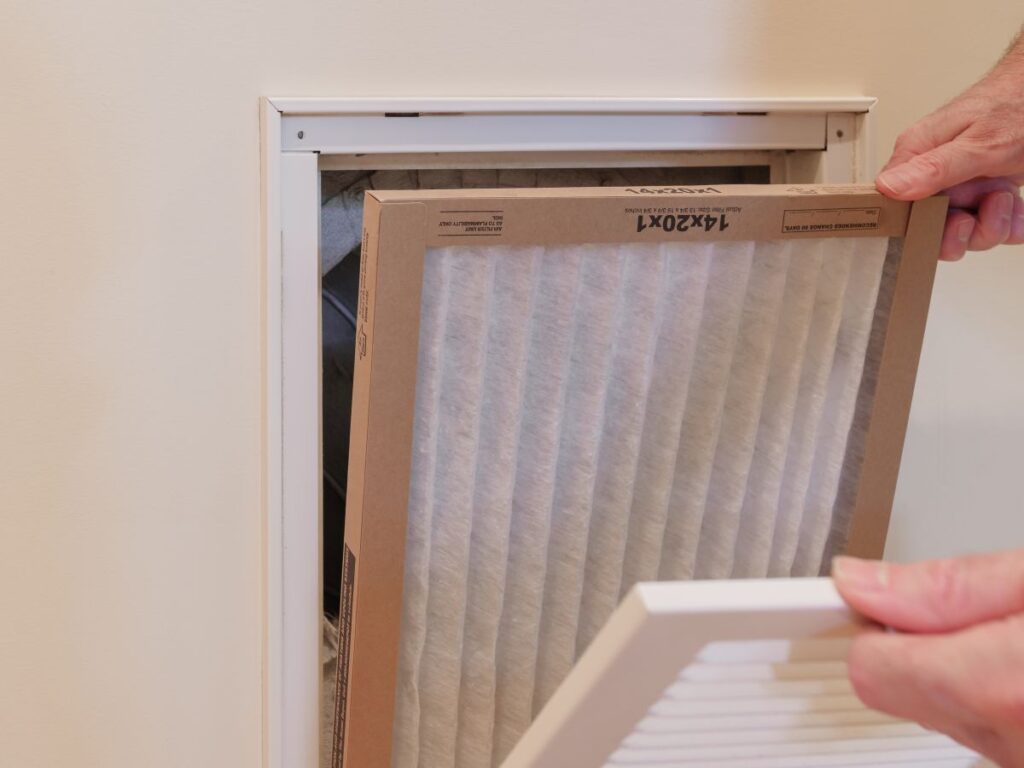
Energy bills are one of the most overlooked indicators of filter performance, and they can signal a problem long before your system shows other symptoms. If monthly cooling or heating costs have been creeping up without a clear reason, a clogged or mismatched filter is one of the first things worth investigating.
When airflow is restricted, system run time increases. Longer run times mean more energy consumed per degree of temperature change, which shows up directly on your utility bill. Homeowners across Indian Land, SC and surrounding areas who switch from a basic fiberglass panel filter to a properly rated allergy filter often notice a measurable drop in monthly costs within the first full billing cycle, particularly during peak cooling months.
A few other signs that your filter may be working against you are worth watching for. Uneven temperatures between rooms, reduced airflow from vents, and more frequent allergy flare-ups indoors are all consistent with a filter that is either clogged or rated too low for your home’s particle load. If your system is short-cycling, that pattern can also trace back to restricted airflow caused by a filter that needs attention.
Understanding what your energy bills and symptoms are telling you turns filter maintenance from a forgettable chore into a useful diagnostic tool. A small, inexpensive change to your filter selection and replacement schedule can resolve multiple problems at once, lowering costs and improving the indoor air quality your family lives with every day.
Breathe Easier and Spend Less Every Month
Allergy air filters are one of the most cost-effective upgrades available to any homeowner, and their impact reaches far beyond allergy season. The right filter reduces allergens, protects your equipment, and keeps your system running efficiently enough to show up as real savings on your monthly bills. For families in Indian Land, SC and surrounding areas, where seasonal pollen and humidity keep indoor air quality concerns elevated throughout much of the year, getting this one detail right pays dividends in both health and household expenses.
Panther HVAC can help you identify the right filter for your system, confirm your HVAC is set up to handle it properly, and make sure nothing else is holding your air quality or efficiency back. Contact us today and let our team put together a plan that keeps your home comfortable and your bills where they belong.
