
 Schedule
  (803) 327-2700
 How To Find the Best AC Temperature for Energy Saving?
During a Carolina summer, your air conditioner becomes more than a comfort feature—it’s essential for everyday living. But finding the best AC temperature for energy saving can feel like walking a fine line between comfort and cost. Set it too low, and your energy bills climb fast. Set it too high, and your home feels warm and muggy. The key lies in understanding how temperature, humidity, and usage habits all interact to influence efficiency.
Many homeowners assume that lowering the thermostat always leads to better cooling. In reality, smarter temperature control is about balance and consistency, not extremes. And if your system struggles to reach or maintain your chosen temperature, that might be a sign of an underlying mechanical issue—something you can learn more about through trusted furnace and AC repair services.
In this guide, you’ll learn:
- How to identify the most efficient temperature settings for your home
- When to adjust your thermostat for comfort and savings
- How humidity, insulation, and airflow affect efficiency
- The role of modern thermostats in reducing energy waste
- Habits that make your cooling system run smarter, not harder
- Signs your system might need professional care for optimal performance
Why Temperature Settings Make Such a Difference
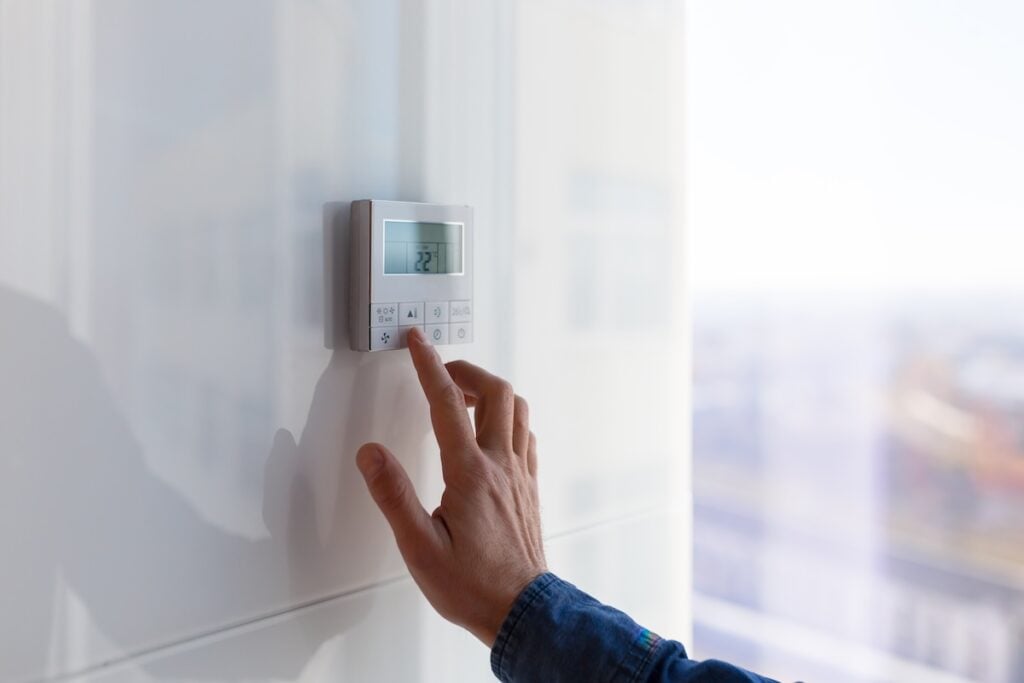
Every degree you adjust your thermostat can impact both comfort and cost. The Department of Energy reports that raising your thermostat by just one degree in summer can save up to 3% on cooling costs.
Beyond savings, your temperature settings influence how long your AC runs, how even your home’s comfort feels, and how long your system lasts before needing repair or replacement.
Here’s why proper control matters:
- Efficiency and Savings: Optimized settings reduce the total energy your system consumes.
- System Longevity: Less frequent cycling minimizes wear on key components like the compressor.
- Better Comfort Control: A stable indoor climate eliminates temperature swings.
- Healthier Air: Proper humidity and circulation reduce mold and allergen buildup.
- Reduced Environmental Impact: Lower energy demand cuts carbon emissions and strain on the grid.
In Charlotte, NC and surrounding areas—where heat and humidity dominate summer—these adjustments have an even greater impact on both comfort and budget.
6 Proven Ways to Find the Best AC Temperature for Energy Saving
Finding your “sweet spot” temperature isn’t about picking one number—it’s about combining smart habits and system knowledge. These six strategies will help you balance comfort and efficiency no matter how hot it gets outside.
1. Start with the Energy Department’s Recommended Setting
A reliable starting point is 78°F (26°C) when you’re home and awake. This temperature maintains comfort while preventing overuse. If your home feels slightly warm at first, resist lowering the thermostat drastically—your body will adjust within a few days.
Pairing this setting with ceiling fans helps create a cooling effect without lowering the thermostat. Remember, fans cool people, not rooms, so turn them off when you leave.
2. Adjust by Lifestyle and Schedule
Your thermostat should match your daily routine. When no one is home, raising the temperature prevents wasted cooling and reduces run time.
Tips for smarter scheduling:
- Set your thermostat 7–9 degrees higher when away for several hours.
- Lower it again about 30 minutes before returning home for instant comfort.
- Use programmable or smart thermostats to automate these adjustments.
Many Charlotte, NC homeowners find that combining smart scheduling with upgraded insulation reduces cooling costs by 10–15% annually.
3. Factor in Humidity and Home Insulation
Humidity plays a huge role in perceived comfort. High indoor moisture makes the air feel warmer, even at lower temperatures. To compensate, many people lower the thermostat unnecessarily, driving up energy use.
To keep humidity balanced:
- Use a dehumidifier or ensure your AC’s moisture drain line is clear.
- Keep humidity between 40–50% for ideal comfort.
- Seal leaks in ductwork or around windows to prevent warm, moist air intrusion.
A well-insulated home maintains temperature longer, allowing you to keep the thermostat slightly higher without discomfort.
4. Embrace Smart Thermostat Technology
Today’s thermostats do much more than regulate temperature—they learn from your habits and automatically optimize performance.
Key benefits include:
- Adaptive Scheduling: The thermostat adjusts based on when you’re home or asleep.
- Remote Access: Change settings from your phone while away.
- Usage Insights: Track patterns to pinpoint when your system runs most.
- Integration: Many models pair with smart home systems and voice assistants.
These HVAC tools ensure you get consistent comfort with minimal energy waste, especially during peak usage months in Charlotte, NC and surrounding areas.
5. Use Zone Cooling for Targeted Comfort
Not every room in your home needs to be cooled equally. Zoning systems let you divide your home into separate areas, each with its own thermostat or damper control.
Advantages of zoning include:
- Reduced strain on your AC system.
- Customized comfort for different rooms or floors.
- Lower overall energy usage since you’re not cooling unused areas.
This approach is particularly effective for larger homes or multi-level layouts, where temperature differences can be more pronounced.
6. Combine Thermostat Settings with Energy-Saving Habits
Even the best thermostat strategy needs support from good home habits. Small changes to daily routines can magnify your efficiency gains.
Consider these energy-conscious practices:
- Close blinds or curtains during the hottest part of the day to block solar heat.
- Use energy-efficient LED lighting that produces less heat.
- Cook with smaller appliances like toaster ovens or air fryers instead of the full oven.
- Replace air filters every 1–2 months to maintain strong airflow.
- Schedule annual maintenance to clean coils, inspect refrigerant levels, and confirm proper operation.
The more consistently you combine these actions, the more comfortable—and affordable—your home cooling becomes.
How Home Design Affects Energy Efficiency
Every home is different. The age of your house, layout, insulation level, and even window placement all influence how your air conditioner performs. Understanding these factors helps you fine-tune your thermostat settings even further.
Orientation and Sun Exposure
Rooms facing south or west absorb more sunlight, making them warmer. Using blackout curtains or reflective window film can help maintain consistent indoor temperatures.
Ductwork Condition
Poorly sealed or uninsulated ducts can leak 20–30% of conditioned air. If you notice uneven cooling, professional duct inspection and rewrapping can drastically improve efficiency.
Airflow Design
Properly balanced airflow ensures each room gets the right amount of cool air. Blocked vents or poorly placed furniture can cause your system to overwork unnecessarily.
When in doubt, schedule an airflow assessment to see if small adjustments could yield major savings.
Energy-Saving Temperature Tips for Special Situations
Not every household or situation is the same. Here are a few scenarios where temperature adjustments make an extra difference.
- Vacation Mode: When you’re away for several days, set your thermostat around 85°F and close blinds to protect furniture from heat damage.
- Nighttime Settings: Slightly raising your temperature overnight, combined with light bedding and ceiling fans, can save energy without reducing comfort.
- Older HVAC Systems: Systems over 12 years old may struggle to maintain consistent cooling. Professional tune-ups help restore efficiency and comfort balance.
- Humidity-Heavy Days: When the air feels thick, focus on dehumidification before drastically lowering your thermostat.
Fine-tuning based on weather, season, and activity level helps your home stay efficient year-round. To achieve the perfect balance between comfort and lower energy bills, we suggest following the recommended thermostat settings for summer and winter as part of your home maintenance routine.
Comparing Energy Usage at Different Temperatures
To visualize how temperature affects energy use, consider this simplified example:
| Thermostat Setting | Energy Used (Approx.) | Relative Cooling Cost |
| 72°F | 100% | Highest |
| 75°F | 90% | Moderate |
| 78°F | 80% | Efficient |
| 80°F | 75% | Most Efficient |
Even small temperature changes can yield big savings. The key is finding the highest setting that still feels comfortable for your family and maintaining it consistently.
When to Seek Professional Help
If your AC constantly runs without cooling effectively, or if certain rooms stay warm despite adjustments, the problem may go beyond your thermostat. Potential causes include:
- Low refrigerant levels
- Dirty evaporator or condenser coils
- Leaky ductwork
- Undersized equipment
An HVAC professional can test your system and recommend targeted improvements. In many cases, a simple maintenance visit restores performance and lowers energy use immediately.
In Charlotte, NC and surrounding areas, scheduling seasonal maintenance before the summer heat hits can make a noticeable difference in both comfort and efficiency.

Comfort, Cost, and Control
Finding the best AC temperature for energy saving isn’t about choosing one magic number—it’s about understanding your home, habits, and system. When combined with smart technology, ductwork insulation, and regular maintenance, you can achieve year-round comfort without overspending on energy.
Panther HVAC proudly serves homeowners across Charlotte, NC and surrounding areas with expert guidance on system efficiency, indoor comfort, and preventive maintenance. If your system needs professional attention or you’re ready to take control of your energy use, contact us today to schedule a visit from our experienced HVAC team.
