
 Schedule
  (803) 327-2700
 7 Best Air Filters for Home to Keep Air Quality All Year
The air inside your home can be significantly more polluted than outdoor air, making your HVAC filter one of the most important lines of defense for your family’s health. Choosing the best air filters for home use is not just about protecting your equipment — it directly affects how clean and breathable your indoor environment is every single day. If you have been dealing with dust buildup, allergy flare-ups, or stale air, the right filter choice, combined with proper air quality management strategies, can make a measurable difference in your home.
What you’ll learn in this guide:
- The different types of air filters and what sets them apart
- How each filter type works and who it is best suited for
- Seven top filter options to consider for year-round air quality
- Tips for maximizing filter performance between replacements
- How filter choice connects to your overall HVAC system health
Why the Right Air Filter Matters More Than You Think
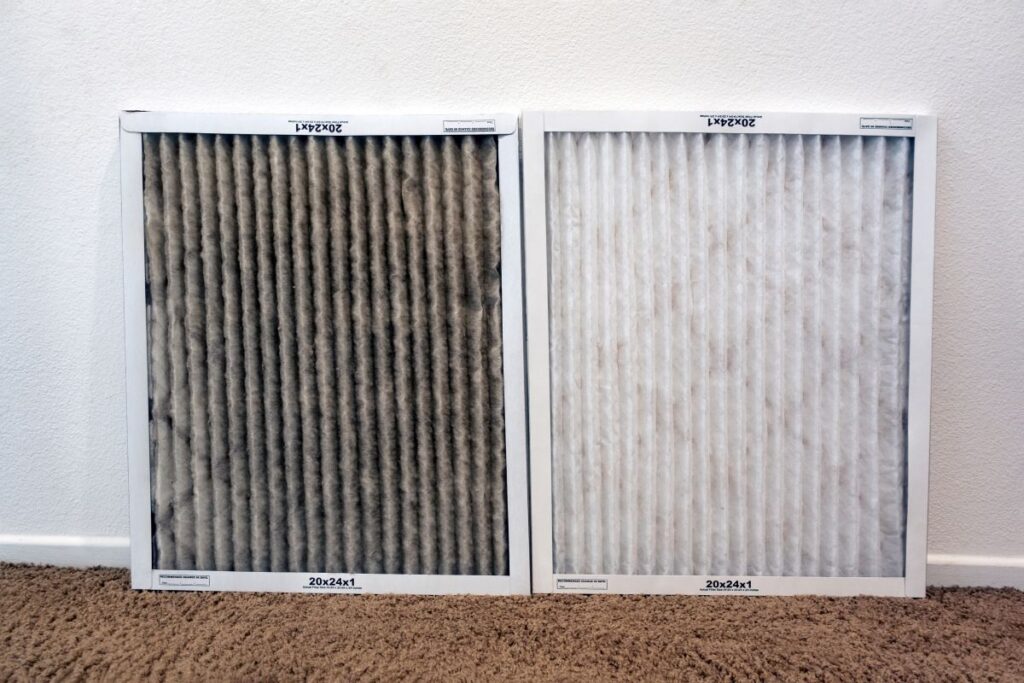
Many homeowners in York and surrounding areas replace their filters on a rough schedule without ever considering whether the filter type matches their actual needs. The truth is that filter selection has a direct impact on everything from dust levels and allergy symptoms to energy costs and system lifespan. A filter that is either too restrictive or too porous for your system can cause real problems over time.
Understanding why filter quality matters helps you make a smarter investment in your home’s comfort:
- Allergy and asthma relief: Higher-grade filters trap microscopic particles like pollen, pet dander, and mold spores that lower-quality filters allow to recirculate freely through your living space.
- Energy efficiency: A well-matched filter allows air to flow smoothly through your system, reducing the strain on your blower motor and keeping monthly utility costs lower.
- System longevity: Filters that capture debris before it reaches your coils and blower components help prevent wear, reducing the likelihood of costly repairs.
- Consistent comfort: Clean filtration keeps airflow balanced throughout your home, which means fewer hot or cold spots and more reliable temperature control season to season.
Taking the time to choose the right filter now pays dividends in comfort, cost, and air quality for months and years ahead.
7 Best Air Filter Types for Year-Round Home Use
Filters come in a wide range of materials, efficiencies, and price points, and not every option is the right fit for every home or system. Understanding the key categories helps you match the right product to your actual situation. Here is a look at the seven most relevant filter types for homeowners in York and surrounding areas.
1. Fiberglass Panel Filters
Fiberglass filters are the most basic and least expensive option available. They are designed primarily to keep large debris from entering your HVAC equipment, which means they protect the system reasonably well but do very little to improve the air you actually breathe. If your household has no allergy concerns and budget is the main driver, they can serve that limited purpose, but air quality is not what they were built for.
2. Pleated Polyester Filters
Pleated filters are the most widely recommended option for everyday residential use, and for good reason. The accordion-style design gives the filter a larger surface area than a flat panel, so it captures more particles without significantly slowing down airflow. They work well for homes managing mild allergies, pet dander, or general dust, and are available in various thicknesses to fit different systems. For most households, a quality pleated filter is the practical starting point.
3. High-Efficiency Mechanical Filters
High-efficiency filters take the pleated concept further, using denser materials to trap much finer particles including smoke, bacteria, and microscopic allergens. They are a strong choice for households where someone has asthma, respiratory sensitivities, or a compromised immune system. Because denser filters require more effort from your blower to pull air through, confirming compatibility with your existing system before upgrading is a smart move.
4. HEPA Filters
HEPA filters are the gold standard in air filtration and are capable of capturing nearly all airborne particles that pass through them. The tradeoff is that most standard residential HVAC systems are not built to handle the airflow resistance a true HEPA filter creates, making them far more common in standalone air purifiers. Specialty whole-home systems can be designed to accommodate them, so if you are curious whether your home is a candidate, it is worth a conversation with an HVAC professional.
5. Electrostatic Filters
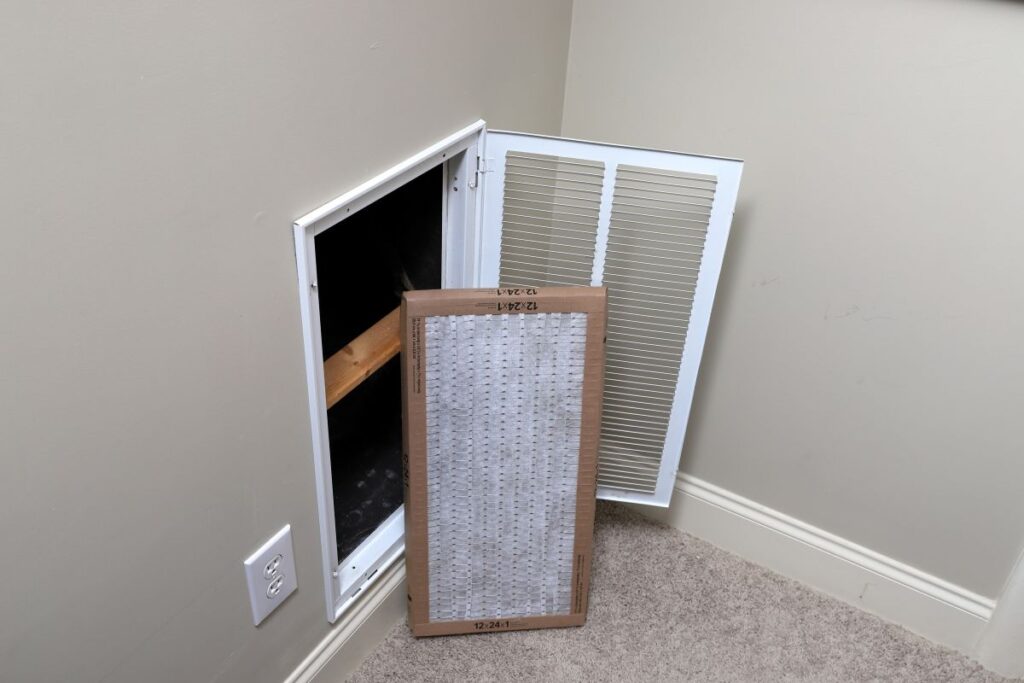
Electrostatic filters generate a static charge as air moves through them, causing particles to cling to the filter material rather than pass through. They come in disposable and washable versions, and reusable models can save money over time since you clean and reinstall them rather than buying replacements. They tend to work especially well in homes with pets or heavy dust loads. If you go the washable route, make sure the filter is completely dry before reinstalling it, since moisture inside your system can encourage mold growth.
6. Activated Carbon Filters
Activated carbon filters are built to tackle something the other filter types largely ignore: odors and airborne chemicals. They use porous carbon material to absorb cooking smells, pet odors, tobacco smoke, and volatile organic compounds from household products and building materials. They are not designed to catch dust or allergen particles on their own, so they work best paired with a pleated or high-efficiency filter. For households where air freshness matters as much as air cleanliness, they are a worthwhile addition.
7. UV Air Purifier Systems
UV filtration takes a different approach altogether. Rather than physically catching particles, ultraviolet light systems neutralize biological contaminants like mold spores, bacteria, and viruses by disrupting their ability to reproduce. These systems are installed inside the ductwork and work alongside your standard filter rather than replacing it. They require professional installation and periodic bulb replacement, but for households dealing with recurring mold issues or heightened concern about airborne pathogens, they offer a layer of protection that mechanical filters alone cannot provide.
Each of these options serves a different purpose, and the best setup for your home may involve more than one type working together.
How Filter Efficiency Ratings Translate to Real-World Performance
Even if you never memorize a single number, understanding how filter efficiency is measured can help you have a more informed conversation when it comes time to buy. The MERV scale, which stands for Minimum Efficiency Reporting Value, rates filters from 1 to 20 based on how small a particle they can reliably trap. Most homeowners in York and surrounding areas land somewhere in the middle of that range, which tends to offer solid filtration without taxing a standard residential system.
Matching Efficiency to Your Household Needs
A one-size-fits-all approach does not work well when it comes to filter efficiency. The right level depends on who lives in your home and what your system can comfortably handle.
- Basic protection (low efficiency): Catches large debris and protects equipment; suitable for homes with no specific air quality concerns
- Mid-range efficiency: The sweet spot for most households; captures dust, pollen, pet dander, and common mold spores without straining airflow
- High efficiency: Best for homes with allergy sufferers, asthma, or respiratory sensitivities; traps fine particles including smoke and bacteria
- Maximum efficiency (HEPA-level): Reserved for specialized systems or standalone purifiers; not compatible with most standard HVAC equipment
Matching filter efficiency to both your household needs and your system’s capabilities is one of the more impactful decisions you can make for long-term air quality and equipment health.
How Filter Maintenance Habits Affect Air Quality Year-Round
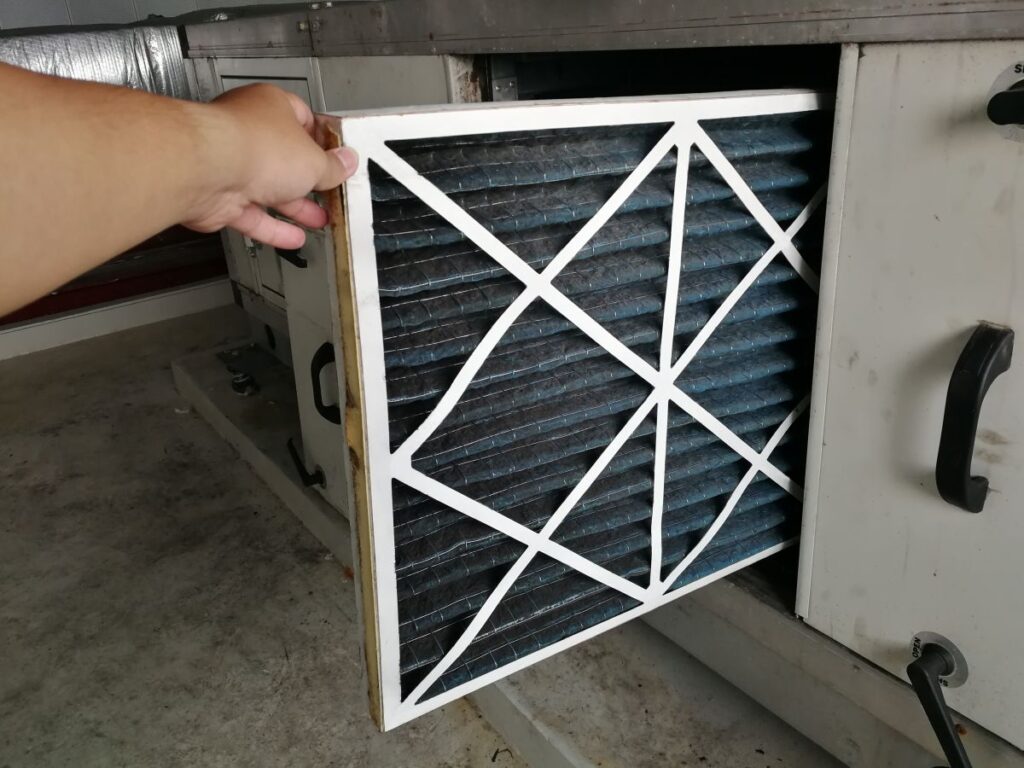
Even the best filter performs poorly when it is not maintained consistently. The quality of your air at any given time is as much a product of your maintenance habits as it is of the filter you selected in the first place. This is especially relevant in York and surrounding areas, where seasonal changes bring fluctuating dust loads, pollen counts, and humidity levels that affect how quickly filters become saturated.
How Often Should You Change Your Filter?
The general recommendation is to change standard 1-inch filters every 30 to 90 days, depending on conditions in your home. Several factors push that timeline toward the shorter end:
- Pets in the home add significant dander and hair to the filter load
- Running your system continuously during summer and winter puts filters under more stress
- Homes undergoing renovation generate elevated levels of construction dust
- Households with allergy or asthma sufferers benefit from more frequent changes to maintain peak performance
Thicker filters, such as 4-inch or 5-inch media filters, generally last three to six months before needing replacement because of their greater surface area.
Signs Your Filter Needs Attention Now
Do not wait for the calendar to tell you when to change your filter. Watch for these signs that your current filter is overdue:
- Visible gray or brown discoloration on the filter surface
- Reduced airflow from your vents or weaker output from the system
- Increased dust accumulation on furniture and surfaces
- A noticeable musty or stale odor when the system runs
Staying ahead of filter changes keeps your system running efficiently and your air noticeably cleaner between professional service visits.
Take the Guesswork Out of Air Filtration
Finding the right filter is not always as simple as grabbing whichever box is on the shelf. System compatibility, household needs, and maintenance habits all shape the results you get. When your family’s comfort and health are on the line, it is worth doing it right. Panther HVAC has helped homeowners throughout York and surrounding areas choose and maintain filtration systems that deliver genuinely cleaner air. Whether you need filter selection guidance, a system evaluation, or a maintenance plan, contact us today to get started.
