
 Schedule
  (803) 327-2700
 Commercial HVAC Systems: Types, Costs and What to Know
Keeping a commercial building comfortable is about far more than flipping a thermostat. Commercial HVAC systems are more complex, more expensive, and more critical to daily operations than the equipment most homeowners are used to, which is why understanding how the HVAC industry approaches these systems matters for anyone who owns or manages a business property. Whether you are planning a new build or trying to see what options make sense for your space, a little knowledge goes a long way toward avoiding costly surprises.
Here’s a quick look at what this guide will help you understand:
- The main types of commercial HVAC systems and how they differ
- What drives equipment, installation, and long-term operating costs
- How to decide between repairing, replacing, or upgrading equipment
- Answers to common questions property owners ask before making a decision
Why Building Owners Can’t Afford to Overlook HVAC Performance
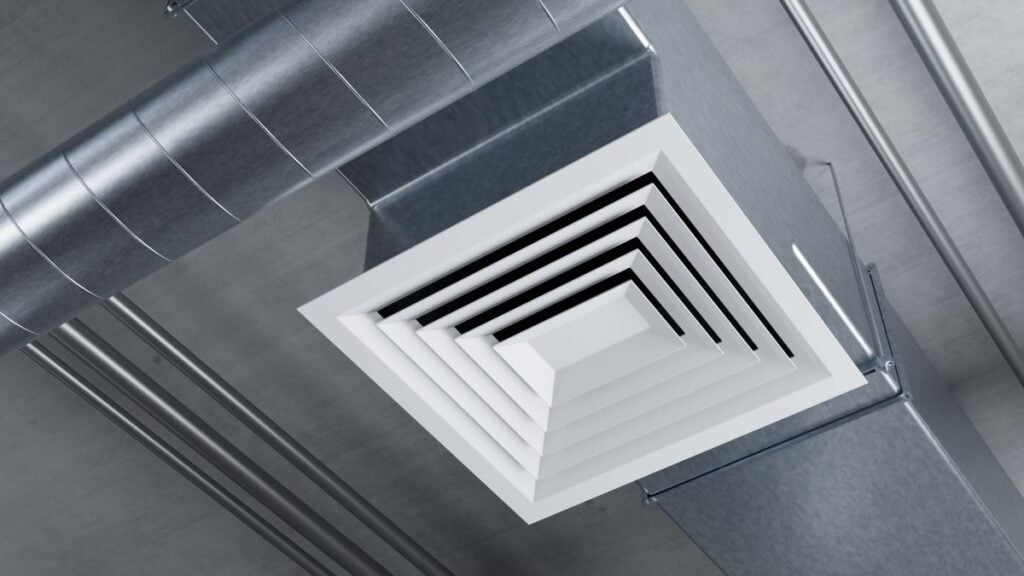
For commercial properties in Fort Mill and surrounding areas, HVAC performance plays a vital role in tenant comfort, employee productivity, and the bottom line. A system that struggles to keep up with a building’s demands does not just make people uncomfortable, it quietly drives up utility bills and shortens the lifespan of expensive equipment. Understanding the basics of modern heating and cooling technology helps owners make smarter decisions before problems become expensive.
- Lower operating costs: Properly sized systems built around energy efficiency use less power to deliver the same comfort level.
- Fewer disruptions: Reliable HVAC equipment means fewer unexpected shutdowns during business hours.
- Better indoor air quality: Commercial systems handle ventilation and humidity control for large occupant loads, which affects health and comfort.
- Stronger property value: Updated, energy efficient HVAC equipment is a selling point for buyers and tenants alike.
These benefits compound over time, especially in buildings that run HVAC equipment nearly around the clock. A property with an efficient, well-matched system tends to see fewer service calls, stronger overall performance, and a longer equipment lifespan.
6 Types of Commercial HVAC Systems to Consider
Not every commercial building needs the same kind of equipment. The right system depends on the size of the property, the number of zones that need independent temperature control, and the budget available for installation and upkeep. Below are the most common types found in commercial buildings around Fort Mill and surrounding areas.
1. Rooftop Packaged Units (RTUs)
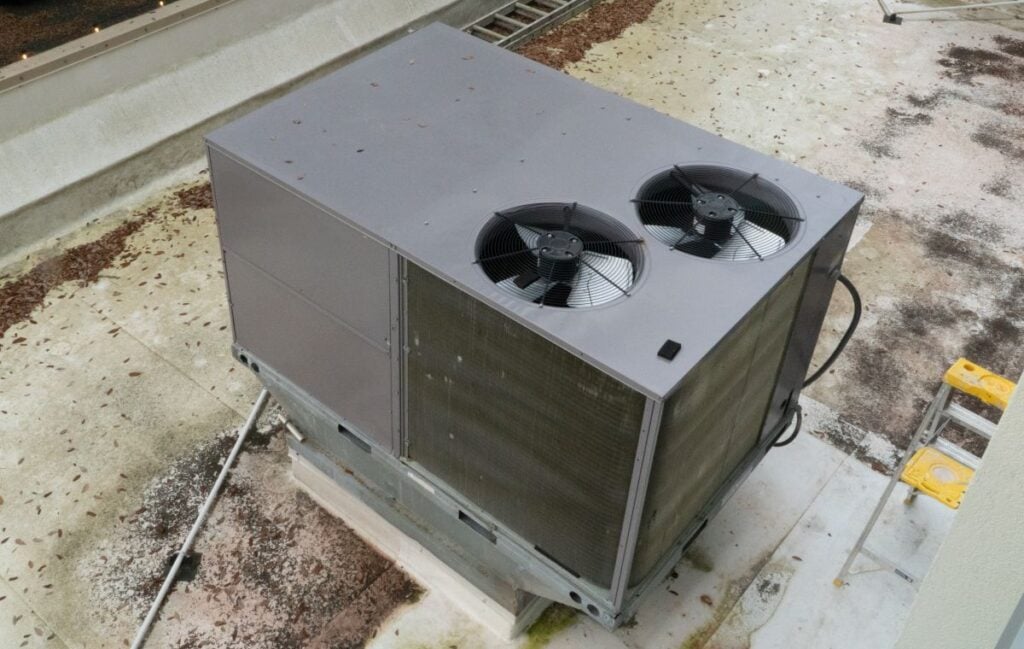
Rooftop units combine heating, cooling, and ventilation components into a single self-contained unit installed on a building’s roof, distributing conditioned air throughout the space below. They are one of the most popular choices for retail stores, restaurants, and office buildings because they save valuable interior space and are relatively straightforward to service.
- Common in single-story commercial buildings
- Easier maintenance access since technicians work from the roof
- Available in a wide range of sizes to match building demand
2. Split Systems
Split systems separate the indoor unit from the outdoor unit, similar to residential setups but scaled for commercial use. Single split systems pair one indoor unit with one outdoor unit, while multi split systems connect several indoor units to a single outdoor unit, making it possible to cool individual rooms or different rooms independently. These are often chosen for smaller offices or buildings where rooftop access is limited.
- Quieter operation indoors since the compressor sits outside
- Works well for buildings with limited roof space
- Typically more affordable upfront than larger centralized systems
3. Variable Refrigerant Flow (VRF) Systems
Also known as Variable Refrigerant Volume systems, VRF technology uses one outdoor unit connected to multiple indoor units, allowing simultaneous heating and cooling across multiple zones of a building at the same time. This advanced technology makes VRF a strong fit for properties with varying occupancy or usage patterns throughout the day, and it can meaningfully reduce energy consumption since it only conditions occupied spaces.
- Allows individual temperature control by zone or room
- Strong cooling capabilities paired with excellent efficiency
- Well suited for mixed-use buildings and multi-tenant properties
4. Chiller Systems
Chillers cool water or a refrigerant mixture that is then circulated through a building to provide cooling. They are most common in large buildings, data centers, server rooms, and other industrial facilities that require significant, consistent cooling capacity.
- Best for large square footage or high heat-load environments
- Can be paired with cooling towers for added efficiency
- Requires more specialized maintenance than smaller systems
5. Commercial Ductless Mini-Splits
Scaled-up versions of residential mini-split heat pumps, these units are a practical option for additions, renovated spaces, or buildings without existing ductwork. They work especially well in smaller commercial spaces or areas with unique heating and cooling needs that other systems can’t easily address.
- No ductwork required, which simplifies installation
- Good for supplementing existing systems in problem areas
- Flexible placement for uneven cooling or heating needs
6. Geothermal Commercial Systems
Geothermal systems use the stable temperature underground to heat and cool a building with less energy than traditional equipment, translating into meaningful energy savings over time. As environmental regulations tighten and more property owners adopt sustainable practices, geothermal has become an appealing option for reducing a building’s carbon footprint. While the upfront investment is higher, the long-term efficiency gains can be significant for buildings planning to operate for decades.
- Lower long-term energy costs compared to conventional systems
- Longer equipment lifespan than most traditional HVAC options
- Higher initial installation cost that pays off over time
Choosing among these options usually comes down to building size, layout, and how the space is used day to day. Proper design and a professional load calculation are the best way to match the right commercial HVAC system to the property’s actual needs.
Understanding the Real Cost of Commercial HVAC Systems
Commercial HVAC costs vary widely depending on building size, system type, and local labor rates, which makes it difficult to compare quotes without understanding what factors into the final price. Breaking the cost down into categories makes the numbers easier to evaluate.
- Equipment costs: The unit itself, including components like the air handler and evaporator coil, is usually the largest single expense, and pricing scales with capacity, efficiency rating, and the number of zones the system needs to support.
- Installation costs: Labor, ductwork modifications, electrical work, and permitting all factor into installation pricing, and older buildings sometimes require more extensive prep work.
- Maintenance and operating costs: Ongoing maintenance keeps systems running efficiently and helps avoid the higher repair bills that come from neglected equipment. Operational costs also add up over the life of the system, which is why efficiency ratings matter as much as the sticker price.
- Long-term return on investment: A higher upfront cost for a more energy efficient system often pays for itself through lower utility bills and fewer repairs over the years the equipment is in service.
Getting a clear, itemized quote before committing to a project helps property owners avoid unexpected costs down the line and makes it easier to compare options fairly.
Repair, Replace, or Upgrade: Making the Right Call
At some point, most commercial property owners and facility managers face a decision about whether to repair aging equipment, replace it outright, or upgrade to a more efficient system. The right answer depends on the age of the equipment, the frequency of repairs, and how much longer the building is expected to be in use.
| Consideration | Repair | Replace | Upgrade |
| Best for | Newer systems with a single issue | Systems near or past expected lifespan | Systems that work but run inefficiently |
| Typical cost | Lowest upfront cost | Higher upfront investment | Moderate to high upfront cost |
| Long-term value | Short-term fix only | Resets equipment lifespan | Improves efficiency without full replacement |
Property owners in Fort Mill and surrounding areas often find that a system requiring frequent repairs, rising energy bills, or inconsistent temperature control across the building is signaling that it’s time to consider replacement rather than another patch job. A qualified technician can help evaluate the equipment’s condition and recommend the option that makes the most financial sense long term.
Frequently Asked Questions About Commercial HVAC Systems
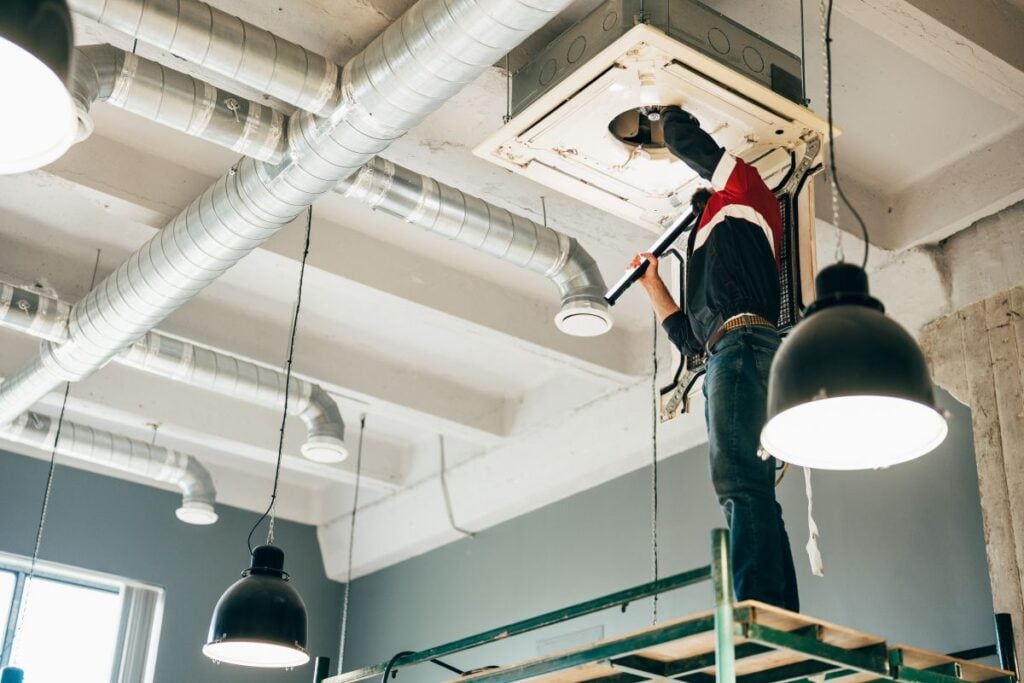
Property owners often have similar questions when it comes to planning, budgeting, or maintaining commercial HVAC equipment. Below are answers to some of the most common ones.
How long do commercial HVAC systems typically last?
Most commercial systems last between 15 and 20 years with regular maintenance, though this varies by system type, usage, and how well the equipment has been cared for over time.
How often should commercial HVAC systems be serviced?
Most manufacturers and technicians recommend at least two maintenance visits per year, typically before the cooling and heating seasons, to catch small issues before they become major repairs.
Can a commercial HVAC system be repaired instead of replaced?
In many cases, yes. Repairs make sense for newer systems with isolated issues, while older systems with recurring problems are often better candidates for replacement.
What size commercial HVAC system does a building need?
System size depends on square footage, ceiling height, occupancy, and building layout. A professional load calculation is the most reliable way to determine the ideal HVAC system for the property’s specific cooling requirements and temperature requirements throughout the year.
Are more efficient commercial HVAC systems worth the extra cost?
Higher efficiency systems typically cost more upfront but often pay for themselves over time through lower energy bills and fewer repair needs, especially in buildings that run HVAC equipment heavily.
These are just a few of the questions that come up during the planning process, and a qualified technician can walk through the specifics for any individual property.
Trust Panther HVAC With Your Commercial System
Commercial HVAC systems represent a major investment, and getting the right guidance from the start makes all the difference in maintaining comfort, energy efficiency, and long-term cost. From choosing the right type of system to understanding maintenance needs, having a knowledgeable team behind the decision takes the guesswork out of the process. Panther HVAC has helped property owners throughout the region evaluate, install, and maintain commercial systems that fit their buildings and their budgets. If you’re weighing your options or dealing with an aging system that needs attention, contact us today to talk through what makes sense for your property.
