
 Schedule
  (803) 327-2700
 8 Signs Of A Cracked Heat Exchanger You Should Not Ignore
Your furnace plays a critical role in keeping your home safe and comfortable during colder months. But when a cracked heat exchanger develops, it can pose serious risks to both your system and your household. This hidden issue may lead to carbon monoxide concerns, poor performance, and unexpected shutdowns. If you suspect a problem, it is important to understand the warning signs and know when to seek professional help, such as scheduling trusted furnace service for safety concerns.
In this guide, you will learn:
- What a heat exchanger does and why it matters
- 8 warning signs you should never ignore
- Common causes of heat exchanger damage
- Repair vs replacement considerations
- How to prevent future furnace issues
Why A Heat Exchanger Is So Important To Your Furnace
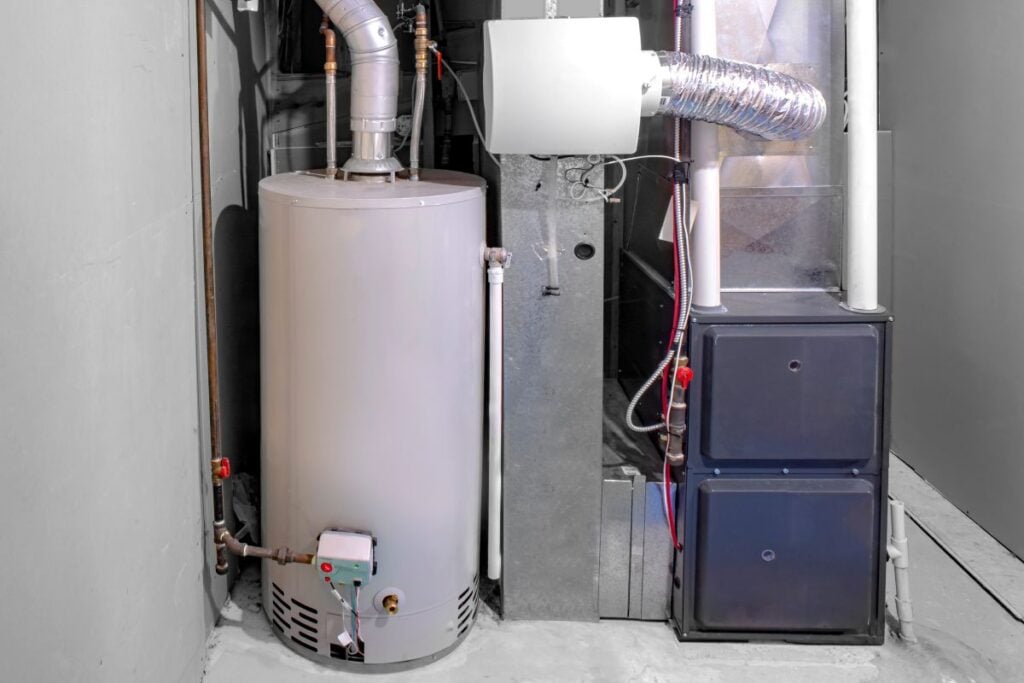
The heat exchanger is one of the most essential components inside your furnace. It separates combustion gases from the air that circulates through your home. When functioning properly, it safely transfers heat without allowing harmful gases to mix with indoor air.
For homeowners in Clover, SC and surrounding areas, where heating systems run consistently during winter months, maintaining a safe and reliable furnace is a top priority.
A healthy heat exchanger provides:
- Safe Operation: Keeps combustion gases sealed away from breathable air.
- Efficient Heating: Transfers heat effectively for consistent indoor comfort.
- System Longevity: Supports proper airflow and combustion balance.
- Carbon Monoxide Protection: Prevents dangerous gas leaks into living spaces.
- Reliable Performance: Reduces unexpected shutdowns during peak heating season.
Because this component is hidden inside the furnace cabinet, cracks often go unnoticed until symptoms appear.
8 Signs Of A Cracked Heat Exchanger
Identifying early warning signs can protect your family and prevent more extensive system damage. Below are eight indicators that may suggest heat exchanger failure.
1. Strong Chemical Or Metallic Odor
If you notice an unusual smell when the furnace runs, especially one that resembles formaldehyde or hot metal, it could indicate internal damage.
A crack may allow combustion byproducts to escape, producing noticeable odors. These smells should not be ignored, particularly if they intensify over time.
2. Visible Cracks Or Corrosion
During routine maintenance, technicians may spot visible cracks, rust, or separation in the metal heat exchanger.
Warning signs include:
- Flaking metal surfaces
- Excessive rust buildup
- Warped or split seams
Although homeowners rarely inspect this component directly, annual maintenance checks are critical for identifying these issues early.
3. Carbon Monoxide Alarm Activation
One of the most serious signs of heat exchanger damage is a triggered carbon monoxide detector.
Carbon monoxide is colorless and odorless, making detection devices essential. If your alarm sounds:
- Leave the home immediately
- Contact emergency services
- Avoid restarting the furnace
For families in Clover, SC and surrounding areas, working carbon monoxide detectors are a vital safety measure during heating season.
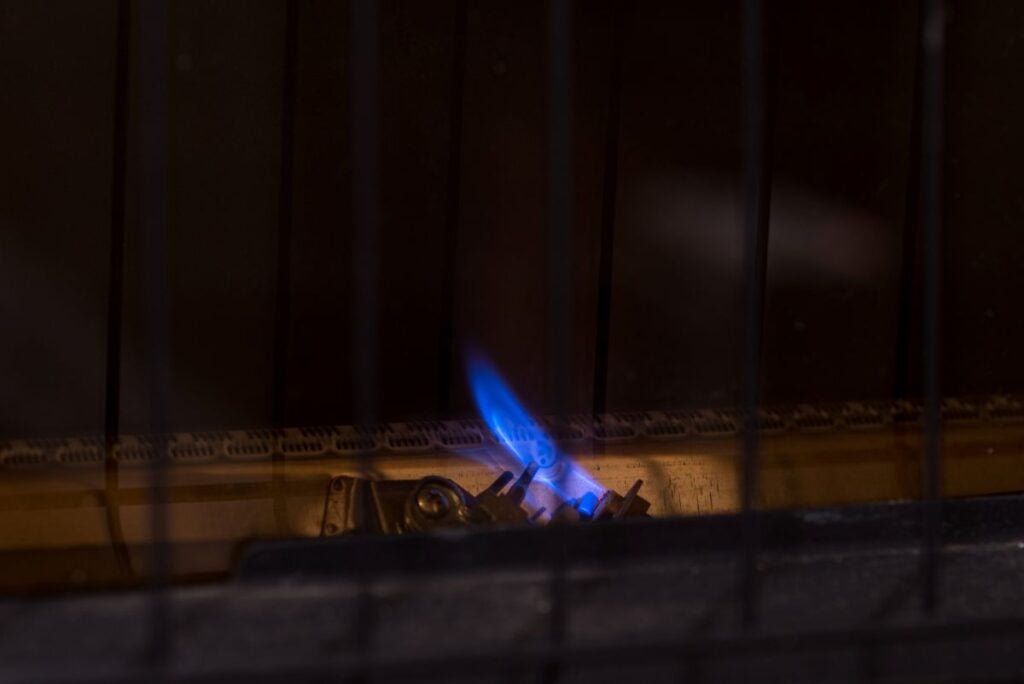
4. Unusual Furnace Flame Behavior
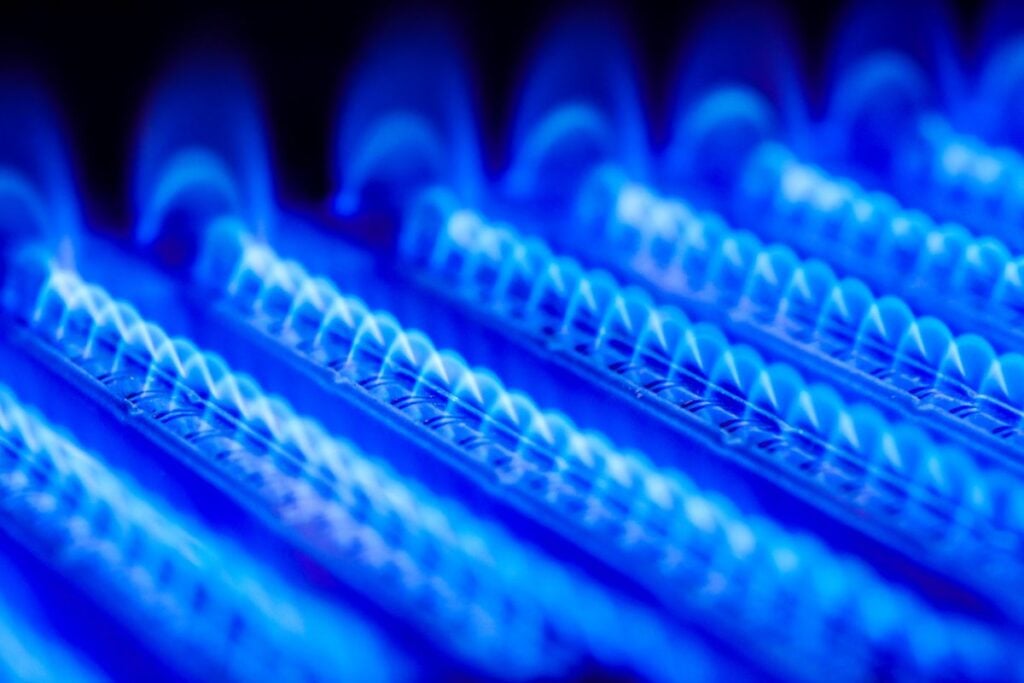
A properly functioning furnace produces a steady blue flame.
If you observe:
- Flickering flames
- Yellow or irregular flame color
- Flame rollout or movement
It may indicate combustion imbalance linked to a compromised heat exchanger.
5. Excessive Soot Buildup
Soot accumulation inside the furnace cabinet can signal incomplete combustion.
Incomplete combustion may occur when cracks disrupt airflow and pressure balance inside the system.
Soot presence often accompanies:
- Reduced heating efficiency
- Increased fuel consumption
- Unstable furnace cycling
Professional evaluation is recommended if soot is detected.
6. Frequent System Cycling
Short cycling occurs when the furnace turns on and off repeatedly without completing a full heating cycle.
This may result from:
- Overheating due to restricted airflow
- Safety sensors detecting irregular combustion
- Structural damage affecting heat transfer
Repeated cycling increases wear on components and should be investigated.
7. Physical Symptoms In Household Members
Although less common, physical symptoms can accompany carbon monoxide exposure from a damaged heat exchanger.
Watch for:
- Headaches
- Dizziness
- Nausea
- Fatigue
If multiple family members experience symptoms simultaneously when the furnace operates, seek immediate professional assistance.
8. Age Of The Furnace
Older furnaces are more susceptible to metal fatigue and corrosion.
If your system is over 15 years old, the risk of heat exchanger deterioration increases, especially if maintenance has been inconsistent.
For homeowners in Clover, SC and surrounding areas, older equipment should be inspected regularly to prevent safety hazards.
What Causes A Heat Exchanger To Crack
Heat exchanger damage rarely happens overnight. It typically results from gradual wear combined with operational stress.
Metal Fatigue From Repeated Heating And Cooling
Every time your furnace cycles, the heat exchanger expands and contracts.
Over time, this repeated stress can:
- Weaken metal surfaces
- Cause hairline fractures
- Lead to structural failure
Consistent maintenance helps identify early signs of fatigue.
Restricted Airflow
When airflow is blocked due to dirty filters or closed vents, internal temperatures rise.
Excessive heat buildup can:
- Warp metal surfaces
- Increase expansion stress
- Accelerate cracking
Changing filters regularly reduces this risk.
Oversized Furnace
An oversized furnace heats your home too quickly and cycles frequently.
Frequent cycling increases expansion and contraction cycles, contributing to premature wear.
Proper system sizing is essential for long term durability.
Corrosion And Rust
Moisture inside the furnace cabinet can accelerate rust formation.
Corrosion weakens structural integrity and increases the likelihood of cracks forming.
Maintaining proper humidity levels inside your home helps minimize moisture related damage.
Repair Or Replace: What Are Your Options?
When a crack is confirmed, homeowners often ask whether repair is possible.
In most cases, replacing the heat exchanger is not recommended due to cost and safety concerns. Labor intensive disassembly and potential future risk often make full furnace replacement the safer choice.
Below is a general comparison:
Minor Surface Corrosion:
- May require monitoring
- No immediate replacement
Confirmed Crack:
- Replacement typically recommended
- Safety priority
Older Furnace With Crack:
- Full system replacement advised
- Improved efficiency and reliability
Professional assessment determines the safest course of action.
Preventing Future Heat Exchanger Damage
While no component lasts forever, preventive maintenance reduces the likelihood of premature failure.
Schedule Annual Inspections
Routine inspections allow technicians to:
- Examine internal components
- Identify corrosion early
- Test combustion efficiency
Annual service is especially important in Clover, SC and surrounding areas where winter heating demand increases system strain.
Maintain Proper Airflow
Keep vents open and unobstructed. Replace air filters according to manufacturer recommendations.
Good airflow prevents overheating and reduces stress on metal components.
Install Carbon Monoxide Detectors
Even if your furnace is operating normally, detectors provide an additional layer of protection.
Place detectors:
- Near sleeping areas
- On each level of the home
- Near the furnace room
These devices offer critical early warning in the event of gas leaks.
Consider System Upgrades
If your furnace is aging and showing signs of wear, upgrading to a modern high efficiency model can improve safety and performance.
Newer systems offer:
- Enhanced combustion controls
- Improved heat exchanger design
- Greater overall efficiency
Investing in updated equipment can reduce long term risk.
Protect Your Home From Furnace Safety Risks
A cracked heat exchanger is not a problem to postpone. Because this component directly affects combustion safety, early detection and professional evaluation are essential. From unusual smells to carbon monoxide alarms, the warning signs should always be taken seriously.
If you suspect an issue or have concerns about furnace performance, the experienced team at Panther HVAC is ready to help. For trusted heating service in Clover, SC and surrounding areas, contact us today to schedule an inspection and ensure your home stays safe and comfortable with Panther HVAC.
