
 Schedule
  (803) 327-2700
 Dehumidifier vs Air Purifier: Which Does Your Home Actually Need?
If your home feels stuffy, smells musty, or leaves you sneezing more than usual, it can be hard to know which appliance will actually solve the problem. The dehumidifier vs air purifier question comes up constantly, since both air purifiers and dehumidifiers get marketed as solutions for a healthier indoor environment, and choosing the wrong one means spending money without fixing the indoor air pollutants or moisture that is actually bothering you. This guide breaks down what each device does, when you need one, the other, or both, along with a closer look at what might be affecting the air inside your home.
What you’ll learn:
- The core difference between what a dehumidifier and an air purifier actually do
- Why choosing the right one matters for comfort and health
- How to identify which problem you are actually dealing with
- Whether your home might benefit from running both together
Why Choosing the Right Device Matters
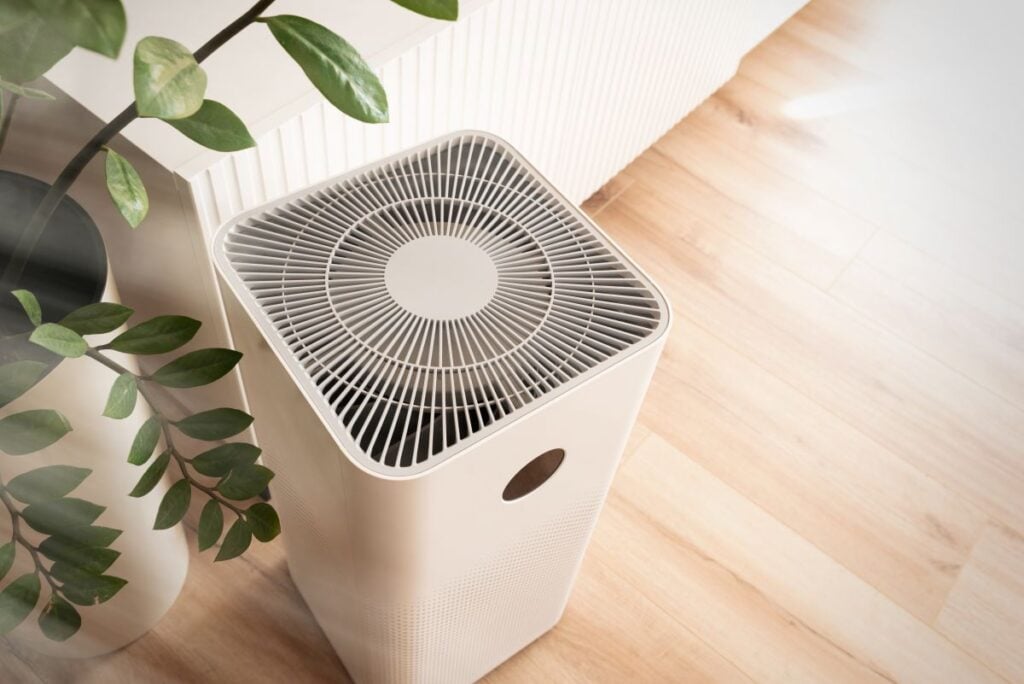
Homeowners often assume dehumidifiers and air purifiers solve the same basic problem, but they are designed to address two very different issues entirely. A dehumidifier removes excess moisture from the air, while an air purifier removes particles like dust, dust mites, pollen, and other airborne allergens. Buying the wrong one for your situation means the underlying issue, whether it is humidity or airborne pollutants, continues unaddressed while you spend money on equipment that was never designed to fix it. For homeowners in Tega Cay and surrounding areas, where humidity levels can climb significantly during the warmer months, understanding this distinction helps you invest in the right solution the first time.
- Targeted problem solving: Knowing which issue you actually have prevents wasted money on the wrong appliance.
- Better indoor comfort: The right device addresses the specific cause of stuffiness, mustiness, or stale air in your home.
- Improved respiratory health: Excess humidity and airborne particles each contribute to different health concerns, including worsened asthma symptoms, so matching the solution to the problem matters for your overall well being.
- Protection for your home: Unmanaged moisture can lead to mold growth and structural damage that a purifier alone cannot prevent.
Understanding these benefits makes it easier to see why the two devices are not interchangeable, even though they often get lumped together in conversations about indoor air quality. From there, it helps to break down exactly what each one does and how to tell which problem you are facing, since the symptoms in your home usually point clearly toward one issue or the other.
4 Ways to Tell Which Problem You Actually Have
Figuring out whether you need an air purifier or dehumidifier, or both, starts with paying attention to the specific symptoms showing up in your home. Each of the signs below points more clearly toward a moisture issue or an air quality issue, which makes the decision much easier once you know what to look for, rather than guessing based on which appliance happens to be on sale.
1. Musty Odors and Visible Moisture
A persistent musty smell, condensation on windows, or a damp feeling in certain rooms almost always points to excessive moisture and high humidity rather than airborne particles. This is one of the clearest signs that a dehumidifier, not an air purifier, is the device you actually need, since dehumidifiers remove moisture directly from the air rather than filtering it.
- Musty odors are often linked to mold or mildew growth fueled by moisture
- Condensation on windows or pipes is a strong humidity indicator
- Basements and bathrooms are especially prone to this issue, and elevated indoor humidity levels also encourage dust mite proliferation
2. Sneezing, Congestion, or Allergy Flare Ups
If you or family members experience frequent sneezing, congestion, or worsened allergy and asthma symptoms indoors, airborne particles like dust, dust mites, pet dander, or pollen are the more likely culprit. An air purifier is designed specifically to remove airborne particles and improve the air you are actually breathing, which can meaningfully support respiratory health over time.
- Symptoms that improve when you leave the house often point to indoor air pollutants
- Pet owners and allergy sufferers tend to notice this pattern most clearly, since dust mites and dander are common triggers that can trigger allergies indoors
- Seasonal pollen can make symptoms worse even with windows closed
3. Visible Mold Growth
Mold spots on walls, ceilings, or in closets are a direct sign of excess moisture in the environment, and this is squarely a dehumidifier issue. While an air purifier can help capture some airborne mold spores, it does nothing to address the moisture that is allowing the mold to grow in the first place.
- Mold typically appears in poorly ventilated or consistently humid areas
- Addressing the moisture source is necessary to prevent mold from returning
- Large mold infestations may require professional remediation alongside dehumidification
4. Persistent Odors Without Moisture
If your home has lingering odors from cooking, smoke, or pets, but no signs of dampness or condensation, an air purifier is generally the better fit. These devices are built to capture smoke particles and filter out volatile organic compounds and odors circulating through the air rather than address moisture levels, often with the help of carbon filters working alongside a mechanical filter.
- Odors that persist regardless of humidity levels usually point to airborne particles or volatile organic compounds
- Homes with pets or frequent cooking often benefit most from this type of filtration
- Wildfire smoke and cooking odors are common triggers for air purifier use
Working through these four scenarios usually makes it clear which device matches your actual situation. In many homes, though, both humidity and air quality issues show up at the same time, so understanding the mechanics behind each device becomes just as important as identifying the symptoms in the first place.
What Each Device Actually Does
Beyond identifying your symptoms, it helps to understand the mechanics behind each device, since that explains why they cannot substitute for one another. Knowing how each one works also helps you choose the right size and type for your specific space rather than relying on a one size fits all product from a big box store.
- Dehumidifiers work by pulling moisture from the air: Most draw air across a cooled coil that condenses moisture out of it, collecting the water in a tank or draining it away, while a desiccant dehumidifier uses an absorbent material instead and can perform well even in cooler spaces.
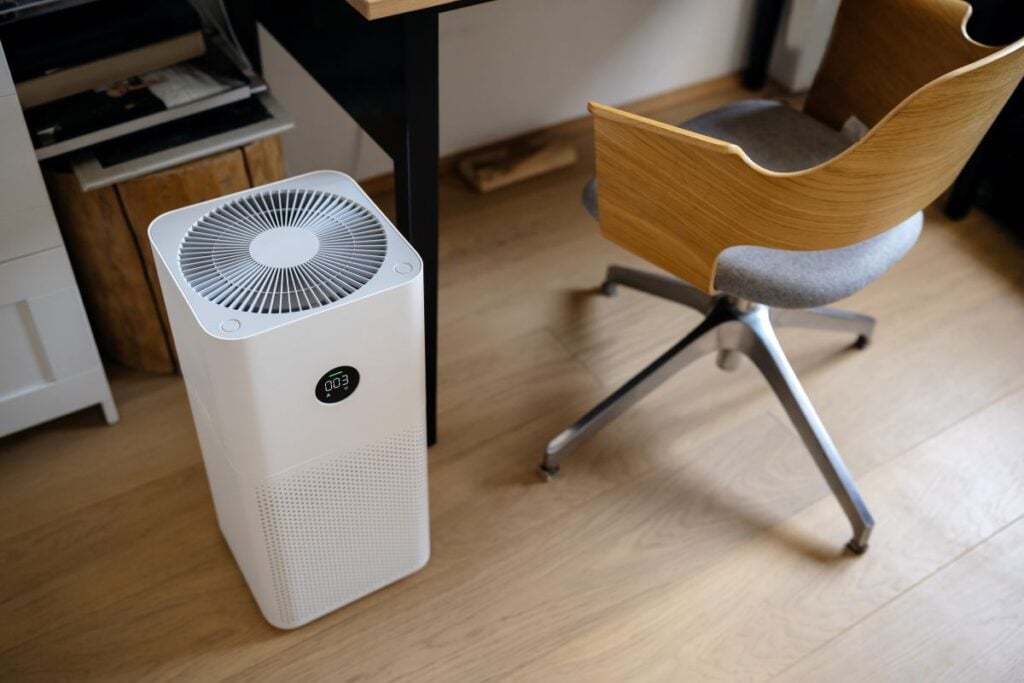
- Air purifiers filter particles from the air: Most rely on a mechanical filter such as HEPA to trap dust, pollen, pet dander, and other particles, often paired with carbon filters to help capture volatile organic compounds and odors.
- Dehumidifiers target relative humidity: Ideal indoor humidity generally falls between 30 and 50 percent, a range often cited by the Environmental Protection Agency, and a dehumidifier is the tool built to maintain it.
- Air purifiers target particle count: These devices are rated by how effectively they capture particles of different sizes, with HEPA filters capturing the smallest and most problematic particles.
Neither device generates fresh air or introduces oxygen from outside, which is a common misconception among homeowners shopping for one for the first time. Both simply process the air already inside your home, removing either moisture or particles depending on which one you are using, and understanding this main difference is exactly why matching the device to the actual problem makes such a difference in results.
Whole Home Solutions vs. Standalone Units
For homeowners dealing with widespread humidity or air quality issues throughout their home, it is worth understanding how whole home systems compare to the standalone units sold at most retailers. Each option comes with different tradeoffs in coverage, cost, and convenience, and the right choice often depends on how widespread the problem actually is.
| Consideration | Standalone Unit | Whole Home System |
| Coverage area | Single room or small area | Entire home through the HVAC system |
| Installation | Plug in and use | Professionally installed, connected directly to your air conditioner and ductwork |
| Maintenance | Manual tank emptying or filter changes | Integrated with regular HVAC maintenance |
| Best for | Isolated problem areas like a basement | Homes with humidity or air quality issues throughout |
| Upfront cost | Lower per unit | Higher, but covers the whole home at once |
Homeowners throughout Tega Cay and surrounding areas dealing with humidity or air quality concerns across multiple rooms often find that a whole home system offers more consistent results than managing several standalone units scattered from room to room. Some standalone products are even sold as a combo unit that runs both an air purifier and a dehumidifier in one device, often with an auto mode that adjusts operation based on current conditions, though a whole home setup still tends to offer more consistent coverage for a large space. For a single problem area, a standalone dehumidifier or air purifier is often the more practical and affordable choice, at least until the issue spreads or worsens over time.
Let Panther HVAC Help You Breathe Easier
Whether your home needs a dehumidifier, an air purifier, or a combination of both, getting the right solution starts with correctly identifying the problem you are actually facing. Guessing wrong means spending money without solving the musty odors, allergy symptoms, or mold growth that prompted you to look for help in the first place, and it often means starting the search all over again a few months later. At Panther HVAC, we help homeowners throughout Tega Cay and surrounding areas evaluate their indoor environment and recommend the right combination of equipment for improving air quality in their specific home.
If you are not sure whether your home needs a dehumidifier, an air purifier, or both, do not keep guessing. Contact us today and let our team help you find the right solution for cleaner air and better overall well being, so you can stop cycling through appliances that were never designed to fix what is actually going on in your home.
