
 Schedule
  (803) 327-2700
 Do UV Lights Kill Mold? (5 Best Options for Your Home)
Mold in your HVAC system is one of those problems that hides in plain sight, circulating through your home every time the system runs. If you have been researching solutions, you have probably come across ultraviolet light technology and started wondering: do UV lights kill mold well enough to make a real difference? The short answer is yes, but the longer answer depends on which type you choose and where you install it. For homeowners who want a deeper look at the bigger picture, exploring how your home’s air supply affects overall wellness is a great starting point.
What You’ll Learn:
- How UV light technology actually works against mold and other biological threats
- Why your HVAC system is a prime environment for mold growth
- The five best UV light options for residential use
- What UV lights can and cannot do on their own
- How to pair UV technology with other strategies for the best results
- When to call a professional for installation and assessment
How UV Light Technology Actually Works Against Mold
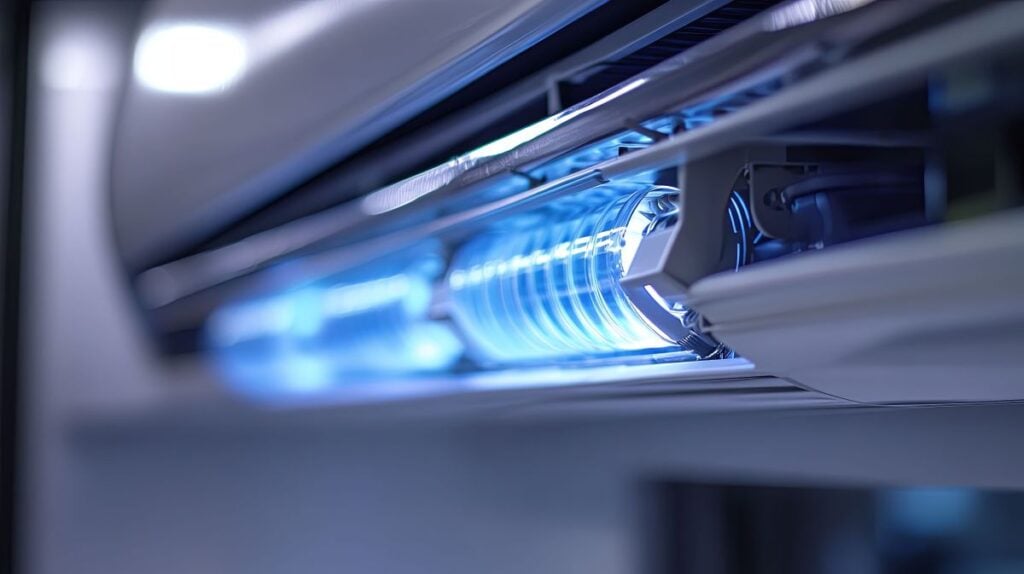
Before investing in any UV light system, it helps to understand the science behind it. Ultraviolet light is a form of electromagnetic radiation that sits just beyond the visible spectrum, operating at short wavelengths the human eye cannot detect. UV-C light, specifically in the 200 to 280 nanometer range, works by penetrating the cell walls of small organisms and disrupting their DNA. When mold spores are exposed to a sufficient dose of UV-C radiation, the damage to their mold cells prevents reproduction, effectively rendering them harmless.
This is not a new concept. Hospitals, laboratories, and water treatment facilities have relied on UV-C technology for decades to control biological contamination, kill bacteria, and eliminate germs without harsh chemicals. Bringing that same principle into a residential HVAC system gives homeowners a powerful tool for improving indoor air quality. There are a few important distinctions worth understanding before choosing a product.
- Germicidal Effectiveness: UV-C light at the right intensity can neutralize mold spores, bacteria, viruses, and volatile organic compounds when the necessary dwell time is met. Dwell time, meaning how long the air or surface is exposed to the lamp, is just as important as intensity.
- Surface vs. Airborne Treatment: Some UV lights are designed to treat surfaces like the evaporator coil and drain pan, while others are installed in the airstream to treat passing air. Both approaches serve different but complementary purposes.
- Dose Matters: Effectiveness depends on the intensity of the light and the duration of exposure. A low-powered bulb in the wrong position will produce underwhelming results regardless of the technology.
- Not a Standalone Cure: UV lights reduce mold growth and deactivate spores, but they do not remove existing mold colonies or replace the need for regular HVAC maintenance and cleaning.
Understanding these fundamentals helps you set realistic expectations and choose the right product for your situation.
5 Best UV Light Options for Your Home
Not all UV light systems are created equal, and the right choice depends on your home’s layout, HVAC configuration, and specific air quality concerns. Here are the five best options available to homeowners in Rock Hill, SC and surrounding areas, ranging from entry-level to premium solutions.
1. Single-Lamp Coil Sterilization Lights
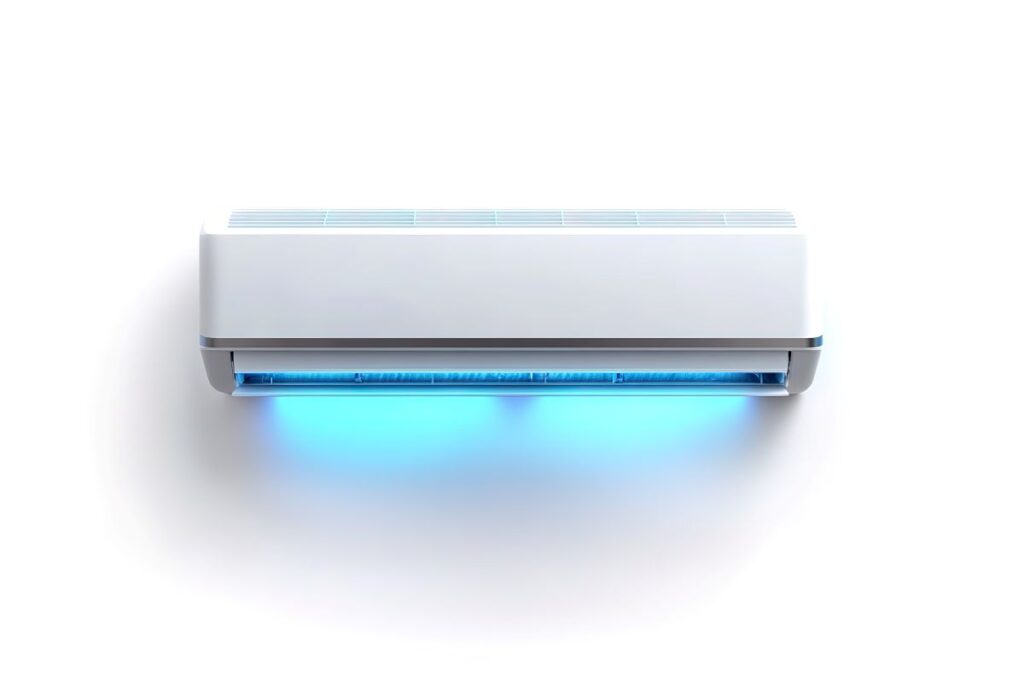
This is the most common and affordable entry point into UV air treatment. A single UV-C lamp is mounted in the air handler, positioned to shine continuously on the evaporator coil and drain pan. These cooling coils and drain pans are the areas most prone to mold buildup because they stay wet surfaces for much of the cooling season, giving mold and mildew the moisture they need to take hold.
- Ideal for homeowners dealing with recurring mold on the evaporator coil
- Runs continuously, providing around-the-clock surface treatment
- Typically the easiest and least expensive professional installation option
- Best suited for smaller homes or systems where coil contamination is the primary concern
2. Dual-Lamp Coil Sterilization Systems
A step up from the single-lamp version, dual-lamp systems use two UV-C bulbs positioned on opposite sides of the evaporator coil for more complete coverage. This eliminates shadowing, a common limitation with single-lamp setups where one side of the coil receives less UV exposure than the other.
- Provides more uniform surface treatment across the entire coil surface
- Recommended for larger air handlers or wider coil configurations
- Reduces the risk of mold persisting in low-exposure zones
- A practical upgrade for homeowners who have tried single-lamp systems without fully satisfying results
3. In-Duct Airstream Purifiers
Rather than treating a fixed surface, in-duct airstream purifiers are installed inside the return air duct and treat the air as it flows through. Every cubic foot of air that passes the UV lamps receives a dose of UVC light, targeting airborne contaminants including mold spores, bacteria, fungus, and mildew before they reach the evaporator coil or the living space. The ability to kill bacteria and neutralize biological matter mid-flight makes this one of the most effective options for homes where air quality is a top priority.
- Particularly effective for homes with high air change rates or allergy-sensitive occupants
- Works in tandem with coil-mounted lights for a comprehensive two-stage approach
- Some models include activated carbon filters for additional odor and VOC control
- Well suited for two-story homes in Rock Hill, SC and surrounding areas where air circulation across multiple zones creates more opportunities for airborne contamination
4. UV-C Plus PCO (Photocatalytic Oxidation) Systems
These advanced systems combine UV-C light with a titanium dioxide-coated catalyst to produce a photocatalytic oxidation reaction. The result is a more aggressive treatment that generates oxidizing molecules capable of neutralizing mold, bacteria, and chemical pollutants that standard UV-C light alone cannot fully address.
- Targets a broader spectrum of contaminants including odors and chemical pollutants
- Effective against mold species that may have some resistance to UV-C exposure alone
- Typically installed in the supply plenum or main duct trunk for maximum coverage
- Recommended for homes with documented air quality issues or in areas with high ambient humidity
5. Whole-Home UV Air Purification Systems
At the top of the range are integrated whole-home systems that combine UV-C lamps, PCO technology, and advanced filtration into a single unit installed directly into the HVAC system. These represent the most comprehensive mold and air quality solution available for residential use.
- Engineered to address airborne and surface biological contaminants simultaneously
- Often includes real-time monitoring and filter replacement indicators
- Pairs well with a high-MERV filtration upgrade for a layered defense strategy
- The preferred choice for households with immunocompromised members, chronic respiratory conditions, or a history of persistent mold problems in Rock Hill, SC and surrounding areas
Each of these options has a specific application, and the right fit depends on your home’s needs. A professional assessment is the most reliable way to determine which system will deliver the results you need.
What UV Lights Cannot Do on Their Own
UV light technology is genuinely effective, but it is important to be clear about its limitations so you can build a strategy that actually works. One of the most common misconceptions is that installing a UV light system means mold problems are solved for good. That is not quite the full picture.
UV Light Does Not Remove Existing Mold
If mold has already colonized your ductwork, coil, or drain pan, a UV light will not make it disappear. UV-C radiation is highly effective at deactivating living spores and preventing new growth on exposed surfaces, but eliminating mold that has already embedded itself into a porous surface requires physical removal. Existing mold colonies, particularly those that have worked into insulation, duct lining, or other absorptive materials, still need to be cleaned out by a professional before the UV light can effectively kill mold going forward and do its best preventive work.
Shadowed Areas Remain Vulnerable
UV light travels in straight lines, which means any surface that is not directly in the lamp’s line of sight receives no treatment at all. Inside an air handler or duct system, there are dozens of angles, bends, and components that can create shadows. This is why professional placement and, in some cases, multiple lamps are critical to a successful installation. It is also worth noting that the same short wavelength frequencies and UV rays that make UV-C so effective at killing mold are harmful to human skin and eyes with direct exposure, which is another reason installation should always be handled by a trained technician rather than as a DIY project.
It Does Not Replace Filtration
UV lights target biological contaminants but do nothing about dust, particulate matter, pollen, or pet dander. A comprehensive air quality strategy pairs UV treatment with an appropriately rated air filter to address the full range of airborne pollutants. Relying solely on UV technology leaves gaps that other contaminants will fill.
Knowing these limitations is not a reason to avoid UV technology. It is a reason to use it correctly, as part of a broader approach to home air quality rather than a single silver-bullet solution. When installed properly and paired with regular maintenance, UV lights are a highly effective layer in any home’s defense against mold and airborne contaminants.
Pairing UV Lights With the Right HVAC Habits
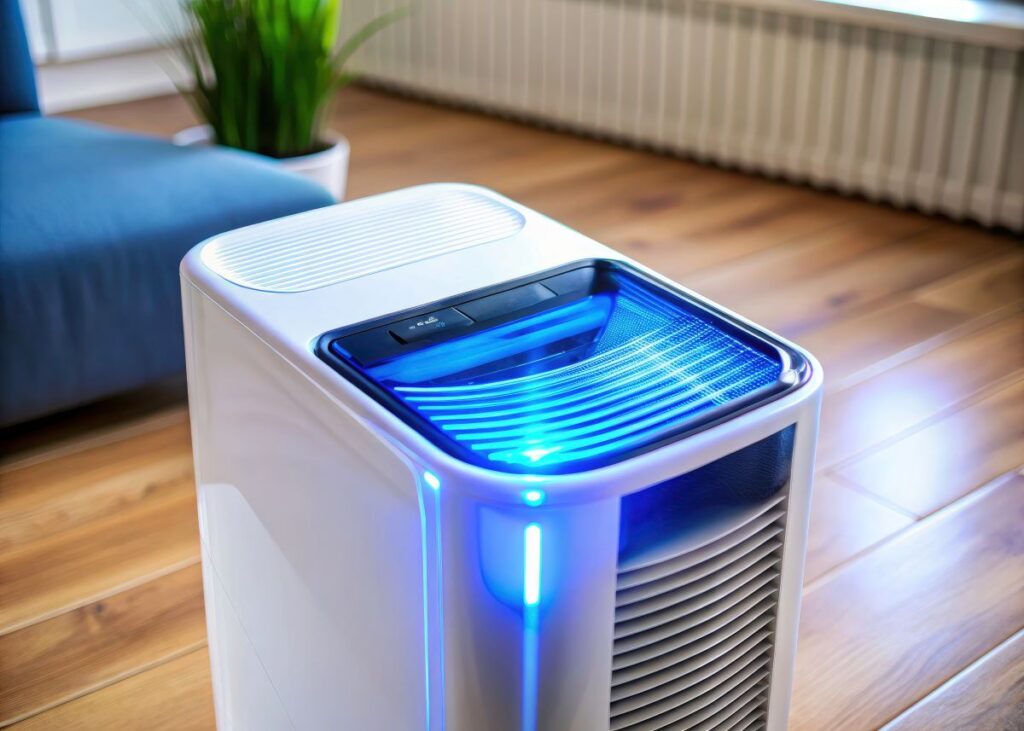
Even the best UV light system delivers better results when supported by consistent HVAC maintenance. The two work together in ways that significantly multiply the benefit to your home and your family’s health.
Homeowners throughout Rock Hill, SC and surrounding areas who invest in UV air treatment get the most value from it when they maintain a clean, well-serviced HVAC system alongside it. Here is how to make sure you are getting full value from your investment.
Keep Filters Fresh and Properly Rated
A clogged or low-quality filter allows more particulate and biological matter to reach the evaporator coil and duct surfaces, giving mold more organic material to feed on. Upgrading to a MERV-8 or higher filter and replacing it on schedule creates a cleaner environment for your UV lamps to operate in.
Schedule Annual HVAC Inspections
A professional inspection catches early signs of coil contamination, drain pan buildup, and duct moisture before they develop into a full mold problem. When your technician knows you have a UV light installed, they can also check the lamp for reduced output and verify that it is positioned correctly for optimal coverage.
Control Indoor Humidity
UV light is most effective when it is not fighting an overwhelming moisture load. Excess moisture inside your HVAC unit is one of the primary drivers of mold growth, and it can also lead to health problems for household members who are regularly breathing contaminated air. Keeping indoor humidity between 30 and 50 percent removes one of the core ingredients mold needs to thrive. A whole-home dehumidifier or a properly sized and calibrated HVAC system goes a long way toward maintaining those levels consistently.
Pair With Duct Cleaning When Needed
If your ducts have not been cleaned in several years, scheduling a professional cleaning before or alongside your UV light installation gives the system the cleanest possible starting point. Removing accumulated dust, debris, and organic matter from the ductwork means the UV light is maintaining a clean system rather than managing an already contaminated one.
Your Home Deserves Clean Air From Every Vent
Mold in your HVAC system is a problem that does not solve itself, but it is also not one you have to live with. UV light technology offers homeowners a proven, chemical-free way to reduce mold growth, deactivate airborne spores, and improve the quality of the air their family breathes every day. Whether you start with a basic coil sterilization lamp or invest in a whole-home UV purification system, the key is choosing the right option and pairing it with the professional support needed to make it work.
Panther HVAC is ready to help you evaluate your home’s air quality, recommend the right UV solution for your system, and handle the installation with the care and expertise your family deserves. Do not wait for the problem to get worse. Contact us today and take the first step toward cleaner, healthier air in every room.
