
 Schedule
  (803) 327-2700
 Ductwork Repair: 7 Signs You Need It and What It Costs
Most homeowners never think about the ductwork running through their attic or crawl space until comfort or energy bills start to slip. Ductwork repair often gets overlooked because the problem is hidden behind walls and ceilings, but leaks and damage in the duct system can quietly waste conditioned air for years. For anyone in York and surrounding areas noticing rooms that never feel quite right no matter how the thermostat is set, taking a closer look at what’s moving air through the home is often the missing piece of the puzzle.
Here’s a short summary of what this guide covers:
- The most common warning signs that ductwork needs repair
- What typically drives the overall cost of a repair
- How sealing compares to full duct replacement
- Answers to common questions about fixing damaged ducts
Why Ductwork Condition Affects the Whole System
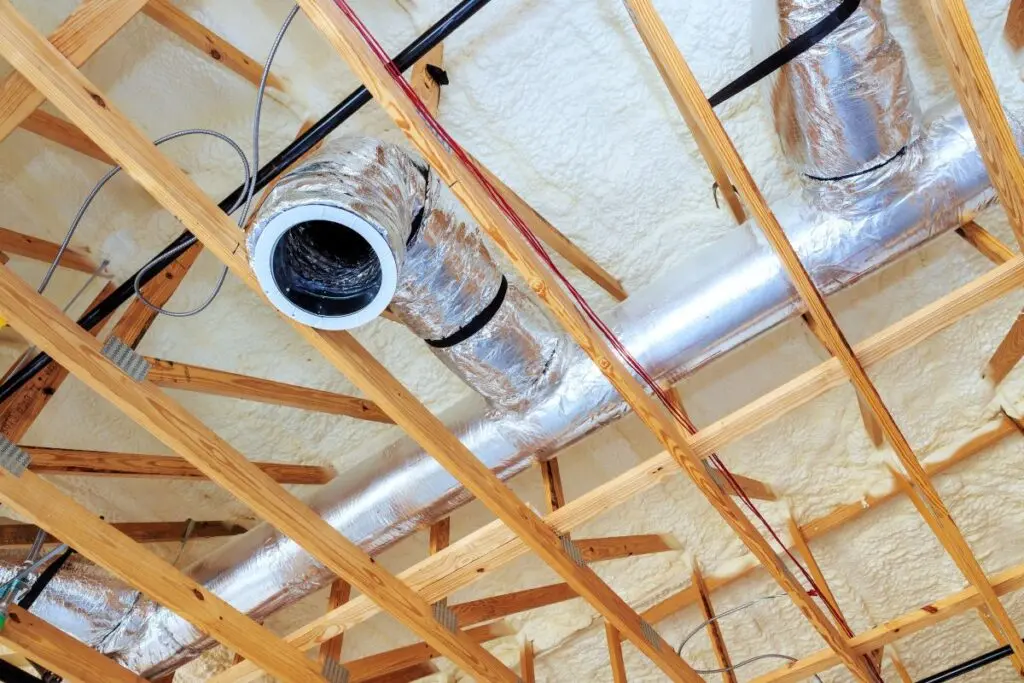
For homeowners in York and surrounding areas, ductwork often gets far less attention than the furnace or air conditioner, even though it plays an equally important role in comfort. Damaged or leaky ducts can undo the work of an otherwise well-functioning HVAC system, wasting conditioned air before it ever reaches the rooms that need it. In fact, leaky ducts can waste as much as 30 percent of the conditioned air moving through a home’s air duct system before it ever reaches the living spaces that need it. Reviewing common indicators of ductwork trouble can help homeowners catch these issues before they lead to bigger problems.
- Lower energy bills: Sealing leaks means less conditioned air escapes into attics, crawl spaces, or walls.
- More consistent comfort: Properly sealed ductwork helps eliminate the hot and cold spots that show up in specific rooms.
- Better indoor air quality: Damaged ducts can pull in dust, allergens, and contaminants from unconditioned spaces.
- Extended system life: Reducing strain on the HVAC system by fixing airflow issues can help equipment last longer.
These benefits often go unnoticed until a repair is made, at which point many homeowners are surprised by how much of a difference properly sealed ductwork can make. Addressing small issues early is almost always less expensive than waiting for them to worsen into a larger, more costly repair.
7 Signs You Need Ductwork Repair
Ductwork problems tend to develop gradually, which makes them easy to overlook until the effects become noticeable throughout the home. Below are the most common warning signs that point to a repair need, ranging from subtle comfort issues to more obvious physical damage. Recognizing these early can help homeowners avoid ongoing energy waste and comfort issues.
1. Uneven Temperatures Room to Room
Rooms that are consistently warmer or colder than the rest of the house often indicate that conditioned air is not reaching them properly, which is frequently a ductwork issue rather than an equipment problem. This is especially common in rooms located at the end of a long duct run or in additions built onto the original home.
2. Rising Energy Bills
When ducts develop leaks, the HVAC system has to run longer to make up for lost air, which shows up as a steady increase in monthly utility costs.
- Bills that climb without a change in usage habits
- A noticeable gap compared to similar homes nearby
3. Weak Airflow From Vents
Vents that produce noticeably weaker airflow than others in the home often point to blockages, disconnections, or leaks somewhere along the duct run.
- Airflow that seems fine near the unit but weak farther away
- Vents that used to work well but have gradually lost strength
4. Excessive Dust Around Registers
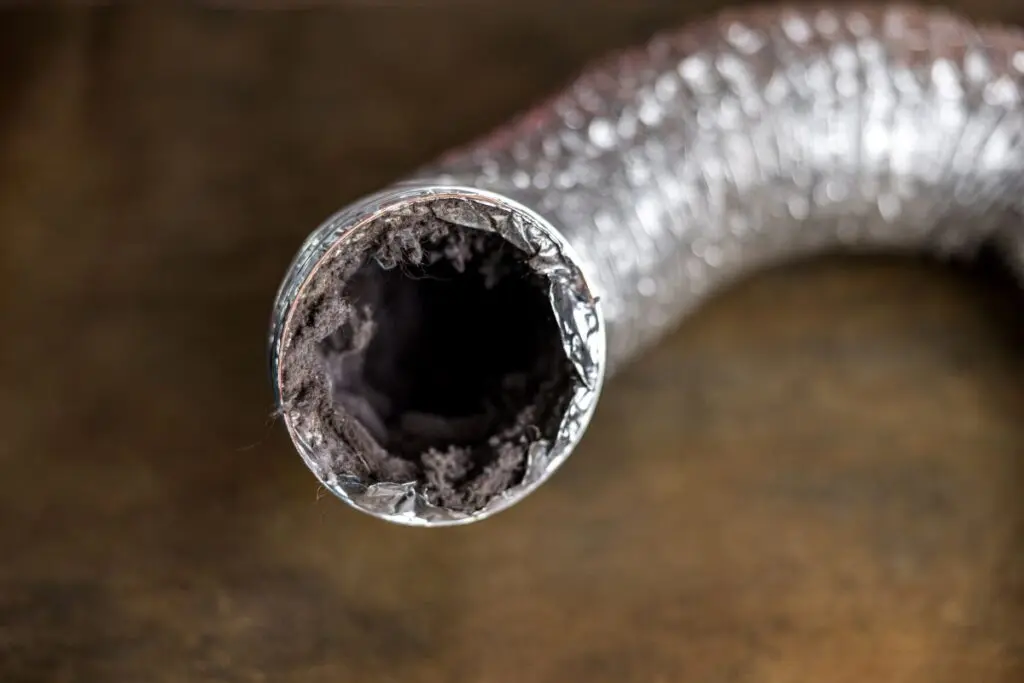
Dust building up quickly around vents or throughout the home can mean the air duct system is pulling in air, and debris buildup, from unconditioned spaces like attics or crawl spaces. Visible dust around vents often suggests unfiltered air entering the ducts through gaps or holes rather than passing through the filter as intended.
- Dust that returns quickly after cleaning
- Musty smells accompanying the dust buildup
5. Whistling or Rattling Noises
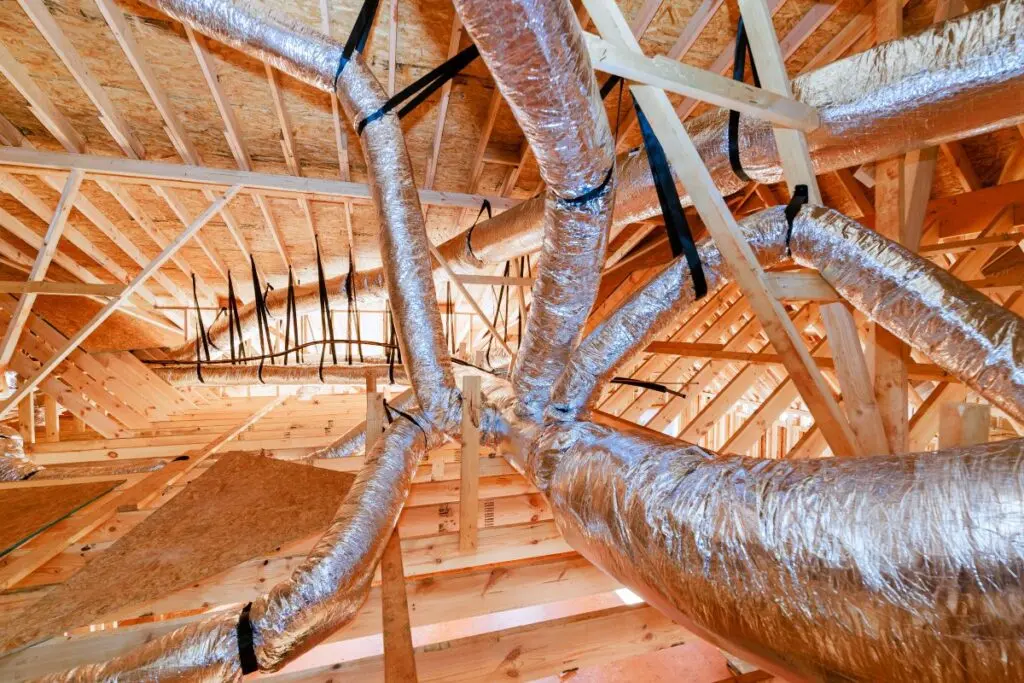
Unusual sounds coming from the ductwork while the system runs often indicate air escaping through small gaps or loose connections. These noises can be subtle at first, but they tend to grow more noticeable as the damage worsens over time.
6. Visible Damage or Disconnected Sections
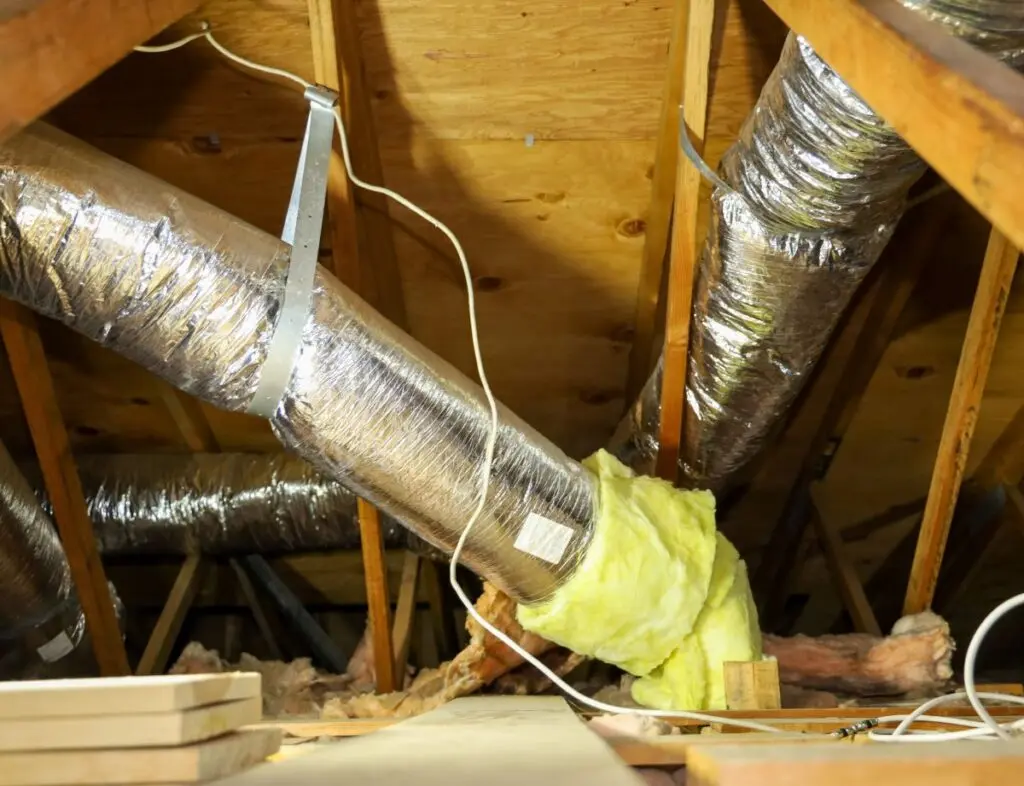
Cracks, holes, crushed sections, or ducts that have come apart at the joints are clear signs that repair is needed, especially in attics or basements where damage often goes unnoticed. Rodents or other pests can also chew through ductwork, which typically calls for pest extermination alongside sealing.
- Common at joints, elbows, and duct connections
- Pests or moisture can worsen existing damage over time
7. Poor Indoor Air Quality
Ductwork that pulls in contaminants from unconditioned spaces can worsen indoor air quality, sometimes leading to more allergy symptoms or a stale smell throughout the home. Moisture entering damaged ductwork can also lead to mold growth and foul odors, which typically calls for professional remediation rather than a simple patch. This is especially common when ducts run through attics, crawl spaces, or garages that are prone to dust and moisture damage.
Noticing even one or two of these signs is worth investigating further, since ductwork issues rarely resolve on their own without some kind of intervention. A professional inspection is the most reliable way to pinpoint exactly where problems are occurring.
What Drives the Cost of Ductwork Repair
Ductwork repair costs can vary significantly depending on the extent of the damage and how accessible the ducts are within the home. Understanding what factors into the price helps homeowners set realistic expectations and avoid surprises before scheduling a repair.
- Extent of the damage: Small leaks are far less expensive to fix than extensive damage spread across multiple sections of ductwork.
- Duct accessibility: Ducts in easily reached attics or basements typically cost less to repair than those buried in tight spaces behind finished walls or ceilings.
- Type of duct material: Flexible ductwork is often quicker and cheaper to patch, while rigid sheet metal ductwork may require more specialized repair techniques.
- Sealing versus replacement: Sealing isolated leaks costs far less than replacing entire duct runs that have deteriorated beyond repair.
- Insulation condition: Proper duct insulation helps reduce condensation and prevent mold growth, and replacing damaged insulation alongside the ducts can add to the overall cost.
Repair materials also vary by the size of the problem. Small holes under about two inches typically use UL 181 rated foil tape, medium gaps call for mastic sealant with fiberglass mesh tape, and larger holes over four inches usually need a sheet metal patch. Ordinary duct tape is not recommended, since it tends to dry out and fail in a hot attic over time. Minor repairs often fall between $150 and $500, while extensive damage requires a professional assessment for accurate pricing.
These factors combine differently depending on the home, which is why costs can vary widely even for seemingly similar repairs on comparable properties. A detailed inspection is the best way to get an accurate estimate for a specific situation.
Sealing vs Full Duct Replacement
Deciding between sealing existing ductwork and replacing it entirely depends on the age, condition, and extent of damage present in the system. As a general rule, ducts under 10 to 15 years old can often be repaired effectively, while ducts nearing 15 to 20 years old may be better candidates for full replacement. Comparing the two options side by side makes the decision easier to think through.
| Factor | Sealing | Full Replacement |
| Best for | Isolated leaks in otherwise sound ductwork | Ductwork that is old, damaged, or undersized |
| Typical cost | Lower upfront cost | Higher upfront investment |
| Timeline | Often completed in a single visit | Can take longer depending on home layout |
| Long-term value | Effective for minor, localized issues | Resets the expected lifespan of the duct system |
For many homes in York and surrounding areas, sealing is the more practical first step unless the ductwork is significantly aged or damaged throughout the system. When sealing is the right call, working with an Energy Star certified contractor can help ensure the job uses industry-recommended materials rather than temporary fixes. A professional evaluation can help determine which option offers the better long-term value for a specific home and budget.
Frequently Asked Questions About Ductwork Repair
Homeowners often have similar questions when dealing with ductwork issues. Here are answers to a few of the most common ones.
How do I know if my ductwork needs repair instead of replacement?
Isolated leaks or minor damage can usually be repaired, while widespread deterioration or outdated ductwork is often a better candidate for full replacement.
How long does ductwork typically last?
Ductwork generally lasts between 15 and 25 years, depending on the material used, the quality of the original installation, and how well it has been maintained over time.
Can ductwork repair really lower my energy bills?
Yes, sealing leaks and fixing damaged sections helps prevent conditioned air from escaping, which often leads to a noticeable drop in monthly energy costs.
Is it worth repairing ductwork in an older home?
In most cases, yes, especially if the rest of the system is in good condition. Repairing ductwork can significantly improve comfort and efficiency without the added cost of a full replacement.
How can I tell where a duct leak is located?
Leaks are often found near joints, elbows, and connections, though a professional inspection using specialized equipment is the most accurate way to locate hidden leaks behind walls or ceilings.
How much does ductwork repair typically cost?
Minor repairs often range between $150 and $500, while extensive damage or replacement of entire sections requires a professional assessment for accurate pricing.
How often should ductwork be inspected or cleaned?
Exposed ducts should be inspected for visible damage at least once a year, and professional duct cleaning is generally recommended every three to five years. Changing HVAC air filters every one to three months also supports proper airflow and reduces strain on the entire duct system.
These are just a few of the questions that come up when ductwork issues arise, and a professional inspection can clarify exactly what a specific home needs.
Trust Panther HVAC With Your Ductwork Repair
Ductwork plays a bigger role in comfort and efficiency than most homeowners realize, and addressing damage early can prevent wasted energy and ongoing frustration. From uneven temperatures to rising energy bills, the warning signs are usually there well before a bigger problem develops. Panther HVAC has helped homeowners throughout the area identify and repair ductwork issues that were quietly affecting their comfort and their bills, with upfront pricing and reliable service on every job. If your home has been showing any of these signs, contact us today to find out what’s going on behind the walls.