
 Schedule
  (803) 327-2700
 Energy Saving Thermostat’s Importance for Lowering The Bills
In today’s fast-paced world where energy costs are on the rise, finding effective ways to reduce utility bills is more important than ever. One of the smartest investments for both residential and commercial properties is installing an energy saving thermostat. These devices not only help manage indoor climate efficiently but also significantly impact energy consumption. For businesses looking to optimize their commercial heating and cooling systems, solutions designed to integrate with commercial HVAC systems can be game changers when it comes to cost savings and environmental responsibility.
- Understand the financial and environmental benefits of energy saving thermostats.
- Explore the key features that make these thermostats effective for bill reduction.
- Learn the steps to determine the best thermostat options for your property.
- Discover additional strategies that complement using an energy saving thermostat.
- Gain insight on maintenance and optimization tips for long-term savings.
Why Energy Saving Thermostats Are Essential Today
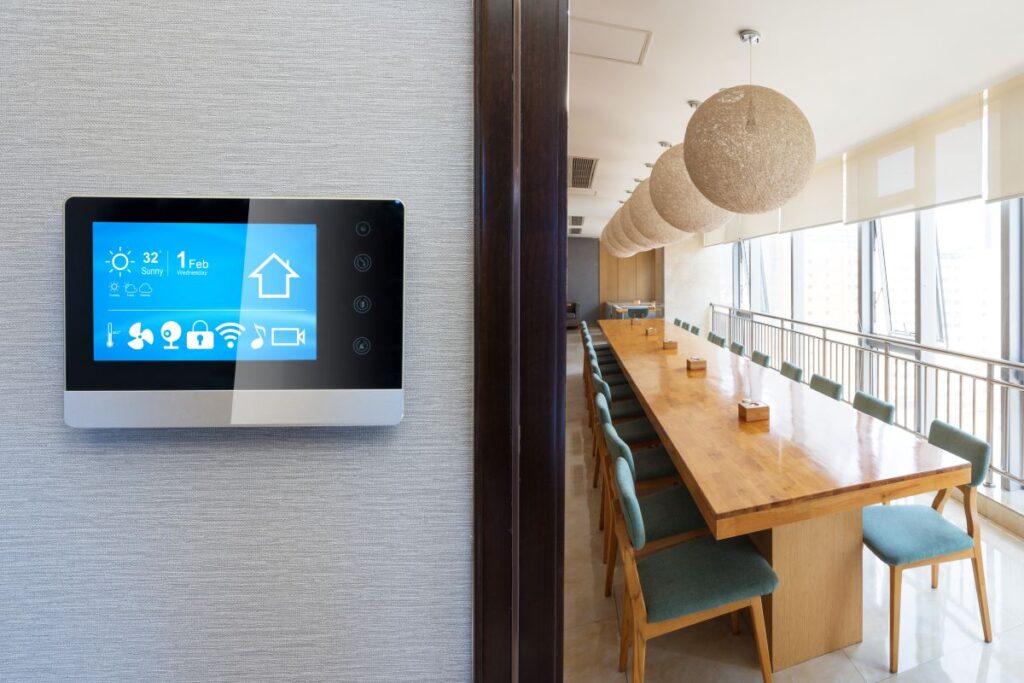
The value of energy saving thermostats goes beyond just turning heating or cooling systems on and off. They bring a level of intelligence and control that traditional thermostats lack, making them crucial in the ongoing effort to reduce energy expenses.
- Cost Reduction: Lower energy use means smaller utility bills, directly impacting your bottom line.
- Environmental Impact: Reduced energy consumption correlates with less greenhouse gas emissions.
- Enhanced Comfort: Maintain optimal temperatures without constant manual adjustments.
- System Longevity: Prevent unnecessary wear and tear on HVAC equipment through smarter operation.
- Regulatory Compliance: Many regions incentivize or mandate energy efficiency, making smart thermostats beneficial for meeting standards.
3 Key Steps to Selecting and Using an Energy Saving Thermostat
Choosing the right energy saving thermostat involves careful consideration to ensure it matches the specific needs of your property and HVAC setup. The following steps will guide you through the process.
1. Assess Your Property’s Heating and Cooling Needs
Understanding your property’s energy demands and usage patterns is the foundation for choosing an effective thermostat. Analyze factors such as square footage, insulation quality, and occupancy schedules.
- Determine peak usage times to align thermostat scheduling.
- Consider zoning if multiple areas have different temperature requirements.
- Consult with HVAC professionals if integrating with existing commercial systems.
2. Select a Thermostat with Smart Features
Modern thermostats come equipped with technology designed to optimize performance and convenience. Look for features that maximize energy savings.
- Programmability: Create weekly or daily schedules to match operating hours.
- Remote Control: Adjust settings via smartphones or computers when away from the premises.
- Learning Capabilities: Some models adapt to user behavior for automatic efficiency improvements.
- Integration with HVAC Systems: Ensure compatibility to prevent operational conflicts.
3. Monitor Performance and Adjust Accordingly

After installation, regularly reviewing thermostat data allows for optimization and ensures energy savings continue over time.
- Use energy reports provided by smart thermostats to identify patterns.
- Adjust programming seasonally based on weather and occupancy changes.
- Perform routine checks on HVAC equipment to maintain efficiency.
Maximizing Benefits Beyond the Thermostat
While an energy saving thermostat is an integral part of reducing utility bills, it works best when combined with other energy management strategies.
- Improve Insulation: Proper insulation complements thermostat efficiency by stabilizing indoor temperatures.
- Seal Air Leaks: Prevent heat loss or gain through windows, doors, and ductwork.
- Use Energy-Efficient HVAC Units: Pairing thermostats with efficient equipment amplifies savings.
- Regular Maintenance: Professional tune-ups keep systems running smoothly and detect issues early.
Understanding the Role of Commercial HVAC in Energy Savings
Commercial properties often have complex heating, ventilation, and air conditioning (HVAC) needs. Implementing energy saving thermostats within commercial HVAC systems can lead to remarkable improvements in energy management and cost control.
Integration with Building Automation
Many commercial buildings incorporate building automation systems (BAS) that coordinate HVAC with lighting and other utilities. Energy saving thermostats can integrate into BAS to optimize energy consumption dynamically.
Zone Control for Efficient Heating and Cooling
Large commercial spaces benefit from thermostats that control specific zones independently, reducing energy waste in unoccupied areas.
- Reduce cooling or heating in low-traffic zones during off-hours.
- Schedule different temperature settings for various rooms or floors.
- Monitor system usage across zones to identify inefficiencies.
Meeting Energy Regulations and Incentives
Commercial buildings are often subject to stringent energy regulations. Installation of energy saving thermostats can help in compliance and potentially qualify for rebates and incentives offered by energy providers and governments.
Smart Energy Saving Thermostats and Sustainability Goals
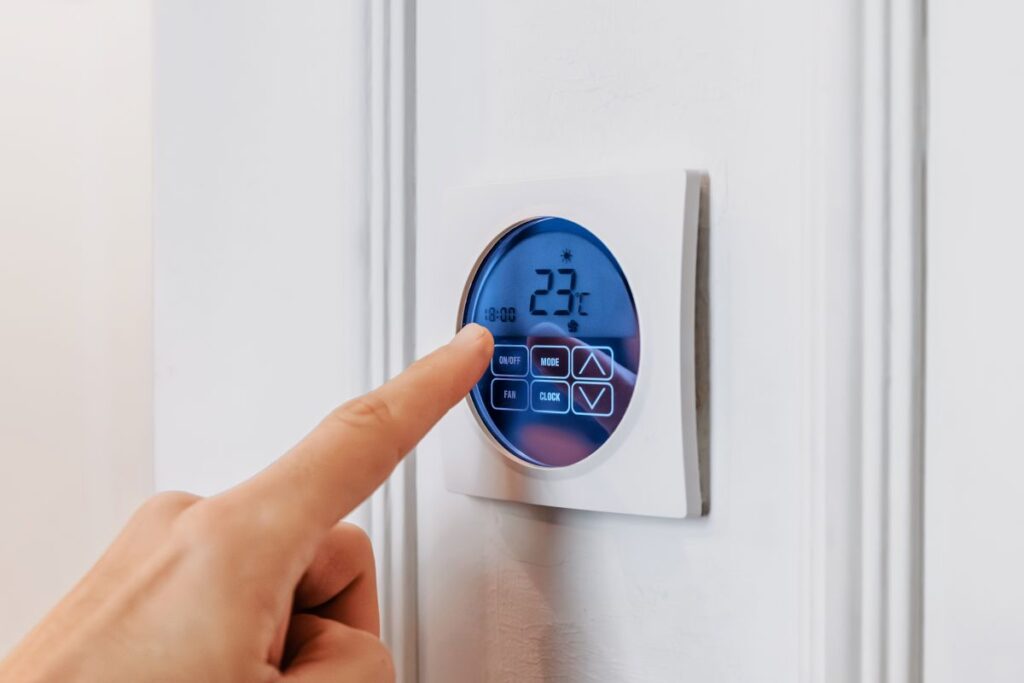
Organizations increasingly prioritize sustainability. Incorporating intelligent thermostats plays a vital role in reducing carbon footprints and achieving green building certifications.
Energy Tracking and Reporting
Smart thermostats offer detailed reports that help sustainability teams track energy usage patterns and set realistic reduction targets.
Employee Comfort and Productivity
Maintaining comfortable workspace temperatures enhances employee well-being and productivity while controlling energy use.
Financial Savings as Reinvestments
The money saved on energy bills can be redirected towards further energy efficiency upgrades or community sustainability projects.
Securing Your Path to Lower Energy Bills
Implementing an energy saving thermostat is a strategic step towards reducing your energy expenditure and environmental impact. By selecting the right thermostat, integrating it effectively with your commercial HVAC system, and adopting complementary energy-saving measures, you set a course for lasting savings and sustainable operations. For tailored recommendations or assistance with installation and integration, do not hesitate to contact us today at Panther to explore how we can help you optimize your energy management and lower your bills efficiently.
