
 Schedule
  (803) 327-2700
 Furnace Cleaning: 7 Step Maintenance Guide for Homeowners
Keeping your home warm and comfortable during colder months depends heavily on the efficiency of your heating system. A well-maintained furnace not only ensures optimal performance but also extends the lifespan of the unit and saves energy. That’s why furnace cleaning is a crucial task for every homeowner. Regular cleaning prevents dust buildup, improves air quality, and reduces the risk of costly repairs. If you want to learn more about how furnace cleaning ties into broader maintenance practices, consider checking out professional furnace repair services to keep your system running smoothly all year long.
- Understand why furnace cleaning is a vital part of winter preparedness.
- Learn the 7 essential steps every homeowner should follow for effective furnace cleaning.
- Discover tips to enhance furnace performance and indoor air quality.
- Explore preventative strategies to avoid frequent repairs and improve system longevity.
Why Furnace Cleaning Should Be a Priority for Homeowners
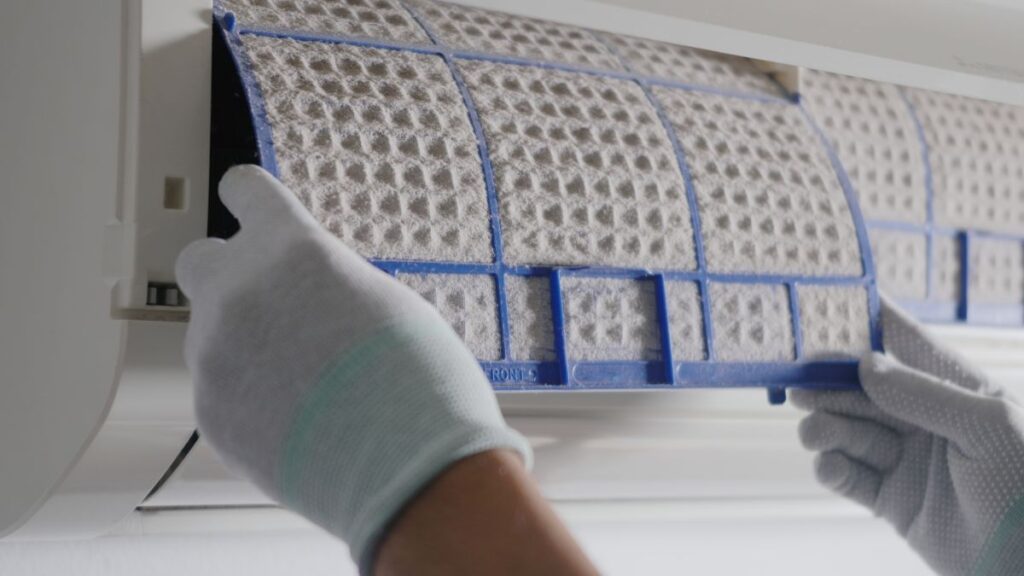
A clean furnace ensures your heating system operates efficiently, providing reliable warmth while reducing energy consumption. Neglecting furnace cleaning can lead to several issues that affect both comfort and safety in your home.
- Improved Efficiency: Dust and debris in your furnace reduce airflow and force the system to work harder, increasing utility bills.
- Better Air Quality: Cleaning removes allergens and pollutants from the system, which helps maintain a healthier living environment.
- Extended Equipment Life: Regular maintenance minimizes wear and tear, preventing premature breakdowns and costly replacements.
- Safety Assurance: Removing dust and buildup reduces fire hazards and carbon monoxide risks associated with malfunctioning furnaces.
7 Essential Steps for Furnace Cleaning That Every Homeowner Should Know
Taking a proactive approach to furnace maintenance involves several important steps. Following these guidelines will help keep your furnace in top condition and ready for chilly days ahead.
1. Turn Off Power and Gas
Before beginning any cleaning or maintenance, ensure the furnace is completely powered down. Switch off the electrical power and shut the gas valve to avoid accidents.
- Locate circuit breaker or switch for furnace power.
- Confirm gas valve position to avoid leaks.
2. Inspect and Replace Air Filters
The air filter is a critical component that traps dust and particles before they enter your furnace. Dirty or clogged filters reduce airflow and strain the system.
- Remove the filter and check for dirt buildup.
- Replace with a new filter if it looks worn or heavy with dust.
- Use filters meeting your furnace specifications to ensure proper performance.
3. Vacuum Around the Furnace Components
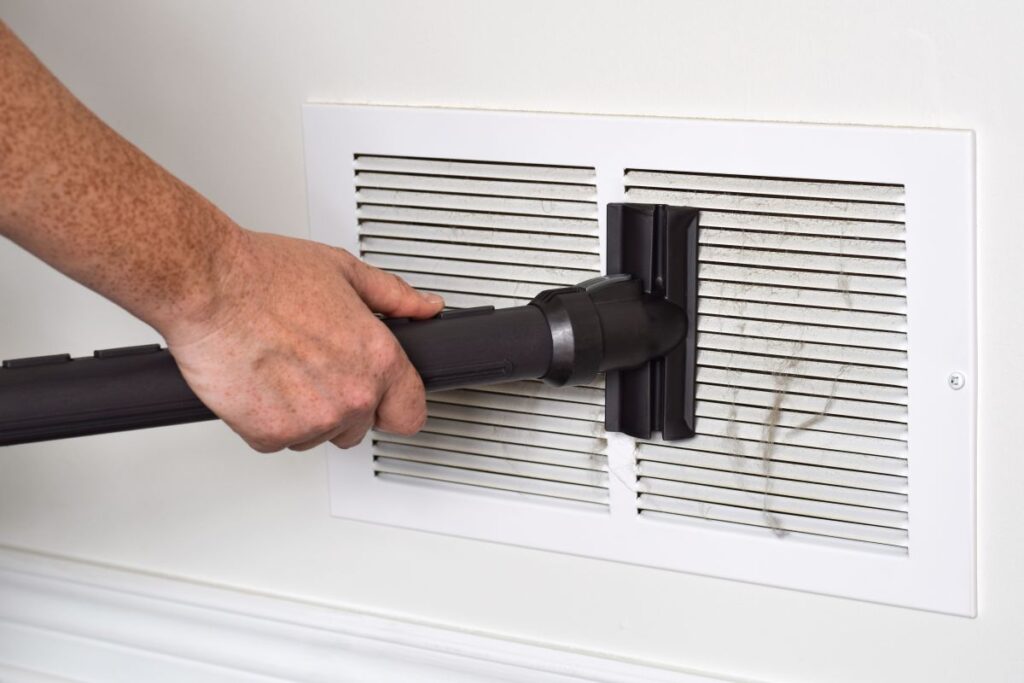
Use a vacuum cleaner with a brush attachment to clean dust from accessible parts such as blower blades, vents, and interior surfaces. This step helps prevent dirt from circulating in the air and entering the heating system.
- Be gentle to avoid damaging delicate parts.
- Clear out any debris collected near vents and ducts.
4. Clean the Blower Assembly
Dust accumulation on the blower wheel can reduce its efficiency. Carefully remove the blower assembly if possible and thoroughly clean it using a soft brush and vacuum.
- Ensure all dust is removed without forcing any parts out of alignment.
- Consult the furnace manual for disassembly instructions.
5. Examine the Burner and Flame Sensor
Inspect the burner for dirt and rust buildup, which can affect ignition and efficiency. The flame sensor should also be cleaned gently with a fine abrasive pad to ensure proper operation.
- Handle these components with care to avoid damage.
- Regular cleaning helps prevent flame failure and reduces fuel waste.
6. Clear Drain Lines and Condensate Pans
Furnaces with high-efficiency models produce condensate that collects in drain pans. These should be checked and cleared regularly to avoid clogs and water damage.
- Use a wet/dry vacuum or flexible brush to clean drain lines.
- Ensure water flows freely without blockage.
7. Reassemble and Test the Furnace
After all cleaning steps, reassemble any removed parts securely. Restore power and gas, then turn on the furnace to test for proper operation and listen for unusual noises.
- Observe the system cycling to confirm smooth functioning.
- If issues arise, professional inspection may be necessary.
Advanced Tips to Maximize Furnace Performance and Longevity
Beyond regular cleaning, several additional practices can improve your furnace’s reliability and efficiency.
- Schedule Annual Professional Inspections: Experts can identify hidden issues and perform comprehensive maintenance.
- Seal and Insulate Ductwork: Proper duct sealing helps maintain consistent heating and reduces energy waste.
- Upgrade to a Programmable Thermostat: These devices optimize heating schedules, saving energy without sacrificing comfort.
- Maintain Adequate Ventilation: Ensure vents are unobstructed and airflows remain balanced throughout your home.
Common Questions About Furnace Cleaning
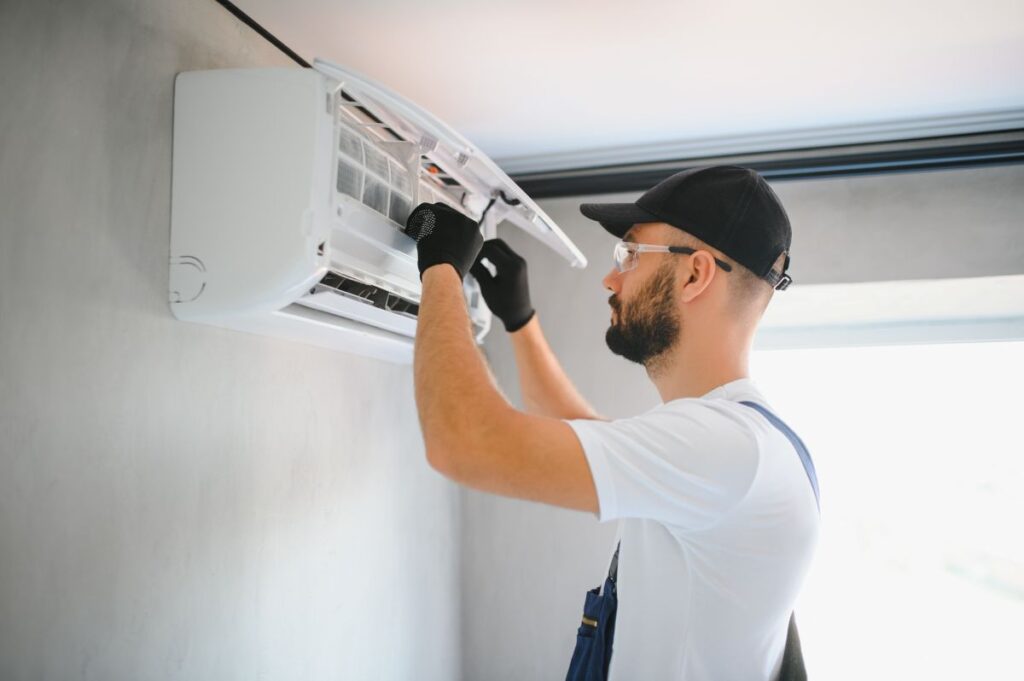
Here are the most frequently asked questions we see when it comes to cleaning your furnace.
How often should I clean my furnace?
It is recommended to clean your furnace at least once a year, ideally before the heating season starts. Some components like air filters may need more frequent replacement every 1 to 3 months depending on usage.
Can I do furnace cleaning myself or should I hire a professional?
Basic tasks like changing filters and vacuuming accessible areas can be handled by homeowners. However, detailed internal cleaning and safety inspections are best performed by certified technicians to prevent damage and ensure proper functioning.
What are the signs my furnace needs cleaning?
Common indicators include uneven heating, unusual odors, increased energy bills, frequent cycling, or visible dust around vents. If you notice any of these, furnace cleaning should be scheduled promptly.
Does furnace cleaning improve air quality?
Yes, regular cleaning removes dust, allergens, and contaminants from the heating system, reducing airborne particles and promoting healthier indoor air.
Ensuring a Warm and Safe Home through Regular Furnace Care
Maintaining your furnace by following a thorough cleaning routine is essential for optimal performance and safety during colder months. Neglecting this vital task can lead to inefficiency, costly repairs, and potential health hazards. By understanding and implementing the 7 key steps outlined in this guide, homeowners in the local area can enjoy reliable heating and improved air quality. For more comprehensive assistance or if you encounter any complex issues, don’t hesitate to contact us today at Panther for expert support with all your furnace repair and maintenance needs.
