
 Schedule
  (803) 327-2700
 Furnace Replacement Cost: From New Furnace to Installation
Replacing a furnace is one of the biggest home comfort investments you’ll ever make. Whether your system is breaking down frequently or simply inefficient, understanding the furnace replacement cost helps you plan ahead and make informed decisions. Costs can vary widely depending on the size of your home, energy source, and system type—but knowing what goes into those numbers can help you save both time and money.
If your current system struggles to heat evenly or constantly needs repairs, it might be time to explore professional furnace installation services. The right replacement not only improves comfort but can lower energy bills and add long-term value to your home.
In this comprehensive guide, you’ll learn:
- The main factors that determine furnace replacement costs
- Typical price ranges for new furnaces and installation
- How efficiency, size, and brand impact long-term savings
- Additional expenses to plan for during replacement
- Tips for budgeting and choosing the right HVAC contractor
Why Understanding Furnace Replacement Cost Matters
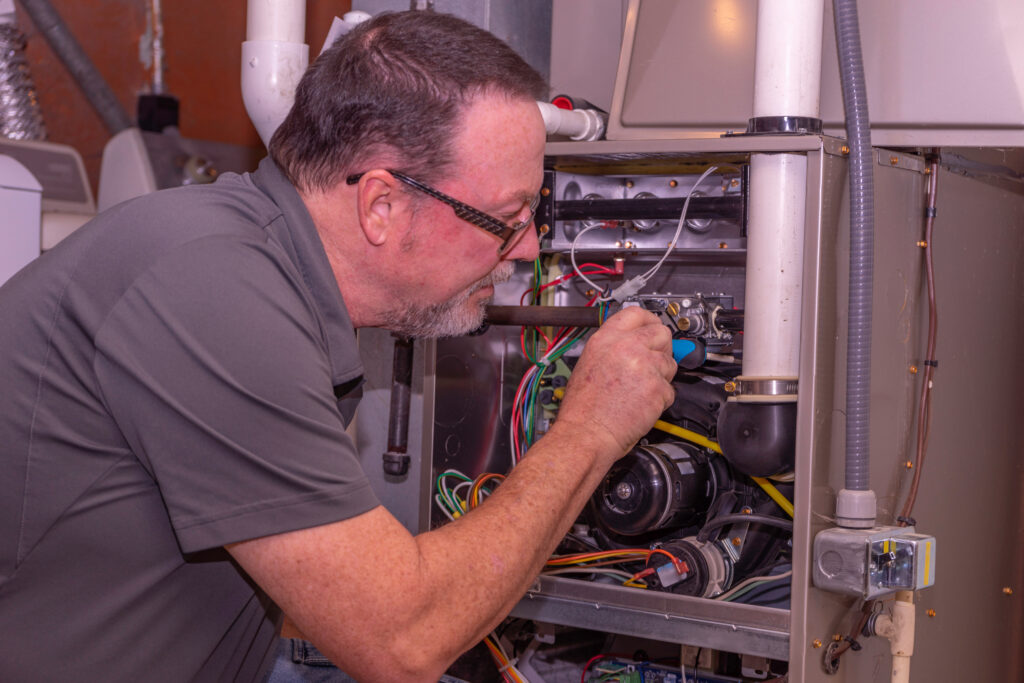
Many homeowners wait until their furnace completely fails before thinking about replacement. But by planning ahead, you can compare systems, explore rebates, and avoid emergency costs during the coldest months.
Here’s why it’s important to understand the financial side of replacement before your system quits unexpectedly:
- Energy Efficiency and Savings: A new, energy-efficient furnace can cut heating costs by 20–40% compared to older models. Understanding price vs. performance helps you invest wisely.
- Home Comfort and Safety: Older furnaces may not heat evenly or could produce dangerous carbon monoxide if they malfunction. A replacement ensures reliable, safe operation.
- Warranty and Longevity: New systems come with manufacturer warranties and advanced features that improve lifespan. Knowing the cost up front helps you budget for quality.
- Value Planning: Furnace replacements increase home resale appeal and comfort value, especially in competitive markets.
- Peace of Mind: Knowing what to expect financially prevents stress when it’s time to make the upgrade.
In Fort Mill, SC and surrounding areas, where winters can bring chilly evenings, a properly sized and efficient furnace ensures your home stays comfortable without high monthly bills.
6 Key Factors That Influence Furnace Replacement Cost
No two homes or HVAC systems are identical. The total furnace replacement cost depends on several important factors, from the type of fuel used to the complexity of installation. Below, we’ll explore these cost drivers in detail so you can plan realistically for your upgrade.
1. Furnace Type and Fuel Source
The type of furnace you choose plays the largest role in total cost.
- Gas Furnaces: The most common option for homes in Fort Mill, SC and surrounding areas. They offer fast, powerful heat and generally cost between $3,800 and $6,500 installed, depending on efficiency level.
- Electric Furnaces: Usually cheaper upfront ($2,500–$4,500 installed) but more expensive to run long-term, since electricity costs more than natural gas.
- Oil Furnaces: Less common, typically ranging from $4,000–$7,000 installed. Suitable for areas without natural gas lines.
- Propane Furnaces: Comparable to gas but can be pricier if propane delivery costs fluctuate.
Each fuel type affects not only installation price but also long-term energy expenses.
2. Furnace Size and Home Square Footage
Bigger isn’t always better. Furnaces are rated by BTU output—the amount of heat they produce. An undersized unit won’t keep up on cold days, while an oversized one wastes energy.
- Small homes (under 1,200 sq. ft.): 40,000–60,000 BTU systems typically suffice.
- Medium homes (1,200–2,000 sq. ft.): 60,000–90,000 BTU systems are common.
- Large homes (2,000+ sq. ft.): May need 100,000+ BTU systems, especially with older insulation.
Proper sizing ensures you don’t pay for unnecessary capacity or inefficiency.
3. Furnace Efficiency (AFUE Rating)
AFUE, or Annual Fuel Utilization Efficiency, measures how well your furnace converts fuel into heat.
- Standard Efficiency (80% AFUE): Most affordable upfront but wastes 20% of fuel energy.
- High Efficiency (90–97% AFUE): More expensive to buy and install but saves hundreds yearly in fuel costs.
For example, upgrading from 80% to 95% efficiency could save $300–$500 annually for an average household, depending on fuel prices.
4. Brand and Model Selection
Major HVAC brands offer varying price points, warranty options, and technology. Premium models with advanced features—like variable-speed blowers and smart thermostat compatibility—can cost more upfront but perform better long-term.
Popular, reliable brands include:
- Trane
- Lennox
- Goodman
- Carrier
- Rheem
Choosing a reputable manufacturer ensures better warranty coverage and part availability.
5. Installation Complexity and Labor
Installation costs depend heavily on your home’s existing setup. If your old furnace is in a tight crawlspace or your ductwork needs modification, labor costs will rise.
Typical labor expenses range between $1,200 and $3,500, covering removal of the old unit, setup, and testing of the new system.
Additional factors that increase labor cost include:
- Upgrading gas or electrical connections
- Adding or modifying venting systems
- Installing new ductwork or return air grilles
6. Additional Costs and Considerations
Beyond the furnace and installation, there may be other costs to account for.
| Additional Item | Typical Cost Range | Purpose |
| Thermostat Upgrade | $150–$400 | Improves control and efficiency |
| New Ductwork | $1,500–$5,000 | Required if ducts are old or leaking |
| Permit and Inspection Fees | $100–$300 | Ensures compliance with local codes |
| Old Unit Removal | $100–$250 | Safe disposal and recycling |
| Air Filtration Upgrades | $200–$600 | Enhances indoor air quality |
Knowing these potential add-ons prevents surprise expenses later.
How to Budget for a Furnace Replacement
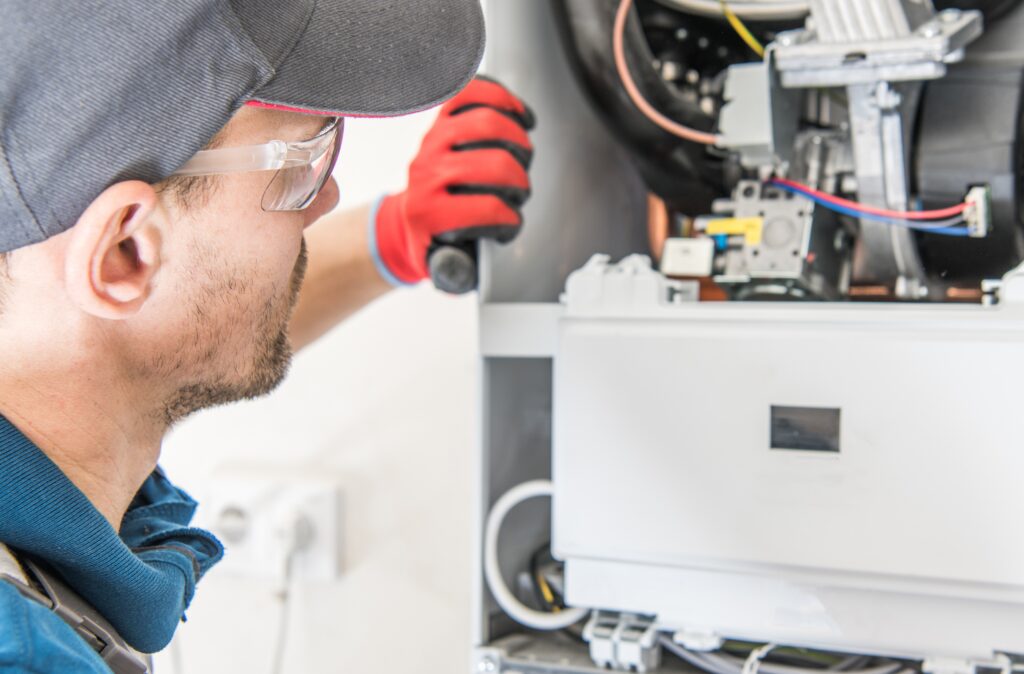
Replacing a furnace can be a major expense, but planning ahead helps you manage costs and take advantage of available savings opportunities.
Compare Multiple Quotes
Get at least three written estimates from licensed HVAC contractors. Be sure each quote includes equipment model, efficiency rating, labor details, and warranty terms.
Ask About Financing Options
Many professional installers offer in-house payment plans or third-party financing with low interest rates. This allows you to spread payments over time rather than paying the full amount upfront.
Explore Rebates and Tax Credits
High-efficiency furnaces often qualify for rebates from utility companies or federal tax credits. These incentives can reduce your total cost by several hundred dollars.
Consider Long-Term Savings
While a high-efficiency model may cost more initially, it typically pays for itself within a few years through lower utility bills. Calculate lifetime energy costs—not just purchase price—to find true value.
Schedule Off-Season Installation
If possible, replace your furnace in spring or early fall. Contractors are less busy during these months, which can sometimes lead to lower labor rates or promotional discounts. Once your new system is installed, following a few simple upkeep tips will help you keep your gas furnace running efficiently and extend its overall lifespan.
Comparing Furnace Replacement Costs by Efficiency
The following table offers a simplified breakdown of what homeowners can expect when choosing between standard and high-efficiency models.
| Furnace Type | Efficiency (AFUE) | Average Total Cost (Installed) | Estimated Annual Savings |
| Basic Gas Furnace | 80% | $3,800–$5,500 | – |
| Mid-Range Gas Furnace | 90–93% | $5,000–$7,200 | $200–$400 |
| Premium High-Efficiency Gas Furnace | 94–97% | $6,500–$9,000 | $400–$600 |
These ranges reflect installation in a typical 2,000-square-foot home in Fort Mill, SC and surrounding areas. Costs may vary based on home design, duct condition, and regional fuel prices.
Signs It’s Time for Furnace Replacement
If your system is aging or inefficient, replacing it before it fails completely can save you from emergency costs and winter downtime.
Watch for these warning signs:
- Your furnace is 15–20 years old or older.
- Heating bills keep rising despite maintenance.
- The system struggles to maintain temperature evenly.
- You notice unusual noises or short cycling.
- Frequent repairs are costing more than half the price of a new unit.
Proactive replacement ensures you stay comfortable through the coldest nights and reduces the risk of carbon monoxide leaks from old systems.
Professional Installation: Why It’s Worth It
Even the best furnace won’t perform efficiently without proper installation. A skilled HVAC technician ensures the system is sized correctly, vented safely, and calibrated for peak performance.
Professional installation includes:
- Load calculations to match furnace capacity to your home’s needs.
- Proper venting and fuel connection setup.
- System testing for airflow and safety.
- Warranty registration and post-installation inspection.
In Pineville, NC, and surrounding areas, homeowners benefit from partnering with licensed, insured professionals familiar with local building codes and climate conditions. Working with local experts is especially important when temperatures drop, as gas furnaces might malfunction during winter due to the increased strain of extreme cold.
Getting the Best Return on Your Investment
After installation, protect your investment with regular maintenance. Annual tune-ups help your furnace run efficiently and last longer.
Maintenance checklist:
- Replace filters every 1–3 months.
- Clean blower components and burners.
- Inspect exhaust vents and gas lines.
- Test carbon monoxide detectors.
- Schedule professional inspections before each heating season.
Consistent care keeps your system efficient, quiet, and safe for years to come.
Plan Smart, Save Smart
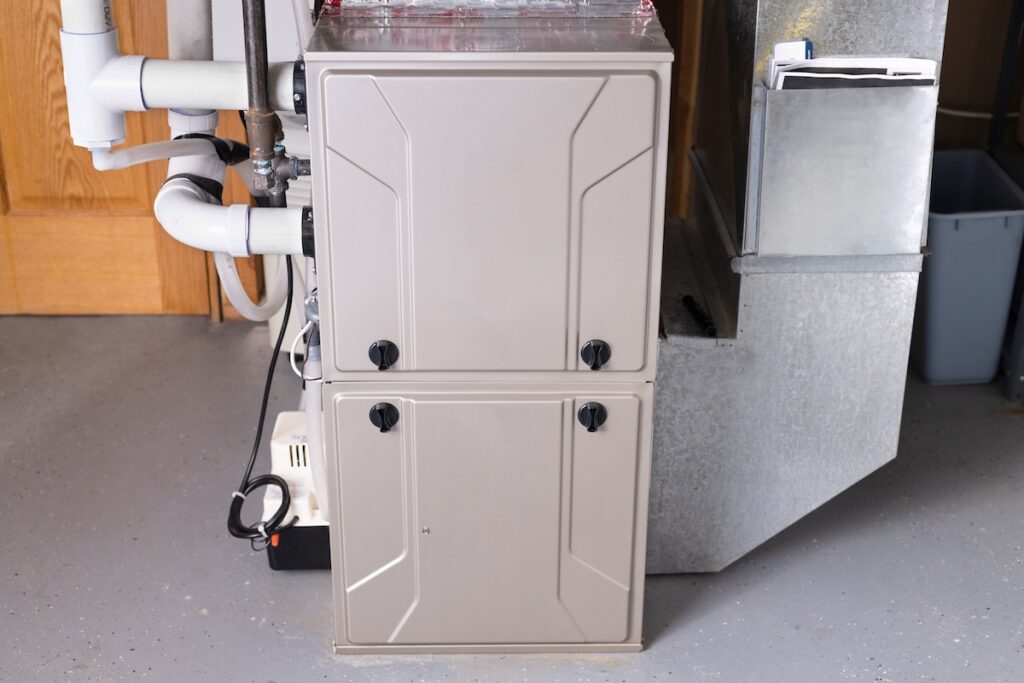
Understanding furnace replacement cost helps you approach the process confidently. By comparing options, choosing the right efficiency level, and hiring qualified professionals, you’ll enjoy reliable heat and lower monthly bills all winter long.
Panther HVAC proudly serves Fort Mill, SC and surrounding areas, providing trusted guidance and expert furnace installation to fit every home and budget. If you’re ready to explore your options or schedule a quote, contact us today to get started with our experienced heating specialists.
