
 Schedule
  (803) 327-2700
 Furnace Won’t Turn On: What To Do and When to Call the Pros?
When temperatures drop, a reliable heating system becomes essential for comfort and safety. If your furnace won’t turn on, it can quickly turn into an emergency, especially during the cold season. Understanding how to troubleshoot common furnace issues can save you time and prevent further damage. Whether you want to try a few fixes yourself or know when to engage expert help, this guide will walk you through the necessary steps to get your home warm again without hassle. For tailored heating and cooling solutions, consider the benefits of professional AC and furnace services, which provide comprehensive care beyond basic repairs.
- Identify the main reasons a furnace might fail to start
- Explore step-by-step troubleshooting tips to try at home
- Understand signs that require professional intervention
- Learn how professional maintenance can prevent common furnace problems
- Discover additional heating options and safety checks to consider
Why It’s Critical to Address When Your Furnace Won’t Turn On
Having a furnace that refuses to start can disrupt your household routine and pose risks during colder months. Immediate attention to heating issues ensures your comfort and protects your property.
- Safety assurance: A properly working furnace prevents dangerous situations like carbon monoxide buildup or frozen pipes.
- Energy efficiency: Fixing furnace problems promptly reduces wasted energy and lowers utility bills.
- Extended equipment life: Timely detection and repair help maintain your system’s longevity.
- Comfort maintenance: Consistent heat keeps your living space cozy and hospitable.
- Cost savings: Preventing small issues from escalating avoids costly emergency furnace repairs.
5 Common Reasons Your Furnace Won’t Turn On

Before calling in professionals, it’s helpful to understand the typical causes behind a furnace’s failure to start. These insights can guide your troubleshooting and expedite repairs.
1. Power Supply Issues
The furnace relies on a steady electrical supply. Power disturbances or outages can prevent startup.
- Check the circuit breaker or fuse panel for tripped breakers or blown fuses.
- Ensure the furnace switch is turned on—sometimes labeled as a light switch near the unit.
- Verify the power cord is securely plugged in if accessible.
2. Thermostat Malfunctions
A thermostat that is not functioning or is incorrectly set can cause the furnace to remain off.
- Confirm the thermostat is set to ‘heat’ mode and the temperature is higher than the current room temperature.
- Replace thermostat batteries if applicable.
- Inspect for calibration issues or consider replacing an outdated model.
3. Dirty or Clogged Air Filters
Restricted airflow caused by dirty air filters can trigger safety mechanisms that shut down the furnace.
- Check the air filter and replace it if it appears dirty or blocked.
- Regular filter changes improve air quality and furnace performance.
Neglecting this simple task is one of the leading causes of avoidable system failures. Maintaining a clean filter ensures your furnace doesn’t overheat or short-cycle during a freeze. To keep your unit running reliably, follow our step-by-step instructions on furnace filter replacement to ensure a proper fit every time.
4. Pilot Light or Ignition Problems
Older furnaces may use a pilot light, while newer models have electronic ignitors. Failure in either system prevents ignition.
- Verify the pilot light is lit for gas furnaces, following safety precautions.
- For electronic ignitors, listen for clicking sounds or observe error lights on the control panel.
- Consult the manufacturer’s manual for specific ignition troubleshooting.
If you’ve checked the ignition and your home still isn’t warming up, there could be a deeper electrical or fuel supply issue at play. Troubleshooting these components can be tricky, but understanding the most common culprits can save you time and stress. For more expert tips on resolving these disruptions, read our guide on what to do when your furnace won’t turn on.
5. Faulty Flame Sensor or Other Mechanical Issues
A dirty or malfunctioning flame sensor can falsely detect no flame and shut down the furnace.
- The flame sensor requires occasional cleaning to remove residue buildup.
- Other mechanical parts like belts, motors, or limit switches may need inspection or repair.
- Professional HVAC diagnostics can pinpoint these issues efficiently.
How to Troubleshoot a Furnace That Won’t Turn On
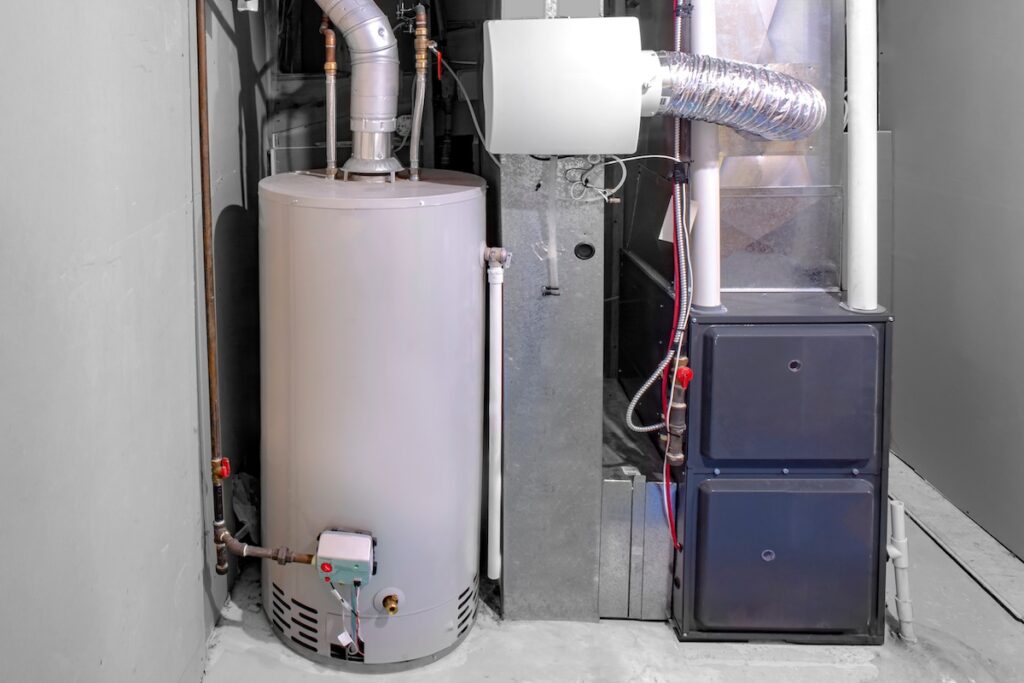
Taking methodical steps to diagnose the issue can help you solve minor problems without delay. Always prioritize safety and refer to your furnace’s manual when necessary.
Step 1: Check Power Sources
Ensure the furnace is receiving electricity.
- Reset tripped breakers and replace blown fuses.
- Test the furnace switch and outlets.
Step 2: Inspect Thermostat Settings
Confirm proper temperature and heating mode.
- Adjust the thermostat settings and replace batteries.
- Consider resetting or recalibrating the thermostat if necessary.
Step 3: Replace or Clean Air Filters
Improve airflow by keeping filters clean.
- Locate the air filter slot and replace filters every 1-3 months.
- Use captures high-efficiency filters for optimal performance.
Step 4: Examine Ignition System
Address pilot light or electronic ignitor problems.
- Relight pilot lights carefully, following guidelines.
- Listen for ignitor clicking and watch for error codes.
Step 5: Clean the Flame Sensor
Remove dirt buildup for accurate flame detection.
- Turn off power, remove the sensor, and clean gently with abrasive pads.
- Reinstall and test the furnace operation afterward.
Maintenance Tips to Keep Your Furnace Running Smoothly
Preventative maintenance is a key factor in reducing unexpected furnace failures during critical times.
- Schedule annual professional inspections: Experts can detect concealed issues before they escalate.
- Change filters regularly: Maintaining clean filters supports airflow and efficiency.
- Clear surrounding areas: Remove dust, debris, and ensure ventilation around the furnace.
- Test the thermostat seasonally: Ensure it communicates properly with your system.
- Monitor unusual noises or smells: Early signs often precede bigger problems.
Beyond Repairs: Other Heating Considerations
Sometimes furnace problems prompt homeowners to explore alternative heating options or safety measures to supplement comfort.
Additional Heating Solutions
- Space heaters: Useful for spot heating but should be used cautiously to avoid fire hazards.
- Heat pumps: Efficient for moderate climates and provide both heating and cooling.
- Radiant floor heating: Offers consistent warmth but requires investment during home renovations.
Safety Features and Upgrades
- Carbon monoxide detectors: Essential for homes with gas furnaces for early leak detection.
- Smart thermostats: Enable better control and energy savings through automation.
- Regular vent and duct cleaning: Improves air quality and furnace efficiency.
| Feature | Benefit | Typical Cost |
| Carbon Monoxide Detector | Early alert for toxic gases | $20–$60 |
| Smart Thermostat | Energy and cost savings | $100–$300 |
| Professional Furnace Tune-Up | Prolongs unit lifespan | $100–$200 annually |
When to Call a Professional for Furnace Repair
Despite the best troubleshooting efforts, certain signs mean it is time to involve experts, especially to ensure safety and effective repair.
Persistent or Repeated Failures
- If the furnace cycles on and off erratically or shuts down soon after starting.
- Repeated resets of breakers or fuses occur.
Unusual Noises or Odors
- Rattling, banging, or squealing sounds.
- Gas or burning smells indicate potential hazards.
Visible Damage or Leaks
- Cracked heat exchangers or visible corrosion warrant immediate attention.
- Water leaks around the furnace may signal drain or condensation issues.
Professional expertise advantages
- Comprehensive diagnostics identifying hidden problems.
- Safety inspections to prevent hazards and code violations.
- Proper parts replacement and warranty protection.
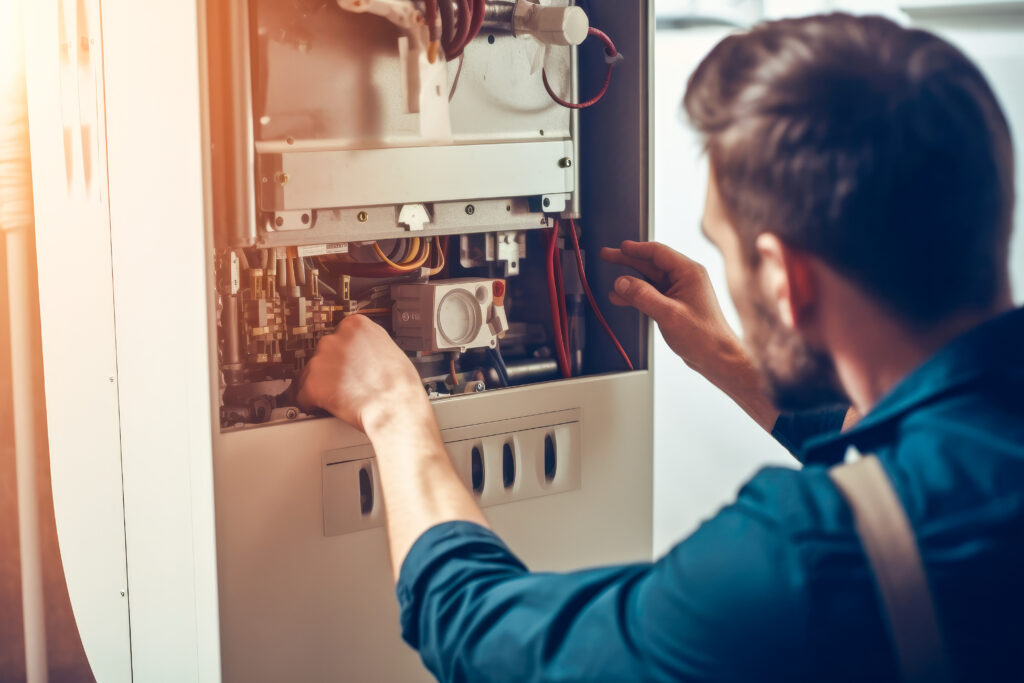
Time To Get Your Furnace To Turn On
When your furnace won’t turn on, it is vital to act promptly with careful troubleshooting and maintain regular upkeep to avoid disruptions during cold weather. Handling simple checks yourself can often restore functionality; however, knowing when to reach out to professionals ensures safety and long-term reliability. If you need expert heating system services, do not hesitate to contact us today for thorough inspections, repairs, and maintenance to keep your home warm and comfortable throughout the season.
