
 Schedule
  (803) 327-2700
 Geothermal Heat Pump Installation (Steps, Benefits…)
A geothermal heat pump is one of the most efficient and environmentally friendly ways to heat and cool your home. By tapping into the stable temperatures underground, these systems offer significant energy savings and a long-term solution for your comfort. However, the installation process is more involved than a traditional HVAC system.
If you’re considering a geothermal heat pump installation, it’s essential to understand the process. This guide will walk you through everything you need to know, from the initial consultation to the final checks. We’ll cover:
- How geothermal heat pumps work
- The benefits of a geothermal system
- The steps involved in a geothermal heat pump installation
- Why Panther Heating & Cooling is the right choice for the job
How Geothermal Heat Pumps Work

Unlike traditional furnaces that burn fuel to create heat or air conditioners that use refrigerant to cool the air, a geothermal heat pump simply transfers heat. It uses a series of pipes, called a ground loop, buried in your yard. A water-based solution circulates through these pipes to absorb or release heat from the earth.
- In the winter, the fluid in the ground loop absorbs heat from the ground and carries it into your home. The heat pump then concentrates this heat and distributes it through your ductwork, providing warmth.
- In the summer, the process reverses. The system pulls heat from the air inside your home, transfers it to the fluid in the ground loop, and deposits it back into the earth, leaving your home cool and comfortable.
Because the ground temperature remains relatively constant year-round (around 50-60°F), a geothermal heat pump installation allows the system to operate with incredible efficiency, no matter how hot or cold it gets outside.
Prepping for the Installation
Preparing for a heat pump installation is simple and ensures a smooth process on installation day. Follow these steps:
Schedule a Professional Site Evaluation
- A qualified technician will assess your property.
- They’ll determine the best location for the geothermal heat pump installation and, if needed, the ground loop system.
Clear the Installation Area
- Remove obstacles and provide easy access for installers.
- Ensure the area around the system is free from clutter.
Plan for Groundwork (if applicable)
- If a ground loop is required, expect some light landscaping disruptions.
- Discuss placement and trench or borehole options with your installer to align with your preferences.
Check Permits and Inspections
- Confirm any required permits or inspections with local authorities.
- Address these requirements in advance to avoid delays.
By following these steps, you’ll streamline the installation process and enjoy years of energy-efficient comfort in your home.
6 Steps of Geothermal Heat Pump Installation
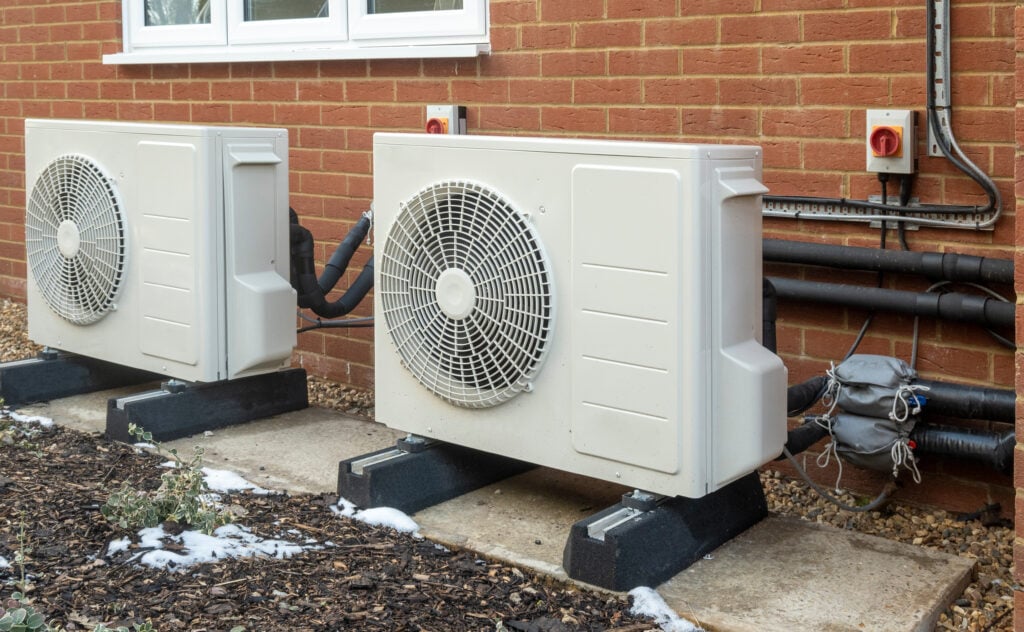
A successful geothermal heat pump installation requires careful planning and execution by certified professionals. Here at Panther Heating & Cooling, our NATE-certified technicians follow a proven process to ensure your system is installed correctly and efficiently.
1. Site Evaluation and System Design
The geothermal heat pump installation begins with a thorough evaluation of your property. Our experienced technicians will assess your home’s heating and cooling needs based on its size, insulation, and layout. We’ll also examine your yard’s geology, soil conditions, and available space to determine the best type and size of ground loop for your property. Based on this information, we design a custom geothermal system tailored to your specific needs.
2. Ground Loop Installation
This is the most intensive part of the geothermal heat pump installation process. Depending on your property, we will install one of two main types of ground loops:
- Horizontal Loops: If you have enough land, we will dig trenches several feet deep to lay the pipes.
- Vertical Loops: For smaller properties, we will drill deep vertical holes to install the U-shaped pipes.
Our team uses specialized tools to minimize disruption to your landscaping and completes the excavation and pipe installation with precision.
3. Indoor Unit Installation
Once the ground loop is in place, we’ll install the indoor heat pump unit. This unit is typically located in a basement, utility closet, or garage. We will connect it to the ground loop pipes that run from the outside into your home. The unit is compact and takes up about the same amount of space as a traditional furnace.
4. Ductwork Connection
The heat pump is then connected to your home’s existing ductwork system. If your home doesn’t have ductwork or if the current system needs upgrades, our team of HVAC professionals can handle any necessary modifications or geothermal heat pump installation requirements. This ensures that the heated and cooled air is distributed evenly and efficiently throughout your home.
5. System Flushing and Testing
After all the components for the geothermal heat pump installation are connected, we flush the ground loop with the water-based antifreeze solution. We then purge any air from the system and pressurize the loop to ensure it’s leak-free. Our technicians will perform a series of tests to confirm that every part of the system is functioning correctly and operating at peak performance.
6. Final Commissioning and Homeowner Walkthrough
The final step is to commission the system. We’ll make final adjustments to the thermostat and system settings to optimize comfort and efficiency. We then provide you with a detailed walkthrough of your new geothermal system, explaining how it works, how to operate the thermostat, and what routine maintenance is required. We’ll answer all your questions to ensure you feel confident and comfortable with your new system.
Exploring Types of Geothermal Loop Systems
A common misconception is that geothermal heating requires massive acreage. In reality, the “ground loop”—the underground piping that circulates heat-transfer fluid—is incredibly versatile. Because every property has unique soil and space constraints, we use different loop configurations to maximize efficiency during your geothermal heat pump installation.
Closed-Loop Systems
Most residential installations use a closed loop, where a mixture of water and environmentally friendly antifreeze circulates continuously inside sealed pipes.
- Horizontal Loops: Ideal for properties with ample yard space. We dig trenches (usually 4–6 feet deep) to lay the pipes, often using a coiled “slinky” design to maximize heat exchange.
- Vertical Loops: Perfect for smaller suburban lots or existing landscaping where surface space is limited. Instead of trenching out, we drill deep boreholes (100–400 feet) to insert U-shaped pipes, tapping into stable deep-earth temperatures.
- Pond or Lake Loops: If you have a deep body of water nearby, this is often the most economical choice. Coils of pipe are submerged at the bottom, using the water itself as a highly efficient heat conductor.
Open-Loop Systems
Often called “well-water” systems, these pump natural groundwater directly through the heat pump unit rather than recirculating fluid. While exceptionally efficient, they require a plentiful supply of clean water and a discharge plan that meets local codes.
Criteria for Selecting a Loop Type
Determining the right system is a calculated engineering decision. We analyze:
- Land Availability: Do you have acreage for trenches, or is a vertical drill required?
- Geology & Soil: Different soil types (clay, sand, rock) transfer heat differently.
- Hydrology: Access to groundwater or a lake can open up cost-saving options.
By assessing these variables, we ensure your geothermal heat pump installation is optimized for maximum savings and longevity.
The Benefits of a Geothermal System

Investing in a geothermal heat pump installation offers a wide range of advantages for homeowners in South Carolina. While the initial investment is higher than traditional systems, the long-term rewards are substantial.
Energy Efficiency and Lower Utility Bills
Geothermal systems are the most energy-efficient heating and cooling technology available. They can reduce your energy consumption by up to 65% compared to conventional HVAC systems. This translates directly into lower monthly utility bills, with many homeowners saving hundreds of dollars annually.
Long-Term Durability and Reliability
The indoor components of a geothermal heat pump have a lifespan of around 25 years, while the underground ground loop can last for more than 50 years. While the initial Geothermal heat pump costs are higher than conventional systems, the long-term energy savings and longevity often justify the investment. These systems have fewer moving parts than traditional HVAC units, which means less wear and tear and fewer maintenance needs. You can count on reliable comfort for decades to come.
Quiet Operation
A proper geothermal heat pump installation results in a system that is exceptionally quiet. The indoor unit operates at a similar volume to a refrigerator, and since there is no noisy outdoor condenser or fan, you can enjoy peace and quiet both inside and outside your home.
Environmental Friendliness
By using the earth’s natural thermal energy, geothermal systems significantly reduce your carbon footprint. They don’t burn fossil fuels, which means no carbon dioxide, carbon monoxide, or other greenhouse gas emissions. It’s a clean and sustainable way to manage your home’s climate. The continuous development and long-term viability of this technology are paving the way for a greener future, making it clear why geothermal heat pumps are the future of eco-friendly heating.
Trust Us For Geothermal Heat Pump Installation
Choosing the right HVAC team for your geothermal heat pump installation is crucial for ensuring its long-term performance and reliability. Panther Heating & Cooling is a family-owned and locally operated company with a team of NATE-certified technicians who specialize in geothermal technology. As a WaterFurnace GeoPro Master Dealer, we have the expertise and training to design and install your system to the highest industry standards.
We pride ourselves on our commitment to quality, from the products we use to the customer service we provide. Our upfront pricing and honest communication mean you’ll never face any surprises. If you’re ready to explore the benefits of geothermal energy for your home, contact the Panther Heating & Cooling team today to schedule your consultation!
