
 Schedule
  (803) 327-2700
 Heat Pump Blowing Cold Air When Heat Is On (7 Solutions)
When temperatures drop, homeowners expect their heating system to deliver steady warmth. But if you notice a heat pump blowing cold air, it can quickly turn comfort into frustration. While this problem may indicate a system issue, it can also be caused by normal heat pump operation or simple maintenance concerns. Understanding the difference helps prevent unnecessary worry and costly damage. Many homeowners start troubleshooting airflow and heating issues by learning more about reliable heating and cooling services that keep systems operating efficiently year round.
In this guide, you will learn:
- Why a heat pump may blow cool or cold air during heating mode
- Common problems that can cause heating performance issues
- Practical troubleshooting steps homeowners can try first
- Warning signs that indicate professional service is needed
- Preventative maintenance tips to keep your heat pump working properly
Why It Matters When a Heat Pump Blows Cold Air
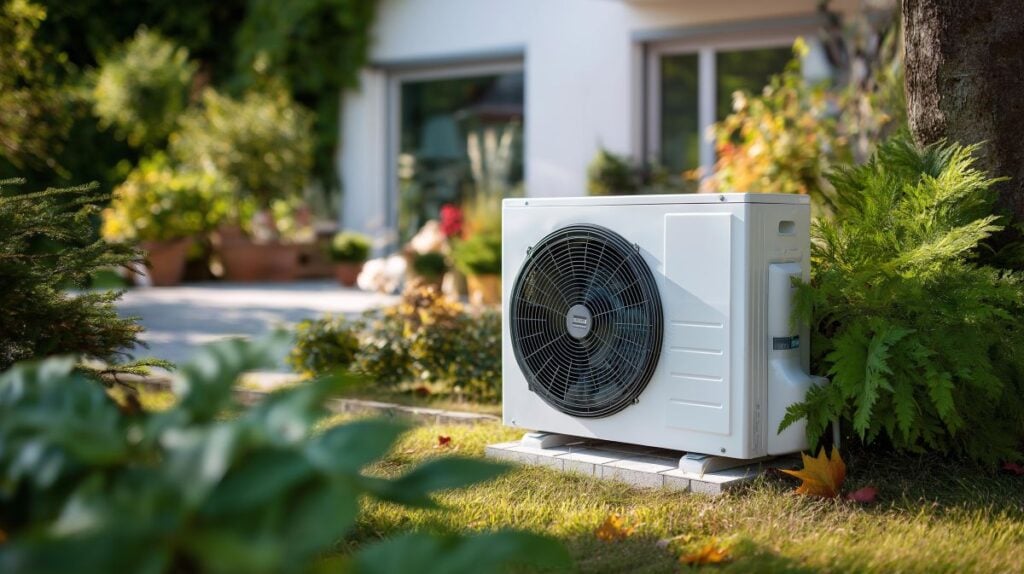
Heat pumps work differently than traditional furnaces. Instead of creating heat through combustion, they transfer heat from the outdoor air into your home. Because of this process, the air coming from vents may feel cooler than furnace heat even when the system is operating correctly.
However, when a heat pump actually blows cold air instead of warm air, it may signal an operational problem that requires attention.
For homeowners in Indian Land and surrounding areas, understanding the reasons behind this issue can help identify whether the system is functioning normally or needs professional repair.
Here are several reasons this issue should not be ignored.
- Maintains Home Comfort
Identifying the cause of cold airflow helps restore consistent indoor temperatures during colder months. - Protects HVAC Equipment
Addressing problems early prevents unnecessary strain on compressors, fans, and other system components. - Improves Energy Efficiency
A properly functioning heat pump operates efficiently and avoids excessive energy use. - Prevents Larger Repairs
Small issues such as airflow restrictions or sensor failures can escalate if left unresolved.
Because heat pumps operate continuously during colder weather, homeowners in Indian Land and surrounding areas may notice performance changes more quickly than with other heating systems.
7 Solutions When a Heat Pump Is Blowing Cold Air
If your heat pump is producing cold air instead of warm air, several issues may be responsible. Some causes are simple to resolve, while others require professional diagnostics.
1. Check the Thermostat Settings
The first step is to verify the thermostat configuration.
Sometimes the thermostat may accidentally be set to cooling mode or to a fan only setting, which causes the system to circulate unheated air.
Things to check include:
- Thermostat set to heating mode
- Temperature set higher than the current indoor temperature
- Fan set to automatic instead of continuous
Correct thermostat settings can quickly restore normal heating.
2. Understand the Defrost Cycle
Heat pumps occasionally enter a defrost cycle during cold weather to melt frost that forms on the outdoor coil.
During this cycle, the system temporarily switches to cooling mode to warm the coil. This may cause cool air to come from vents for a few minutes.
This is normal operation and typically lasts only a short time.
Signs the system is in defrost mode may include:
- Steam rising from the outdoor unit
- Outdoor fan stopping briefly
- Short bursts of cooler air indoors
Once the cycle finishes, normal heating resumes.
3. Replace a Dirty Air Filter
A clogged air filter restricts airflow and can prevent warm air from circulating properly.
When airflow becomes restricted, the heat pump may struggle to maintain heating performance.
Common symptoms include:
- Weak airflow from vents
- Uneven temperatures throughout the house
- Longer system run times
Replacing the air filter is one of the easiest maintenance tasks homeowners can perform.
4. Check for Refrigerant Issues
Refrigerant is essential for transferring heat in a heat pump system.
If refrigerant levels become low due to leaks or system problems, the heat pump may fail to absorb enough heat from the outdoor air.
Possible indicators of refrigerant issues include:
- Ice forming on refrigerant lines
- Reduced heating performance
- Hissing or bubbling sounds near the outdoor unit
Because refrigerant handling requires specialized tools, professional service is necessary for this repair.
5. Inspect the Reversing Valve
The reversing valve allows the heat pump to switch between heating and cooling modes.
If this valve becomes stuck or malfunctioning, the system may remain in cooling mode even when heat is requested.
Signs of a reversing valve issue may include:
- Consistent cold air when heating mode is selected
- System unable to switch modes
- Clicking sounds during operation
Technicians can diagnose and repair reversing valve problems.
6. Look for Frozen Outdoor Coils
Ice buildup on the outdoor coil can block heat absorption, reducing heating performance.
Frozen coils may occur due to:
- Airflow restrictions
- Refrigerant imbalances
- Dirty coils
- Faulty defrost systems
Allowing ice to melt and addressing the underlying cause helps restore normal operation.
7. Test the Auxiliary Heat System
Most heat pumps include an auxiliary heating element that activates when outdoor temperatures drop very low.
If this backup system fails, the heat pump may struggle to maintain warm airflow.
Signs of auxiliary heat problems include:
- Heat pump running constantly without warming the home
- Thermostat showing auxiliary heat but producing cool air
- Higher energy usage with limited heating results
Technicians can inspect and repair auxiliary heating components if needed.
Homeowners in Indian Land and surrounding areas often notice auxiliary heat issues during the coldest winter days.
Signs Your Heat Pump May Need Professional Repair
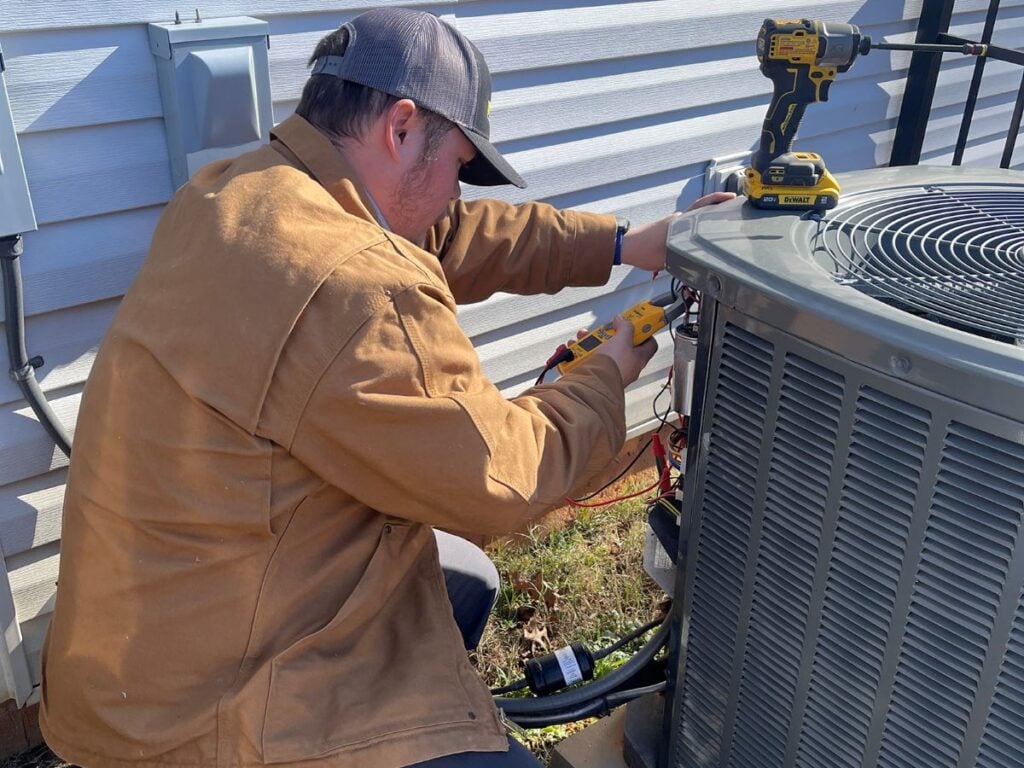
While some causes of cold airflow are simple to resolve, other situations require professional attention.
Recognizing these warning signs helps homeowners avoid system damage.
- Persistent Cold Air From Vents
If the system continuously blows cold air even after troubleshooting, mechanical or refrigerant problems may be present. - Strange Noises From the Outdoor Unit
Grinding, clicking, or buzzing sounds may indicate component failure or electrical issues. - Frequent System Cycling
A heat pump that repeatedly turns on and off may be struggling to maintain proper heating performance. - Rising Energy Bills
When the system works harder to produce heat, electricity consumption often increases. - Ice Covering the Outdoor Unit
Excessive ice buildup may indicate airflow restrictions or defrost cycle failures.
Homeowners in Indian Land and surrounding areas should consider scheduling professional diagnostics when these symptoms appear.
Preventing Heat Pump Heating Problems
Routine maintenance and proper system care can significantly reduce the risk of heating issues.
Several simple steps help keep heat pumps operating efficiently during colder months.
Keep the Outdoor Unit Clear
Outdoor heat pump units require proper airflow to absorb heat from the surrounding air.
Homeowners should regularly remove:
- Leaves and debris
- Snow accumulation
- Dirt buildup around the coil
Maintaining at least two feet of clearance around the unit improves performance.
Replace Air Filters Regularly
Clean filters ensure proper airflow throughout the HVAC system.
Most filters should be replaced every one to three months depending on usage and indoor air quality conditions.
Schedule Annual HVAC Inspections
Professional inspections help identify small issues before they become major problems.
Maintenance visits typically include:
- Refrigerant level checks
- Electrical component testing
- Coil cleaning
- Airflow inspection
Routine service helps ensure reliable heating during winter.
Monitor Thermostat Operation
Smart thermostats and programmable systems help maintain consistent temperatures and reduce unnecessary system cycling.
Proper thermostat calibration ensures the heat pump responds accurately to indoor temperature changes.
Heat Pump Heating vs Furnace Heating
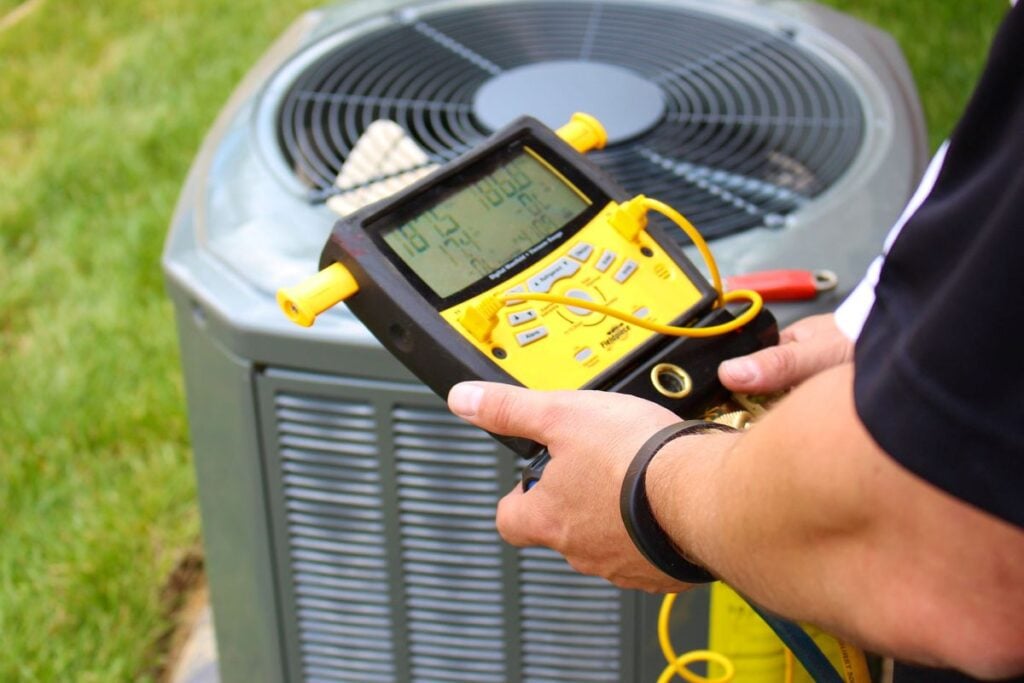
Understanding how heat pump heating differs from furnace heating can help homeowners recognize normal system behavior.
| Feature | Heat Pump Heating | Furnace Heating |
| Heat Source | Transfers heat from outdoor air | Generates heat through combustion or electricity |
| Air Temperature | Warm but often milder airflow | Hot airflow from vents |
| Efficiency | Very efficient in moderate climates | Efficiency depends on fuel type |
| Operation | Runs longer cycles | Shorter but hotter heating cycles |
This comparison helps explain why heat pump airflow may feel cooler even when the system is working correctly.
Restore Reliable Heating With Panther HVAC
When a heat pump begins blowing cold air, it can quickly disrupt home comfort during colder weather. While some causes are simple maintenance issues, others may require professional inspection and repair.
If your heat pump is struggling to keep your home warm, the experienced team at Panther HVAC is ready to help homeowners in Indian Land and surrounding areas diagnose and resolve heating issues quickly. For professional service and expert guidance, contact us today and let Panther HVAC restore comfort to your home.
