
 Schedule
  (803) 327-2700
 Heat Pump Stuck in Defrost Cycle? (7 Common Solutions)
When outdoor temperatures drop, heat pumps rely on a built in system to prevent frost from blocking airflow. The heat pump defrost cycle temporarily switches the unit into cooling mode to melt ice on the outdoor coil. When everything works properly, this cycle runs briefly and then returns to heating. But if the system gets stuck in defrost mode, your home may stop heating efficiently. Learning how the cycle works can help homeowners recognize problems early and explore solutions such as professional heat pump services when needed.
In this guide, you will learn:
- What the defrost cycle does and why it is necessary
- Common signs your heat pump may be stuck in defrost mode
- Step by step troubleshooting tips homeowners can try
- Causes behind persistent defrost cycle problems
- When professional repair is the best option
Why the Defrost Cycle Is Essential for Heat Pump Performance
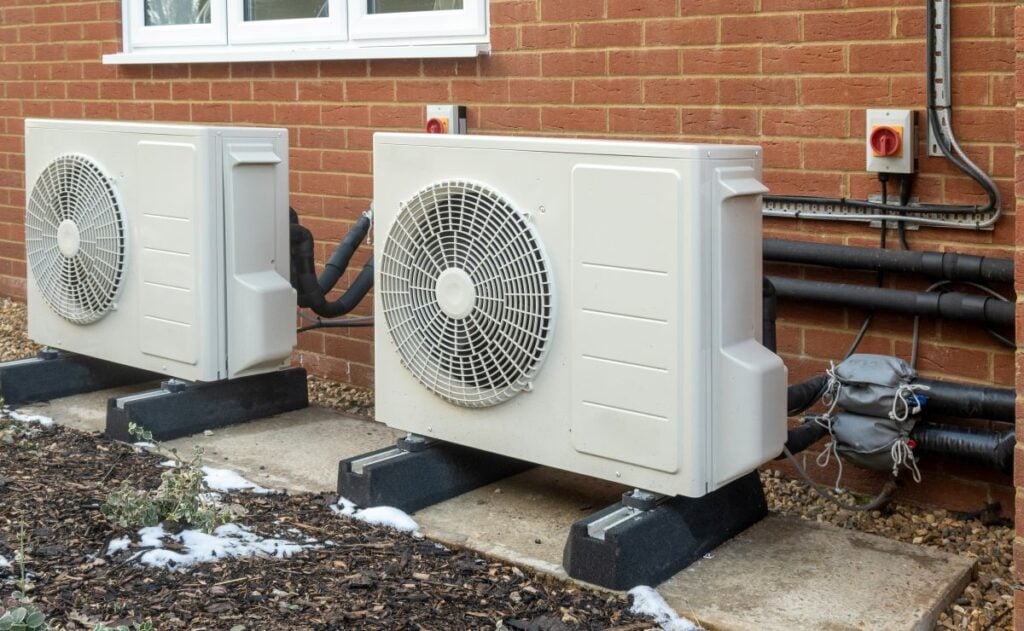
Heat pumps work differently from traditional furnaces. Instead of generating heat directly, they transfer heat from the outdoor air into your home. During cold weather, moisture in the air can freeze on the outdoor coil, forming frost that blocks airflow.
To keep the system running efficiently, the heat pump periodically activates a defrost cycle that melts this frost. The cycle typically lasts only a few minutes before normal heating resumes.
For homeowners in Rock Hill and surrounding areas, understanding how this process works can prevent unnecessary concern when the system briefly switches modes during cold weather.
Here are several reasons the defrost cycle plays such an important role in heat pump operation.
- Maintains Airflow Efficiency
Frost buildup restricts airflow across the outdoor coil. The defrost cycle removes ice so the system can continue absorbing heat effectively. - Protects Internal Components
Allowing ice to accumulate on the coil can strain the compressor and fan motor. Regular defrost cycles help prevent mechanical damage. - Ensures Reliable Heating
A properly functioning defrost cycle allows your heat pump to maintain consistent indoor temperatures even during cold and humid conditions. - Prevents Long Term System Damage
Ice buildup that is not addressed can eventually damage refrigerant lines or coil surfaces. The defrost cycle prevents these issues before they escalate.
Because frost formation depends on temperature and humidity, the cycle may run more frequently during damp winter weather in Rock Hill and surrounding areas.
7 Common Solutions When a Heat Pump Gets Stuck in Defrost Mode
A brief defrost cycle is normal, but a system that remains in defrost mode for extended periods may have a mechanical or electrical issue. Several troubleshooting steps can help identify the problem.
1. Check the Outdoor Unit for Heavy Ice Buildup
The first step is to visually inspect the outdoor unit.
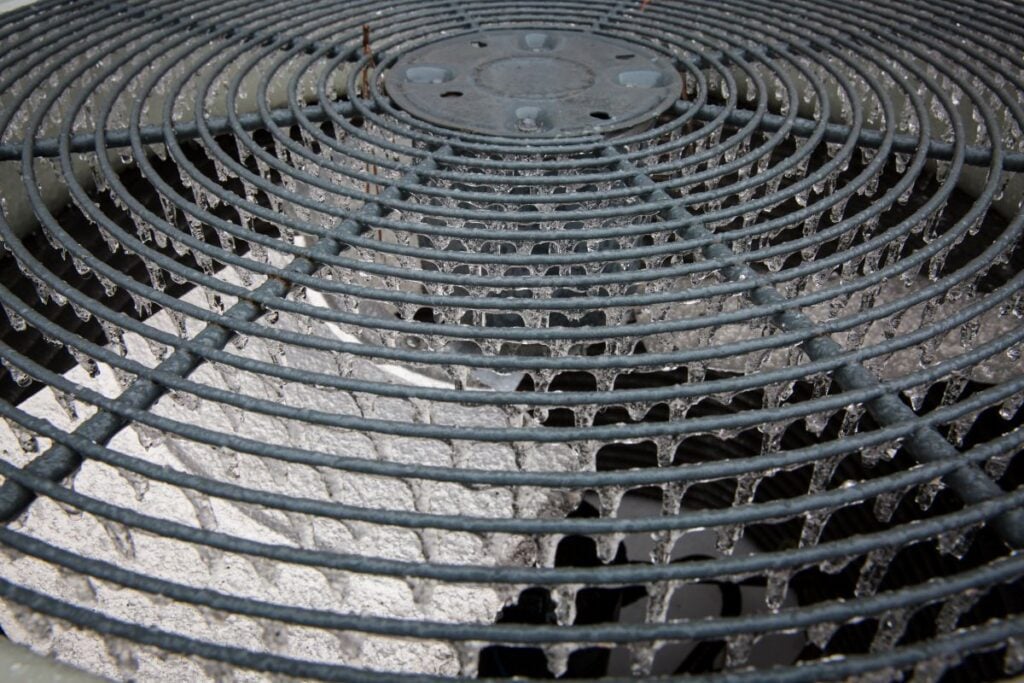
While a light frost coating is normal, thick ice covering the coil or fan can indicate that the defrost cycle is not functioning properly.
Look for signs such as:
- Ice covering the entire outdoor coil
- Frozen fan blades
- Frost extending to refrigerant lines
If heavy ice is present, turn off the heat pump and allow the ice to melt naturally before restarting the system.
2. Inspect the Defrost Control Board
The defrost control board manages when the cycle begins and ends. If this board fails, the system may remain in defrost mode longer than necessary.
Signs of control board issues may include:
- Defrost cycle activating too frequently
- Heat pump failing to exit defrost mode
- System switching between modes erratically
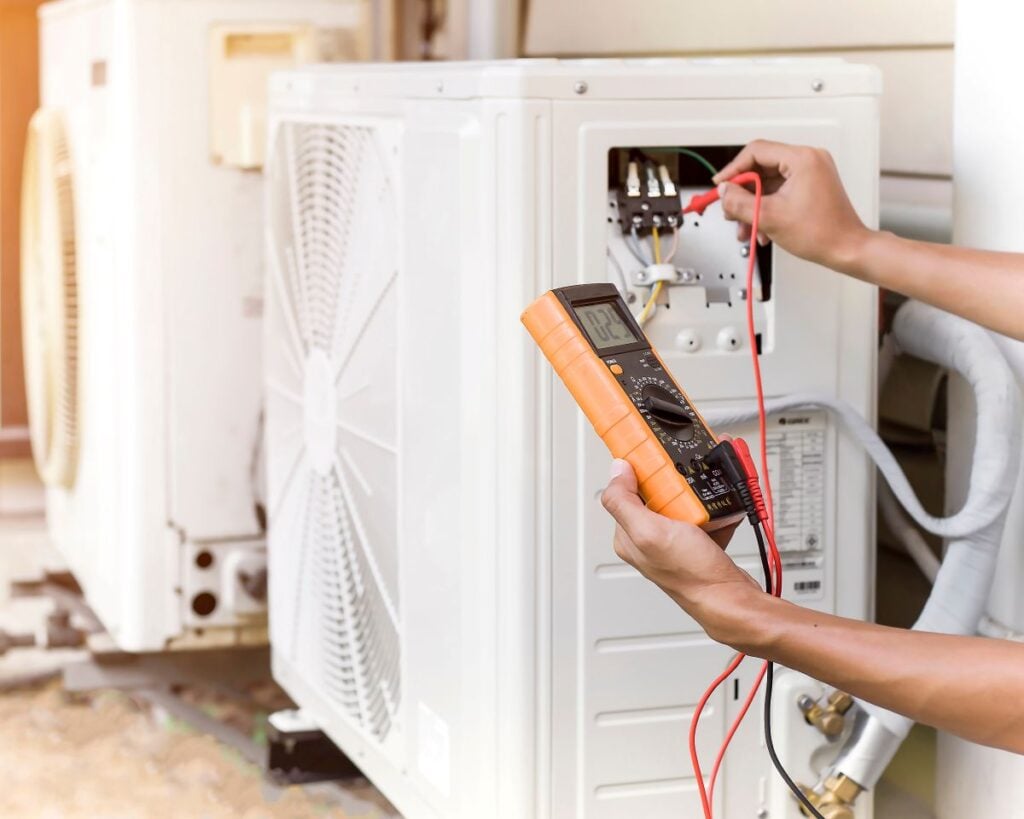
This component typically requires professional diagnosis because electrical testing tools are needed.
3. Examine the Defrost Sensor
Heat pumps rely on a temperature sensor to detect when frost begins forming on the outdoor coil.
If the sensor becomes faulty, it may send incorrect readings to the control board.
Potential symptoms include:
- Defrost cycles starting unnecessarily
- System staying in defrost longer than expected
- Heating performance decreasing significantly
A technician can test and replace the sensor if needed.
4. Check for Refrigerant Issues
Low refrigerant levels can cause the outdoor coil to become excessively cold, leading to heavy frost accumulation.
Common signs of refrigerant problems include:
- Ice buildup appearing rapidly
- Reduced heating capacity
- Hissing sounds near refrigerant lines
Refrigerant adjustments should always be handled by licensed HVAC professionals.
5. Inspect the Reversing Valve
During defrost mode, the heat pump temporarily switches into cooling mode using a reversing valve. If this valve becomes stuck, the system may remain in defrost.
Signs of reversing valve problems include:
- Unit blowing cool air indoors during heating
- Defrost mode lasting unusually long
- Loud clicking sounds when switching modes
Replacing or repairing a reversing valve typically requires specialized expertise.
6. Verify the Outdoor Fan Operation
The outdoor fan helps move air across the coil. If the fan fails to operate properly, frost may accumulate quickly.
Check whether the fan is spinning during operation.
Possible fan related issues include:
- Motor failure
- Loose wiring connections
- Debris blocking the blades
Addressing these problems can restore normal airflow and reduce frost buildup.
7. Reset the Heat Pump System
In some cases, the system may simply need a reset.
Turn off the thermostat, shut off the breaker to the unit, and wait several minutes before restoring power.
This process allows the control board to reboot and may resolve minor electronic glitches.
Homeowners in Rock Hill and surrounding areas sometimes find that a simple reset restores normal heating operation.
Warning Signs Your Heat Pump May Have a Defrost Cycle Problem
While the defrost cycle is designed to operate automatically, certain warning signs can indicate something is wrong. Identifying these symptoms early can prevent system damage and costly repairs.
- Constant Steam or Vapor From the Outdoor Unit
During a normal defrost cycle, you may briefly see steam rising from the outdoor unit as frost melts. However, if steam appears frequently or continuously, the unit may be cycling too often. - Heat Pump Blowing Cool Air Indoors
Because the system temporarily switches to cooling mode during defrost, indoor air may feel slightly cooler for a short time. If cool air continues blowing for extended periods, the system may be stuck in defrost mode. - Ice Covering the Entire Outdoor Unit
Light frost is normal, but thick ice covering the unit indicates the defrost cycle is not functioning properly. - Higher Energy Bills
A heat pump that struggles with frost buildup must work harder to maintain indoor temperatures. This increased workload often leads to higher energy costs. - Short Cycling or Frequent Mode Changes
If the system repeatedly switches between heating and defrost modes, a faulty sensor or control board may be responsible.
Homeowners in Rock Hill and surrounding areas often notice these symptoms during particularly cold or humid winter days.
Preventing Defrost Cycle Issues With Proper Maintenance
Many defrost cycle problems develop gradually due to lack of maintenance. Routine care can help keep the system operating smoothly throughout the heating season.
Keep the Outdoor Unit Clear
Debris around the outdoor unit can trap moisture and restrict airflow.
Make sure the area around the unit remains clear of:
- Leaves and branches
- Snow buildup
- Landscaping that blocks airflow
Maintaining at least two feet of clearance around the unit helps improve airflow.
Replace Air Filters Regularly
Dirty air filters restrict airflow through the indoor system, forcing the heat pump to work harder.
Replacing filters every one to three months can help maintain efficient operation.
Schedule Annual Heat Pump Inspections
Professional inspections allow technicians to detect minor issues before they become major problems.
During a typical maintenance visit, technicians may:
- Test the defrost control board
- Inspect sensors and wiring
- Check refrigerant levels
- Clean coils and fan components
Routine inspections are especially valuable for homeowners in Rock Hill and surrounding areas who rely on heat pumps throughout the winter.
Monitor Unusual System Behavior
Homeowners should pay attention to any unusual system behavior during cold weather.
Examples include:
- Long defrost cycles
- Loud or unusual noises
- Decreased heating performance
Addressing these symptoms early can prevent larger mechanical failures.
Heat Pump Defrost Cycle vs Normal Heating Operation
Understanding the difference between normal heating and defrost operation can help homeowners determine when something is wrong.
| Feature | Normal Heating Mode | Defrost Cycle |
| Airflow | Warm air enters home | Air may feel slightly cooler |
| Outdoor Unit | Fan running normally | Steam may appear briefly |
| Duration | Continuous heating | Usually lasts a few minutes |
| Purpose | Heat transfer into home | Melt frost on outdoor coil |
Recognizing these differences can help homeowners avoid unnecessary concern while still identifying potential issues.
Restore Reliable Heat With Help From Panther HVAC
The defrost cycle plays a critical role in helping heat pumps operate efficiently during cold weather. When it works properly, the cycle removes frost quickly and allows the system to continue heating your home. But when a heat pump becomes stuck in defrost mode, heating performance drops and energy usage increases.
Understanding the warning signs and possible causes can help homeowners address problems early before they lead to costly system damage. Whether the issue involves sensors, refrigerant levels, or electrical components, professional diagnosis is often the fastest way to restore reliable heating.
If your system appears stuck in defrost mode or is struggling to keep your home warm, the experienced technicians at Panther HVAC are ready to help homeowners in Rock Hill and surrounding areas get their systems back on track. For expert inspection and repair services, contact us today and let Panther HVAC keep your home comfortable through every season.
