
 Schedule
  (803) 327-2700
 Heat Pump Installation: What to Know Before You Start
Installing a heat pump is an excellent way to improve your home’s energy efficiency and comfort throughout the year. Whether you are replacing an old HVAC system or installing a heating and cooling solution for the first time, understanding the essentials of heat pump installation is crucial for making informed decisions. This guide covers everything you need to know before starting the process, ensuring you achieve optimal performance and savings. For those looking to explore options, learning about professional heat pump services can streamline your decision-making and installation experience.
- Key benefits of installing a heat pump in your home
- Essential steps involved in the heat pump installation process
- Common factors to consider before choosing a heat pump system
- Tips to ensure a successful installation and long-lasting performance
- Best practices to maintain your heat pump after installation
Why Heat Pump Installation Is a Smart Investment
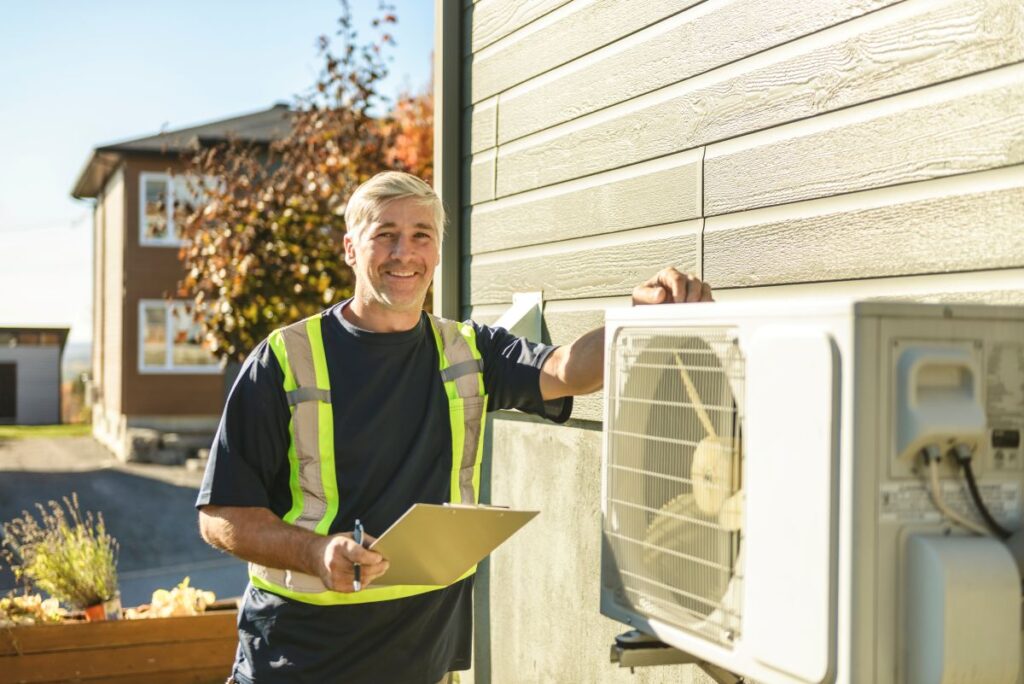
Heat pumps have rapidly gained popularity due to their efficiency and versatility in providing both heating and cooling. They work by transferring heat rather than generating it, which significantly reduces electricity consumption. Here are some key reasons why heat pump installation is worth considering for your home:
- Energy Efficiency: Heat pumps typically use up to 50% less electricity compared to conventional HVAC systems, resulting in lower utility bills.
- Year-Round Comfort: Unlike traditional heating systems, heat pumps provide both cooling during summer and heating in winter, ensuring comfort every season.
- Environmentally Friendly: By using less electricity and avoiding combustion, heat pumps help reduce carbon emissions and your home’s environmental footprint.
- Long-Term Savings: Although upfront costs can be higher, energy savings over time often result in a favorable return on investment.
- Incentives and Rebates: Many regions offer incentives and tax rebates for heat pump installation, which can offset equipment and installation expenses.
7 Critical Steps in the Heat Pump Installation Process
Understanding the installation steps helps homeowners plan and ensures the new system operates efficiently. Below is a detailed breakdown of the typical process involved in installing a heat pump:
1. Initial Assessment and Load Calculation
Proper sizing of your heat pump is essential to prevent energy waste or inadequate heating and cooling. A professional technician will assess your home’s size, insulation, and energy demands.
- The heating and cooling load calculation determines the optimal system size.
- Considerations include windows, wall insulation, and local climate conditions.
2. Selecting the Right Heat Pump Type
There are different types of heat pumps, including air-source, ground-source (geothermal), and ductless mini-split models. Selecting the best type depends on your home’s setup and budget.
- Air-source heat pumps are the most common and suitable for many climates.
- Geothermal heat pumps offer superior efficiency but require additional excavation work.
- Ductless mini-splits are ideal for homes without existing ductwork or for room-specific heating and cooling.
3. Preparing the Installation Site
Site preparation involves clearing space for the outdoor unit and ensuring proper airflow and drainage.
- The outdoor unit should be placed on a solid, level surface away from obstructions.
- Indoor placement must facilitate efficient ductwork connections or unit installation.
4. Electrical and Refrigerant Setup
Proper wiring and refrigerant line installation are crucial for safe and efficient heat pump operation.
- Technicians connect the unit to your home’s electrical system according to local codes.
- Refrigerant lines are installed and charged to ensure optimal heat transfer.
5. Ductwork Modifications or Installation
If you have an existing duct system, it might require adjustment or sealing to optimize airflow with the new heat pump.
- Dirty or leaky ducts can reduce system efficiency, so inspections are necessary.
- For homes without ducts, ductless units provide an effective alternative.
6. System Testing and Calibration
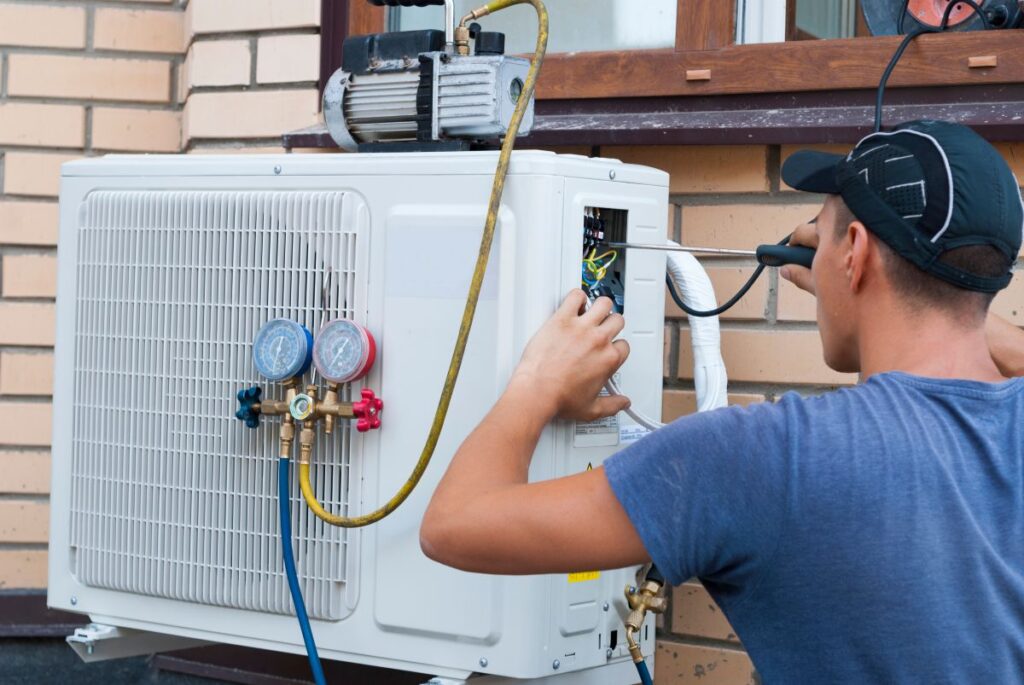
After installation, technicians rigorously test the heat pump to confirm all components function properly.
- They check refrigerant pressure, electrical connections, and thermostat settings.
- Any adjustments needed to improve performance are addressed before completion.
7. User Training and Maintenance Guidance
Your installer will explain how to operate the heat pump efficiently and provide tips on routine maintenance.
- Regular filter changes, outdoor unit clearance, and seasonal inspections extend lifespan.
- Scheduling professional tune-ups can prevent unexpected breakdowns.
Common Considerations Before Installing a Heat Pump
Making sure you understand certain factors before installation can help avoid surprises and ensure your new system meets your needs.
- Climate Suitability: Heat pumps perform best in moderate climates; however, modern cold-climate models can handle harsher winters.
- Home Insulation: Well-insulated homes optimize heat pump efficiency and comfort.
- Upfront Investment: Consider long-term savings against initial costs, including installation and any home modifications.
- Noise Levels: Many newer units operate quietly, but reviewing noise ratings can reassure sensitive homeowners.
- System Compatibility: Ensure your existing electrical system and ductwork (if applicable) are compatible or plan for upgrades.
Enhancing Your Heat Pump’s Performance and Longevity
Proper installation is just the beginning. Maintaining your heat pump can yield maximum energy savings and ensure reliable heating and cooling when you need it most.
Regular Maintenance Tasks
- Filter Changes: Replace air filters every 1 to 3 months to maintain airflow and indoor air quality.
- Outdoor Unit Clearance: Keep the outdoor compressor unit free from debris such as leaves, snow, and grass.
- Professional Inspections: Annual tune-ups by certified technicians can detect refrigerant leaks and electrical issues early.
Optimizing System Settings
- Programmable Thermostats: Use smart thermostats to adjust temperatures automatically based on your schedule.
- Temperature Settings: Avoid setting the thermostat too high or low to reduce energy consumption and strain on the system.
Troubleshooting Common Issues
- If your heat pump struggles to heat or cool, check for blocked vents or clogged filters.
- Unusual noises or uneven temperatures should prompt a call to a professional technician.
Comparing Heating Options
Choosing the right system depends on your climate, budget, and efficiency goals. If you’re weighing your options, our guide on heat pump vs furnace offers a detailed comparison to help you find the best long-term value for your home.
Exploring Financing and Incentive Options for Heat Pump Installation

Understanding financial aspects of heat pump installation can help you make cost-effective decisions.
Government Rebates and Tax Credits
Many local and federal programs offer rebates or tax incentives to encourage energy-efficient upgrades.
- Check eligibility requirements carefully to maximize savings.
- Some incentives apply only to specific heat pump types or installation methods.
Financing Plans and Loans
Several providers offer financing options that spread the cost over time, often with low or zero interest rates.
- Explore payment plans that align with your budget.
- Some utilities also provide special loans for energy-efficient installations.
Comparing Installation Quotes
Obtaining multiple professional quotes ensures competitive pricing and helps you evaluate service quality.
- Review warranty terms and installer qualifications carefully.
- Transparent pricing helps avoid unexpected expenses.
Starting Your Heat Pump Journey with Panther
Investing in heat pump installation is a decision that brings comfort, savings, and environmental benefits to your home. When planned and executed properly, it adds value and efficiency for years to come. If you are ready to enhance your home’s climate control, do not hesitate to contact us today for expert guidance and professional heat pump services from Panther. Our experienced team will help you every step of the way, ensuring a smooth and successful installation in your area.
