
 Schedule
  (803) 327-2700
 The 7 Most Common Heat Pump Repair Problems Solved!
When your heat pump suddenly stops keeping your home comfortable, it can quickly turn from a minor inconvenience into a major frustration. Because your system both heats and cools your home, any malfunction affects you year-round. The good news? Many of the most frequent heat pump repair issues are easy to identify and can be resolved efficiently with the right expertise.
A properly functioning heat pump maintains steady temperatures and humidity while using far less energy than separate heating and cooling systems. But when something goes wrong—strange noises, poor airflow, or uneven temperatures—it’s a sign your system may need service. If you notice consistent performance issues or rising energy bills, it may be time to look into professional heating system repair services before the problem worsens.
In this guide, you’ll learn:
- Why routine maintenance prevents most heat pump failures
- The most common repair problems and what causes them
- Signs to watch for before breakdowns occur
- How seasonal tune-ups protect efficiency and longevity
- What HVAC professional technicians check during service calls
- Steps homeowners can take to prevent costly repairs
Why Heat Pump Maintenance and Repair Matter
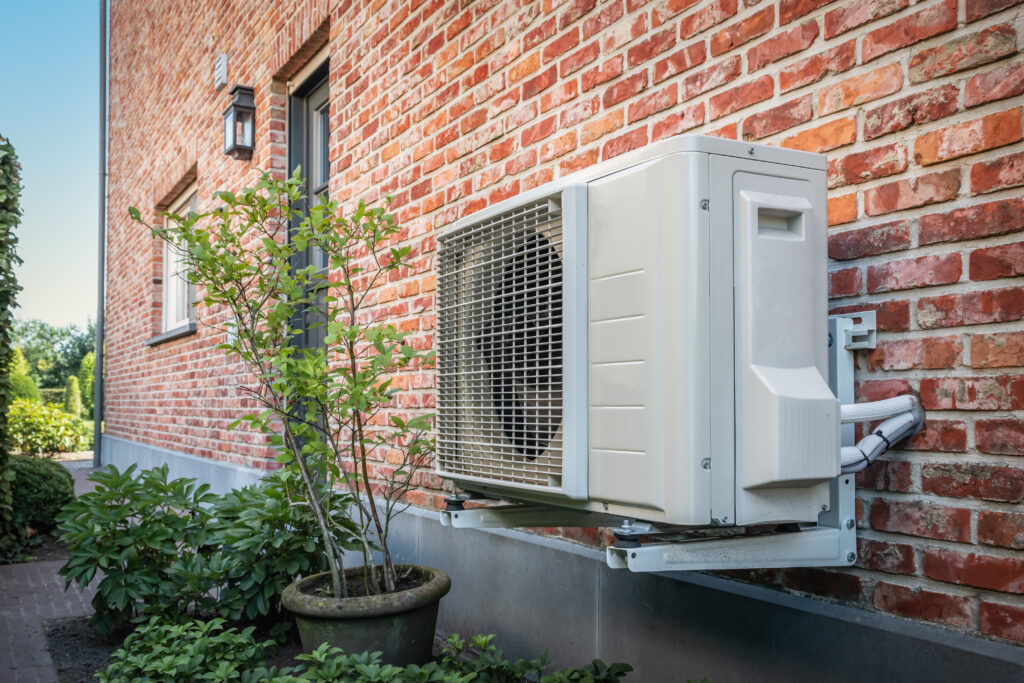
Heat pumps are efficient, but they rely on multiple components working in perfect harmony—compressors, coils, fans, and refrigerant lines. When one part struggles, it can affect the whole system’s ability to heat or cool effectively.
Here’s why staying proactive about repair and maintenance is so important:
- Energy Efficiency: A neglected system uses up to 25% more energy to produce the same results. Regular maintenance ensures your system operates efficiently all year.
- Comfort Consistency: Proper repairs restore airflow, temperature balance, and dehumidification for steady indoor comfort.
- System Longevity: Addressing issues early reduces wear and tear, helping your unit last several years longer.
- Fewer Emergencies: Routine service catches small issues before they cause total system failure during peak heating or cooling seasons.
- Lower Utility Bills: Clean, calibrated systems run more smoothly and consume less energy to achieve desired comfort levels.
In Charlotte, NC and surrounding areas, where humidity and temperature swings are common, properly maintained heat pumps are key to reliable, affordable comfort all year long.
7 Most Common Heat Pump Repair Problems and Their Fixes
Understanding what can go wrong with your heat pump helps you spot issues early and avoid expensive repairs later. Here are the most frequent problems technicians encounter—and how they’re solved.
1. Insufficient Heating or Cooling
When your heat pump fails to maintain temperature, the culprit could be as simple as a clogged filter or as serious as a refrigerant leak.
Common causes include:
- Dirty or blocked air filters restricting airflow
- Low refrigerant levels due to leaks
- Malfunctioning reversing valve (responsible for switching between heating and cooling modes)
Solution: A technician will inspect filters, refrigerant levels, and valves. Replacing or cleaning filters may restore proper airflow, while refrigerant repairs require certified professionals to locate and seal leaks safely.
2. Frozen Coils or Outdoor Unit
Ice buildup on coils is a classic heat pump issue, especially during colder months. While some frost is normal, excessive icing signals a deeper problem.
Possible causes:
- Restricted airflow from dirty filters or blocked vents
- Faulty defrost control or sensors
- Low refrigerant leading to pressure imbalance
Solution: Turn off the system and call for professional inspection. A technician will clean coils, test the defrost cycle, and check refrigerant pressure. Prevent future freezes by keeping filters clean and ensuring airflow around the outdoor unit. Scheduling a comprehensive HVAC inspection is the best way to catch these issues early and ensure your system is prepared for seasonal temperature shifts.
3. Short Cycling (Constant On/Off Operation)
If your system turns on and off too frequently, it wastes energy and wears down internal parts quickly.
Likely causes:
- Thermostat miscalibration
- Oversized system that heats or cools too quickly
- Dirty or blocked coils preventing proper heat exchange
Solution: Technicians test thermostat accuracy and adjust or replace it if necessary. They’ll also clean coils and assess whether system sizing matches your home’s heating and cooling needs. Once your device is calibrated, you can further enhance your comfort and savings by following the recommended thermostat settings for summer and winter to keep your home efficient year-round.
4. Unusual Noises During Operation
Grinding, rattling, or buzzing sounds aren’t just annoying—they often indicate mechanical wear or loose components.
Typical causes include:
- Loose fan blades or mounting bolts
- Failing compressor bearings
- Debris in the outdoor unit
Solution: Turn off your system immediately to prevent damage. Technicians will tighten connections, remove debris, or replace worn mechanical parts as needed.
5. Heat Pump Running Constantly
Your system shouldn’t run non-stop once it reaches the target temperature. When it does, efficiency suffers and components wear faster.
Possible causes:
- Thermostat set incorrectly or stuck in the wrong mode
- Low refrigerant charge causing inadequate heat transfer
- Dirty coils making the unit work harder
- Poor insulation or air leaks in the home
Solution: A technician will test refrigerant levels, clean the unit, and verify thermostat operation. Improving home insulation can also help the system cycle normally.
6. Tripped Breakers or Electrical Failures
Heat pumps rely heavily on electrical components, so power interruptions are common warning signs.
Potential causes include:
- Overloaded circuits from worn motors or faulty wiring
- Blower motor or capacitor failure
- Short circuits or loose connections
Solution: Professionals inspect and replace faulty electrical parts and ensure all wiring meets code. Never reset breakers repeatedly—this can lead to further electrical damage.
7. Weak or Inconsistent Airflow
If your vents barely push air, your system may not be moving enough air through ducts.
Typical reasons include:
- Clogged air filters
- Damaged ductwork or disconnected sections
- Dirty blower fan or motor problems
Solution: Cleaning ducts and replacing filters often fixes the issue. For severe airflow restriction, duct sealing or blower motor repair may be required.
Signs It’s Time to Call a Professional
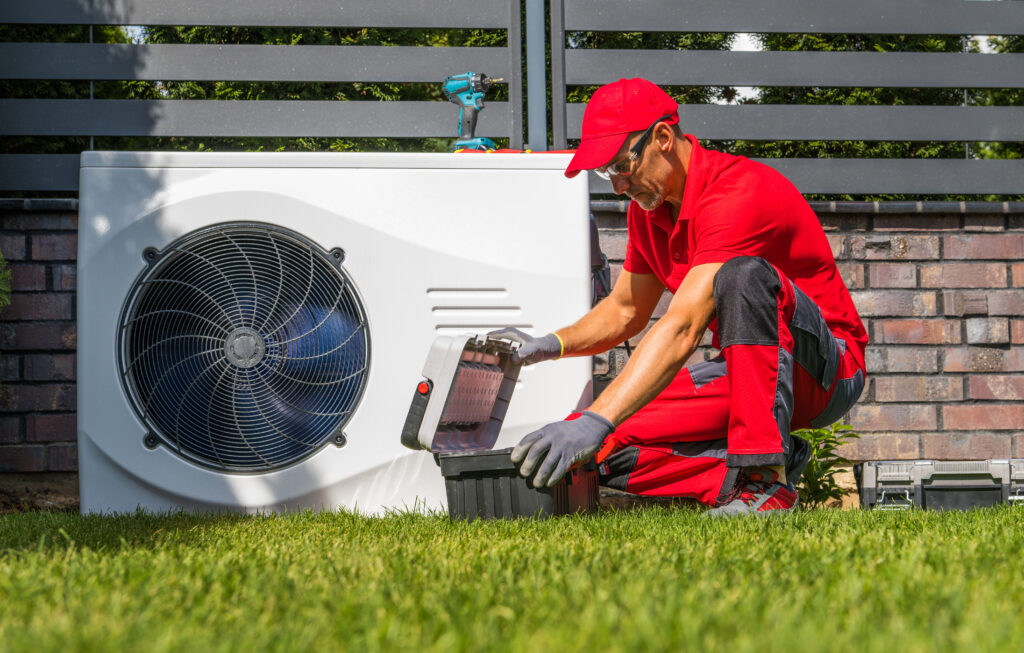
While some maintenance tasks are homeowner-friendly—like cleaning filters or clearing debris—other issues need expert attention. Recognizing these warning signs early helps prevent bigger problems.
Watch for:
- Persistent frost or ice buildup
- Burning or electrical odors
- Uneven heating or cooling between rooms
- High energy bills without increased usage
- Unusual rattling or grinding noises
If you experience more than one of these symptoms, schedule service right away. In Charlotte, NC and surrounding areas, delaying a repair could mean the difference between a simple fix and a full system replacement.
How Preventive Maintenance Keeps Repairs Away
Routine tune-ups are the best way to prevent most heat pump repairs. A well-maintained system runs smoother, lasts longer, and costs less to operate.
What Technicians Check During Maintenance
- Inspect and clean condenser and evaporator coils
- Test refrigerant levels and pressure
- Calibrate the thermostat
- Tighten electrical connections
- Lubricate moving parts
- Verify defrost and reversing valve function
- Check duct airflow and return balance
Benefits of Regular Tune-Ups
- Lower Repair Costs: Catching minor issues early prevents major breakdowns.
- Better Efficiency: Clean components mean less energy waste.
- Consistent Comfort: Reliable performance across all seasons.
- Extended System Life: Proper care helps your unit last several extra years.
Most experts recommend scheduling professional maintenance twice a year—once in spring before cooling season and again in fall before heating season. To help you keep track of what needs to be done during these visits, you can refer to our comprehensive HVAC maintenance checklist to ensure your system is fully prepared for the upcoming weather.
Heat Pump Repairs vs. Replacement: Knowing When It’s Time
Even with regular maintenance, every system has a lifespan. Most heat pumps last between 12 and 15 years, depending on usage and care. At some point, repair costs outweigh replacement benefits.
Use this quick comparison to guide your decision:
| Situation | Repair Recommended | Replacement Recommended |
| System under 10 years old | ✅ Minor part repairs only | |
| Repeated breakdowns each season | ✅ Invest in a new system | |
| Rising energy bills despite maintenance | ✅ High-efficiency upgrade | |
| Repair costs exceed 40% of new system | ✅ Replacement more economical | |
| Minor refrigerant leak or dirty coils | ✅ Easy fix |
If your heat pump is nearing the end of its lifespan and repair costs are adding up, replacing it with a newer, energy-efficient model can actually save more money over time.
DIY Heat Pump Care Tips for Homeowners
You don’t need to be a technician to help your heat pump perform its best. Simple monthly habits can prevent small issues from turning into major repairs.
- Clean or replace air filters regularly. Clogged filters are the number-one cause of system strain.
- Clear debris from the outdoor unit. Keep at least two feet of open space around it.
- Inspect vents and registers. Ensure they’re not blocked by furniture or curtains.
- Check your thermostat settings. Verify it’s in the correct mode (heat or cool) for the season.
- Schedule professional service twice yearly. Regular inspections ensure everything runs efficiently.
Taking small preventive steps helps you avoid major issues and keeps energy costs predictable.
Keep Your Heat Pump Running Smoothly All Year
Your heat pump is one of the hardest-working systems in your home. When it starts showing signs of trouble, quick action and professional care can make all the difference. By recognizing the most common repair problems and investing in regular maintenance, you can enjoy consistent comfort, lower energy bills, and fewer breakdowns.
Panther HVAC proudly serves Charlotte, NC and surrounding areas with expert diagnostics, repairs, and maintenance for all major heat pump brands. Whether your system is struggling to keep up or you just want peace of mind for the seasons ahead, contact us today to schedule professional service and keep your home comfortable year-round.
