
 Schedule
  (803) 327-2700
 Heat Pump vs Furnace: What is The Best Option for Your Home?
Choosing the right heating system for your home is an important decision that impacts comfort, energy efficiency, and costs. When considering heat pump vs furnace, homeowners often weigh benefits, expenses, and environmental impact to determine the best fit. Whether you’re building a new home or upgrading an existing system, understanding these differences can guide you toward a heating solution that meets your needs. For instance, exploring professional heat pump services can provide clarity on how a heat pump could perform in your residence.
- Compare how heat pumps and furnaces operate and their energy sources
- Learn the pros and cons of each heating system
- Discover cost implications and maintenance needs
- Explore which heating option suits different climates and home types
Understanding the Basics of Heat Pumps and Furnaces

Heating your home efficiently depends largely on the type of system installed. Both heat pumps and furnaces have distinct mechanisms that affect how they heat your space. Knowing how each operates by HVAC-qualified technicians helps in making an informed decision that aligns with your climate, budget, and comfort preferences.
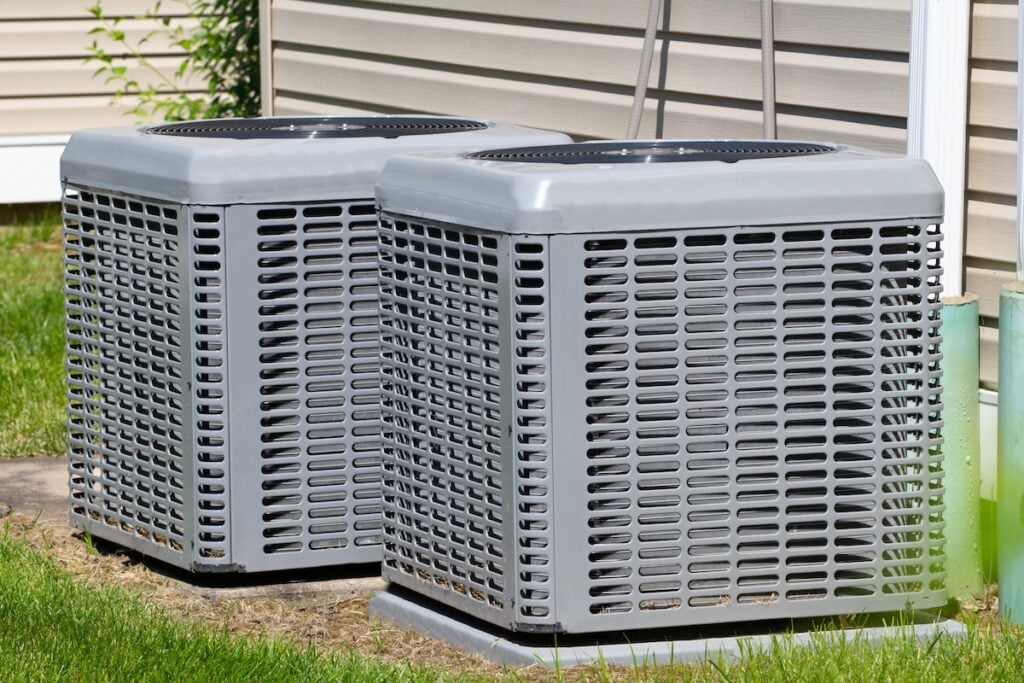
- Heat Pump Operation: Transfers heat between your home and the outside air, working as both a heater and an air conditioner.
- Furnace Operation: Burns fuel such as natural gas, oil, or electricity to produce heat, distributing warm air through ducts.
- Energy Efficiency: Heat pumps generally use less electricity compared to electric furnaces but perform differently in extreme cold.
- Environmental Impact: Heat pumps typically have a smaller carbon footprint due to using ambient air heat and less direct combustion.
7 Key Factors to Consider When Choosing Between Heat Pump vs Furnace
When deciding between a heat pump and a furnace, it’s essential to evaluate various factors that influence performance, cost, and usability.
1. Climate Suitability
Heat pumps operate most efficiently in moderate climates where temperatures don’t frequently plummet below freezing. Furnaces excel in colder regions, providing reliable heat during harsh winters.
- Heat Pump: Best for mild to moderate climates
- Furnace: Ideal for colder climates with prolonged freezing temperatures
2. Installation and Equipment Costs
The upfront investment varies depending on system complexity and fuel availability. Heat pumps can be more expensive initially but may offer savings over time through efficiency.
- Heat Pump: Higher installation cost, especially for dual-function systems
- Furnace: Generally less expensive to install, especially gas furnaces
3. Energy Efficiency and Savings
Energy consumption and utility bills depend on how effectively the system converts energy into heat.
- Heat Pump: Often more energy-efficient by transferring heat rather than generating it
- Furnace: Efficiency varies with fuel type; modern furnaces boast high Annual Fuel Utilization Efficiency (AFUE) ratings
4. Environmental Considerations
Choosing a heating solution that minimizes environmental harm is a growing priority for many homeowners.
- Heat Pump: Uses renewable ambient heat, lowering greenhouse gas emissions
- Furnace: Relies on fossil fuel combustion, contributing to carbon emissions
For those looking to achieve the highest level of sustainability, moving beyond standard systems to underground energy sources is a game-changer. To see how these systems utilize stable earth temperatures to maximize efficiency, explore our resource on geothermal heat pumps.
5. Maintenance Requirements
Each system demands regular upkeep for optimal performance and longevity.
- Heat Pump: Requires periodic filter changes and system inspections
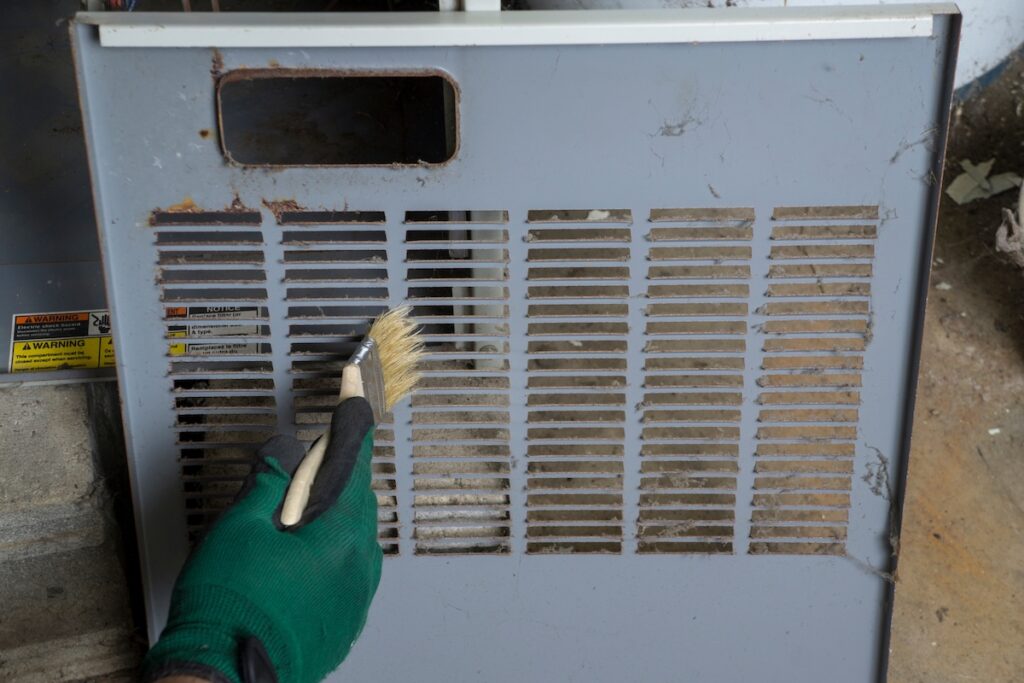
- Furnace: Needs routine cleaning, filter replacement, and inspection of burners and heat exchangers
6. Lifespan and Durability
Understanding how long these systems typically last can influence your buying decision and budget planning.
- Heat Pump: Typically lasts 10-15 years
- Furnace: Can last 15-20 years or more with proper maintenance
7. Comfort and Indoor Air Quality
Comfort isn’t just about warmth; it includes humidity control and evenness of temperature distribution.
- Heat Pump: Offers both heating and cooling, maintaining consistent indoor temperatures
- Furnace: Provides strong, steady heat but typically requires a separate air conditioning system
Additional Insights on Heat Pump and Furnace Systems
Beyond the key factors above, there are other considerations that might influence your choice of heating system. These aspects often involve technological advances and integration possibilities suitable for modern homes. If you are a homeowner in the local area looking to upgrade, Panther Heating and Cooling provides expert furnace installation in Pineville, NC, to ensure your new system is integrated perfectly for maximum efficiency.
Advanced Heat Pump Technologies
Newer heat pump models incorporate variable-speed compressors and enhanced refrigerants to operate more efficiently in diverse temperatures.
Furnace Fuel Type Variations
While natural gas is the most common fuel, electric and oil furnaces provide alternatives for areas lacking gas lines or for those wanting to avoid fossil fuels.
Hybrid Systems
Some homeowners opt for hybrid heating setups that combine heat pumps with furnaces to optimize efficiency and comfort depending on outdoor conditions.
Comparative Overview: Heat Pump vs Furnace
To clarify differences and assist in easier decision-making, the following table summarizes the main characteristics of heat pumps versus furnaces.
| Feature | Heat Pump | Furnace |
| Heating Method | Transfers heat from outside air | Combusts fuel to generate heat |
| Cooling Ability | Yes, reverse cycle | No, requires separate AC |
| Energy Efficiency | High, especially in mild climates | Varies, high-efficiency models available |
| Environmental Impact | Lower emissions | Higher emissions from fuel combustion |
| Initial Cost | Higher | Lower |
| Maintenance | Moderate | Moderate to high depending on fuel type |
Take the Next Step Toward Efficient Home Heating
Deciding between a heat pump vs furnace involves considering your local climate, budget, environmental goals, and personal comfort preferences. Both options provide reliable heating, but understanding their differences ensures you choose the best option for your home’s unique needs. Regardless of the system you choose, unexpected breakdowns can occur during extreme weather. Panther Heating and Cooling is here to help if you ever face a sudden failure and need emergency furnace repair to restore your home’s warmth.
If you’re considering upgrading or installing a new system, Panther offers expert guidance and professional services to assist with heat pump installation and maintenance. We invite you to contact us today to discuss your heating options and receive personalized recommendations tailored to your home.
