
 Schedule
  (803) 327-2700
 How Does a Mini Split Work? (The Complete Homeowner’s Guide)
Ductless mini split systems have become a go to solution for homeowners who need efficient cooling and heating without traditional HVAC ductwork, but many people are not entirely sure what happens inside the unit. Understanding how does a mini split work helps you get more value from the system, spot problems early, and make smarter decisions about sizing and placement. This guide breaks down the process step by step, along with what to consider when adding a ductless system to your home.
What you’ll learn:
- Why understanding mini split operation helps you get the most from your system
- The step by step process behind how a mini split cools and heats your home
- The key components that make the system work
- How a mini split handles heating mode during colder months
Why Understanding How a Mini Split Works Matters for Homeowners
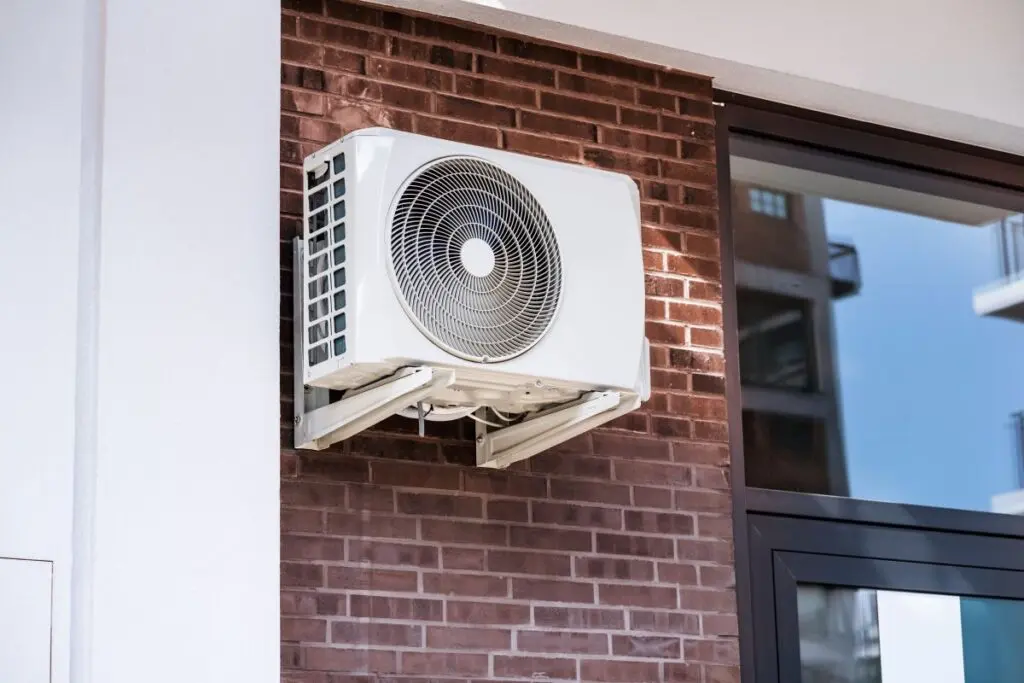
A mini split may look simple from the outside, just an indoor unit mounted on the wall and a compressor sitting outdoors, but the process happening behind the scenes is what makes the system so efficient. Knowing the basics of how it operates helps you use the system correctly, recognize when something is off, and have more informed conversations with a technician if a repair is ever needed. For homeowners in Indian Land and surrounding areas considering a ductless air conditioning system for an addition, garage, or older home without existing ductwork, understanding the technology helps make the investment feel less like a mystery.
- Better energy efficiency: Knowing how the refrigeration cycle works helps explain why mini splits use less energy than many traditional HVAC systems, avoiding the 20 to 30 percent energy loss that leaky ducts cause.
- Smarter zone control: Understanding how each indoor unit operates independently makes it easier to use temperature control settings effectively in individual rooms rather than heating or cooling your whole home at once.
- Easier troubleshooting: Recognizing normal operation helps you notice quickly when something is not working as it should.
- More confident decision making: A basic grasp of the technology makes it easier to evaluate system size, placement, and installation options, and to weigh the upfront cost of ductless equipment, which can run somewhat higher than traditional systems, against the energy bills it saves over time.
None of this requires an engineering background to understand. Once you see the process broken down into its basic steps, the technology becomes much easier to follow, and the reasoning behind common installation and maintenance recommendations starts to make a lot more sense too.
5 Steps That Explain How a Mini Split Works
At its core, a mini split works by transferring heat rather than generating or eliminating it directly, which is the same basic principle behind most modern air conditioning and heat pump systems. Breaking the process down into five steps makes it much easier to understand what is actually happening every time one indoor unit and one outdoor unit cycle on together.
1. The Thermostat Sends a Signal
The process begins when the indoor unit’s thermostat or remote control detects that the room temperature has moved away from the setting you selected. That signal tells the system to begin a cooling or heating cycle, activating the indoor fan and starting refrigerant flow through the system.
- Each indoor unit typically has its own thermostat or remote for precise temperature control
- Multi zone mini splits allow different rooms to call for different settings at once, while single zone systems condition just one room
- Modern controls often include programmable schedules and smart features
2. Refrigerant Absorbs Heat Indoors
Inside the indoor unit, refrigerant flows through a coil and absorbs heat from the air in the room during cooling mode. As the indoor fan pulls warm air across this coil, the refrigerant changes from a liquid to a gas as it takes on that heat energy.
- This is the same basic principle used in a traditional refrigerator
- The indoor coil also removes humidity from the air as part of this process, supporting better indoor air quality
- Cooled, dehumidified air is then pushed back into the room based on the unit’s cooling capacity
3. The Compressor Pressurizes the Refrigerant
The now heat carrying refrigerant travels through a line set to the outdoor unit, where the compressor pressurizes it. This step raises both the pressure and temperature of the refrigerant gas, preparing it to release the heat it has collected, and careful refrigerant handling throughout this process is part of what a licensed technician is trained to manage.
- The compressor is often considered the heart of the entire system
- Compressing the refrigerant is what allows more heat to be released outdoors even on hot days
- Many modern compressors use inverter technology, which adjusts compressor speed to match demand instead of simply switching on and off, reducing overall energy consumption
4. Heat Releases Outdoors
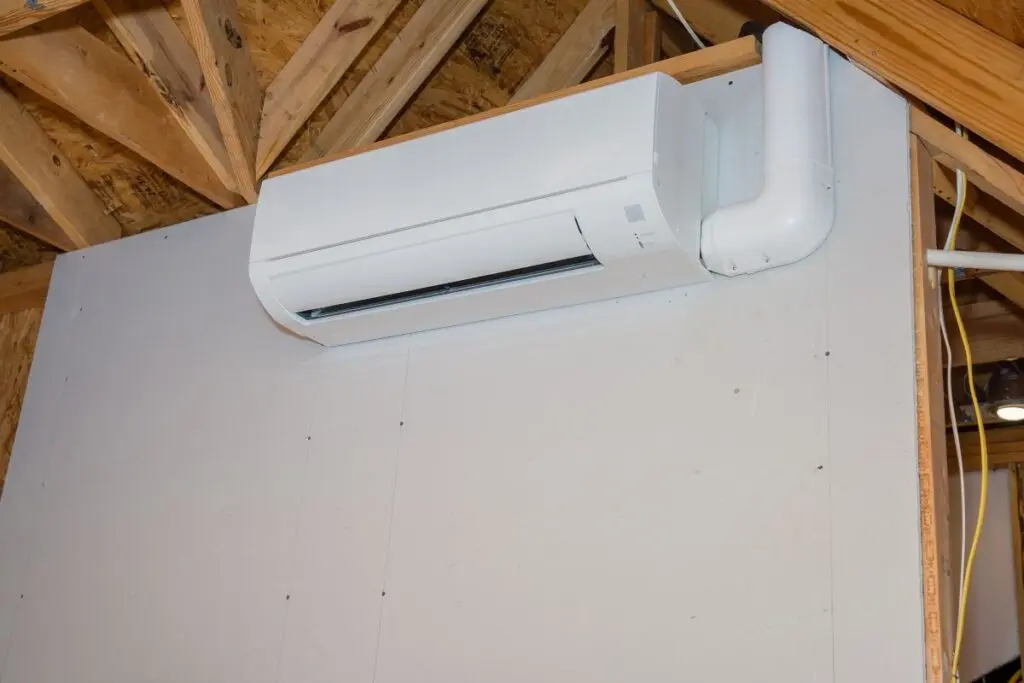
Once pressurized, the refrigerant moves through the outdoor unit’s coil, which houses the fan that blows outside air across it to release the collected heat. As the heat leaves, the refrigerant cools and condenses back into a liquid form, ready to begin the cycle again.
- The outdoor fan is essential for releasing heat efficiently
- Proper clearance around the outdoor unit helps this step work correctly
- Reduced airflow here can lead to lower cooling performance and uneven air distribution indoors
5. Cooled Refrigerant Returns Indoors
The now cooled liquid refrigerant travels back through the line set to the indoor unit, where it passes through an expansion valve that lowers its pressure and prepares it to absorb heat again. This continuous loop repeats for as long as the thermostat calls for cooling or heating.
- The expansion valve is a small but critical part of the cycle
- This step resets the refrigerant so it can absorb heat again indoors
- The entire cycle repeats continuously while the system runs
Seeing these five steps laid out makes it clear that a mini split is really just a carefully engineered loop that moves heat from one place to another. Understanding the individual components involved helps tie this process together even further.
The Key Components Behind Every Mini Split System
Beyond the basic cycle, it helps to understand the physical parts responsible for making this process happen reliably day after day. Each component plays a specific role, and knowing what each one does makes troubleshooting and maintenance much easier to follow.
- Indoor air handler: Houses the evaporator coil, air filter, and fan that cool or heat the air directly in your living space. Several indoor unit styles are available, including wall mounted units, which are the most common, and ceiling cassette mini splits, which distribute air evenly from the ceiling of the room.
- Outdoor condenser unit: Contains the compressor and outdoor coil responsible for releasing or absorbing heat with the outside air. A single outdoor unit can often support multiple indoor units in a multi zone mini split setup.
- Refrigerant line set: The insulated tubing connecting indoor and outdoor units, carrying refrigerant between the two. Installation typically requires only a small hole, often around three inches, drilled through an exterior wall to route the line set, drain line, and wiring.
- Compressor: Pressurizes refrigerant gas, driving the entire heat exchange process forward.
- Expansion valve: Regulates refrigerant pressure as it moves from the outdoor unit back to the indoor coil.
These components work together as a single, closely coordinated system rather than as separate parts operating independently. When one component struggles, whether a dirty coil, a failing compressor, or a refrigerant leak in the line set, it typically affects the performance of the entire unit rather than staying isolated, which is why professional diagnosis considers the system as a whole rather than just the symptom you happen to notice first. Improper installation, including a poorly sealed wall penetration, can also lead to condensation risks and leaks over time, which is one more reason professional installation is worth the investment.
How a Mini Split Handles Heating Mode
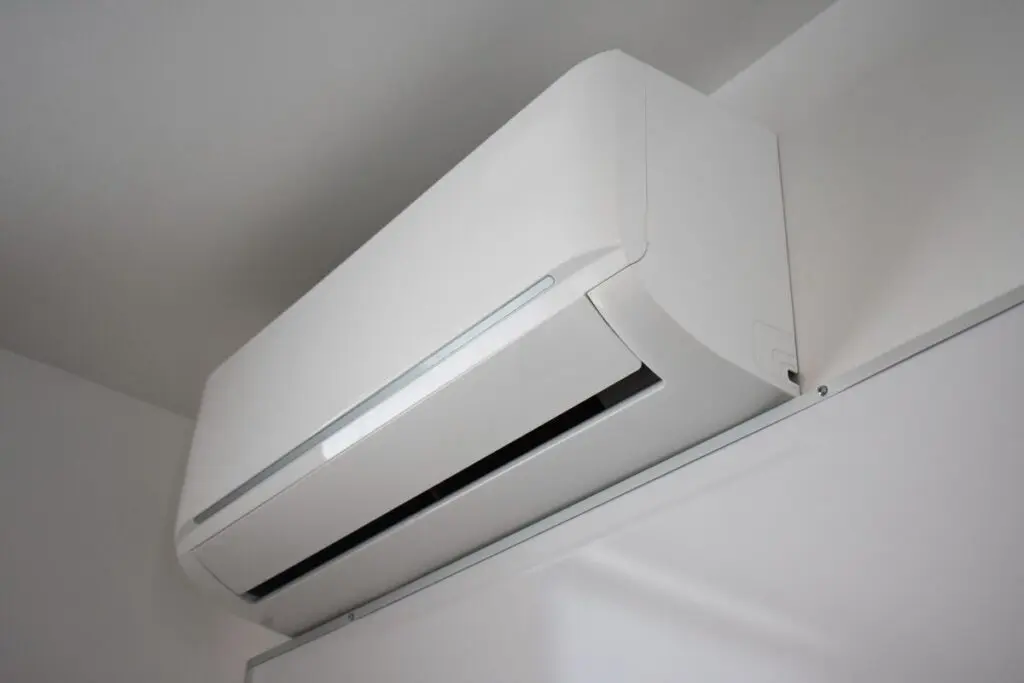
Many homeowners are surprised to learn that most mini splits are actually heat pumps capable of both cooling and heating, not just air conditioners with a single function. Understanding how the system reverses its process during colder months, without burning fuel of any kind, explains why mini splits have become such a popular whole home comfort solution.
The Reversing Valve
A component called the reversing valve allows the entire refrigeration cycle to run in the opposite direction during heating mode. Instead of absorbing heat indoors and releasing it outside, the system absorbs heat from the outdoor air, even when it feels cold, and releases that heat indoors to meet heating demand without any combustion involved.
Cold Weather Performance
Modern mini splits are engineered to extract heat from outdoor air even in fairly low temperatures, which makes them effective heating options well beyond mild climates. Homeowners throughout Indian Land and surrounding areas often find that a mini split comfortably handles both summer cooling and winter heating needs in a single system, reducing the need to maintain and service two separate pieces of equipment throughout the year.
Efficiency Advantages
Because a heat pump moves existing heat rather than generating new heat through resistance, mini splits typically use less energy to heat a space compared to standalone electric heaters or older baseboard systems, reducing overall energy waste. This dual functionality is part of why so many homeowners choose ductless systems over installing separate heating and cooling equipment, and it often translates into noticeably lower utility bills across both summer and winter months. Some of the most energy efficient models on the market today reach efficiency ratings above 28 SEER2, and models certified by ENERGY STAR meet strict minimum efficiency standards for both cooling and heating performance.
Understanding this reversing process rounds out the full picture of how a mini split operates throughout the entire year, not just during the summer cooling season.
Trust Panther HVAC to Keep Your Mini Split Running Smoothly
Understanding how a mini split works makes it much easier to appreciate why proper installation, regular maintenance, and prompt repairs matter so much for long term performance. From the refrigeration cycle to the reversing valve that enables winter heating, every component depends on the others working correctly together. At Panther HVAC, we help homeowners throughout Indian Land and surrounding areas install, maintain, and repair ductless systems so they continue running efficiently year after year.
If you are considering a mini split for your home or need service on an existing system, our team is ready to help. Contact us today to learn more about how a ductless system could work for your space and comfort needs.