
 Schedule
  (803) 327-2700
 How Often Should Air Ducts Be Cleaned to Save Money?
Your home’s air duct system quietly works around the clock, but most homeowners never think about it until something goes wrong. How often should air ducts be cleaned is one of the most common questions we hear from homeowners who want to protect their indoor air quality and keep utility bills under control. Whether you stay on top of routine tasks like scheduling seasonal HVAC maintenance or tend to let things slide until there’s a noticeable problem, understanding your duct cleaning timeline can make a real difference in your comfort and your wallet.
What you’ll learn in this post:
- How frequently most homes need professional duct cleaning
- The key factors that can shorten or extend your cleaning schedule
- Signs that your ducts need attention right now
- How clean ducts connect directly to lower energy bills
- What to expect from a professional duct cleaning service
How Regular Duct Cleaning Pays for Itself Over Time
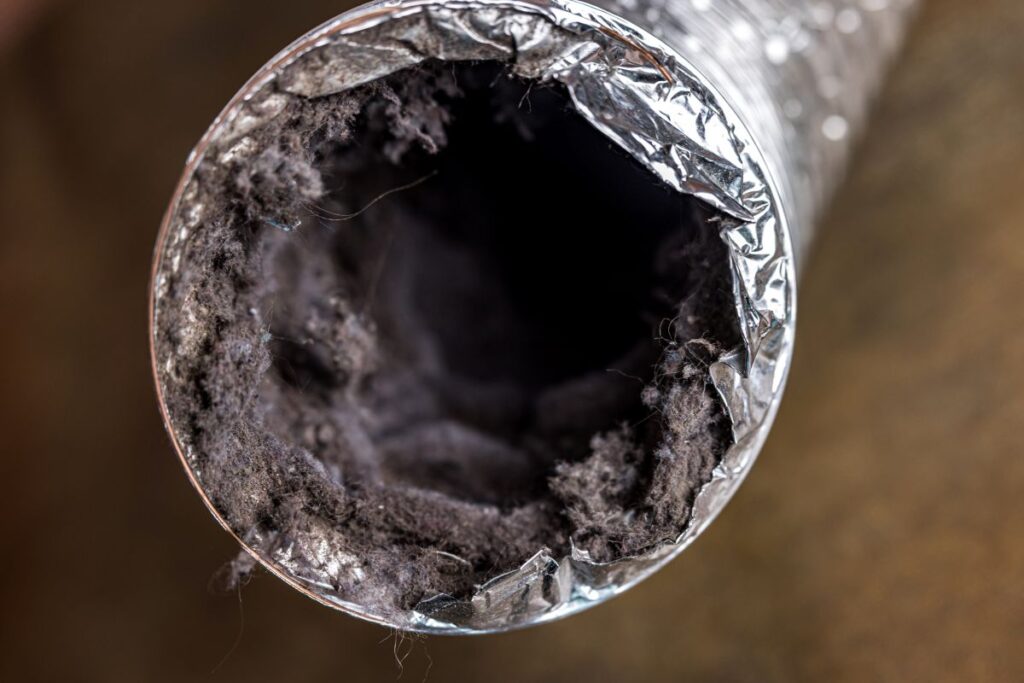
Most homeowners think of air duct cleaning as a luxury or an optional add-on, but skipping it on a regular basis can quietly drain your finances in ways that are easy to miss. Dirty ducts force your HVAC system to work harder than it should, and that extra strain shows up on your monthly energy bill long before any visible symptoms appear.
When dust, debris, and buildup accumulate inside your ductwork, the consequences extend well beyond a little extra dust on your furniture. Here is why keeping your ducts on a consistent cleaning schedule is one of the smartest investments a homeowner can make:
- Reduced energy consumption: Clean ducts allow air to flow freely, which means your system reaches your target temperature faster and cycles off sooner. Less runtime translates directly to lower monthly bills.
- Extended HVAC lifespan: When your system does not have to compensate for restricted airflow, critical components like the blower motor and heat exchanger experience less wear and tear over time.
- Improved indoor air quality: Contaminants that build up in ducts get redistributed into your living space every time the system runs. Cleaner ducts mean fewer allergens, dust particles, and irritants circulating through your home.
- Fewer surprise repair bills: A neglected duct system contributes to coil buildup, clogged filters, and overheating components, all of which can lead to expensive breakdowns at the worst possible moment.
Homeowners in Charlotte and surrounding areas deal with year-round HVAC usage because of the region’s climate, which makes staying current on duct maintenance even more financially relevant here than in parts of the country where systems sit idle for months at a time.
5 Factors That Determine How Often Your Ducts Need Cleaning
Knowing the general recommendation is a useful starting point, but your specific home and lifestyle play a much bigger role in setting the right schedule. The standard guidance from the National Air Duct Cleaners Association suggests having your ducts professionally cleaned every three to five years, but several factors can push that timeline significantly shorter.
1. Pets in the Home
Homes with one or more pets accumulate pet dander and hair in ductwork at a rate that far outpaces pet-free households. Dog and cat hair in particular finds its way into return air vents and coats the interior surfaces of ducts over time. If you have multiple pets or a breed known for heavy shedding, plan on duct cleaning every two to three years at a maximum.
- Pet dander is a leading trigger for allergy and asthma symptoms
- Hair buildup near duct openings restricts airflow and strains the system
- Even well-groomed pets contribute significant amounts of particulate matter annually
2. Allergy or Asthma Sufferers in the Household
When someone in your home deals with respiratory sensitivities, the stakes of clean indoor air are much higher. Ductwork that has gone several years without cleaning can harbor dust mites, mold spores, and pollen that recirculate constantly. For households with allergy or asthma sufferers, a cleaning schedule closer to every two years is worth the investment.
- Cleaner air means fewer flare-ups and less reliance on medication
- Children and elderly family members are especially vulnerable to airborne irritants
- Combining duct cleaning with air purifier use provides the most comprehensive relief
3. Recent Renovation or Construction Work
If your home has gone through any remodeling, addition, or significant repair work in the past year or two, your ducts almost certainly need cleaning regardless of when they were last serviced. Construction generates fine particulate dust that penetrates every opening in your home, including duct vents and returns. Drywall dust in particular coats interior duct surfaces and creates a thick layer that restricts airflow and degrades air quality.
- Even sealed-off work areas allow fine particles to migrate through a home
- New construction homes should have ducts cleaned before move-in when possible
- Post-renovation cleaning protects the investment of a newly finished space
4. Older Duct Systems or Homes with a History of Moisture Issues
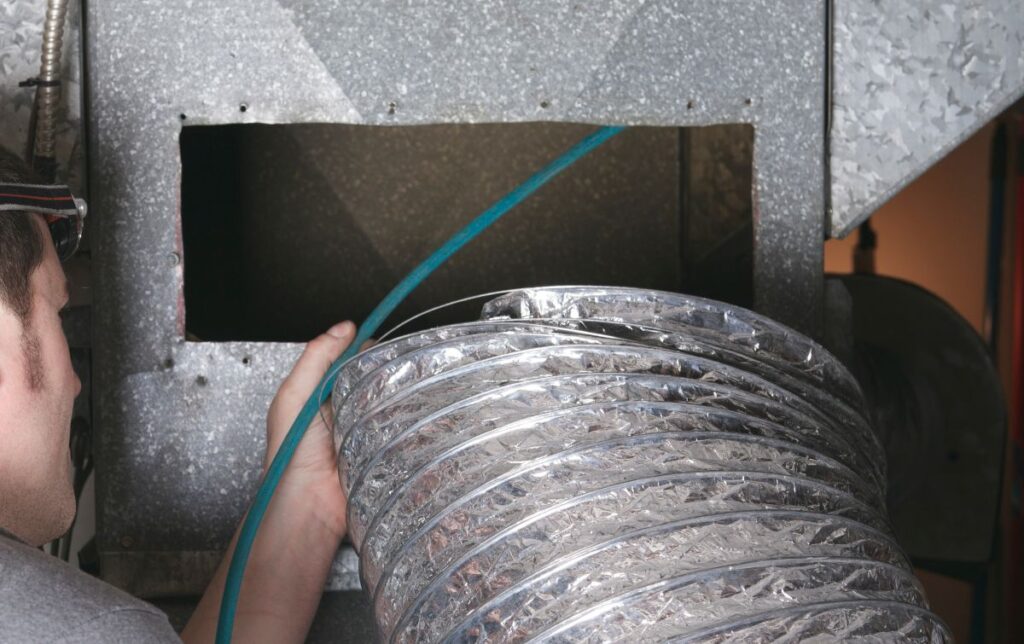
Ductwork that was installed more than 15 to 20 years ago may have accumulated layers of buildup that periodic filter changes simply cannot address. Older homes in Charlotte and surrounding areas often have ductwork that has never been professionally cleaned, which means years of debris have settled into hard-to-reach sections of the system. Additionally, any home that has experienced water intrusion, flooding, or high humidity problems is at risk for mold growth inside the ducts, which requires immediate professional attention regardless of the usual schedule.
- Visible mold near vents is a clear sign of a serious problem requiring urgent service
- Musty odors when the system runs often point to biological growth inside the ductwork
- Insulated flex duct in older systems can trap moisture and support mold growth over time
5. Homes with High Occupancy
The more people living in a home, the faster the indoor environment accumulates dust, skin cells, and other particles that end up in the duct system. Busy households with multiple children, frequent guests, or multigenerational living arrangements may find that a three-year cleaning interval keeps the system performing optimally rather than waiting the full five years.
Understanding where your household falls among these factors gives you a much clearer and more personalized answer than any one-size-fits-all recommendation can provide. Talking through your specific situation with an HVAC professional is the best way to nail down a schedule that actually makes sense for your home.
Warning Signs That Your Ducts Need Cleaning Now
Sometimes the calendar is not the most reliable indicator. Your home will often give you clear signals that it is time to stop waiting and schedule a cleaning, regardless of when the last one was done. Recognizing these signs early can prevent the situation from worsening and protect both your air quality and your equipment.
- Visible dust buildup around vents: If you notice a visible ring of dust or debris around your supply or return vents, that is a strong indication of significant accumulation inside the ductwork. This is especially common in homes in Charlotte and surrounding areas after the heavy pollen seasons.
- Inconsistent airflow between rooms: When some rooms feel noticeably less comfortable than others despite identical thermostat settings, restricted ducts are often the culprit. Partial blockages from debris can choke off airflow to specific areas of the home.
- Unusual odors when the system runs: Musty, stale, or burning smells that only appear when the HVAC system is running point to contaminants inside the ductwork. These odors are particularly concerning when they are accompanied by humidity issues.
- Spike in energy bills without an obvious cause: If your utility costs have crept up but your usage habits have not changed, reduced airflow from dirty ducts could be forcing your system to run longer cycles to maintain temperature.
- Frequent filter clogs: If you are replacing your air filter more often than the manufacturer recommends and it is heavily loaded with debris each time, the source of that contamination is likely inside the duct system itself.
Any one of these signs on its own is worth a call to a professional, and seeing two or more at the same time means the issue has likely been building for a while. The sooner you address it, the less strain your system absorbs and the better your indoor air quality becomes for everyone in the home.
What the Duct Cleaning Process Actually Looks Like
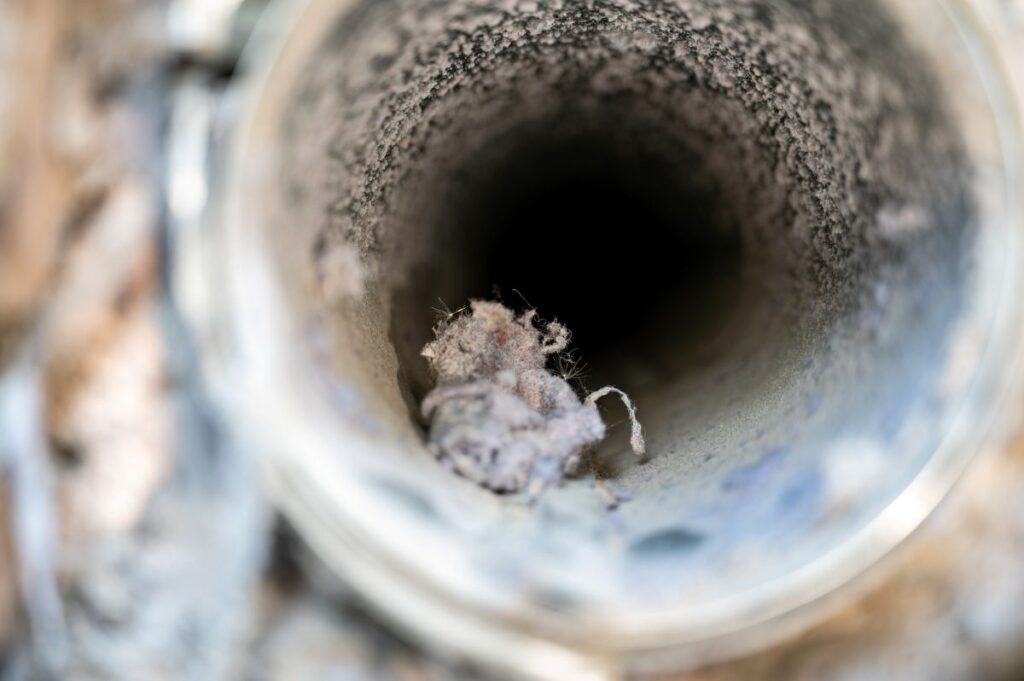
A professional duct cleaning is more thorough than most homeowners expect, and understanding the process helps set realistic expectations for what the service involves and why it is worth the cost. The goal is not just to vacuum out the vents but to address the entire distribution system from the main trunk lines down to each individual register.
- The inspection phase comes first, where a technician evaluates the condition of the ducts visually and sometimes with a camera to identify areas of heavy buildup, damage, or potential mold growth before any cleaning begins.
- Negative pressure containment is the foundation of a quality cleaning. Technicians use powerful vacuums connected directly to the ductwork to create suction that pulls loosened debris out of the system rather than blowing it back into your living space.
- Agitation tools including brushes, air whips, and compressed air tools dislodge material clinging to interior duct surfaces. This step is what separates a thorough cleaning from a surface-level pass.
- Sanitization and treatment options are available for systems with confirmed mold, bacteria, or persistent odor issues. This step applies an EPA-registered solution to the interior surfaces following the cleaning.
- Final inspection and reassembly closes out the job, with the technician confirming that all access panels are sealed, registers are reinstalled, and the system is operating normally before leaving the property.
From start to finish, a thorough professional cleaning typically takes two to four hours depending on the size of your home and the condition of the system. Most homeowners are surprised by how much material gets removed and notice an immediate improvement in airflow and air quality once the work is complete.
Take Control of Your Home’s Air Quality
Staying ahead of duct cleaning is one of the most cost-effective ways to protect your HVAC investment and keep energy costs in check year after year. From reducing allergens to preventing premature equipment failure, the benefits stack up quickly when you maintain a consistent schedule built around your home’s specific needs.
Panther HVAC is here to help you assess where your home stands and put a practical maintenance plan in place. Do not wait until you notice a problem to take action. Contact us today to schedule your duct cleaning and keep your home running clean and efficient all year long.
