
 Schedule
  (803) 327-2700
 What Is an HVAC Compressor and What Happens When It Fails?
Most homeowners never think about the parts inside their air conditioning system until something stops working, but the HVAC compressor is arguably the most important piece of the entire setup. Without it, refrigerant cannot circulate, and a home loses its ability to cool down no matter how hard the rest of the system tries. For anyone in Matthews and surrounding areas dealing with a system that suddenly cannot keep up, getting a professional look at what’s going on inside the unit is often the fastest way to find out whether the compressor is the culprit.
Here’s a quick look at what this guide covers:
- What an HVAC compressor actually does
- The most common causes of compressor failure
- What to expect if a compressor fails completely
- Whether repair or replacement makes more sense
Why a Healthy Compressor Keeps the Whole System Running
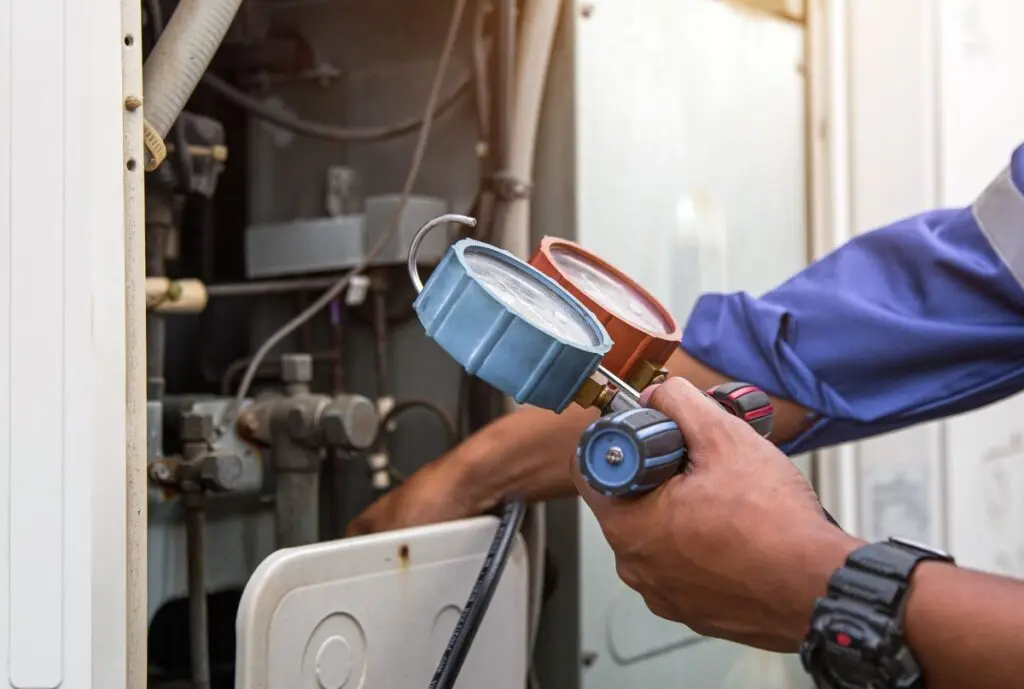
For homeowners in Matthews and surrounding areas, the air conditioner compressor is often described as the heart of an HVAC system, and that comparison holds up well. As a critical component responsible for circulating refrigerant through the entire cooling system, it pressurizes refrigerant and pushes it through the system so heat can be pulled out of the home and released outside, allowing the rest of the equipment to do its job properly. When it struggles or fails, everything downstream stops functioning the way it should, which is why understanding the common warning signs of compressor trouble can help homeowners catch problems early and avoid costly repairs.
- Reliable cooling: A properly working compressor keeps refrigerant moving so the system can maintain a consistent indoor temperature.
- Lower repair costs: Catching compressor issues early is almost always less expensive than dealing with a full failure.
- Extended system life: A compressor under unnecessary strain wears down faster and can shorten the lifespan of the entire unit.
- Fewer emergency calls: Understanding early warning signs means fewer surprise breakdowns during the hottest days of the year.
A failing compressor rarely goes from fine to broken overnight. Recognizing the signs early gives homeowners time to reach out to an HVAC professional and address the problem before it turns into a much larger and more expensive repair.
6 Common Causes of HVAC Compressor Failure
Compressors are built to handle a lot of stress, but certain conditions can wear them down faster than normal. Understanding what typically causes failure makes it easier to prevent problems before they start. Below are the most frequent culprits behind a compressor giving out.
1. Low Refrigerant
When refrigerant levels drop due to a leak, the compressor has to work longer and harder to reach the target temperature, which generates excess heat and accelerates wear on internal components over time.
- Often caused by a slow leak somewhere in the line
- Adding refrigerant without fixing the leak only delays the problem
2. Dirty Condenser Coils
Dirt and debris on the outdoor unit’s coils make it harder for the system to release heat, forcing the compressor to work overtime just to keep up.
- Coils covered in dirt, grass clippings, or leaves reduce airflow
- Regular cleaning is one of the simplest ways to prevent this issue
3. Electrical Issues
Voltage fluctuations, worn wiring, or a failing capacitor can all place extra strain on the compressor motor, sometimes leading to sudden failure.
- Frequent breaker trips are often an early warning sign
- A failing capacitor can prevent the compressor from starting properly
4. Overheating
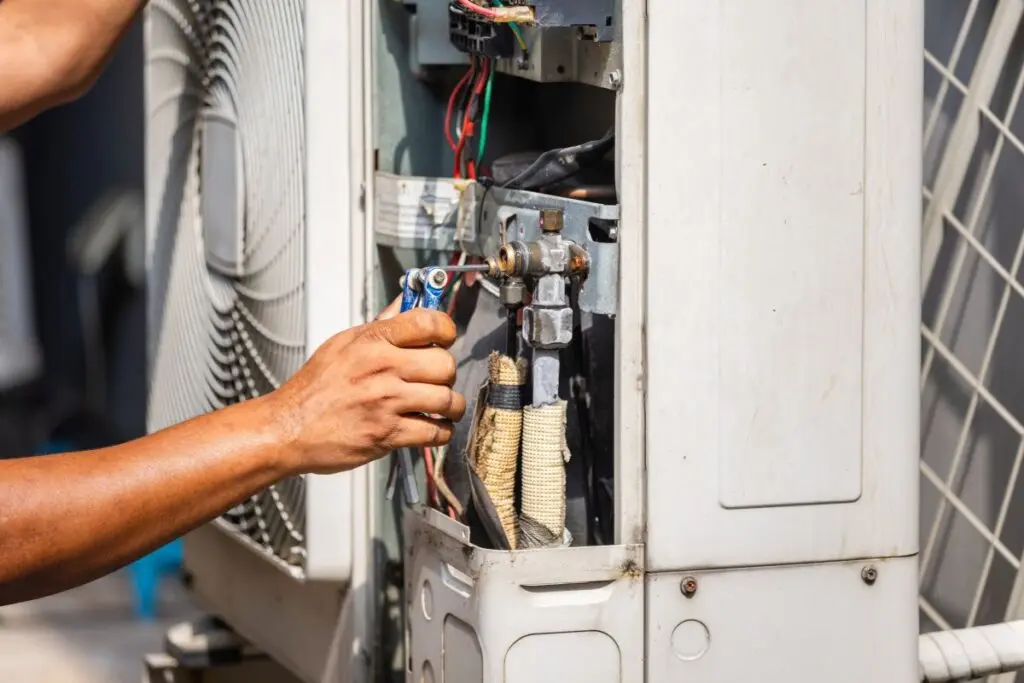
Compressors generate heat as part of normal operation, but restricted airflow, low refrigerant, or a failing fan can push internal temperatures beyond safe limits. Left unaddressed, chronic overheating can cause permanent internal damage that leads to a full breakdown.
5. Normal Wear and Age
Most residential compressors are designed to last 10 to 15 years. Beyond that point, internal components naturally wear down and become more likely to fail, even in systems that have been well maintained throughout their lifespan.
6. Lack of Routine Maintenance
Skipping annual maintenance allows small issues to go unnoticed, which often leads to bigger, more expensive problems down the road.
- Dirty filters force the system to work harder overall
- Missed inspections mean early warning signs go undetected
Most compressor failures are the result of a slow buildup of stress rather than a single sudden event. Routine maintenance and prompt repairs are the most effective ways to avoid a full compressor breakdown.
What Happens When a Compressor Fails
Understanding what actually happens during a compressor failure helps homeowners recognize the problem sooner and make better decisions about next steps. The process usually unfolds gradually before reaching a full stop.
How the Compressor Fits Into the Cooling Cycle
The compressor is one part of a larger refrigeration cycle that also includes the evaporator coil, condenser unit, and expansion valve. Low pressure refrigerant gas enters the compressor after absorbing heat from indoor air at the evaporator coils inside the home, and the compression process turns it into a high pressure, high temperature gas. That high pressure gas then travels to the condenser unit, where it releases heat and condenses into high pressure liquid refrigerant. The expansion valve drops the pressure and temperature of the liquid refrigerant before it reaches the evaporator coil again, where it absorbs heat and turns back into low pressure gas, or refrigerant vapour, ready to start the cooling cycle over. This heat exchange process, repeated continuously, is what allows an air conditioning unit or heat pump to move hot air out of a home and deliver cold air in its place.
Common Types of AC Compressors
Not all compressors are built the same way, and the type installed can affect noise level, cooling efficiency, and overall cooling capacity.
- Reciprocating compressor: Uses pistons to compress refrigerant gas, a design that has been used in air conditioning systems for decades.
- Scroll compressor: Uses a stationary scroll paired with an orbiting scroll to compress refrigerant into a smaller volume, which typically means quieter operation and lower energy consumption than older designs.
- Rotary compressor: Common in smaller systems, known for a compact footprint and reliable performance.
A high quality compressor, regardless of type, plays a major role in how efficiently an AC system can reach a desired temperature throughout an indoor space.
Warning Signs Before Failure
- Warm air blowing from the vents despite the system running
- Loud banging, clicking, or grinding noises from the outdoor unit
- The system short cycling, or turning on and off more frequently than normal
- Higher than usual energy bills without a clear explanation
What Happens During Complete Failure
Once a compressor fails completely, refrigerant stops circulating entirely, which means the system can no longer remove heat or humidity from the home. In many cases, the outdoor unit will still run, but no cool air will reach the vents, and indoor humidity levels can climb noticeably within a short period. This is often mistaken for a simpler issue, which is why a professional diagnosis matters before assuming the fix will be minor.
A full compressor failure almost always affects the comfort of the entire home at once, rather than just one room or area. Because of how central the compressor is to the whole system, addressing it quickly is the best way to avoid further strain on other components.
Repairing vs Replacing a Failed Compressor
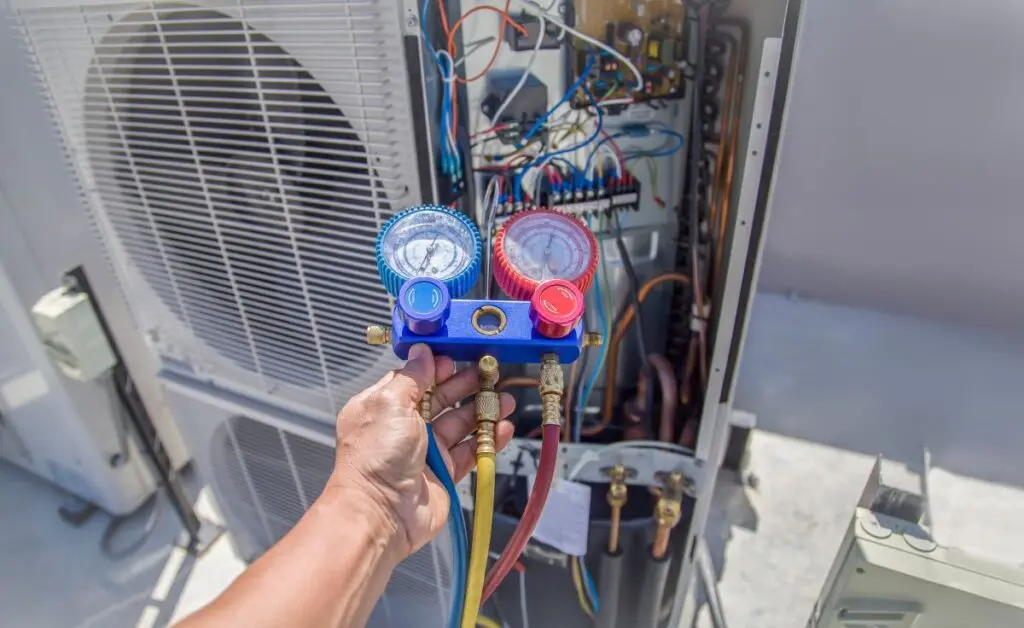
Deciding whether to repair or replace a failed air conditioner compressor depends on several factors, including the age of the system and the cost of parts. Weighing these considerations carefully can help homeowners land on the more cost effective choice instead of spending money on a fix that does not make long-term sense.
| Factor | Repair | Full Replacement |
| Best for | Newer systems still under warranty | Older systems near the end of their lifespan |
| Typical cost | Lower upfront cost | Higher upfront investment |
| Long-term value | Short-term fix on an aging system | Resets the system’s expected lifespan |
| Risk | Other components may fail soon after | Lower risk of related failures shortly after |
For many homeowners in Matthews and surrounding areas, a compressor failure on an older system is often the tipping point that makes full replacement the more practical choice. A qualified technician can evaluate the rest of the system, including the age of other major components, to help determine which option offers the better long-term value.
Frequently Asked Questions About HVAC Compressors
Homeowners often have similar questions when dealing with a struggling or failed compressor. Here are answers to a few of the most common ones.
How long do AC compressors typically last?
Most residential compressors last between 10 and 15 years with proper maintenance, though usage patterns, upkeep, and mechanical issues from other parts of the system can shorten or extend that range.
Can a compressor be repaired instead of replaced?
In some cases, yes, especially on newer systems still under warranty. Older systems with a failed compressor are often better candidates for full replacement.
What does it cost to repair or replace a compressor?
Costs vary widely depending on system size, refrigerant type, and labor rates, so getting a specific quote from a technician is the most accurate way to know what to expect. A repair on a newer system is typically far less expensive than a full compressor replacement on an older unit.
How can I tell if my compressor is failing?
Warm air from the vents, unusual noises, short cycling, and rising energy bills are all common signs that a compressor may be struggling.
Does regular maintenance help prevent compressor failure?
Yes, routine maintenance helps catch small issues like dirty coils or low refrigerant before they place unnecessary strain on the compressor. Scheduling a seasonal tune-up is one of the easiest ways to extend the life of the entire system.
These are just a few of the questions that come up when a compressor starts acting up, and a professional inspection can clarify what is happening in any specific system.
Trust Panther HVAC With Your Compressor Concerns
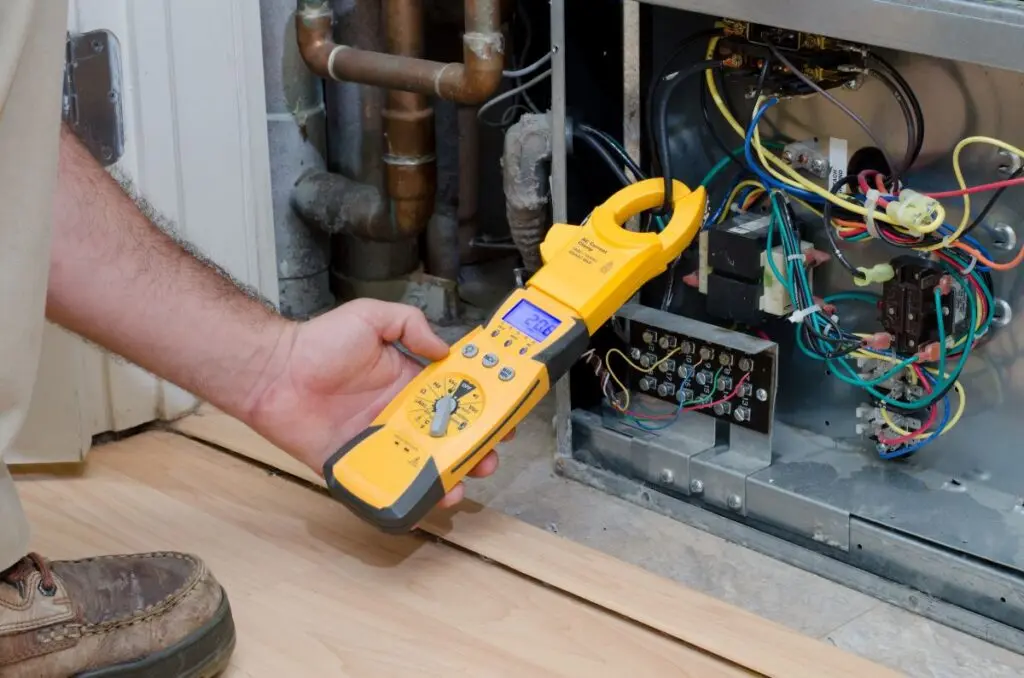
An HVAC compressor plays a central role in keeping a home comfortable, and understanding the warning signs of trouble can save homeowners both time and money. From low refrigerant to normal wear over time, most compressor issues show signs well before a complete breakdown occurs. Panther HVAC has helped homeowners throughout the area diagnose compressor problems and decide between repair and replacement based on what makes the most sense for their system and their budget. If your air conditioner is showing signs of compressor trouble, contact us today to get a clear answer on what’s happening and what to do next.