
 Schedule
  (803) 327-2700
 Manual vs Automatic HVAC Damper: Which Is Best Option?
Controlling airflow inside your ductwork plays a major role in keeping your home comfortable. An hvac damper helps regulate how much heated or cooled air moves into specific areas of your home, improving temperature balance and efficiency. Whether you are adjusting airflow manually or using automated zoning technology, the right setup can make a noticeable difference. Homeowners exploring airflow improvements often learn more about system upgrades through professional heating and cooling solutions designed to improve overall comfort.
In this guide, you will learn:
- What HVAC dampers do and why they matter for home comfort
- The differences between manual and automatic dampers
- How each type affects energy efficiency and airflow control
- Situations where one option may work better than the other
- Tips for choosing the right damper system for your home
Why HVAC Dampers Matter for Comfort and Efficiency
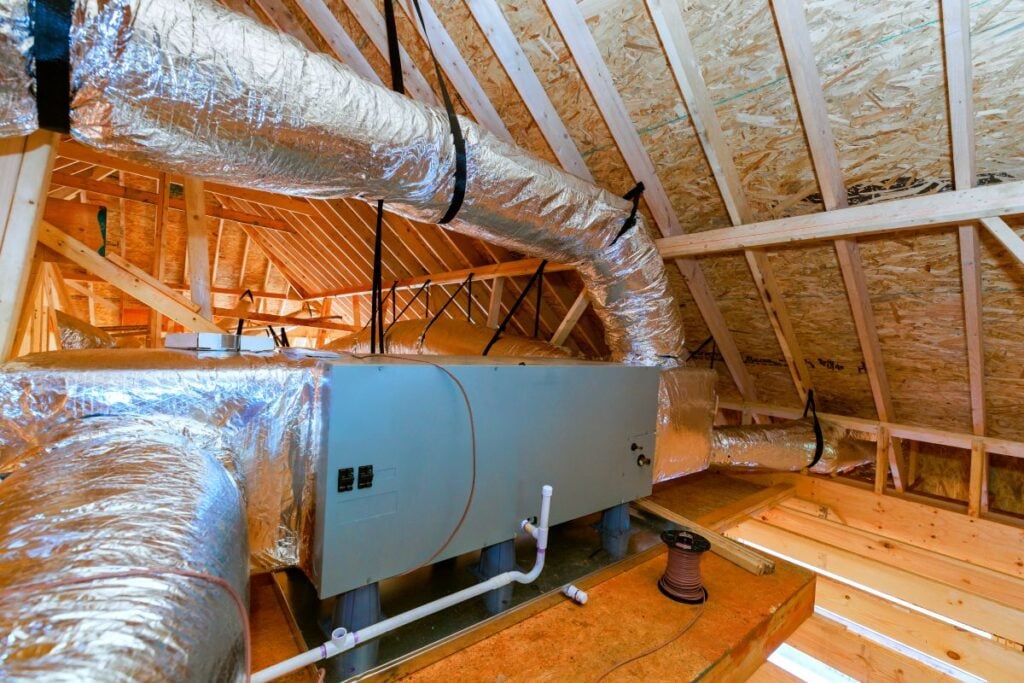
Many homeowners focus on thermostats and HVAC equipment, but airflow control inside the duct system is just as important. Dampers act like valves within your ductwork, opening or closing to regulate how air flows throughout the house.
Without proper airflow control, some rooms may feel too warm while others stay too cold. Dampers help solve this problem by directing air where it is needed most.
For homeowners in Matthews and surrounding areas, this type of airflow control can make a significant difference during both summer cooling and winter heating.
Here are several reasons dampers are a valuable part of many HVAC systems.
- Balanced Air Distribution
Dampers allow technicians to fine tune airflow between rooms, helping prevent hot and cold spots throughout the home. - Improved Energy Efficiency
Directing air only to areas that need heating or cooling reduces wasted energy and improves overall system efficiency. - Greater Temperature Control
Dampers allow better regulation of airflow to specific rooms or zones, making it easier to maintain consistent indoor comfort. - Enhanced HVAC System Performance
Proper airflow management helps reduce strain on the heating and cooling equipment, which can extend system lifespan.
Because airflow imbalances are common in larger homes or multi story properties, many homeowners in Matthews and surrounding areas consider damper systems when looking to improve comfort.
5 Key Differences Between Manual and Automatic HVAC Dampers
Both manual and automatic dampers regulate airflow, but they operate in very different ways. Understanding these differences helps homeowners decide which system better fits their needs.
1. How Airflow Adjustments Are Made
The primary difference between the two options is how airflow changes are controlled.
Manual dampers require physical adjustment within the ductwork. A small lever attached to the damper blade allows airflow to be partially or fully restricted.
Automatic dampers, on the other hand, are motorized and connected to a zoning system that adjusts airflow automatically.
Manual damper adjustments typically involve:
- Accessing the ductwork in attics or basements
- Turning the lever to open or close the damper blade
- Testing airflow results after each adjustment
Automatic systems rely on thermostats and electronic controls to manage airflow without manual intervention.
2. Level of Temperature Control
Manual dampers allow basic airflow balancing but offer limited flexibility.
Once the damper position is set, airflow remains the same until someone manually changes it again. This works well for correcting permanent airflow imbalances but does not adapt to changing conditions.
Automatic dampers allow much greater control because they respond to temperature demands in different zones of the home.
For example, an automated zoning system can:
- Send more cooling to upper floors during summer
- Reduce airflow to unused rooms
- Adjust heating distribution throughout the day
This dynamic control often improves comfort significantly.
3. Installation Complexity
Manual dampers are relatively simple components that can be installed directly into the duct system.
They do not require wiring, sensors, or control boards. Because of this simplicity, installation is usually quicker and more affordable.
Automatic dampers require additional components including:
- Zone control panels
- Multiple thermostats
- Motorized damper actuators
- Low voltage wiring
These extra parts increase installation complexity but provide more advanced control.
4. Cost Differences
Budget is often an important factor when choosing between manual and automatic dampers.
Manual dampers are typically the less expensive option because they involve fewer parts and simpler installation.
Automatic damper systems cost more upfront due to the added technology and labor required for installation.
However, homeowners may recover some of these costs over time through improved energy efficiency and better comfort control.
5. Long Term Comfort Benefits
While manual dampers can improve airflow balance, automatic dampers offer more advanced comfort management.
Automated zoning systems can adjust airflow throughout the day as temperature needs change.
This is especially beneficial for homes with:
- Multiple floors
- Large square footage
- Rooms that receive uneven sunlight
- Areas that are rarely used
Homeowners in Matthews and surrounding areas often prefer automated systems in larger homes where temperature differences between floors are common.
Situations Where Manual Dampers May Be the Better Choice
Although automated zoning systems offer advanced features, manual dampers still provide value in many situations.
Homes with simple layouts or smaller square footage often do not require complex zoning systems.
Manual dampers can solve many airflow issues without adding significant cost.
- Basic Airflow Balancing
Manual dampers are effective for correcting airflow imbalances between rooms. A technician can adjust them during installation to distribute air more evenly. - Single Thermostat Homes
Homes with one thermostat controlling the entire system often benefit from manual damper balancing rather than full zoning systems. - Budget Friendly Upgrades
Because they are inexpensive, manual dampers provide a cost effective solution for improving airflow control. - Minimal Maintenance Requirements
Manual dampers have no electrical components, which means there are fewer parts that can fail over time.
For many homeowners in Matthews and surrounding areas, manual dampers offer a practical way to improve airflow without investing in a full zoning system.
When Automatic Dampers Are Worth the Investment
Automatic dampers become particularly valuable in homes where airflow demands vary throughout the day.
They work together with zoning systems to deliver heating and cooling only where it is needed.
Zoned Temperature Control
Automatic dampers allow different areas of the home to operate independently.
Each zone has its own thermostat that signals the system when heating or cooling is required.
This means:
- Bedrooms can remain cooler at night
- Living areas can receive more cooling during the day
- Unused rooms can receive less airflow
This flexibility often leads to noticeable comfort improvements.
Improved Energy Efficiency
Because airflow is directed only to zones that need conditioning, automatic dampers can reduce energy consumption.
Instead of cooling the entire house at once, the system focuses on specific areas.
This targeted airflow can reduce system run time and lower monthly utility bills.
Better Comfort for Multi Story Homes
Homes with two or more floors often experience uneven temperatures.
Upper floors may feel warmer in summer while lower floors stay cooler.
Automatic zoning dampers allow technicians to adjust airflow dynamically so each floor receives appropriate heating or cooling.
Comparison: Manual vs Automatic HVAC Dampers
| Feature | Manual Damper | Automatic Damper |
| Control Method | Hand adjusted lever | Motorized electronic control |
| Installation Complexity | Simple installation | Requires zoning system |
| Cost | Lower upfront cost | Higher installation cost |
| Temperature Flexibility | Fixed airflow settings | Dynamic zone control |
| Best For | Small or simple homes | Larger homes with zoning needs |
This comparison helps illustrate why each option has its place depending on the home’s layout and comfort requirements.
Choosing the Right HVAC Damper for Your Home
Selecting the best damper system depends on several factors including home size, comfort goals, and budget.
Understanding these factors can help homeowners make the right decision.
Evaluate Your Home Layout
Homes with complex layouts often benefit more from automatic dampers.
Examples include:
- Multi story homes
- Large square footage properties
- Homes with finished basements or attic living spaces
In these cases, zoning systems help balance temperatures throughout the house.
Consider Comfort Priorities
Some homeowners simply want to eliminate hot and cold spots.
Others want advanced zoning control that allows different areas of the home to operate independently.
Manual dampers may solve basic airflow issues, while automatic dampers provide greater flexibility.
Assess Budget and Long Term Value
While automatic dampers require a higher initial investment, they may deliver long term savings through improved efficiency and reduced system strain.
Manual dampers remain a strong option for homeowners seeking simple airflow improvements without major system modifications.
Work With HVAC Professionals
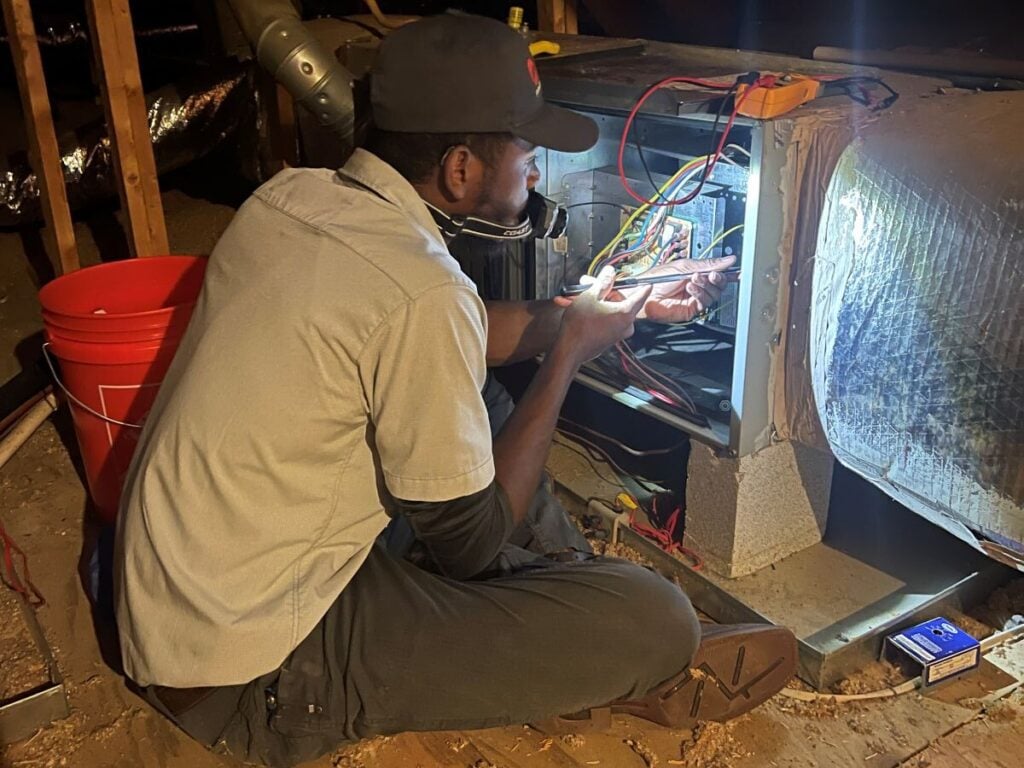
Choosing the right solution often requires evaluating ductwork design, system capacity, and airflow balance.
Experienced technicians can measure airflow and recommend the most effective damper configuration.
Homeowners in Matthews and surrounding areas often discover that professional airflow assessments reveal opportunities for both comfort and efficiency improvements.
Improve Airflow and Comfort With Panther HVAC
Airflow control is one of the most overlooked aspects of home comfort. Whether through simple manual adjustments or advanced automated zoning, HVAC dampers play a crucial role in directing conditioned air throughout your home.
If you are experiencing uneven temperatures or want to improve airflow in your home, the experienced team at Panther HVAC is ready to help homeowners in Matthews and surrounding areas find the right solution. Our experts can evaluate your duct system and recommend the best approach for your comfort needs. To learn more about improving airflow and HVAC performance, contact us today and let Panther HVAC help create a more comfortable home environment.
