
 Schedule
  (803) 327-2700
 7 Things You Need to Consider During HVAC Duct Installation
Choosing the right hvac duct installation is crucial for maintaining a comfortable and energy-efficient indoor environment. Proper ductwork ensures that your heating, ventilation, and air conditioning system operates smoothly, delivering consistent airflow while minimizing energy loss. Whether you’re upgrading your system or installing new ducts, understanding the important considerations can prevent costly mistakes and improve your home’s indoor air quality.
- Learn the essential factors that impact successful duct installations.
- Discover how duct design influences system efficiency and comfort.
- Understand the importance of material choice and sealing methods.
- Explore tips for selecting qualified HVAC professionals.
- Examine maintenance practices to extend ductwork lifespan.
Why HVAC Duct Installation Matters
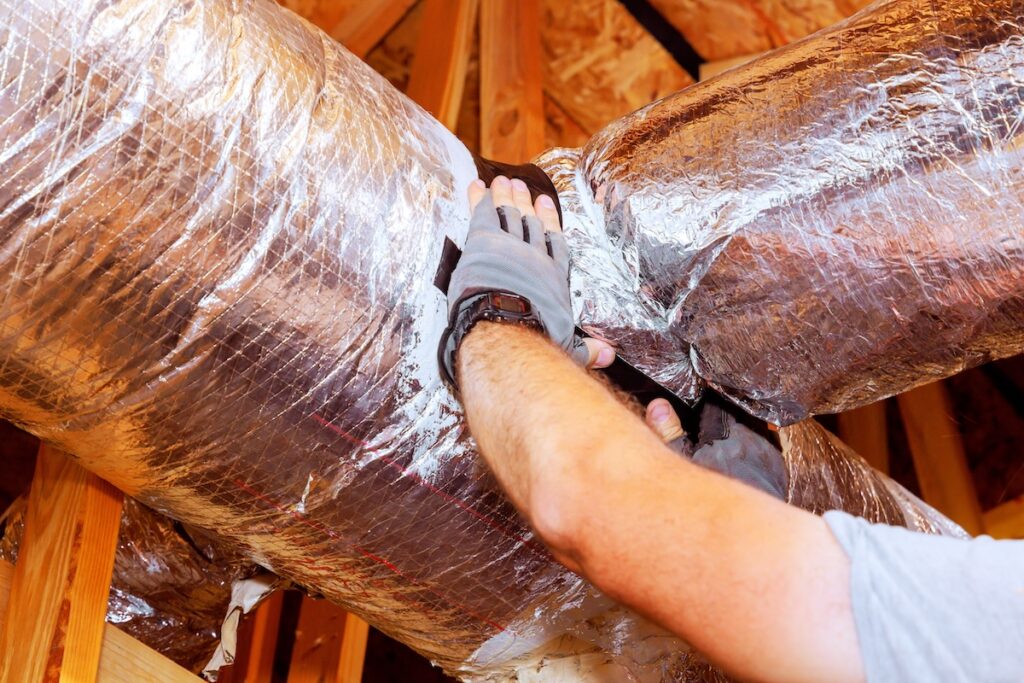
The installation of HVAC ducts plays a significant role in the overall performance of your heating and cooling system. Poorly designed or installed ducts can lead to uneven temperatures, wasted energy, and increased utility bills. Proper planning and execution help create a system that ensures consistent airflow, reduces pollutants, and enhances indoor comfort.
- Energy Efficiency: Well-installed ducts minimize air leaks, reducing unnecessary energy consumption.
- Indoor Air Quality: Correct ductwork prevents dust, allergens, and contaminants from entering your living space.
- Cost Savings: Quality installation decreases repair costs and extends the life of your HVAC system.
- Comfort Consistency: Proper airflow distribution avoids hot or cold spots within your home.
- System Longevity: Reduced strain on HVAC equipment results in longer-lasting performance.
7 Key Considerations for HVAC Duct Installation
Understanding the intricacies of duct installation ensures optimal system functionality. The following points outline the most critical factors to consider when planning your HVAC ductwork.
1. Duct Design and Layout
The design and layout of the duct system directly affect airflow efficiency and noise control. This includes determining duct size, configuration, and routing through the building.
- Optimal Sizing: Use Manual D calculations to prevent undersized or oversized ducts.
- Efficient Routing: Minimize duct length whenever possible to reduce pressure loss.
- Quiet Operation: Incorporate sound-dampening materials to avoid noise transmission.
2. Material Selection
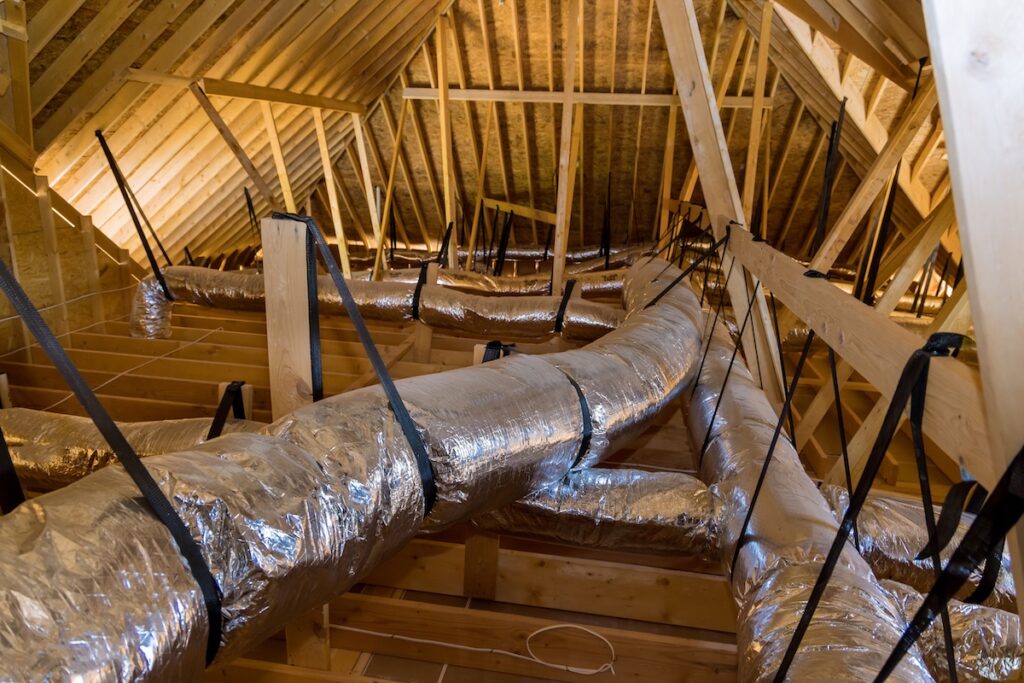
The choice of duct material influences durability, cost, and performance. Common materials include sheet metal, flexible ducts, and fiberglass.
- Sheet Metal: Offers longevity and low leakage but can be costly.
- Flexible Ducts: Easier to install but prone to damage and airflow restrictions.
- Insulated Ducts: Help maintain temperature and reduce condensation risks.
3. Sealing and Insulation
Proper sealing of joints and seams prevents air leakage that can degrade energy efficiency and system effectiveness.
- Sealing Methods: Use mastic sealants or UL-181 approved tapes rather than standard duct tape.
- Air Duct Insulation: Essential for ducts running through unconditioned spaces to maintain air temperature.
- Leak Testing: Conduct leak tests post-installation for quality assurance.
4. Placement in the Building
Where ducts are installed impacts their efficiency, maintenance accessibility, and potential for damage.
- Accessibility: Ensure ducts are easy to reach for cleaning and repairs.
- Protection: Avoid locations prone to moisture or physical impact.
- Temperature Control: Place ducts within conditioned spaces when possible to prevent heat gain or loss.
5. Professional Installation
Quality installation by certified HVAC technicians ensures compliance with standards and maximizes system performance.
- Experienced Technicians: Look for credentials such as NATE certification.
- Licensed Contractors: Verify permits and insurance to avoid liability.
- References and Reviews: Choose providers with a solid reputation and client testimonials.
6. Compliance with Building Codes
Adhering to local and national building codes guarantees safety, energy efficiency, and legal installation.
- Code Familiarity: Ensure your installer is knowledgeable about applicable regulations.
- Inspections: Schedule inspections to confirm compliance during and after installation.
- Documentation: Keep records of permits and approvals for future reference.
7. Future Maintenance Considerations
Planning for accessible ductwork facilitates routine cleaning, inspections, and repairs to sustain indoor air quality and system longevity.
- Removable Panels: Incorporate access points for convenient maintenance.
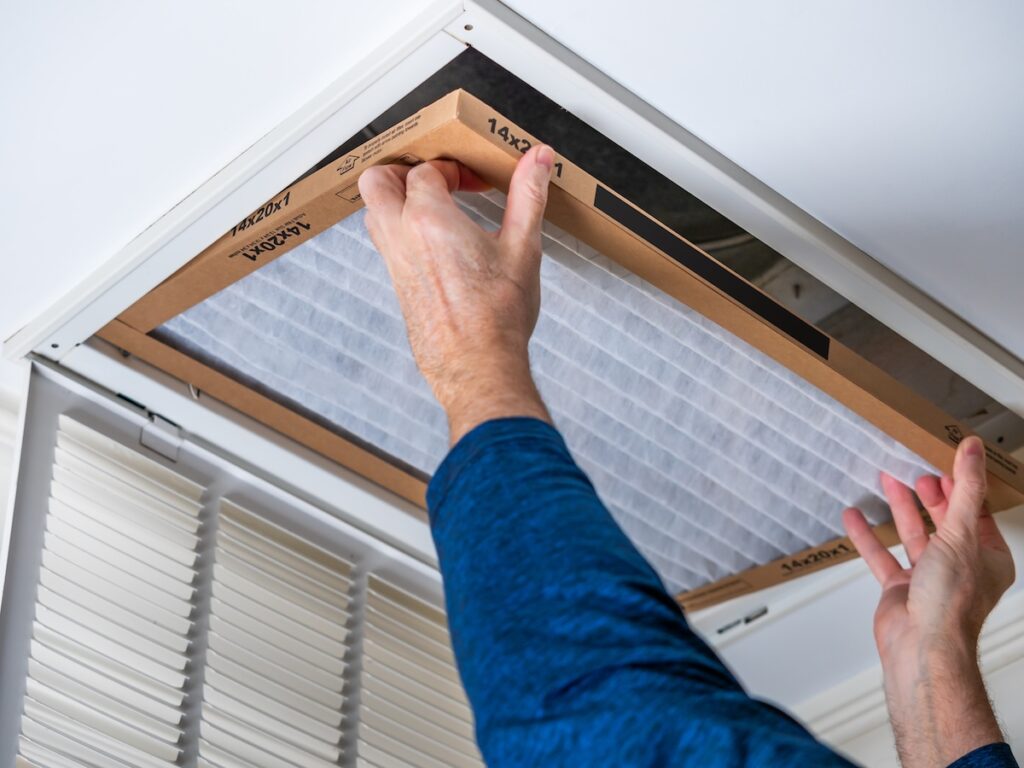
- Filter Placement: Position air filters where they can be easily accessed and replaced.
- Scheduling: Implement regular HVAC maintenance intervals to avoid costly system failures.
Extending the Life of Your HVAC Ductwork
Once installed, proper care of your duct system is vital for preserving efficiency and performance. These best practices help prolong the life of your HVAC ducts.
- Regular Cleaning: Periodic removal of dust and debris prevents blockages and improves airflow.
- Condition Monitoring: Check for unusual noises, odors, or visible damage that may indicate issues.
- Humidity Control: Manage moisture levels to prevent mold growth in your duct system.
- Prompt Repairs: Address leaks or damaged sections immediately to maintain system integrity.
Comparing Different HVAC Duct Types
Choosing the right type of duct for your system depends on your building’s requirements, budget, and goals for efficiency and durability. Below is a simple comparison to guide your decision-making.
| Type | Advantages | Disadvantages |
| Sheet Metal Ducts | Durable, low leakage, fire-resistant | Higher cost, rigid installation, requires sealant |
| Flexible Ducts | Easy installation, low cost, flexible routing | Prone to kinks, reduced airflow, shorter lifespan |
| Fiberglass Duct Board | Good insulation, noise reduction | Fragile, potential for fiber release, less durable |
Making Your HVAC Duct Installation Decision
Choosing the right HVAC duct installation option is essential for achieving the best comfort, efficiency, and cost-effectiveness in your home or office. With so many factors to consider, it’s often best to rely on skilled professionals who understand your unique needs and provide tailored solutions. Proper ductwork can significantly improve your system’s performance and your indoor environmental quality. In addition to new installations, our team provides comprehensive maintenance to keep your air clean. If you suspect your current system is compromised, we can help identify and treat mold in air ducts to restore a healthy environment.
Ready to enhance your HVAC system with expert duct installation? Contact us today at Panther, and our experienced team will help you design and install the perfect duct system for your property.
