
 Schedule
  (803) 327-2700
 The Importance of Planning HVAC Inspection Before Winter
As the colder months approach, ensuring your heating system is running efficiently becomes crucial. A well-timed hvac inspection can prevent unexpected breakdowns and improve energy efficiency throughout winter. Preparing your HVAC system ahead of time not only adds comfort but also safeguards your home or business from costly repairs. To explore professional maintenance options, consider a thorough HVAC service that focuses on system reliability and performance.
- Understand why scheduling an HVAC inspection before winter is essential.
- Learn the key components checked during an HVAC inspection.
- Discover the benefits of early maintenance to avoid costly repairs.
- Get tips on what to expect from a HVAC professional inspection service.
- Explore how an inspection impacts your energy efficiency and comfort.
Why Preparing for HVAC Inspection Before Winter Matters
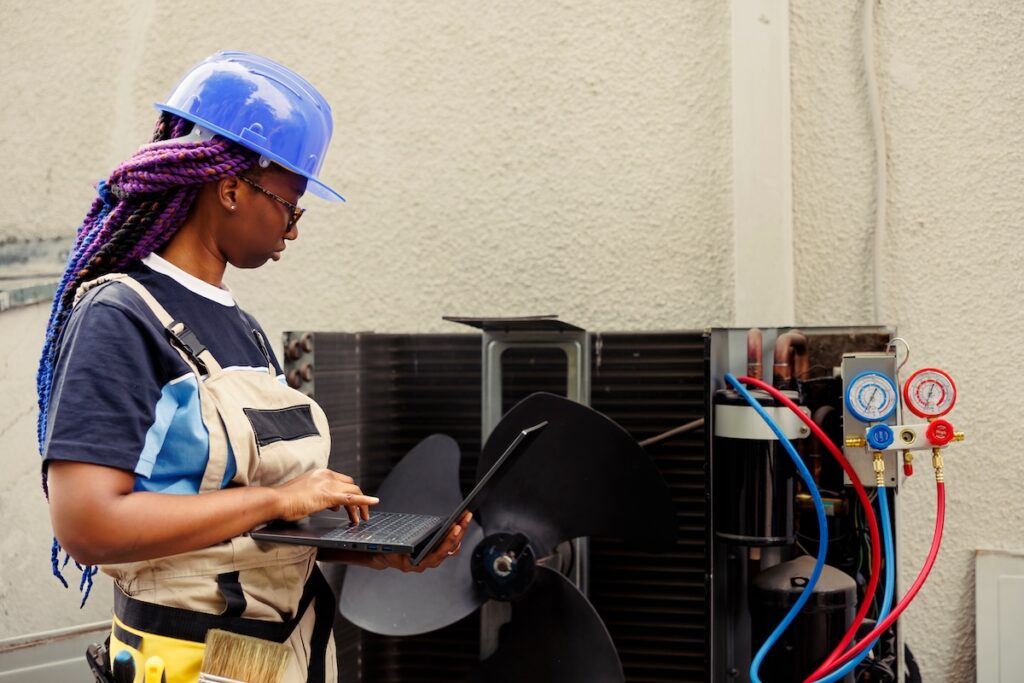
Winter can be a stressful season for your heating system, as it often works harder and longer to maintain indoor comfort. An HVAC inspection before temperatures drop is vital because it helps identify issues that could escalate during high-demand periods. Planning ahead ensures your system remains reliable and safe throughout winter, reducing the risk of sudden failures.
- System Longevity: Regular inspections extend the lifespan of your HVAC unit by detecting wear and tear early.
- Energy Savings: Identifying inefficiencies helps reduce energy consumption and lowers utility bills.
- Safety Assurance: Inspections can detect gas leaks or carbon monoxide risks linked to heating systems.
- Comfort Maintenance: Ensures consistent warmth throughout your home or office during chilly months.
- Cost Avoidance: Early repairs prevent expensive emergency fixes during peak winter usage.
7 Essential Steps in a Comprehensive HVAC Inspection
A thorough HVAC inspection involves several critical steps designed to ensure your system operates efficiently and safely. Understanding these steps helps you appreciate the value of professional maintenance before winter arrives.
1. Visual and Operational Assessment
The HVAC technician begins by visually inspecting your unit’s components while the system is running. This identifies obvious signs of damage, corrosion, or malfunction.
- Inspect for physical damage: Checking for leaks, rust, or worn-out parts.
- Verify system operation: Ensuring heating, cooling, and ventilation perform correctly.
2. Filter Evaluation and Replacement
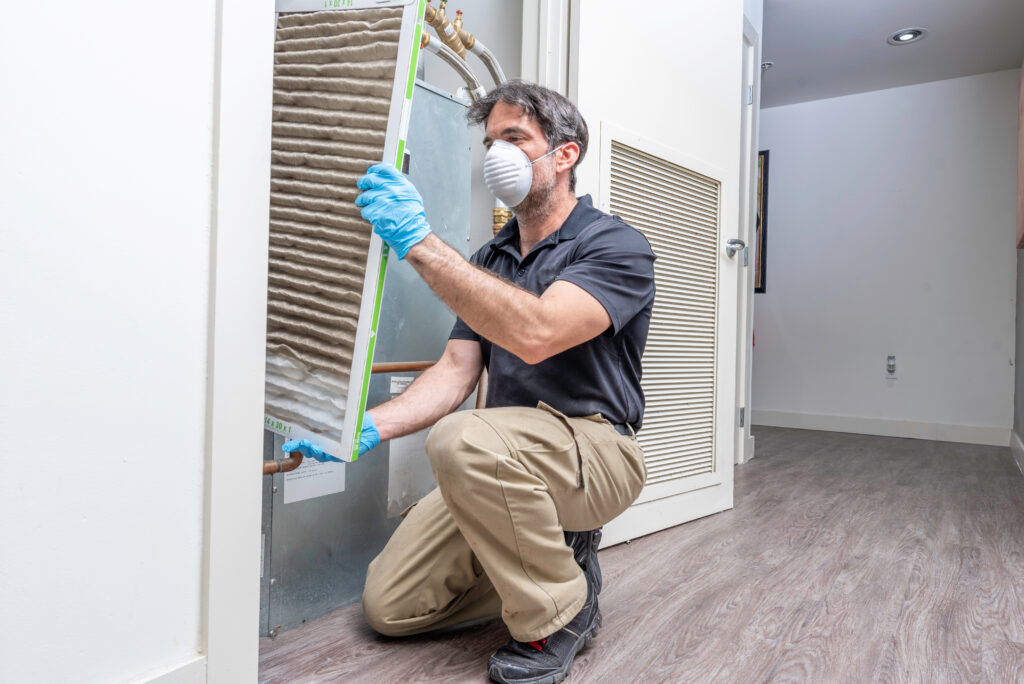
A critical part of the inspection is examining the air filters. Dirty or clogged filters reduce airflow, forcing the system to work harder and consume more energy.
- Filter condition: Assessing whether filters are dirty or damaged.
- Replacement recommendations: Advising on timely changes to optimize airflow.
In many cases, a simple cleaning is all that’s needed to keep your air fresh and your energy bills low. For a step-by-step approach to maintaining your unit between professional visits, see our guide on how to clean AC filter components safely.
3. Thermostat Check and Calibration
Accuracy in temperature control ensures your heating system operates efficiently and maintains comfort. Technicians test and recalibrate thermostats during inspections.
- Functionality test: Confirming that the thermostat responds appropriately.
- Calibration adjustment: Fine-tuning settings to reflect actual room temperatures.
4. Electrical Component Inspection
Electric connections, wiring, and safety controls are thoroughly inspected to prevent failures that could cause system shutdowns or hazards.
- Connection tightness: Ensuring all wires and terminals are secure.
- Control operation: Testing safety switches and circuit integrity.
5. Heating System Element Check
The heating elements or burners are tested for efficiency and safety. Problems here can reduce heat output and increase risk.
- Burner inspection: Cleaning and examining burners for proper ignition.
- Heat exchanger assessment: Checking for cracks or erosion that could lead to leaks.
6. Refrigerant Levels and Leak Test
For HVAC units with cooling capabilities or heat pumps, maintaining proper refrigerant levels is essential for performance and safety.
- Refrigerant measurement: Measuring levels to ensure they meet specifications.
- Leak detection: Using specialized equipment to find and fix any refrigerant leaks.
7. System Performance and Efficiency Evaluation
Technicians conclude by measuring system output and airflow to ensure the unit operates at peak efficiency.
- Airflow testing: Checking ductwork and vents for blockages or leaks.
- Efficiency rating: Comparing current performance against manufacturer standards.
Maximizing the Benefits of Your HVAC Inspection
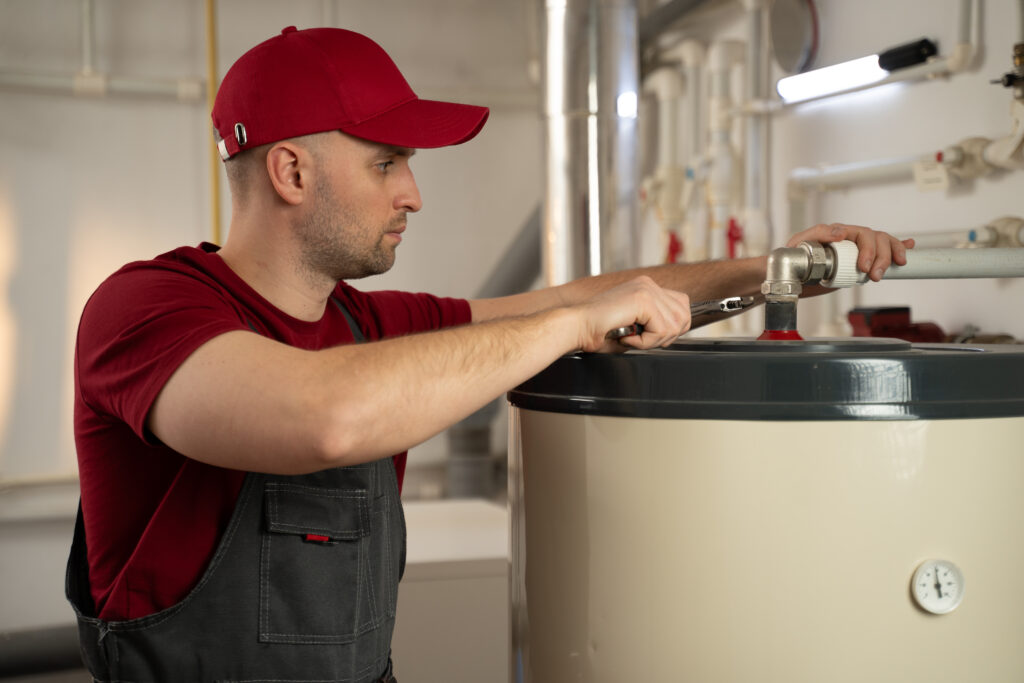
Scheduling an HVAC inspection before winter is an excellent step, but optimizing your system’s performance involves additional considerations. Understanding how to maintain your system between inspections and when to upgrade components contributes to long-term savings and comfort.
- Regular filter changes: Replace air filters every 1-3 months during heavy seasons to maintain airflow and air quality.
- Seal air leaks: Inspect windows, doors, and ductwork to minimize heat loss and improve efficiency.
- Invest in a programmable thermostat: Control heating schedules to reduce energy waste when rooms are unoccupied.
- Keep outdoor units clear: Remove debris and snow from outside HVAC components to prevent damage and maintain airflow.
- Schedule annual inspections: Consistency ensures potential problems are caught before they become emergencies.
Common Challenges During HVAC Inspections and How to Overcome Them
Even routine inspections can uncover unexpected challenges. Being aware of these issues helps you prepare and respond efficiently.
Delays Due to Equipment Accessibility
In some homes, tight spaces or obstructed units complicate inspections.
- Preparation tip: Clear the area around your HVAC unit before the technician arrives to expedite the process.
Detecting Hidden Issues
Not all problems are visible; some require specialized testing to identify, such as subtle refrigerant leaks or hidden duct damage.
- Solution: Choose HVAC professionals who employ advanced diagnostic tools and comprehensive testing methods.
Cost Concerns for Repairs and Upgrades
Unexpected repairs may cause budget concerns for homeowners and business operators alike.
- Advice: Discuss flexible maintenance plans or financing options with your HVAC provider to manage expenses.
Inconsistent Maintenance Histories
Units lacking regular upkeep may require more extensive service or replacement.
- Recommendation: Keep detailed records of maintenance to help your technician diagnose issues faster and offer precise recommendations.
Your Next Step: Ensure a Warm, Efficient Winter
Preparing your HVAC system for winter is essential to avoid discomfort and costly repairs. A professional HVAC inspection identifies problems early and optimizes your system’s performance for the chilly season ahead. Reach out to Panther’s team to schedule your maintenance and get expert advice tailored to your needs. Please contact us today to get started on ensuring your home or business stays warm and efficient all winter long.
