
 Schedule
  (803) 327-2700
 HVAC Maintenance Checklist to Save Money & Keep Air Quality
Maintaining your heating, ventilation, and air conditioning system is crucial for ensuring its efficiency, longevity, and the quality of air in your home or business. An effective hvac maintenance checklist helps prevent costly repairs, reduces energy consumption, and promotes healthier indoor air. Whether you’re a homeowner or a property manager, having a reliable routine for HVAC upkeep can save you money over time and improve comfort significantly. For professional HVAC services tailored to your needs, consider scheduling a visit with experts familiar with comprehensive system care.
- Understand the key components of an HVAC maintenance checklist.
- Learn step-by-step preventive measures to avoid system breakdowns.
- Discover how regular maintenance improves air quality.
- Explore cost-saving benefits through efficient HVAC upkeep.
Why Following an HVAC Maintenance Checklist Matters
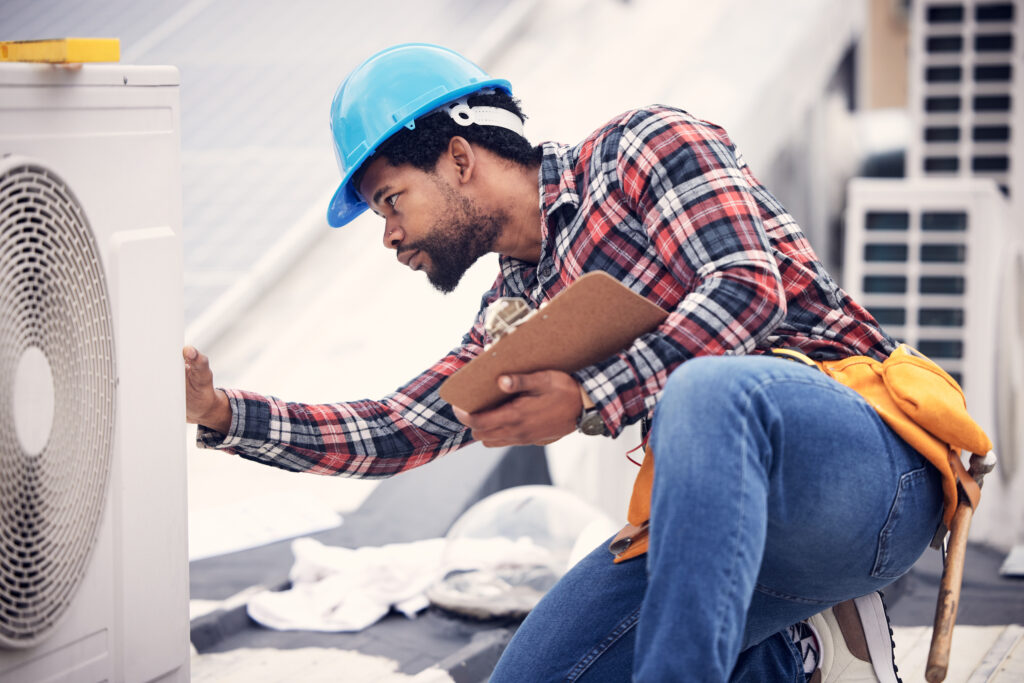
The importance of upkeep for your HVAC system extends beyond just avoiding breakdowns. A well-maintained system runs more efficiently, reduces energy bills, and contributes to a healthier environment inside your space. Neglecting regular maintenance can lead to system failures and poor air quality, affecting comfort and safety.
- Energy Efficiency: Regular maintenance helps your HVAC operate at peak performance, reducing unnecessary energy use.
- Extended Equipment Lifespan: Proactive care prevents wear and tear, prolonging the life of your HVAC system.
- Improved Indoor Air Quality: Clean components reduce dust, allergens, and pollutants circulating indoors.
- Cost Savings: Preventative maintenance minimizes expensive emergency repairs and lowers utility bills.
- Comfort Assurance: Systems maintained regularly provide consistent temperature control and humidity management.
8 Essential Steps on Your HVAC Maintenance Checklist
An organized routine makes HVAC upkeep more manageable and effective. These eight essential steps form the backbone of a reliable maintenance program and can have a direct impact on performance, efficiency, and system longevity.
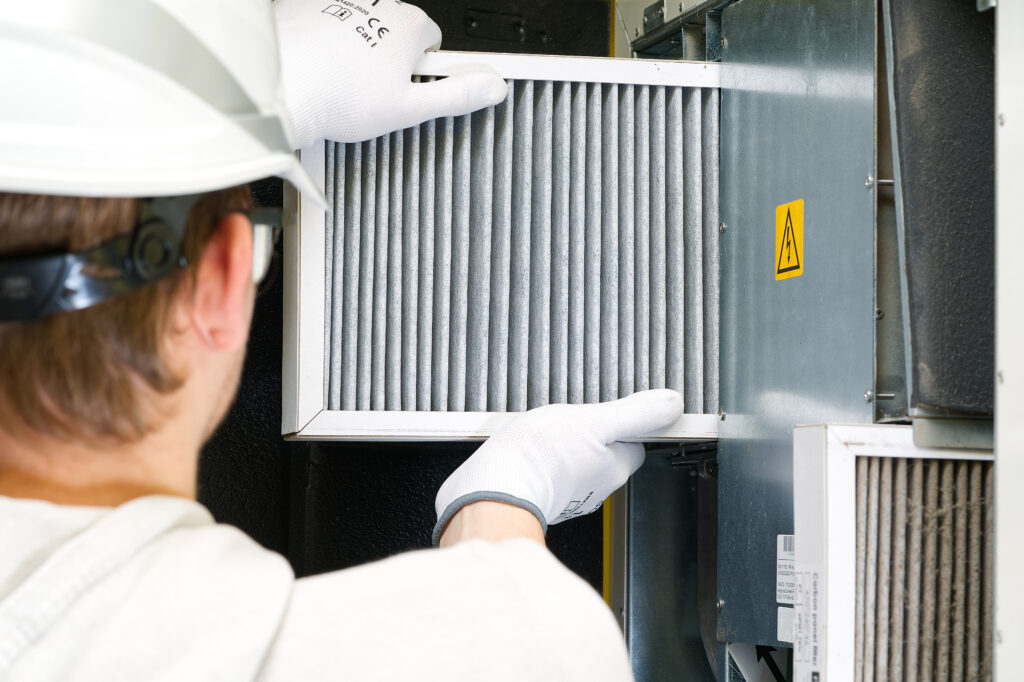
1. Replace or Clean Air Filters
Air filters trap dust, pollen, and debris to keep air circulating cleanly throughout your home. They should be inspected monthly and replaced or cleaned every 1 to 3 months based on system type and household conditions.
- Benefit: Maintains proper airflow and reduces strain on the system.
- Tip: Homes with pets or higher dust levels often need more frequent filter changes.
2. Inspect and Clean Coils
Evaporator and condenser coils are responsible for absorbing and releasing heat. When they become dirty, efficiency drops and energy use rises.
- Action: Clean coils at least once per year.
- Benefit: Supports proper heat transfer and helps control energy costs.
3. Check Refrigerant Levels
Refrigerant enables your HVAC system to cool effectively. Low levels can indicate leaks or improper charging.
- Warning: Refrigerant handling must be performed by licensed professionals to prevent system damage and environmental harm.
4. Inspect Ductwork for Leaks
Leaks in ductwork allow conditioned air to escape before reaching living areas, reducing comfort and efficiency.
- Result: Sealing ducts improves airflow delivery and overall system performance.
5. Test Thermostat Functionality
Your thermostat regulates temperature and system cycling. Confirm that it responds correctly and maintains accurate settings.
- Tip: Calibration or replacement may be necessary if temperatures feel inconsistent.
6. Lubricate Moving Parts
Motors, bearings, and fans rely on lubrication to operate smoothly. Lack of lubrication increases friction and wear.
- When: Apply lubrication during scheduled tune-ups.
- Benefit: Extends component life and reduces unnecessary strain.
7. Clean Drain Lines and Drain Pans
Condensation from air conditioning systems can clog drain lines and cause water damage or mold growth.
- Action: Clear blockages and disinfect drain pans annually to maintain proper drainage.
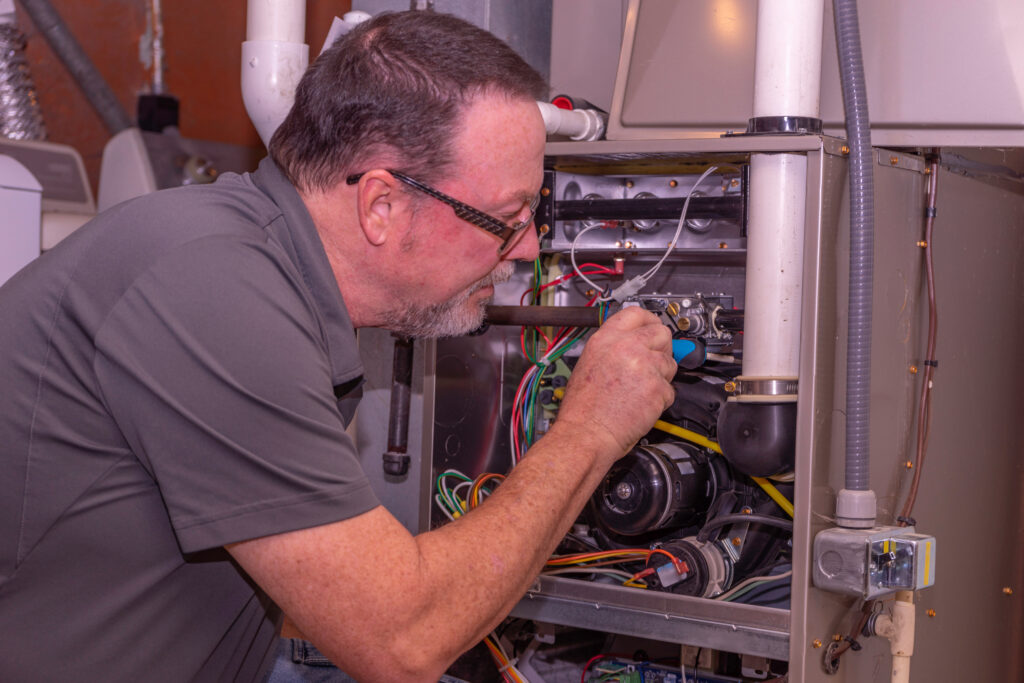
8. Inspect Electrical Connections
Electrical components should be secure and free from damage to ensure safe operation.
- Check: Tighten loose connections and inspect wiring during professional maintenance visits.
- Benefit: Improves system reliability and helps prevent unexpected breakdowns.
Additional Practices to Enhance HVAC Maintenance
Besides the essential checklist, there are other important habits and inspections that support your HVAC system’s health and air quality over time.
Seasonal System Inspections
Scheduling professional inspections before seasonal changes ensures your HVAC unit is ready for heavy use periods, reducing the risk of failure during extreme weather.
Monitor Energy Usage
Tracking monthly energy bills can indicate when system efficiency is declining, prompting timely maintenance before costly repairs ensue.
Keep Outdoor Units Clear
Ensure that outdoor condenser units have at least two feet of clearance and are free from leaves, debris, or overgrowth to maintain airflow.
Regularly Change HVAC Settings
Adjusting thermostat settings to energy-saving temperatures when away or during sleeping hours minimizes unnecessary strain.
Maintain a Consistent Cleaning Routine
Regular, proactive care is the best way to prevent unexpected breakdowns and keep your system running efficiently. To learn the most effective habits for long-term reliability, check out our guide on how to maintain heating and air conditioning.
Common HVAC Maintenance Mistakes to Avoid
Even with the best intentions, some homeowners or building managers fall into practices that can undermine HVAC care or safety.
| Mistake | Impact | How to Avoid |
| Ignoring filter replacement | Reduced airflow, higher energy bills, and premature system wear | Set reminders and check filters monthly |
| DIY refrigerant handling | Potential system damage and legal issues | Hire certified HVAC professionals |
| Neglecting duct sealing | Increased energy waste and uneven heating/cooling | Schedule professional duct inspections |
| Delaying repairs | Escalating damage and higher costs | Address issues at first sign |
| Overlooking thermostat calibration | Inaccurate temperature control and discomfort | Test and recalibrate regularly |
Getting Started with Your HVAC Maintenance Routine
Developing a habit of regular HVAC maintenance will bring lasting benefits, from improved air quality to cost savings. Begin by gathering the necessary HVAC tools, setting a schedule, and familiarizing yourself with your system’s specific requirements. Always keep safety in mind and do not hesitate to engage with professional services for more complex inspections or repairs.
- Create a calendar: Mark quarterly or monthly reminders for key maintenance tasks.
- Keep records: Document inspections, filter changes, and maintenance performed.
- Educate household members: Everyone should recognize signs of HVAC inefficiency or malfunctions.
- Consult HVAC professionals: Regularly schedule expert tune-ups to complement your routine care.
Ensure Your HVAC System Runs Efficiently Year-Round
Maintaining your HVAC system with a thorough checklist is essential for saving money and sustaining high-quality indoor air. Regular care prevents costly repairs, enhances comfort, and supports healthier living or working spaces. For comprehensive HVAC maintenance or repairs, trust the expertise of Panther. Reach out directly to contact us today to schedule your service and ensure your system performs at its best all year long.
