
 Schedule
  (803) 327-2700
 The 8 Essential HVAC Tools For Repairs and Installations
Behind every comfortable, climate-controlled home is an HVAC technician equipped with the right set of tools. Whether it’s diagnosing airflow problems, sealing ductwork, or replacing a thermostat, having the right HVAC tools ensures every job is done safely and efficiently. From simple hand tools to precision testing instruments, these essentials keep your system performing at its best and your comfort uninterrupted.
For homeowners, understanding what professionals use provides valuable insight into how complex your heating and cooling system truly is. It also highlights why proper maintenance and professional service—like trusted HVAC repair and installation services—are key to keeping your system efficient and reliable.
In this guide, you’ll learn:
- The most essential tools HVAC professionals rely on for accurate repairs and installations
- How these tools ensure safety, performance, and long-term reliability
- The difference between basic hand tools and advanced diagnostic equipment
- How tool quality impacts the quality of your HVAC service
- Why DIY repairs without proper tools often cause more harm than good
Why the Right HVAC Tools Matter
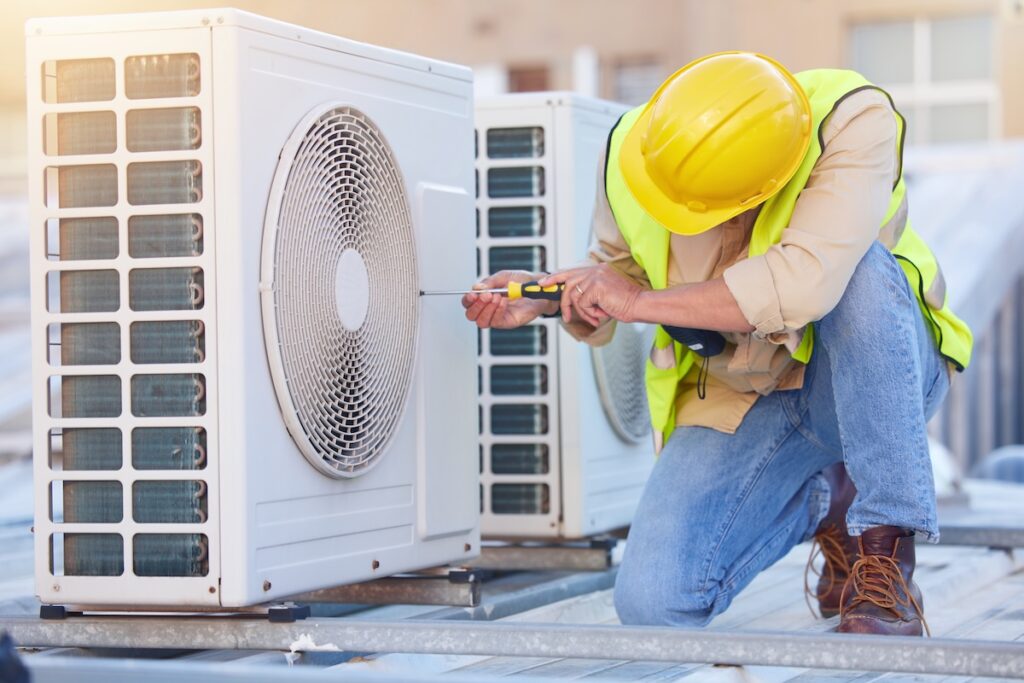
An HVAC technician’s toolkit isn’t just about convenience—it’s about precision and safety. Modern systems combine electrical, mechanical, and refrigerant components, requiring specialized instruments to handle complex repairs.
Here’s why the right tools make all the difference:
- Accurate Diagnostics: Tools like multimeters, refrigerant gauges, and airflow meters allow technicians to pinpoint problems quickly and efficiently.
- System Longevity: Using proper tools prevents unnecessary strain or damage to delicate components like coils, wiring, and compressors.
- Energy Efficiency: Proper calibration ensures the system runs at peak performance, saving energy and reducing monthly bills.
- Safety Assurance: Refrigerant handling, electrical testing, and high-pressure systems require certified tools to protect both the technician and the homeowner.
- Professional Quality: Skilled technicians rely on precision instruments that deliver consistent, high-quality results that DIY methods simply can’t match.
In Fort Mill, SC and surrounding areas, where temperature swings can be dramatic, professional-grade tools ensure your HVAC system handles seasonal changes smoothly and efficiently.
The 8 Essential HVAC Tools Every Professional Needs
Every service technician carries a well-organized set of tools designed for different stages of HVAC work—from installation to maintenance and repair. Below are eight core categories that form the foundation of professional HVAC work.
1. Multimeter
A multimeter is one of the most important diagnostic tools in any HVAC toolkit. It measures voltage, current, and resistance to identify electrical issues within your system.
Why it’s essential:
- Detects short circuits, power surges, or faulty connections.
- Ensures safety before working on electrical components.
- Verifies that sensors, thermostats, and circuit boards are working properly.
A reliable multimeter helps technicians test everything from control boards to compressor circuits without risking electrical hazards.
2. Refrigerant Manifold Gauge Set
Heat pumps and air conditioners rely on refrigerant to transfer heat. A manifold gauge set measures refrigerant pressure, allowing technicians to detect leaks, assess system performance, and add or recover refrigerant accurately.
Key uses:
- Checks refrigerant charge and balance.
- Diagnoses system inefficiencies or compressor problems.
- Prevents overcharging or undercharging refrigerant lines.
Because improper refrigerant handling can damage a system or violate environmental laws, professionals are certified to use these tools safely and precisely.
3. Vacuum Pump
A vacuum pump removes moisture and air from refrigerant lines before charging the system. Moisture inside the system can freeze or react with refrigerant, causing major damage over time.
Benefits of proper vacuuming:
- Ensures refrigerant purity and efficiency.
- Prevents corrosion inside copper lines.
- Extends the life of the compressor and evaporator coil.
Before new installations or after major repairs, this tool guarantees a clean, moisture-free environment for optimal system performance.
4. Leak Detector
Refrigerant leaks are one of the most common HVAC issues, yet they’re often hard to find without the right equipment. Leak detectors use electronic sensors or UV dyes to locate leaks quickly and precisely.
Why leak detection matters:
- Identifies small leaks before they lead to major refrigerant loss.
- Prevents reduced system efficiency and cooling capacity.
- Helps avoid environmental and safety risks from escaping refrigerants.
Early leak detection not only saves on repair costs but also helps homeowners avoid rising energy bills caused by low refrigerant levels.
5. Manifold Hose Set and Recovery Machine
When technicians need to replace or repair major refrigerant components, recovery machines and hose sets are critical. They safely extract and contain refrigerant, preventing harmful release into the environment.
Functions include:
- Recovering refrigerant during service.
- Storing it safely for reuse or proper disposal.
- Complying with EPA environmental safety regulations.
Professionals in Fort Mill, SC, and surrounding areas always follow strict refrigerant recovery guidelines to protect both homeowners and the environment.
6. Coil Fin Straightener and Cleaning Tools
Evaporator and condenser coils collect dust and debris over time, reducing system performance. Fin straighteners and cleaning brushes help restore airflow and improve heat exchange efficiency.
Why coil maintenance matters:
- Enhances system airflow and efficiency.
- Prevents overheating and freezing issues.
- Reduces strain on the compressor and blower motor.
Regular coil cleaning, performed with proper tools and safe cleaning solutions, helps maintain indoor comfort and air quality throughout the year. To ensure you’re using the right products for the job without damaging your system, we recommend choosing a high-quality AC coil cleaner that effectively removes buildup while protecting your equipment’s efficiency.
7. HVAC Gauges and Thermometers
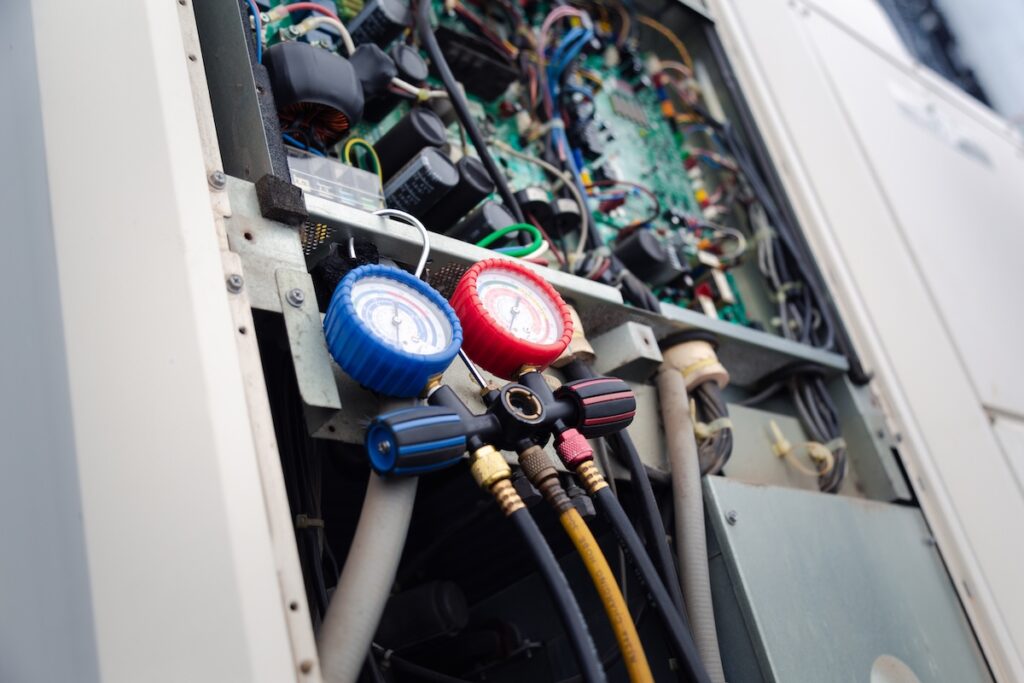
Temperature and pressure gauges allow technicians to verify that air output, refrigerant flow, and compressor operation are all within optimal ranges.
Key readings include:
- Supply and return air temperature differentials.
- Superheat and subcooling levels.
- Pressure balance across the evaporator and condenser.
Accurate measurements help technicians fine-tune performance and identify inefficiencies before they lead to costly repairs.
8. Sheet Metal and Hand Tools
Not every repair requires high-tech instruments. Traditional hand tools—like tin snips, wrenches, tubing cutters, and crimpers—are essential for everyday adjustments, installations, and ductwork modifications.
Examples include:
- Tin Snips: Cut and shape duct metal cleanly.
- Tube Cutters: Create precise, leak-free copper pipe connections.
- Crimpers: Secure duct connections and fittings tightly.
- Nut Drivers and Screwdrivers: Assemble units and panels securely.
These tools might seem basic, but they form the backbone of any HVAC service, allowing technicians to handle everything from quick fixes to full installations.
Supporting Tools That Enhance HVAC Work
Beyond the core eight, many specialized tools help technicians perform detailed inspections, improve safety, and deliver higher-quality service.
Safety Gear
Working around refrigerants and electrical components requires proper safety protection. Professionals use:
- Insulated gloves for electrical safety.
- Protective eyewear to prevent debris and refrigerant contact.
- Respirators when handling cleaning agents or dusty ductwork.
Diagnostic Technology
Modern technicians also use digital tools such as:
- Thermal imaging cameras to detect heat loss or blocked airflow.
- Combustion analyzers for furnace efficiency and safety testing.
- Anemometers to measure air velocity through vents and ducts.
These advanced tools ensure repairs and installations are not only effective but also fully optimized for performance and efficiency.
Why Homeowners Shouldn’t Attempt DIY HVAC Repairs
While it might be tempting to fix a minor HVAC issue yourself, most repairs require specialized training, safety certification, and precise tools to perform correctly. Attempting repairs without the right tools can void warranties, reduce efficiency, or even cause injury.
Risks of DIY HVAC repairs:
- Electrical shock or system damage.
- Refrigerant exposure and environmental violations.
- Misdiagnosis leading to costlier future repairs.
- Loss of manufacturer warranty coverage.
Licensed HVAC professionals have the experience and tools to handle repairs safely and efficiently, ensuring your system performs reliably year-round.
How Professional Tools Ensure Better Results
Every tool in a technician’s arsenal serves a purpose—accuracy, safety, and longevity. When combined with experience and ongoing training, they guarantee the best outcomes for homeowners.
Professional Tool Advantages
| Tool Category | Homeowner Limitation | Professional Advantage |
| Electrical Testing | Lack of proper insulation or accuracy | Certified multimeters with precise calibration |
| Refrigerant Handling | Illegal without EPA license | Safe, compliant refrigerant recovery and charging |
| Airflow Testing | No measurement instruments | Professional airflow meters for balanced comfort |
| Leak Detection | Inconsistent DIY sprays | Advanced sensors for pinpoint accuracy |
| Ductwork Repair | Basic tools can damage metal | Proper crimpers and sealants for airtight connections |
This precision ensures better system performance, lower energy costs, and peace of mind knowing your home’s comfort systems are maintained properly.
Maintaining HVAC Efficiency Year-Round
Even with the best tools, maintenance matters most. Technicians use their equipment not only to repair systems but also to keep them in top shape through preventive care.
Regular Maintenance Includes
- Checking refrigerant levels and electrical components.
- Cleaning coils, filters, and blower assemblies.
- Calibrating thermostats for accuracy.
- Inspecting ducts for leaks and airflow balance.
- Ensuring safe and efficient startup performance.
Scheduling seasonal maintenance—especially before peak summer and winter months—ensures your system operates efficiently, preventing unexpected breakdowns.
In Fort Mill, SC and surrounding areas, proactive care helps homeowners avoid expensive emergency repairs and keeps indoor air quality high all year long.
Keep Your Comfort Running Smoothly
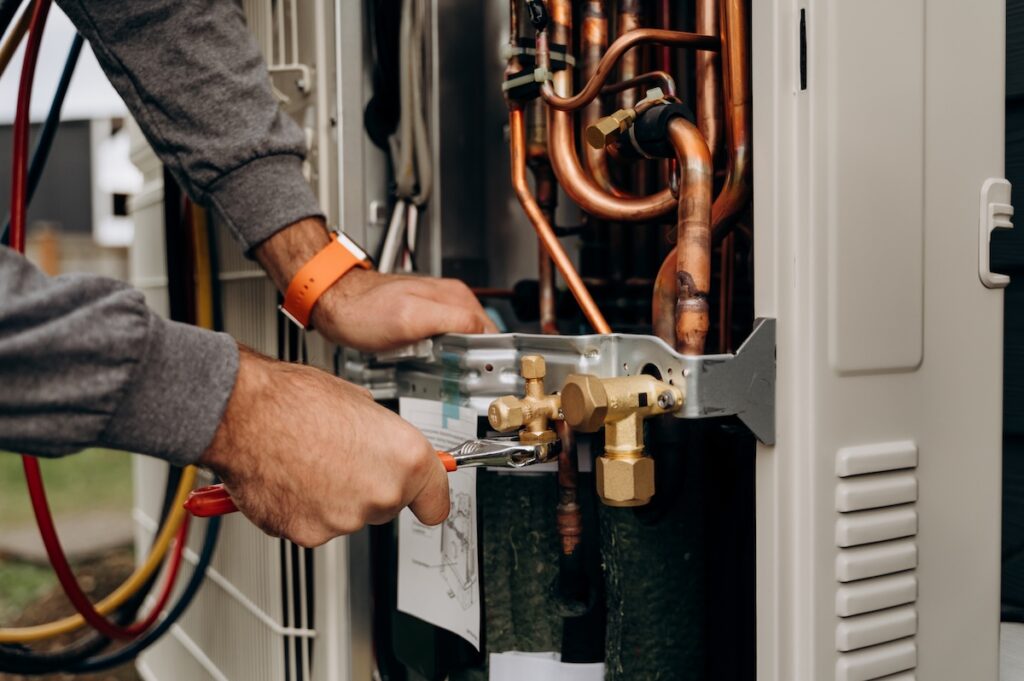
Whether it’s a routine tune-up or a full system installation, professional HVAC service depends on precision tools and expert knowledge. The right HVAC tools make it possible to perform complex repairs safely, optimize system performance, and deliver reliable comfort in every season.
Panther HVAC proudly serves Fort Mill, SC and surrounding areas with expert technicians equipped with industry-grade tools and years of experience. For dependable system inspections, maintenance, or installation, contact us today and let our team ensure your HVAC system runs smoothly and efficiently all year long.
