
 Schedule
  (803) 327-2700
 Indoor Air Quality Solutions: 7 Things You Need to Consider
The air inside your home can be more polluted than the air outside, and most homeowners never realize it until health symptoms or comfort issues appear. Whether you’re dealing with allergies, musty odors, or just a stuffy atmosphere that never quite feels right, indoor air quality solutions are worth understanding before problems get worse. If you’re unsure where your home stands, explore what cleaner air at home can do for your family’s well-being and start making informed decisions today.
What you’ll learn:
- Why indoor air quality directly affects your health and comfort
- The most common factors that degrade the air inside your home
- Practical upgrades and strategies to improve air quality throughout every season
- How humidity, ventilation, and filtration work together as a system
- When to call a professional and what to expect from a full assessment
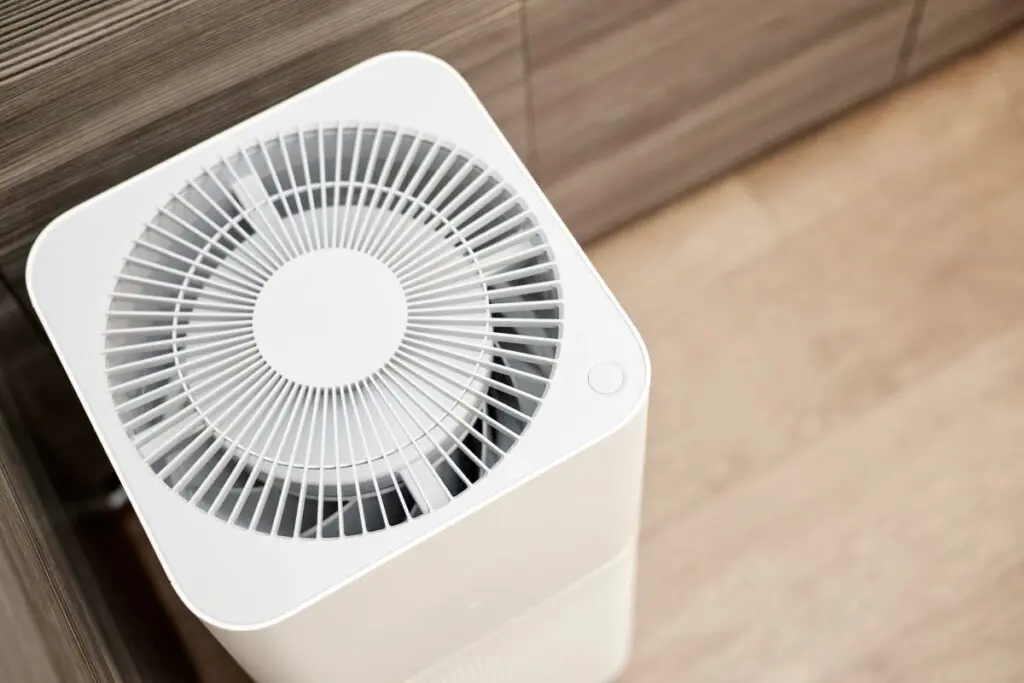
Why Indoor Air Quality Deserves Your Attention
Many homeowners in Fort Mill and surrounding areas invest heavily in their HVAC systems but overlook the quality of the air those systems are circulating. A well-functioning heating and cooling setup does not automatically mean the air it moves is clean, balanced, or free from irritants. The two concerns are related but distinct, and treating them separately leads to better outcomes for your home and your family.
Poor air quality has real consequences that go beyond discomfort. Dust, allergens, volatile organic compounds, and excess humidity can aggravate respiratory conditions, disrupt sleep, and cause long-term damage to building materials. Here are four reasons why addressing this topic matters:
- Health protection: Contaminated indoor air is linked to headaches, fatigue, worsening asthma, and allergic reactions that many people incorrectly attribute to other causes.
- System efficiency: Dirty, particle-laden air makes your HVAC equipment work harder, shortening its lifespan and increasing your monthly energy bills.
- Home preservation: High humidity encourages mold growth on walls, ceilings, and inside ductwork, leading to costly remediation if left unchecked.
- Year-round comfort: Balanced air quality means consistent temperature regulation, fewer odors, and a home environment that feels genuinely refreshing to come back to.
Taking a proactive approach to air quality is not about chasing perfection. It is about understanding the factors at play and making targeted improvements that deliver lasting results.
7 Things You Need to Consider for Better Indoor Air Quality
Every home is different, but the factors that affect air quality follow predictable patterns. Understanding each one helps you prioritize where to focus your efforts and budget.
1. Filtration Efficiency
Your HVAC filter is the first line of defense against airborne particles. Standard one-inch filters capture large debris but allow smaller particles like fine dust, pet dander, and pollen to pass right through. Upgrading to a higher-MERV rated filter or a whole-home air filtration system captures significantly more contaminants without forcing your equipment to work against excessive airflow resistance. Always match the filter rating to your specific system’s recommendations to avoid unintended strain.
2. Humidity Control
Humidity levels in a home should stay between 30 and 50 percent year-round. In Fort Mill and surrounding areas, summer humidity can push indoor levels well above that range without any intervention. High humidity feeds mold, dust mites, and bacteria. Low humidity, more common in winter, dries out respiratory passages and skin, cracks wood floors, and creates static electricity. A whole-home humidifier or dehumidifier integrated into your HVAC system provides automatic, consistent control that portable units simply cannot match.
3. Ventilation Adequacy
Modern homes are built tight for energy efficiency, which is good for your utility bills but problematic for fresh air exchange. Without adequate ventilation, pollutants, odors, and carbon dioxide accumulate indoors. Energy recovery ventilators and heat recovery ventilators are designed to bring fresh outdoor air in while transferring heat energy to or from the outgoing air, maintaining efficiency while dramatically improving air freshness. Reviewing your current ventilation setup is a smart early step in any air quality improvement plan.
4. Ductwork Condition
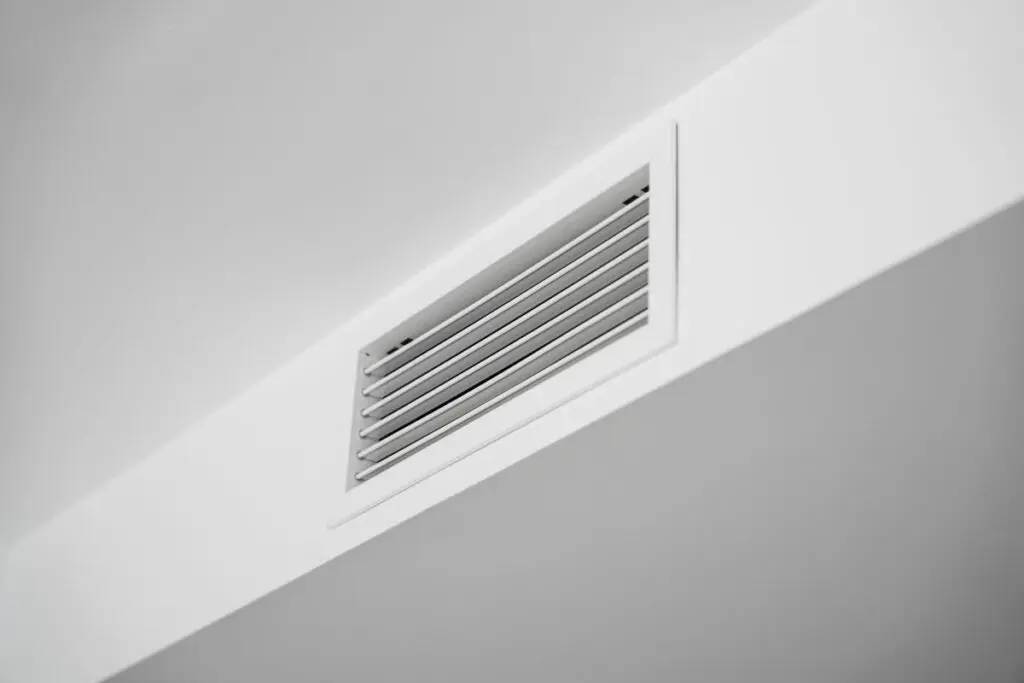
Your ducts carry conditioned air to every room in your home, but they can also carry dust, mold spores, pest debris, and fiberglass particles if they are dirty, leaky, or improperly sealed. Leaky ducts pull in unconditioned air from attics, crawl spaces, and wall cavities, introducing contaminants directly into your breathing environment. A professional duct inspection and sealing service can have a substantial impact on both air quality and system efficiency, particularly in older homes.
5. Pollutant Sources
Common indoor pollutant sources include cleaning products, paints, adhesives, building materials, gas appliances, and even furniture that off-gasses volatile organic compounds over time. Identifying and reducing these sources is just as important as improving filtration. Simple steps like choosing low-VOC products, increasing spot ventilation in kitchens and bathrooms, and storing chemicals properly can reduce the burden on your air handling system considerably.
6. Air Purification Technology
Whole-home air purifiers go beyond standard filtration by actively neutralizing biological contaminants like bacteria, viruses, and mold spores. Technologies such as ultraviolet germicidal irradiation and bipolar ionization work within your existing HVAC system to treat the air as it circulates. These solutions are particularly valuable for households with immune-compromised individuals, young children, or anyone managing chronic respiratory conditions. Homeowners in Fort Mill and surrounding areas have increasingly asked about these upgrades as awareness of airborne illness transmission has grown.
7. Seasonal Adjustments
Air quality challenges shift with the seasons. Spring brings pollen. Summer brings humidity and increased biological growth in ductwork. Fall and winter create tighter indoor conditions with reduced ventilation. A truly effective air quality strategy accounts for these shifts rather than relying on a single static setup. Working with an HVAC professional to review your system before each season ensures your home is prepared for whatever conditions are coming, not just the ones that are already here.
These seven considerations do not have to be addressed all at once. Prioritizing based on your home’s specific conditions and your household’s needs is a practical way to make steady, meaningful progress.
Building a Layered Approach to Cleaner Air
Addressing indoor air quality is most effective when you treat it as a system rather than a checklist of isolated fixes. Each component you improve supports the others, and the cumulative benefit is greater than any single upgrade on its own.
Start with an Assessment
Before purchasing equipment or scheduling services, get a clear picture of where your air quality currently stands. An HVAC professional can evaluate your filtration setup, test humidity levels, inspect ductwork for leaks, and identify problem areas that are not always obvious to homeowners. This baseline makes every subsequent decision more targeted and cost-effective.
Layer Your Solutions
A layered approach means addressing filtration, humidity, ventilation, and purification as a coordinated plan. For example, upgrading to a high-efficiency filter while also installing a dehumidifier addresses two distinct problems that compound each other. Adding UV purification on top of that provides a third layer of protection that handles biological threats the filter alone cannot eliminate. Think of these systems the way you think of home security: each layer adds meaningful protection.
Maintain Consistently
Even the best air quality equipment loses effectiveness without regular maintenance. Filter replacements, UV bulb changes, humidifier pad cleanings, and annual duct inspections are all part of keeping your investment working as intended. Setting a seasonal maintenance schedule and sticking to it is one of the highest-return habits a homeowner can develop.
Understanding the Connection Between HVAC Performance and Air Quality
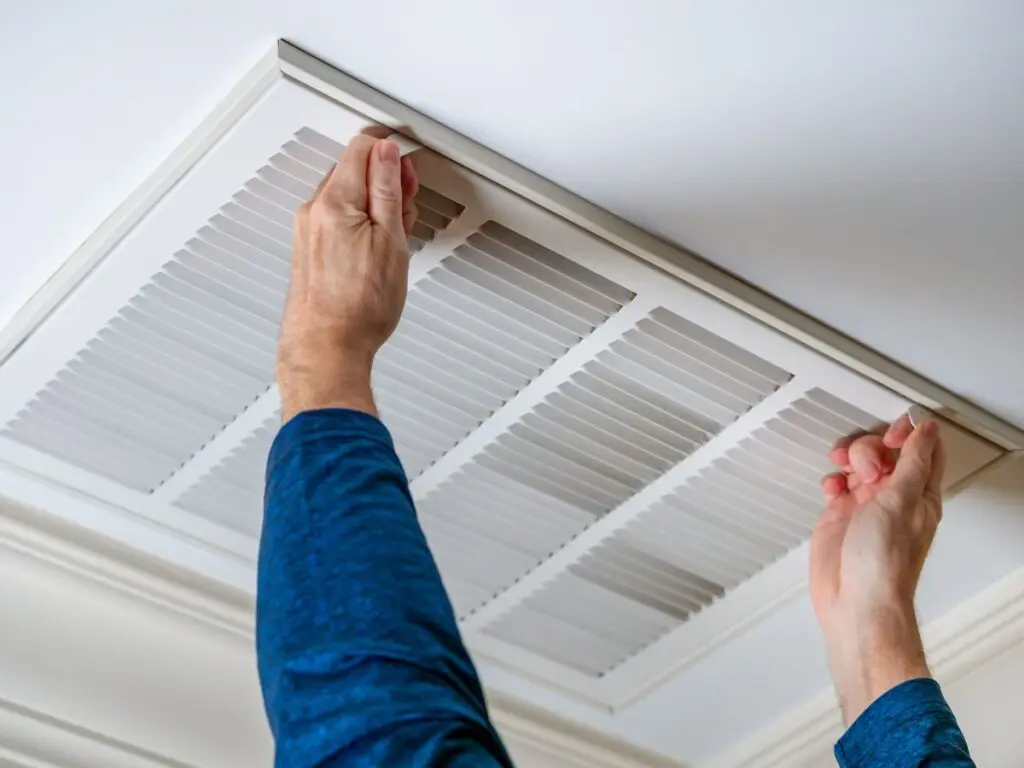
It is easy to think of HVAC and air quality as separate concerns, but they are deeply interconnected. A system that is running inefficiently, cycling too frequently, or struggling with airflow problems will also struggle to maintain consistent air quality. Conversely, a home with severe air quality problems can accelerate wear on HVAC components, creating a cycle that is expensive to break if it goes unaddressed for too long.
Homeowners often notice air quality problems first through secondary symptoms: dust buildup that returns quickly after cleaning, persistent musty smells, inconsistent humidity from room to room, or family members who always seem to have a cough or congestion indoors. These are signals worth taking seriously, not dismissing as seasonal quirks.
| Symptom | Likely Cause | Recommended Solution |
| Dusty surfaces return quickly | Low-efficiency filtration | Upgrade to higher-MERV filter or whole-home purifier |
| Musty or stale odors | Mold growth or poor ventilation | Duct inspection, dehumidifier, UV purification |
| Dry skin and static electricity | Low humidity in winter | Whole-home humidifier |
| Allergy symptoms worsen indoors | Pollen, dander, dust mites | Filtration upgrade plus air purifier |
| Condensation on windows | Excess indoor humidity | Whole-home dehumidifier |
Matching the right solution to the right symptom is where professional guidance proves its value. Generic answers rarely address the specific combination of conditions in any given home.
Fresh Air Is Closer Than You Think
Your home should be a place where you breathe easy, and with the right approach, it absolutely can be. The seven factors covered in this guide give you a clear framework for identifying what is working, what is not, and where targeted improvements will make the biggest difference. Whether your concerns are health-driven, comfort-driven, or both, the path forward starts with understanding what is actually happening inside your home’s air. Homeowners across Fort Mill and surrounding areas trust Panther HVAC for honest evaluations and professional solutions that are matched to their specific needs. Reach out today to schedule an assessment and take the first real step toward cleaner, healthier air at home.