
 Schedule
  (803) 327-2700
 Mini Split Drain Line Clogged? (6 Ways to Fix It)
If you notice water dripping from your indoor unit or stains forming on the wall beneath it, a clogged mini split drain line could be the culprit. Mini split systems rely on proper drainage to remove condensation during cooling cycles. When that drainage path becomes blocked, moisture backs up quickly. Understanding how this issue connects to your overall home heating and cooling system can help you prevent damage and restore performance before it becomes a larger repair.
In this guide, you will learn:
- Why mini split drain lines clog
- 6 practical ways to fix the problem
- Signs of water damage to watch for
- When to call a professional
- How to prevent future drainage issues
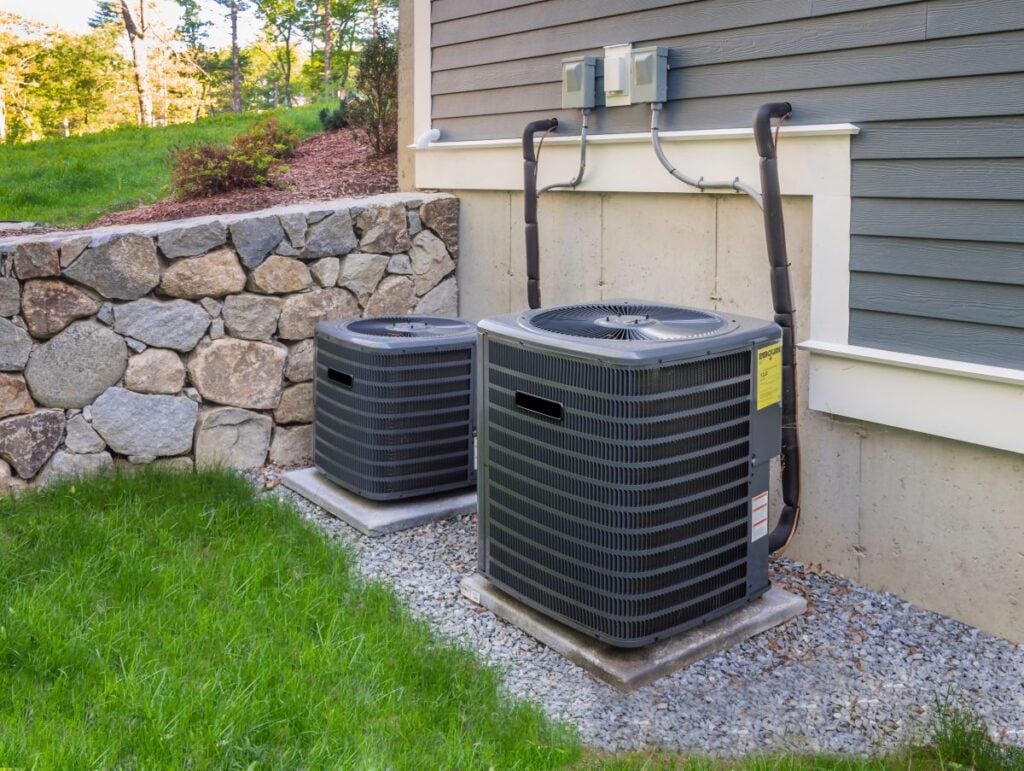
Why Proper Drainage Is Critical for Mini Split Systems
Mini split systems remove humidity from indoor air as they cool. That moisture collects on the evaporator coil and drains through a small condensate line. When that line becomes obstructed, water has nowhere to go.
For homeowners in Matthews, NC and surrounding areas, where humidity levels can rise quickly in the summer, keeping that drainage system clear is essential for comfort and property protection.
A properly functioning drain line provides:
- Moisture Control: Prevents water accumulation inside the indoor unit.
- Mold Prevention: Reduces risk of microbial growth inside wall cavities.
- System Efficiency: Ensures smooth operation without shutdowns.
- Structural Protection: Avoids drywall damage and staining.
- Long Term Reliability: Reduces strain on internal components.
Ignoring a clogged drain line can lead to leaks, musty odors, and expensive repairs.
6 Ways to Fix a Clogged Mini Split Drain Line
When drainage problems appear, prompt action can limit damage. Below are six effective ways to address the issue, depending on severity.
1. Turn Off the System Immediately
If you notice water leaking from the indoor unit, shut off the system to prevent further overflow.
Allowing the system to continue running may:
- Increase water accumulation
- Soak insulation or drywall
- Trigger electrical issues
Turning the unit off protects both the equipment and surrounding surfaces while you investigate.
2. Inspect the Drain Line Outlet
Locate the exterior termination point of the drain line. This is typically near the outdoor condenser or along the exterior wall.
Look for:
- Visible blockages
- Algae buildup
- Insect nests
- Kinks in the tubing
Clearing debris from the outlet may resolve minor clogs quickly.
3. Use a Wet Dry Vacuum
For moderate clogs, a wet dry vacuum can help remove buildup from the drain line.
Steps typically include:
- Attaching the vacuum hose to the drain outlet
- Creating a tight seal around the pipe
- Running the vacuum for several minutes
This method often pulls algae, sludge, and debris out of the line.
4. Flush the Line With Cleaning Solution
Once suction clears most of the blockage, flushing the line can remove residual buildup.
A mixture of warm water and mild cleaning solution may help break down organic growth.
Be sure to:
- Avoid harsh chemicals
- Use moderate pressure
- Confirm drainage flows freely afterward
If water still backs up, the clog may be deeper within the system.
5. Check for Improper Line Slope
Mini split drain lines rely on gravity for proper drainage. If the line sags or slopes upward at any point, water can pool and create repeated clogs.
Inspect for:
- Low hanging sections
- Sharp bends
- Poorly secured tubing
Correcting slope issues ensures consistent water flow.
6. Schedule Professional Service
If leaks continue despite basic troubleshooting, internal components may require inspection.
A professional technician can:
- Disassemble and clean the condensate tray
- Inspect the evaporator coil
- Verify pump operation if installed
- Confirm proper installation and slope
For homeowners in Matthews, NC and surrounding areas, professional evaluation provides long term peace of mind.
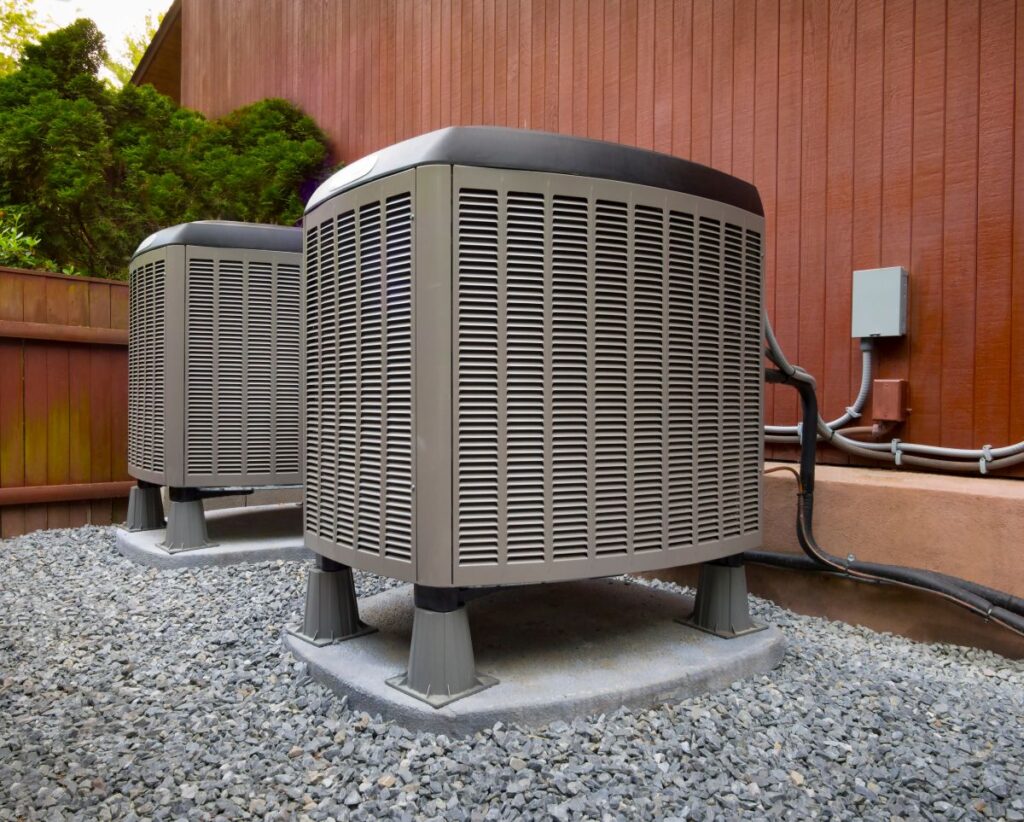
Common Causes of Mini Split Drain Line Clogs
Understanding why clogs occur helps prevent repeat problems. Several factors contribute to drainage obstruction.
Algae and Mold Growth
Warm, moist environments inside drain lines create ideal conditions for microbial growth.
Over time, algae can accumulate and form a thick blockage that restricts flow.
Routine cleaning helps prevent buildup.
Dust and Debris Accumulation
Airborne particles can mix with condensation inside the drain pan. This combination forms sludge that gradually clogs the line.
Regular filter changes reduce debris entering the system.
Improper Installation
If the drain line lacks proper slope or secure mounting, water may pool instead of draining smoothly.
Improper installation increases the likelihood of recurring clogs.
Condensate Pump Failure
Some mini splits rely on condensate pumps to move water upward before draining.
If the pump fails, water backs up quickly and may trigger safety shutdowns.
Warning Signs of Drainage Problems
Mini split drainage issues rarely happen without early warning signs.
Pay attention to:
- Water dripping from the indoor unit
- Stains on walls or ceilings
- Musty odors near the system
- System shutting off unexpectedly
- Gurgling sounds during operation
For homeowners in Matthews, NC and surrounding areas, increased humidity during summer months can amplify these symptoms.
Addressing small leaks early prevents structural damage.
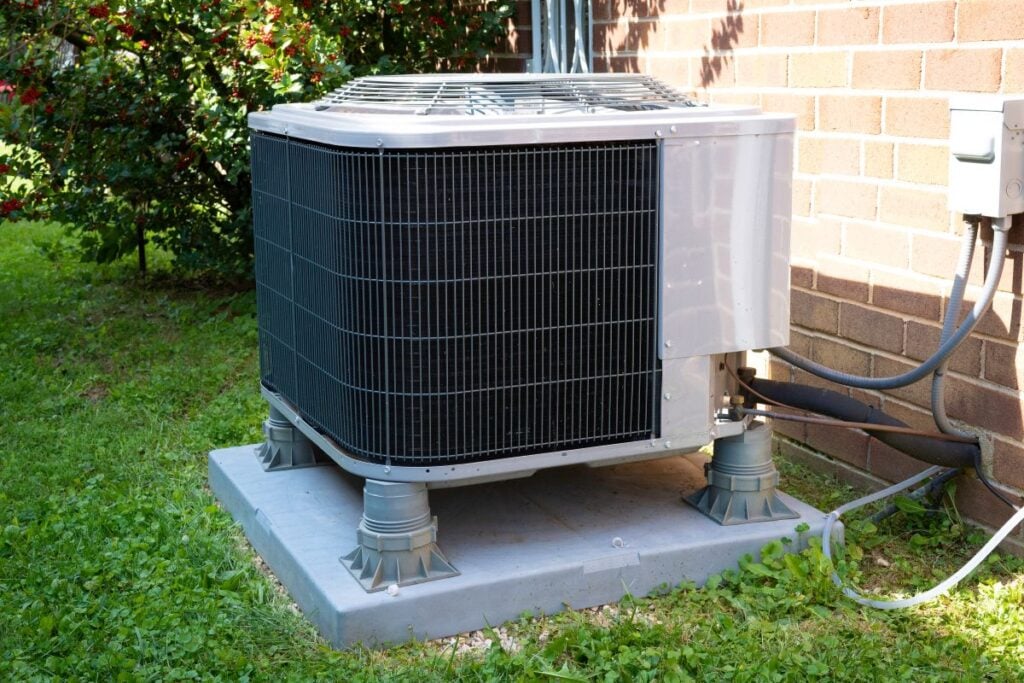
DIY vs Professional Repairs
Homeowners often wonder whether they can resolve a clogged drain line themselves. While minor clogs are manageable, some situations require professional tools and expertise.
Below is a general comparison:
Minor Exterior Blockage:
- DIY vacuum or flush
- Monitor for recurrence
Persistent Internal Clog:
- Professional cleaning recommended
- Internal inspection required
Pump Malfunction:
- Technician diagnosis needed
- Electrical testing involved
Water Damage Present:
- Immediate professional evaluation
- Check for mold risk
If uncertainty exists, professional service ensures the problem is fully resolved.
Preventing Future Mini Split Drain Line Clogs
Preventive maintenance is the most effective strategy for avoiding repeated drainage problems.
Schedule Routine Maintenance
Professional maintenance includes:
- Cleaning the evaporator coil
- Inspecting the drain pan
- Flushing the condensate line
- Testing pump operation
Annual inspections are particularly important in humid regions.
Change Filters Regularly
Clean filters reduce dust entering the system, which helps minimize sludge formation in the drain pan.
Keep Outdoor Drain Outlet Clear
Periodically inspect the exterior outlet for debris or obstructions.
Simple visual checks can prevent major backups.
Monitor Indoor Humidity
Maintaining balanced humidity reduces condensation volume and strain on drainage components.
If humidity levels remain high, supplemental dehumidification may help.
Protect Your Home From Water Damage
A clogged mini split drain line may seem minor at first, but it can quickly lead to water damage, mold growth, and system disruption. Recognizing early warning signs and addressing blockages promptly protects both your HVAC equipment and your home.
If you are experiencing leaks or suspect a drainage issue, the experienced team at Panther HVAC is ready to help. For reliable service in Matthews, NC and surrounding areas, contact us today to schedule professional inspection and restore proper drainage and comfort with Panther HVAC.
