
 Schedule
  (803) 327-2700
 Mini Split Installation Cost: Full Pricing Breakdown for Homeowners
Ductless systems have become one of the most popular ways to add cooling and heating to a home without the expense of extending ductwork, but the price tag can vary widely from one project to the next. Understanding mini split installation cost before you request quotes helps you budget accurately and spot a reasonable price when it comes across your desk. This guide breaks down exactly what goes into the total, including how a ductless setup compares to other cooling options for your home.
What you’ll learn:
- What a mini split installation typically costs by zone count
- The main factors that push the price higher or lower
- What a professional installation usually includes
- How mini split costs compare to traditional central air installation
Why Mini Split Installation Cost Is Worth Understanding Upfront
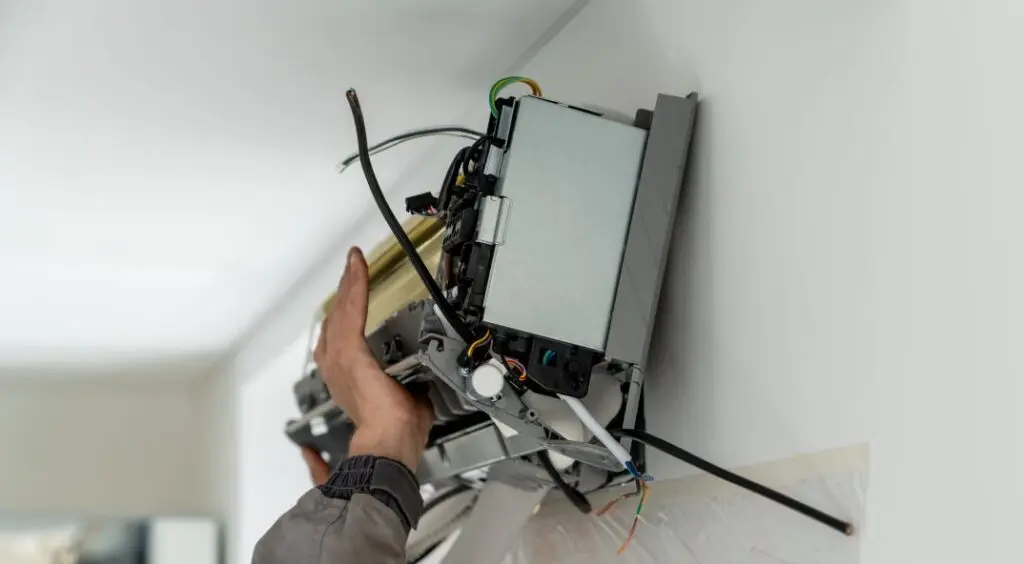
A ductless mini split can be one of the most efficient ways to cool or heat specific rooms in your home, but the range in pricing can make it hard to know what to expect before a technician arrives. Getting a clear picture of typical costs ahead of time helps you compare quotes with confidence and avoid overpaying for a straightforward installation. For homeowners in Matthews and surrounding areas, where many homes include additions, sunrooms, a converted master bedroom, or garages without existing ductwork, mini splits are often the most practical cooling solution available.
- No ductwork required: Mini splits eliminate the cost and disruption of installing or extending ducts through walls and ceilings.
- Zone by zone control: Each indoor unit can be adjusted independently, giving you precise temperature control and helping you avoid cooling rooms that are not in use.
- Long term energy savings: Ductless systems avoid the energy loss that occurs through leaky ductwork in traditional systems, which often translates into lower utility bills.
- Flexible installation options: Wall mounted, floor mounted, and ceiling cassette styles allow the system to fit almost any room layout, from a single room addition to a second floor bedroom.
Knowing these benefits helps explain why so many homeowners choose mini splits despite the upfront investment. From there, it helps to understand exactly which factors determine where your project lands within the typical price range.
6 Factors That Determine Your Mini Split Installation Cost
Several factors shape the total cost of a mini split installation, and understanding them can shift the total significantly from one home to the next. A single zone mini split installed for one room typically runs between $2,000 and $6,000, while multi zone systems covering several rooms often add $2,000 to $7,000 per additional zone, with local labor rates playing a role in where you land within that range.
1. Number of Zones
The more rooms you want to cool or heat independently, the more indoor heads your system needs, and each additional zone adds to both equipment and labor costs. A single zone mini split connects one indoor head to one outdoor unit, while multi zone systems can support several indoor heads from a single outdoor condenser.
- Single zone systems are the most affordable entry point
- Multi zone systems reduce the need for multiple standalone units across a home, including bedrooms on a second floor
- Whole home setups with four or five zones can range from roughly $7,500 to $14,500
2. System Size and BTU Capacity
Larger rooms or open floor plans require systems with a higher capacity, measured in British thermal units, and bigger capacity units cost more both to purchase and to install. Sizing a system correctly is important, since an undersized unit will struggle to keep up while an oversized one can lead to inefficient cycling.
- BTU needs are typically based on square footage and ceiling height
- Oversized systems can cost more upfront without improving comfort
- A manual J load calculation from a qualified installer helps ensure accurate sizing before installation
3. Indoor Unit Style
Mini splits come in several styles, including wall mounted, floor mounted, and ceiling cassette units, each with a different price point. Wall mounted units tend to be the most cost effective and popular option, while ceiling cassettes typically cost more due to the additional framing and labor involved.
- Wall mounted units generally range from $2,500 to $5,000 per zone
- Floor mounted units often run $3,000 to $5,000 per zone
- Ceiling cassettes usually cost $3,500 to $6,000 per zone due to more complex installation
4. Line Set Length and Installation Complexity
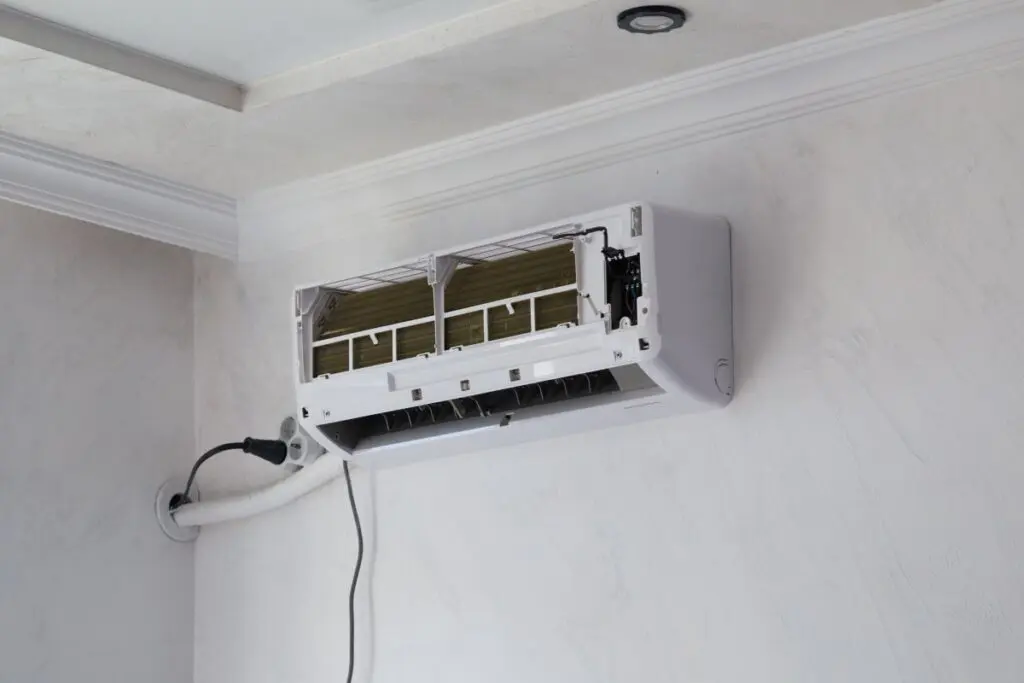
The refrigerant line set connects the indoor and outdoor units, and line length matters a great deal, since longer runs through finished walls, attics, or exterior masonry increase both material and labor costs. Some installations even require core drilling through brick or concrete, adding to the electrical work involved. Homes with straightforward, short line set paths are generally faster and less expensive to install than those requiring more complex routing.
- Standard single zone installations typically take four to eight hours
- Multi zone systems can take a full day or longer depending on complexity
- Routing lines through finished surfaces often adds to the labor portion of the bill
5. Electrical and Permit Requirements
Many homes need electrical upgrades, including a dedicated circuit, to safely support a new mini split system, which adds to the overall project cost if the existing panel cannot accommodate it. Most installations also require a permit, which varies depending on local building codes, and skipping this step can void warranties on the equipment.
- Electrical panel upgrades commonly add several hundred to a couple thousand dollars
- Permit fees are usually a smaller addition, often a few hundred dollars
- Confirming these requirements early helps avoid surprises once installation begins
6. Brand and Efficiency Rating
Premium brands known for quiet operation and strong cold climate heat pump performance typically cost more than mid range or budget efficiency tiers, though they often come with a longer parts warranty. Higher efficiency ratings can also increase the upfront price of a more expensive unit while delivering long term savings on energy bills. Most current mini split systems use newer refrigerants that are mildly flammable, so proper installation by a certified technician matters as much as the equipment itself.
- Premium brands can run twenty to thirty percent higher than mid range options
- Higher SEER2 ratings generally reflect better long term efficiency and can help save money over the life of the system
- Ask your installer whether any federal tax credit, state incentive, or utility rebate currently applies, since these programs change from year to year
Working through these six factors gives most homeowners a realistic sense of where their project will likely fall within the typical pricing range. From there, it helps to understand exactly what a standard professional installation includes for that price.
What a Professional Mini Split Installation Typically Includes
A quoted price should reflect more than just the equipment itself, since a proper installation involves several components working together for a system that delivers real energy efficiency and comfort. Knowing what is standard helps you evaluate whether a quote is complete or missing important pieces.
- Indoor air handling unit: The wall mounted, floor mounted, or ceiling cassette unit installed in the conditioned space, often paired with better filtration than older window units.
- Outdoor condenser unit: The exterior component that powers the system and connects to each indoor head.
- Refrigerant line set: The insulated tubing connecting indoor and outdoor components, sized to the length required.
- Electrical connections: Wiring the system to a dedicated circuit, including any necessary panel work.
- Startup commissioning: Testing the system after installation to confirm proper operation, refrigerant charge, and humidity control.
A complete quote should account for each of these pieces, along with any permit fees required in your area. If a quote seems unusually low, ask specifically what is and is not included, and remember that keeping filters clean once installed helps protect your investment long term.
Mini Split vs. Central Air: Comparing Installation Costs
For homeowners weighing their cooling options, it helps to see how mini split installation costs stack up against a traditional central air system type, especially for homes without existing ductwork. Many homeowners wonder whether a mini split is worth the investment compared to a more familiar central system, and each option carries its own tradeoffs beyond the upfront price.
| Consideration | Mini Split System | Central Air System |
| Typical installed cost | $2,000 to $14,500 depending on zones | $5,000 to $12,000 plus ductwork if needed |
| Ductwork required | No | Yes, unless already in place |
| Zone control | Independent per room | Whole home, single thermostat zone typically |
| Installation timeline | Hours to a day or two | Often one to several days with ductwork |
| Best fit | Additions, older homes, room specific needs | Whole home cooling with existing ducts |
Homeowners throughout Matthews and surrounding areas with room additions, converted garages, or older homes lacking ductwork often find mini splits the more practical and cost effective choice, even though it can sometimes be the more expensive unit upfront compared to a single window unit. For homes with functional ductwork already in place, a central system may still make more sense depending on overall goals and budget.
Get an Accurate Mini Split Installation Cost from Panther HVAC
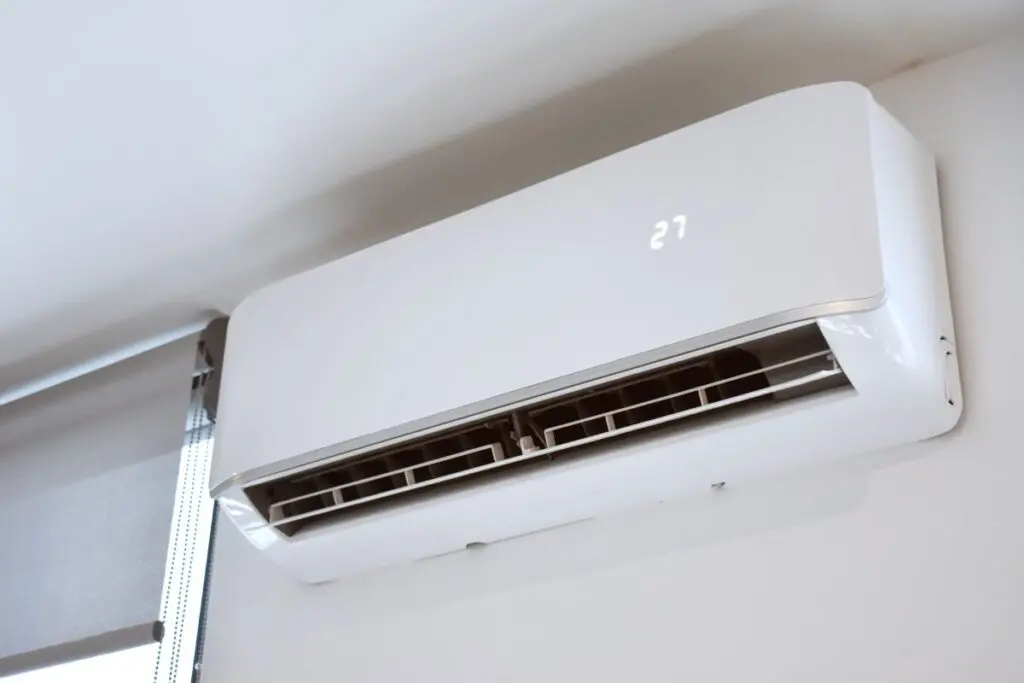
Mini split installation cost depends on several moving parts, from zone count and unit style to electrical requirements and brand selection, which is why a detailed, in home estimate is the best way to know what your project will actually cost. At Panther HVAC, we help homeowners throughout Matthews and surrounding areas get a clear, itemized quote before any work begins, so you know exactly what you are paying for. Whether you need a single zone for a room addition or a multi zone system for your entire home, our team can walk you through the options that fit your space and budget, and we always recommend comparing multiple quotes before committing to a cost to install that feels right for your home.
If you are considering a ductless mini split for your home, do not settle for a vague estimate. Contact us today for an accurate quote and expert guidance from a team homeowners in Matthews and surrounding areas trust.