
 Schedule
  (803) 327-2700
 6 Benefits of Cleaning Mold from Your Air Conditioner
Your air conditioner is designed to keep your home comfortable, but moisture inside the system can sometimes create the perfect environment for mold in air conditioner components. When mold develops, it can circulate through your ductwork and affect indoor air quality. Addressing the issue quickly helps protect both your HVAC system and your home’s environment. Homeowners dealing with musty smells or airflow issues often explore solutions through trusted heating and cooling services that keep systems clean and running efficiently.
In this guide, you will learn:
- Why mold can grow inside air conditioning systems
- The major benefits of cleaning mold from your AC unit
- Common signs mold may be present in your HVAC system
- Steps professionals take to remove mold safely
- Preventative strategies to keep mold from returning
Why Mold in Your Air Conditioner Is a Problem for Homes
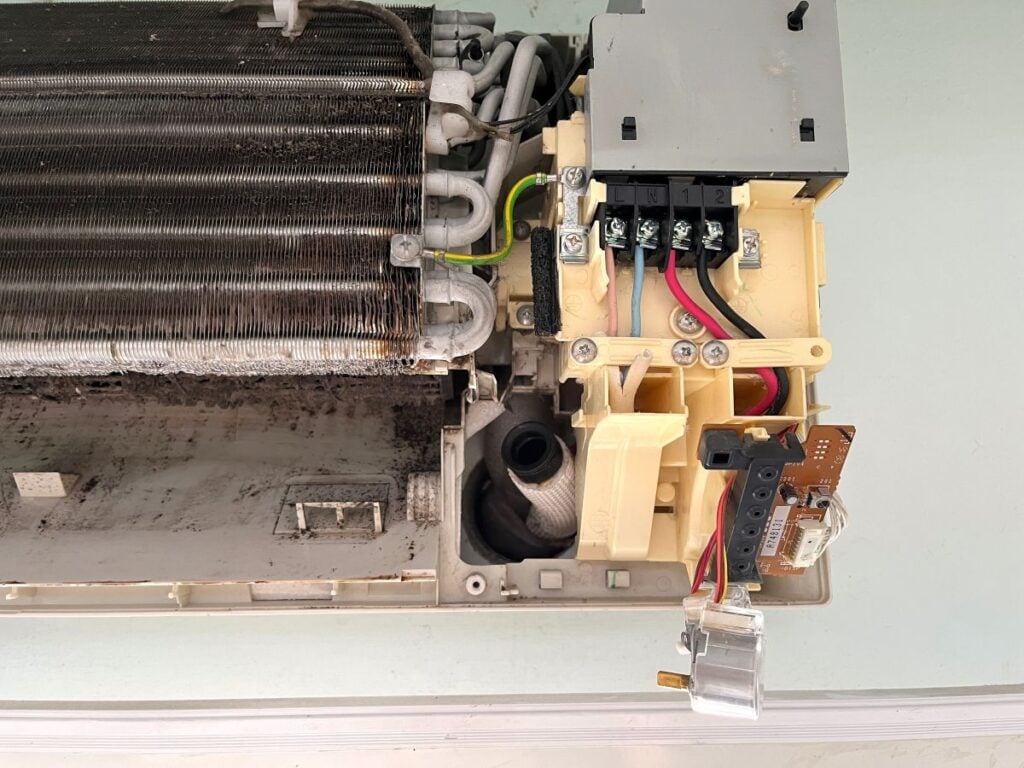
Air conditioning systems naturally produce condensation as they cool warm air. While this moisture is usually drained away, it can sometimes accumulate in areas like coils, drain pans, and ductwork.
When moisture combines with dust and organic debris, mold can begin to grow. Once mold forms inside the system, spores may circulate through your home whenever the air conditioner runs.
For homeowners in York and surrounding areas, understanding the risks of mold inside HVAC systems can help prevent indoor air quality problems and system damage.
Here are several reasons addressing mold inside your air conditioner is so important.
- Improved Indoor Air Quality
Removing mold from the HVAC system helps prevent spores from circulating through the home’s air supply. - Health Protection
Mold exposure may trigger allergies, respiratory irritation, and other health concerns, especially for sensitive individuals. - Better System Efficiency
Mold buildup can restrict airflow and reduce cooling performance, forcing the system to work harder. - Prevention of System Damage
Moisture and mold growth can gradually affect internal components, potentially shortening the lifespan of the unit.
Regular inspection and cleaning can help homeowners in York and surrounding areas keep their HVAC systems functioning safely and efficiently.
6 Key Benefits of Cleaning Mold from Your Air Conditioner
Cleaning mold from an air conditioner offers several advantages beyond simply eliminating unpleasant odors. Addressing the problem early helps improve comfort, system performance, and indoor air quality.
1. Healthier Indoor Air
One of the most important benefits of mold removal is improved air quality.
When mold grows inside HVAC components, spores may be carried throughout the home by the airflow system. This can cause symptoms such as:
- Sneezing or nasal irritation
- Persistent coughing
- Worsened allergy symptoms
- Eye and throat irritation
Cleaning the system removes the mold source and helps maintain cleaner indoor air.
2. Elimination of Musty Odors
A common sign of mold in HVAC systems is a musty smell coming from vents when the air conditioner turns on.
This odor occurs because mold releases microbial compounds as it grows.
Professional cleaning removes these growths and helps restore fresh smelling airflow throughout the home.
3. Improved Cooling Efficiency
Mold buildup can develop on evaporator coils, air filters, and duct surfaces.
This buildup can restrict airflow and reduce the efficiency of heat exchange inside the system.
Cleaning mold and debris can help restore proper airflow and allow the system to cool your home more effectively.
4. Reduced Strain on HVAC Components
When airflow becomes restricted by mold growth, the blower motor and compressor may work harder than necessary.
Over time this added strain can increase wear on key components.
Cleaning the system allows air to circulate freely and reduces mechanical stress on the equipment.
5. Lower Energy Consumption
An HVAC system struggling with airflow resistance often consumes more electricity.
By restoring proper airflow, mold removal can help the system operate more efficiently and reduce energy usage.
Many homeowners in York and surrounding areas notice improved efficiency after professional system cleaning.
6. Longer HVAC System Lifespan
Removing mold and moisture buildup can help prevent corrosion, debris accumulation, and airflow problems.
Keeping internal components clean helps extend the life of your air conditioner and reduces the risk of unexpected repairs.
What Causes Mold to Develop Inside Air Conditioners
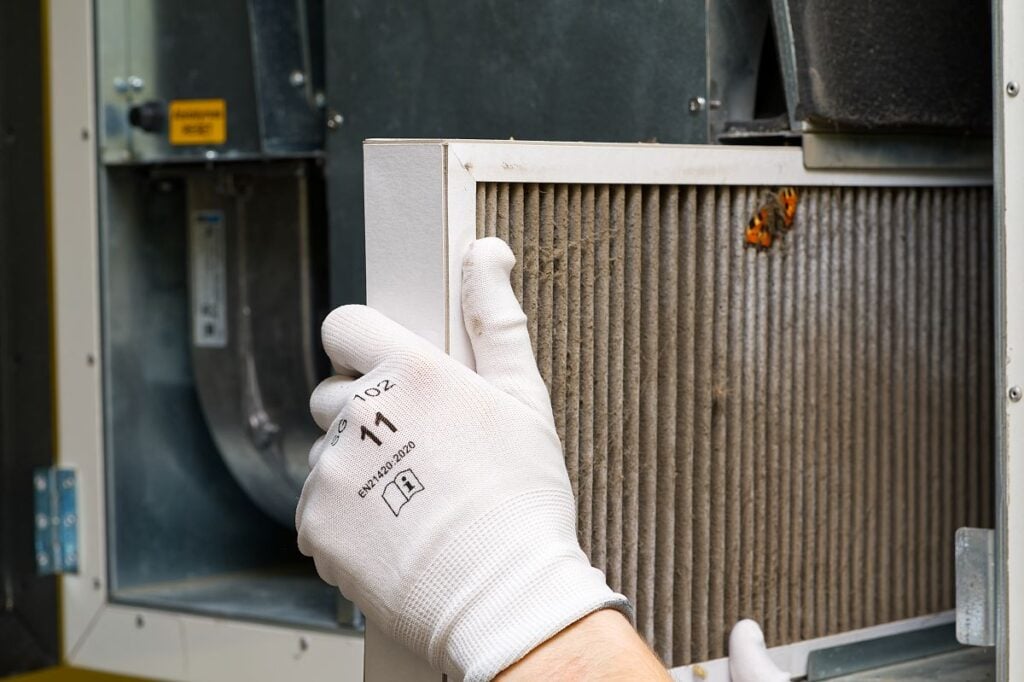
Understanding why mold forms inside HVAC systems can help homeowners take preventative action.
Several factors contribute to mold growth in air conditioners.
1. Excess Moisture in the System
Air conditioners remove humidity from indoor air as part of the cooling process.
If moisture collects in the system and does not drain properly, it creates ideal conditions for mold growth.
Common sources of excess moisture include:
- Blocked condensate drain lines
- Dirty evaporator coils
- Improper system installation
Proper drainage helps prevent moisture buildup.
2. Dirty Air Filters
Air filters trap dust and airborne particles before they enter the HVAC system.
When filters become clogged, debris may accumulate on internal components.
Dust combined with moisture creates a nutrient source for mold growth.
Replacing filters regularly can help prevent this issue.
3. Lack of Regular HVAC Maintenance
Routine maintenance helps keep the system clean and functioning properly.
Without regular inspection, dust, moisture, and debris may accumulate inside the air handler or ductwork.
Professional maintenance helps identify conditions that allow mold to develop.
4. High Indoor Humidity
Homes located in humid climates may experience higher moisture levels indoors.
When humidity remains elevated, condensation inside HVAC systems may increase.
Using proper ventilation and humidity control can help reduce mold risks.
Homeowners in York and surrounding areas often experience seasonal humidity that makes routine HVAC maintenance especially important.
5. Poor Airflow Inside the System
Restricted airflow allows moisture to linger longer inside the HVAC system.
When airflow slows down, condensation may not evaporate properly, encouraging mold growth.
Improving airflow through filter replacement and duct maintenance can help prevent mold development.
Signs That Mold May Be Present in Your Air Conditioning System
Mold inside HVAC equipment is not always visible, but certain warning signs may indicate a problem.
Recognizing these symptoms early allows homeowners to address the issue before it spreads.
- Persistent Musty Odor From Vents
One of the most common indicators is a musty or damp smell whenever the air conditioner runs. - Visible Mold Near Vents or Air Handler
Dark spots or fuzzy growth near vents, drain pans, or HVAC components may indicate mold. - Increased Allergy Symptoms Indoors
If allergy symptoms worsen while indoors, mold spores circulating through the air system may be responsible. - Excess Moisture Around HVAC Equipment
Standing water or condensation near the indoor unit may create conditions that encourage mold growth. - Reduced Airflow or Cooling Performance
Mold buildup can restrict airflow and reduce system efficiency.
If homeowners in York and surrounding areas notice several of these symptoms, a professional inspection may be necessary.
Preventing Mold Growth in Your Air Conditioner
Preventative maintenance is one of the most effective ways to avoid mold problems inside HVAC systems.
Several simple steps can help reduce the conditions that allow mold to grow.
Maintain Proper Humidity Levels
Keeping indoor humidity below recommended levels reduces condensation inside HVAC components.
Using dehumidifiers or ventilation systems can help control moisture.
Replace Air Filters Regularly
Air filters should typically be replaced every one to three months depending on household conditions.
Clean filters help prevent dust accumulation inside the system.
Keep Drain Lines Clear
Condensate drain lines carry moisture away from the air conditioner.
If the drain line becomes clogged, water can collect inside the system and promote mold growth.
Routine inspection helps ensure proper drainage.
Schedule Professional HVAC Maintenance
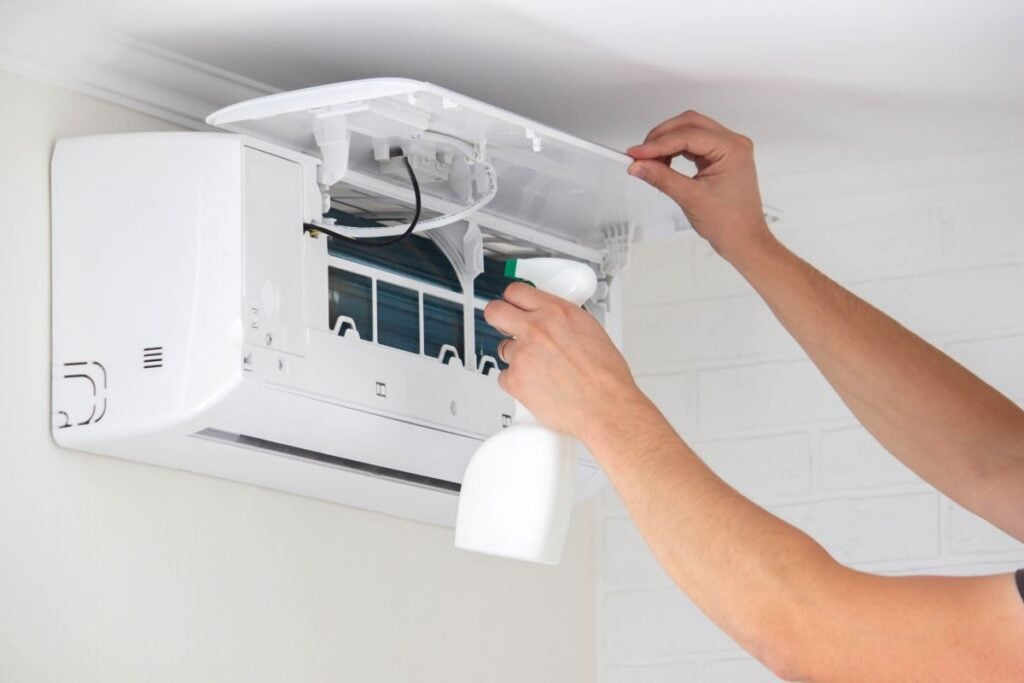
Annual HVAC inspections allow technicians to clean coils, check airflow, and inspect components for moisture buildup.
Maintenance visits help prevent conditions that allow mold to develop.
Mold Prevention vs Mold Removal
| Situation | Prevention Approach | Removal Approach |
| Early Moisture Issues | Improve drainage and airflow | Not always necessary |
| Dust and Debris | Filter replacement and cleaning | Professional coil cleaning |
| Active Mold Growth | Professional inspection recommended | Specialized cleaning required |
| Air Quality Concerns | Routine maintenance | HVAC sanitization services |
Understanding the difference between prevention and removal helps homeowners maintain healthier indoor air.
Protect Your Home’s Air Quality With Panther HVAC
Mold inside an air conditioning system can affect both indoor comfort and air quality. Addressing mold early helps prevent spores from circulating through your home and allows your HVAC system to operate more efficiently.
Regular maintenance, proper airflow, and moisture control all play important roles in preventing mold growth inside HVAC equipment.
If you suspect mold in your air conditioning system, the team at Panther HVAC is ready to help homeowners in York and surrounding areas restore cleaner indoor air. For professional inspection or cleaning services, contact us today and let Panther HVAC help keep your home comfortable and healthy.
