
 Schedule
  (803) 327-2700
 Most Recommended Thermostat Settings For Summer and Winter
Balancing indoor comfort and energy efficiency can be tricky when outdoor temperatures swing between blazing heat and freezing cold. Finding the recommended thermostat settings for summer and winter helps you keep your home comfortable while lowering energy costs throughout the year. Small adjustments in temperature settings can make a noticeable difference in both your comfort and your utility bills.
Many homeowners unknowingly waste energy by setting thermostats too low in winter or too cold in summer. The ideal temperature depends on several factors—your home’s insulation, humidity levels, and even your family’s daily routine. For those seeking year-round control, upgrading or tuning your system through professional HVAC services ensures your system performs efficiently in every season.
In this guide, you’ll learn:
- The best thermostat settings for both warm and cool seasons
- How to adjust temperatures for comfort, sleep, and savings
- How humidity and insulation impact your energy use
- The benefits of using programmable or smart thermostats
- Tips for maintaining year-round HVAC efficiency
Why Thermostat Settings Matter

Your thermostat acts as the “brain” of your HVAC system, determining when to heat or cool and for how long. The settings you choose directly affect energy use, comfort, and the longevity of your equipment.
Here’s why finding the right balance is so important:
- Energy Efficiency: Optimized temperature settings can cut heating and cooling costs by up to 10% annually.
- System Longevity: Fewer on/off cycles reduce strain on motors and compressors, extending equipment life.
- Comfort Control: Consistent settings prevent temperature swings that cause discomfort and wasted energy.
- Environmental Impact: Lower energy use reduces carbon emissions, helping create a more sustainable home.
- Improved Air Quality: Correct settings maintain humidity balance, reducing allergens and mold risks.
In Lake Wylie, SC and surrounding areas, where summers are humid, and winters can bring sharp temperature drops, proper thermostat management ensures comfort without overworking your HVAC system.
6 Instances of The Most Recommended Thermostat Settings for Seasonal Comfort
Your ideal thermostat temperature changes with the season, time of day, and even your home’s occupancy patterns. Below are the most effective settings to keep your household comfortable while controlling energy costs.
1. Optimal Summer Settings (Cooling Mode)
During the summer months, your system works hardest. Setting your thermostat correctly prevents it from running constantly while maintaining comfort.
- Recommended Setting (Daytime): 78°F when home and awake
- Recommended Setting (Away): 85°F when the house is empty
- Nighttime Setting: 74–76°F for better sleep comfort
To help your system operate efficiently:
- Use ceiling fans to circulate cool air.
- Keep blinds and curtains closed during the day to block sunlight.
- Avoid running heat-producing appliances like ovens during peak hours.
2. Ideal Winter Settings (Heating Mode)
Cold weather requires warmth and consistency. However, keeping your home too warm can lead to unnecessarily high bills.
- Recommended Setting (Daytime): 68°F when home and awake
- Recommended Setting (Away): 62°F while out or asleep
- Nighttime Setting: 65°F for comfortable sleeping temperatures
Layering clothing and using heavier bedding helps maintain comfort without cranking up the heat.
3. Temperature Adjustments for Sleep
Your body’s core temperature naturally drops during sleep, meaning you don’t need your HVAC system working as hard overnight. Adjusting the thermostat a few degrees lower in winter—or higher in summer—can improve both sleep quality and energy efficiency.
Best Sleep Ranges:
- Summer: 74–76°F
- Winter: 65–67°F
A programmable thermostat can automate these changes, adjusting temperatures before bedtime and warming or cooling your home again before you wake.
4. When You’re Away from Home
If your home is unoccupied for most of the day, adjusting the thermostat makes a huge impact on energy consumption.
Smart settings:
- Summer: Increase temperature by 7–10°F above normal comfort level.
- Winter: Lower temperature by 7–10°F below normal setting.
Smart thermostats allow you to control these adjustments remotely, so your home is comfortable when you return.
5. Managing Humidity and Temperature Together
Humidity affects how warm or cool your home feels at any given temperature. High humidity makes warm air feel hotter, while low humidity can make cool air feel colder.
To balance humidity:
- Use dehumidifiers in summer to maintain humidity between 40–50%.
- Use humidifiers in winter to add moisture and prevent dry air discomfort.
In Indian Land, SC, and surrounding areas, controlling humidity ensures your thermostat settings deliver true comfort.
6. Seasonal Transition Settings
Spring and fall can be unpredictable. Instead of constantly adjusting your thermostat, try “auto” mode, which automatically switches between heating and cooling as needed.
Tips for in-between seasons:
- Keep windows closed when humidity rises.
- Clean filters to improve airflow and performance.
- Use ceiling fans to promote air circulation without adjusting temperature.
How Smart Thermostats Enhance Energy Control
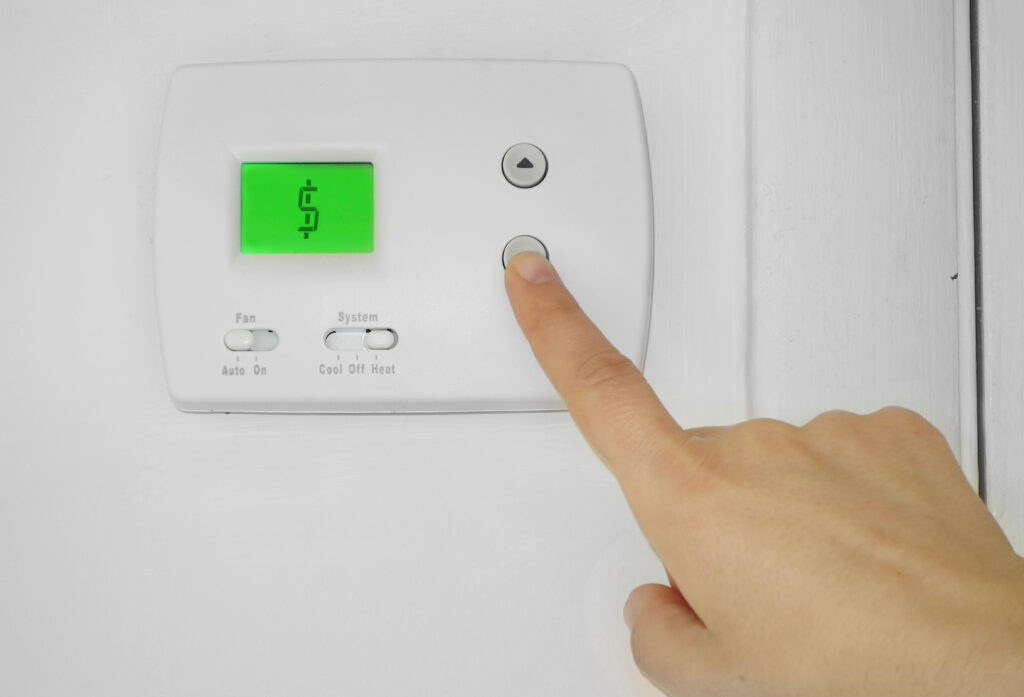
Modern thermostats take much of the guesswork out of maintaining ideal temperatures. Smart and programmable devices adjust settings automatically based on your habits and preferences.
Key Benefits of Smart Thermostats
- Automated Scheduling: Create daily or weekly programs tailored to your lifestyle.
- Remote Control: Adjust settings from anywhere using your smartphone.
- Learning Technology: Some models learn your routine and make automatic adjustments.
- Energy Reports: Get real-time insights into your heating and cooling costs.
- Integration: Connects with voice assistants and other smart devices.
Popular brands like Ecobee, Honeywell, and Google Nest have energy-saving features that can reduce annual HVAC costs by up to 10–15%.
Tips for Using Smart Thermostats Effectively
- Update firmware regularly for improved performance.
- Check compatibility with your existing HVAC system.
- Use motion sensors to detect occupancy for automatic adjustments.
- Set vacation or away modes when traveling.
Smart thermostats are especially helpful for homes with fluctuating occupancy patterns or multi-level layouts.
Factors That Affect Your Ideal Thermostat Setting
Even when following recommended settings, every home reacts differently based on structure, climate, and usage. Understanding these factors helps fine-tune your comfort strategy.
Home Size and Layout
Larger homes often have temperature variations between floors. Zoning systems or separate thermostats for different areas can help maintain consistent comfort.
Insulation and Windows
Homes with modern ductwork insulation and energy-efficient windows retain temperature longer, allowing for slightly higher summer settings and lower winter ones without losing comfort.
HVAC System Type
Different systems heat and cool at varying speeds and efficiencies. Heat pumps, for example, perform best with gradual temperature changes rather than frequent adjustments.
Occupant Habits
If certain rooms are used less frequently, closing vents or adjusting zoning dampers saves energy by directing conditioned air where it’s needed most.
Regional Climate
In Lake Wylie, SC and surrounding areas, the humid subtropical climate demands both reliable cooling in summer and efficient heating in winter. Tailoring your thermostat settings to the local weather helps maintain comfort and efficiency year-round.
How to Maintain Year-Round HVAC Efficiency
Your thermostat settings are only one part of the equation. Proper HVAC maintenance ensures the system can deliver the temperatures you set effectively.
Seasonal HVAC Care Tips
- Replace Filters: Every 1–3 months, depending on usage.
- Schedule Professional Tune-Ups: Once before cooling season and once before heating season.
- Check for Air Leaks: Seal around doors, windows, and duct connections.
- Clean Registers and Vents: Remove dust and debris to improve airflow.
- Monitor System Performance: Listen for unusual sounds or reduced airflow.
Keeping your HVAC system well-maintained helps you achieve optimal comfort at the recommended thermostat settings without overworking your unit.
The Role of Regular Professional Service
Technicians inspect and clean crucial components, including coils, refrigerant lines, and electrical connections. They also calibrate thermostats for accuracy. Regular maintenance ensures your system responds precisely to thermostat adjustments.
Comparing Thermostat Settings and Energy Impact
To visualize how your thermostat choices affect costs, here’s a general comparison of average energy savings across different settings.
| Season | Thermostat Setting | Potential Savings | Comfort Level |
| Summer | 78°F (home) / 85°F (away) | 8–10% | Comfortable |
| Summer | 72°F (home) / 78°F (away) | 2–3% | Cooler |
| Winter | 68°F (home) / 62°F (away) | 7–9% | Comfortable |
| Winter | 70°F (home) / 65°F (away) | 4–5% | Warmer |
Even small adjustments can create significant annual savings, especially when paired with regular maintenance and modern thermostat technology.

Create a Comfortable and Efficient Home
Choosing the most recommended thermostat settings for summer and winter is one of the easiest ways to balance comfort with cost savings. By pairing smart temperature control with preventive HVAC maintenance, you can enjoy steady comfort through every season without worrying about rising utility bills.
Panther HVAC proudly serves homeowners across Lake Wylie, SC and surrounding areas, helping families optimize comfort and energy use through expert HVAC care and system upgrades. Whether you need a thermostat upgrade, seasonal tune-up, or full system evaluation, our team is here to help.
For professional HVAC service or personalized guidance on maintaining indoor comfort, contact us today to schedule an appointment with our trusted specialists.
