
 Schedule
  (803) 327-2700
 What Is Static Pressure in HVAC & Why It Matters?
Your heating and cooling system depends on proper airflow to keep your home comfortable. static pressure hvac refers to the resistance air experiences as it moves through ductwork, filters, and system components. When pressure levels are too high or too low, airflow problems can reduce efficiency and strain your equipment. Understanding how airflow pressure works can help homeowners recognize hidden issues affecting comfort. Many homeowners begin learning about airflow improvements while exploring professional heating and cooling services designed to keep systems running efficiently.
In this guide, you will learn:
- What static pressure means in HVAC systems
- Why airflow pressure directly affects system performance
- Common causes of high static pressure in homes
- Warning signs that airflow pressure is too high or too low
- Practical ways to improve airflow and protect your HVAC system
Why Static Pressure Is So Important for HVAC Systems
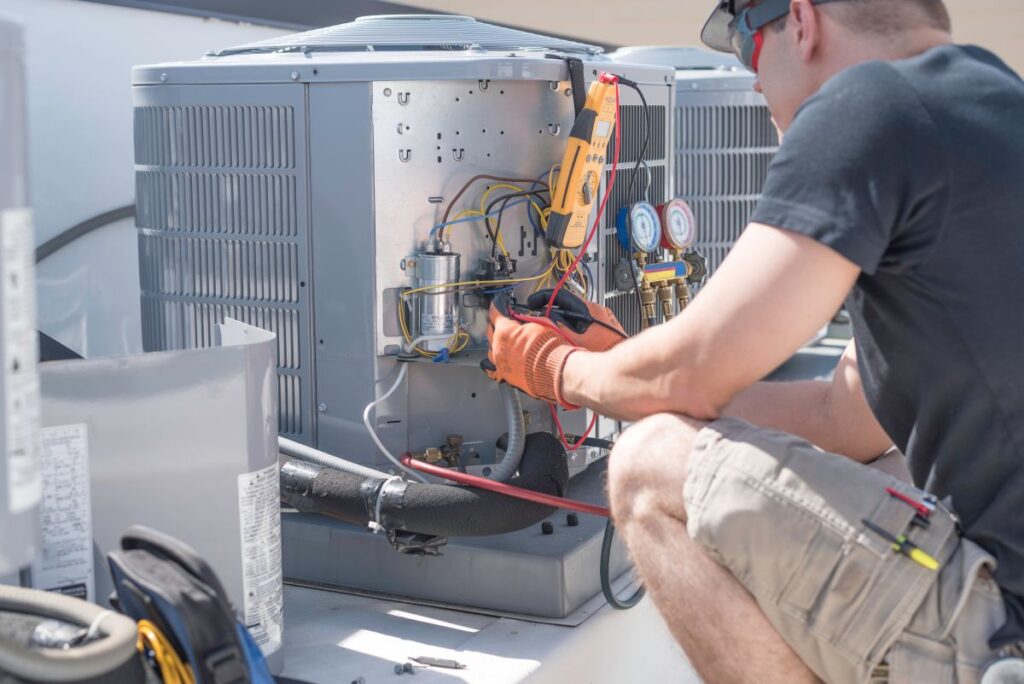
Every HVAC system is designed to move a specific amount of air through the duct system. Static pressure represents the resistance that airflow encounters along the way. When the resistance becomes too high, the system struggles to push air through the ducts.
This pressure imbalance can lead to poor airflow, higher energy consumption, and increased wear on system components. For homeowners in Waxhaw and surrounding areas, understanding airflow pressure helps explain many common comfort problems.
Here are several reasons static pressure plays a major role in HVAC performance.
- Improved Airflow Efficiency
Proper pressure levels allow air to move smoothly through the duct system, helping your heating and cooling equipment operate efficiently. - Better Indoor Comfort
Balanced airflow ensures that heated or cooled air reaches every room, preventing uneven temperatures. - Reduced System Strain
When airflow resistance is minimized, HVAC equipment does not have to work as hard to maintain indoor temperatures. - Longer Equipment Lifespan
Lower strain on motors, fans, and compressors can help extend the overall lifespan of your heating and cooling system.
Because airflow resistance often develops gradually, homeowners in Waxhaw and surrounding areas may not realize that pressure issues are affecting their comfort until noticeable problems appear.
6 Common Causes of Static Pressure Problems in HVAC Systems
Static pressure problems can develop for several reasons. Identifying the source of airflow resistance is the first step toward restoring proper system performance.
1. Clogged or Dirty Air Filters
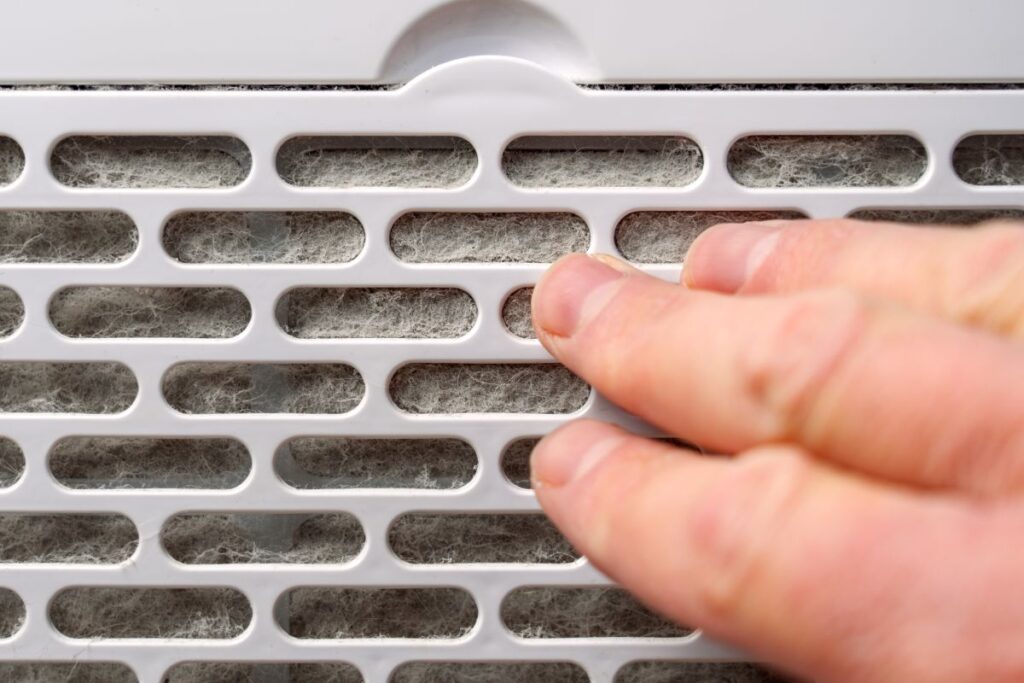
Air filters capture dust, pollen, and debris before air circulates through the HVAC system. Over time, these particles accumulate and restrict airflow.
When filters become clogged, the blower motor must work harder to push air through the system.
Common symptoms of filter related pressure issues include:
- Weak airflow from vents
- Increased system run time
- Higher energy bills
Replacing air filters regularly is one of the simplest ways to prevent airflow resistance.
2. Undersized or Poorly Designed Ductwork
Ductwork that is too small for the system can create significant airflow resistance.
If ducts cannot carry the volume of air produced by the HVAC system, pressure builds up inside the system.
Signs of duct sizing problems may include:
- Loud airflow noises
- Rooms receiving little airflow
- System components overheating
Proper duct design ensures air moves freely throughout the home.
3. Closed or Blocked Air Vents
Sometimes airflow issues occur simply because vents are closed or obstructed.
Furniture, rugs, or household items placed over vents can block airflow and increase pressure within the duct system.
To prevent this issue:
- Keep supply vents unobstructed
- Avoid closing too many vents at once
- Ensure return vents remain open
These small adjustments can significantly improve airflow.
4. Dirty Evaporator Coils
The evaporator coil plays a key role in cooling your home. As air passes over the coil, heat is removed and cool air circulates through the duct system.
When dirt accumulates on the coil surface, it restricts airflow and increases static pressure.
Coil buildup can cause:
- Reduced cooling performance
- Frozen evaporator coils
- Longer cooling cycles
Routine system maintenance helps prevent these airflow restrictions.
5. Improperly Sized HVAC Equipment
An HVAC system that is too large or too powerful for the home may push more air than the duct system can handle.
This mismatch can create pressure imbalances throughout the duct network.
Proper system sizing ensures airflow and duct capacity work together efficiently.
6. Leaky or Damaged Ductwork
Leaks in ductwork allow air to escape before reaching the intended rooms.
These leaks disrupt airflow balance and can create pressure changes inside the system.
Common duct leak indicators include:
- Uneven room temperatures
- Dust accumulation near vents
- Increased energy consumption
Sealing and repairing ducts can help restore proper airflow.
Warning Signs That Static Pressure May Be Too High
Static pressure problems are not always visible, but several symptoms can indicate airflow resistance is affecting your HVAC system.
Recognizing these signs early can prevent long term damage.
- Weak Airflow From Vents
If airflow feels weak even when the system is running, excess resistance may be restricting air movement. - Hot and Cold Spots in the Home
Uneven temperatures between rooms often indicate airflow distribution problems related to pressure imbalance. - Excessive Dust in the House
Leaky ducts combined with pressure issues can pull dust and debris into the system. - Loud Whistling or Rushing Air Sounds
High pressure inside ductwork may create noticeable airflow noises when air moves through restricted spaces. - Frequent System Cycling
If the HVAC system turns on and off frequently, airflow problems may be preventing the system from reaching the desired temperature efficiently.
Homeowners in Waxhaw and surrounding areas often notice these symptoms when ductwork problems or clogged filters restrict airflow.
How HVAC Professionals Measure Static Pressure
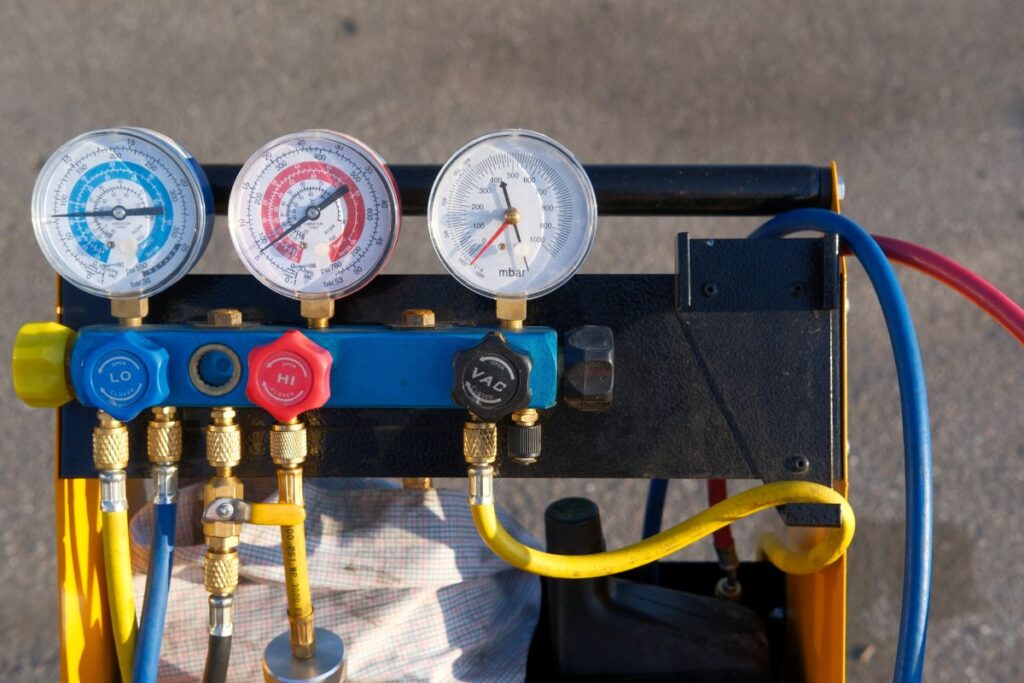
Because airflow pressure cannot be easily seen, technicians rely on specialized tools to measure it.
Understanding how professionals evaluate pressure can help homeowners better understand system diagnostics.
Using a Manometer
Technicians typically use a device called a manometer to measure static pressure within the duct system.
This tool measures pressure differences between various points inside the HVAC equipment and ductwork.
During testing, technicians may measure:
- Pressure before and after the air filter
- Pressure across the evaporator coil
- Pressure within supply and return ducts
These measurements help identify areas where airflow resistance is occurring.
Evaluating Total External Static Pressure
One of the most important measurements is total external static pressure.
This measurement represents the combined resistance of the entire duct system.
Each HVAC unit has a manufacturer recommended pressure range. When measured pressure exceeds this range, airflow problems are likely present.
Identifying the Source of Airflow Restrictions
Once pressure levels are measured, technicians analyze each system component to identify the cause.
Possible areas of restriction include:
- Air filters
- Coils
- Duct bends and turns
- Dampers
- Supply and return registers
This diagnostic process allows technicians to determine the most effective solution.
Homeowners in Waxhaw and surrounding areas often discover that correcting airflow restrictions dramatically improves comfort and efficiency.
Practical Ways to Reduce Static Pressure in Your HVAC System
Improving airflow pressure often involves addressing several factors within the HVAC system. Even small adjustments can significantly reduce resistance and improve performance.
Replace Air Filters on Schedule
One of the easiest ways to maintain proper airflow is by replacing air filters regularly.
Most systems benefit from filter replacement every one to three months depending on usage and indoor air quality.
Clean filters allow air to flow freely through the system.
Ensure Vents Remain Open and Unblocked
Closing multiple vents may seem like a way to direct airflow to specific rooms, but it often increases system pressure.
Keeping vents open helps maintain balanced airflow throughout the home.
Schedule Routine HVAC Maintenance
Professional maintenance visits allow technicians to inspect and clean critical system components.
Maintenance services typically include:
- Coil cleaning
- Airflow testing
- Filter inspection
- Duct evaluation
Routine maintenance helps identify pressure issues before they become major problems.
Upgrade or Modify Ductwork
In some homes, duct design may need improvement to support proper airflow.
Upgrades might include:
- Enlarging undersized ducts
- Adding return vents
- Sealing air leaks
- Adjusting dampers for airflow balance
These improvements can significantly reduce static pressure.
Comparison: Healthy vs Problematic Static Pressure
| Condition | Healthy Airflow | High Static Pressure |
| Airflow Strength | Strong and consistent | Weak or restricted |
| Energy Efficiency | System runs efficiently | Increased energy consumption |
| Comfort Levels | Even temperatures | Hot and cold spots |
| System Wear | Minimal strain | Higher risk of component damage |
Understanding this comparison helps homeowners recognize why airflow pressure matters so much.
Improve Airflow and System Efficiency With Panther HVAC
Airflow resistance is one of the most common hidden issues affecting HVAC performance. When static pressure rises too high, your system must work harder to circulate air, which can lead to uneven temperatures, higher energy bills, and premature equipment wear.
If you suspect airflow problems in your HVAC system, the experienced team at Panther HVAC is ready to help homeowners in Waxhaw and surrounding areas restore proper airflow and system efficiency. Our technicians can evaluate your ductwork, measure pressure levels, and recommend solutions that improve comfort and performance. To schedule an inspection or learn more about improving airflow in your home, contact us today and let Panther HVAC help keep your system running at its best.
