
 Schedule
 (803) 327-2700
Water Heater Maintenance: 6 Steps to Extend the Life of Your System
Most homeowners don’t think about their water heater until a cold shower or a puddle on the floor forces the issue. Yet this hardworking appliance runs every day, and a little attention goes a long way. Regular water heater maintenance helps your system run more efficiently, last longer, and avoid sudden breakdowns. It’s also an easy habit to pair with keeping your home comfortable year-round, since both systems benefit from the same preventive mindset.
Here’s what this guide will walk you through:
- Why routine care protects your wallet and your home
- Six practical maintenance steps you can follow
- Warning signs that your water heater needs attention
- How maintenance differs for tank and tankless units
How a Little Upkeep Protects Your Home and Budget
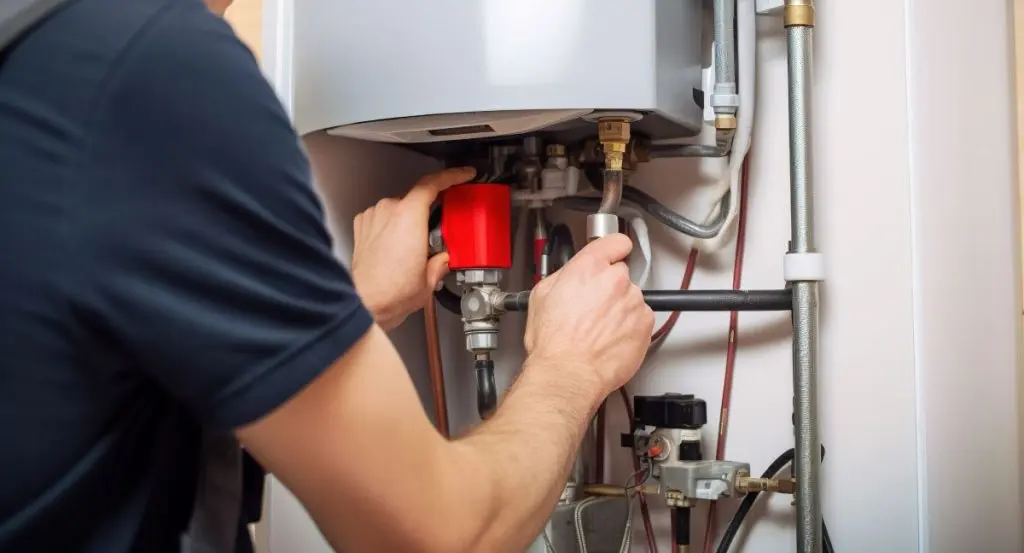
Your water heater quietly handles showers, laundry, dishes, and more, often for a decade or longer. Over time, sediment buildup inside the water heater tank, tank corrosion, and worn heating components slowly reduce water heater efficiency. Simple habits like flushing the tank once a year can remove that buildup and keep the system working the way it should.
- Longer equipment life: Routine care slows corrosion and wear, helping extend your water heater’s lifespan.
- Lower energy bills: A clean, well-adjusted system heats water faster and uses less energy to do it.
- Fewer emergencies: Catching small issues early reduces the risk of leaks, flooding, and costly repairs.
- Safer operation: Testing safety components ensures your system can release excess pressure, which helps prevent rare but dangerous tank explosions.
For homeowners in Tega Cay and surrounding areas, water heaters often sit in garages, attics, or closets where problems can go unnoticed for months. A regular maintenance routine keeps you ahead of those hidden issues.
6 Water Heater Maintenance Steps Every Homeowner Should Know
You don’t need to be a plumber to keep your water heater in good shape. These six steps cover the most important water heater maintenance tasks, from quick monthly checks to annual projects that make a big difference.
1. Test the Temperature and Pressure Relief Valve
The temperature and pressure relief valve, often called the T&P valve, is a key safety device. It releases water if pressure or temperature inside the tank gets too high. Testing it once a year confirms that it opens and closes properly.
- Wear safety goggles and place a bucket under the discharge pipe to catch water
- Lift the valve’s lever briefly to let some water out
- If water keeps flowing or nothing comes out, the valve likely needs replacement
2. Flush the Tank to Remove Sediment
Minerals in your water settle at the bottom of the tank over time. This sediment acts as a barrier between the burner or heating element and the water, forcing the system to work harder, reducing efficiency, and causing rumbling or popping noises.
- Turn off electric water heaters at the circuit breaker, or set the gas valve to “pilot” or vacation mode
- Shut off the cold water inlet and connect a garden hose to the water heater drain valve
- Open a nearby hot water faucet to let air in, then drain until the water runs clear
- Briefly reopen the cold water supply to stir up and rinse out any remaining sediment
3. Inspect the Anode Rod
The anode rod, sometimes called a sacrificial anode, is a metal rod inside the tank that attracts corrosive elements, protecting the tank lining from rust. Over time, it wears away and stops doing its job. Checking it every two to three years, and installing a new rod when it’s heavily corroded, can add years to your water heater’s life.
4. Set the Right Water Temperature
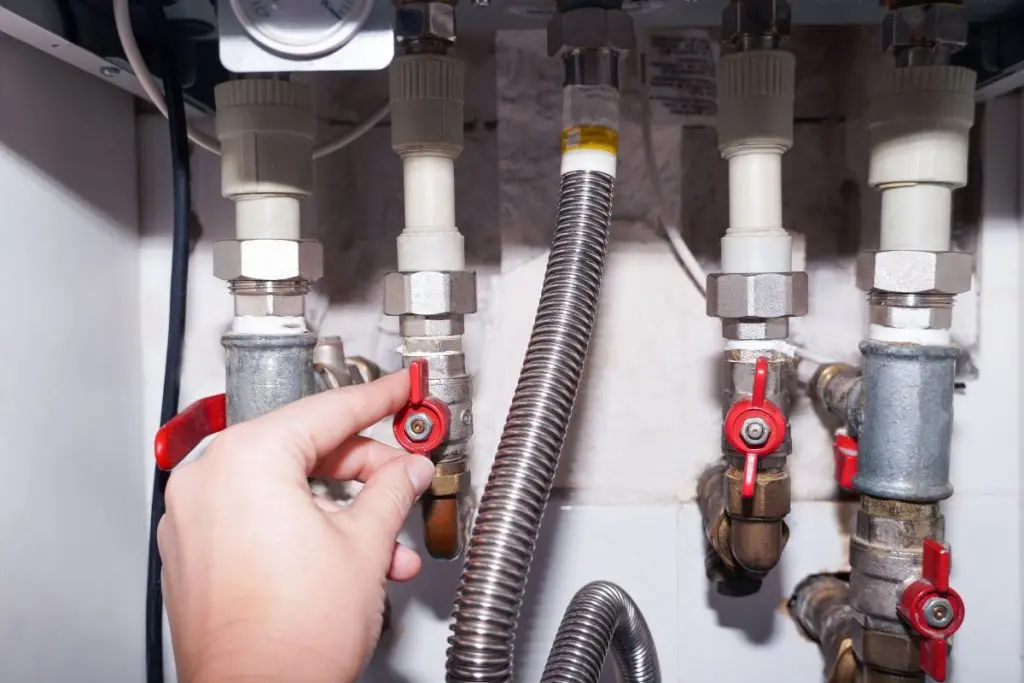
Many water heaters come from the factory set higher than necessary. Lowering the temperature to around 120 degrees Fahrenheit reduces the risk of scalding, slows mineral buildup, and helps cut energy costs, while still keeping water hot enough to limit harmful bacteria.
- Check the dial on gas units or the thermostat behind the access panel on electric models
- Wait a few hours, then test the water at a hot water faucet
- Adjust in small increments until you reach a comfortable setting
5. Insulate the Tank and Pipes
Proper insulation reduces heat loss so your water heater holds heat longer, especially if it’s located in an unconditioned space like a garage or attic. Pipe insulation also helps hot water reach your faucets faster.
- Use foam pipe sleeves on the first few feet of hot water pipes and cold water lines
- Consider an insulation blanket for older tanks
- Keep insulation away from the burner, flue, pilot light, and controls on gas units
6. Schedule an Annual Professional Inspection
Some tasks are best left to a professional, especially on gas units. A technician can perform a full inspection of the burner, venting, gas connections, water pressure, and expansion tank if your home has one. An annual inspection also catches small issues that are easy to miss during a quick visual check.
Following these steps on a regular schedule keeps your system running smoothly and reliably. Even if you only tackle one or two of them yourself, the combination of DIY care and professional service makes a meaningful difference.
Signs Your Water Heater Needs More Than Routine Care
Even with good maintenance, water heaters eventually show signs of wear. Knowing what to look for helps you decide when to call for service before a small issue turns into a major problem.
- Rumbling or popping noises: These sounds usually mean built up sediment is sitting at the bottom of the tank.
- Rusty or discolored water: Brown or reddish water can signal tank corrosion inside the main tank or a worn-out anode rod.
- Water pooling near the base: Leaks from the tank or fittings should be addressed right away to prevent water damage.
- Not enough hot water: Running out quickly can point to sediment buildup, a failing heating element, or a system that’s too small for your needs.
- Inconsistent heating: Water that swings between hot and cold may indicate a thermostat or heating element problem.
- Age of 10 years or more: Most tank water heaters last around 8 to 12 years, so older units deserve closer attention.
If you notice any of these warning signs, it’s worth having a professional take a look. A quick inspection can tell you whether a simple repair will do the trick or if it’s time to start planning for a replacement.
Tank vs. Tankless: How Maintenance Needs Compare
Not all water heaters require the same kind of care. Traditional tank models and tankless units work very differently, so their maintenance routines differ too.
| Maintenance Task | Tank Water Heater | Tankless Water Heater |
| Sediment removal | Flush the tank once a year | Descale the heat exchanger once a year |
| Safety valve testing | Test the T&P valve annually | Test the pressure relief valve annually |
| Anode rod | Inspect every 2 to 3 years | Not applicable |
| Filters | Not applicable | Clean the inlet water filter periodically |
| Venting checks | Annual check on gas models | Annual check on gas models |
| Typical lifespan | 8 to 12 years | 20 years or more |
Tankless units skip some tank-specific tasks, but they’re more sensitive to mineral buildup, especially in homes with hard water. Regular descaling keeps water flowing through the heat exchanger efficiently and prevents error codes or shutdowns.
Tips for Both System Types
Whichever type you have, a few habits apply across the board. These simple practices help any water heater perform at its best:
- Keep the area around the unit clear of clutter and flammable materials
- Check visible connections and valves for drips or corrosion
- Consider a water softener if your home has hard water or poor water quality
- Keep the owner’s manual handy for model-specific instructions
Homeowners in Tega Cay and surrounding areas with hard water may need to flush or descale more often than once a year. A technician can test your water and recommend the right maintenance schedule for your system.
Frequently Asked Questions About Water Heater Maintenance
Water heater care raises plenty of questions, especially for homeowners who have never done it before. Here are answers to some of the most common ones.
How often should I flush my water heater?
Most manufacturers recommend that you flush your water heater once a year. Homes with hard water may benefit from flushing every six months.
Is it safe to flush an older water heater that’s never been drained?
Not always. If a tank is 10 years old or more and has never been flushed, disturbing loose sediment can clog the drain valve or cause leaks. It’s best to have a professional evaluate it first.
What temperature should my water heater be set to?
Around 120 degrees Fahrenheit is a good setting for most homes. It provides plenty of hot water while reducing scalding risk and energy use.
How long does a water heater typically last?
Traditional tank water heaters usually last 8 to 12 years, while tankless models can last 20 years or more. Regular maintenance helps you get the most out of either type.
Can I do water heater maintenance myself?
Many water heater cleaning and care tasks, like adjusting the temperature, testing the relief valve, and flushing the tank, are manageable for most homeowners. Gas components, venting, and anode rod replacement are often better left to a professional.
A few minutes of care each year can help you avoid costly surprises. When in doubt, a professional inspection gives you peace of mind and a clear picture of your system’s condition.
Keep Your Hot Water Flowing for Years to Come
Your water heater works hard every day, and routine maintenance is the simplest way to protect it. Flushing sediment, testing safety valves, and scheduling professional inspections can extend its life, improve energy efficiency, and prevent unexpected breakdowns. The team at Panther HVAC is happy to help homeowners in Tega Cay and surrounding areas keep their systems in top shape with thorough inspections and expert service. If it’s been a while since your water heater had attention, contact us today to schedule a visit.