
 Schedule
  (803) 327-2700
 What Is The Best Heating and Air Conditioning Systems?
Choosing the right setup for your home’s comfort is essential, especially when it comes to what is the best heating and air conditioning system. With so many options on the market, understanding which HVAC system suits your needs can save you time, money, and ensure year-round comfort. If you’re considering updating or installing a new furnace or AC unit, it’s helpful to carefully explore your options, including the types of options available to complement your HVAC system. Learn more about professional options in Indian Land for new installations, repairs, or replacement.
- Types of heating and air conditioning systems available.
- Key factors to consider when choosing a system.
- Pros and cons of different HVAC technologies.
- Energy efficiency and cost-effectiveness.
- How to maintain and extend the life of your heating and cooling systems.
Understanding Heating and Air Conditioning Systems
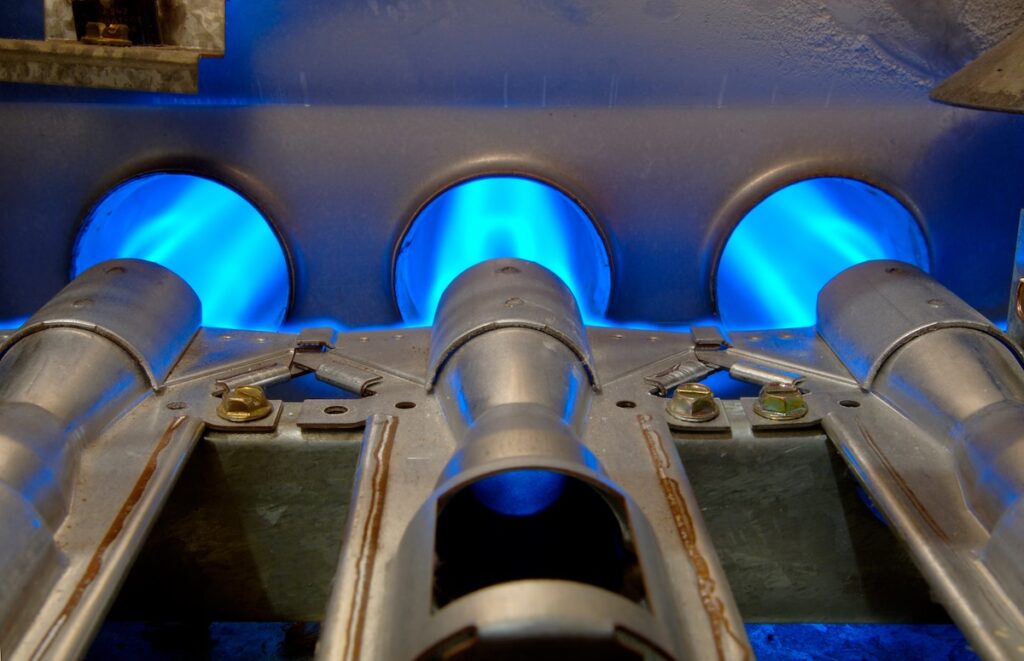
Heating and air conditioning systems are vital for maintaining indoor air quality and comfort throughout the year. Selecting the best system depends greatly on your climate, home size, and budget. It’s also important to consider the technological advancements in HVAC systems that affect energy use and performance.
- Energy Efficiency: Systems with higher SEER or AFUE ratings use less energy, saving money over time.
- System Type: Options vary from traditional furnaces to heat pumps and hybrid models.
- Installation Requirements: Some systems may require specific ductwork or electrical setups.
- Climate Suitability: Your local weather influences the type of system ideal for your home.
- Maintenance Needs: Regular upkeep affects the longevity and performance of your system.
6 Top Types of Heating and Air Conditioning Systems to Consider
To identify what is the best heating and air conditioning systems for your home, it helps to understand the primary types available. Each has distinct features making them suitable for different homes and climates.
1. Central Air Conditioners with Furnace Systems
The most common HVAC setup in many homes is a combination of a central air conditioner and a gas furnace. This system uses ductwork to distribute cooled or heated air efficiently throughout the house.
- Comfort: Provides consistent temperatures across large areas.
- Energy Efficiency: Modern models offer high efficiency with variable speed blowers.
- Installation: Best for homes equipped with ductwork.
2. Heat Pumps
Heat pumps are versatile because they provide both heating and cooling by transferring heat between your home and the outside air.
- Energy Savings: Typically more efficient than traditional heaters in mild climates.
- Dual Function: Eliminates the need for separate heating and cooling units.
- Climate Suitability: Ideal for moderate climate zones.
3. Ductless Mini-Split Systems
Ductless systems are perfect for homes without existing ductwork or for targeted heating and cooling in specific rooms.
- Flexibility: Multiple indoor units can be controlled independently.
- Installation: Easier than installing full ductwork in older homes.
- Energy Use: Efficient for zoned temperature control.
4. Radiant Heating Systems
These systems heat floors or walls to provide warmth directly to the living space.
- Comfort: Even, gentle heat without air movement.
- Quiet Operation: No fans or ducts required.
- Cost: Higher upfront, but low maintenance.
5. Hybrid Heating Systems
Hybrid systems combine a furnace and a heat pump to use the most efficient heating source depending on outdoor temperatures.
- Efficiency: Automatically switches between electricity and gas for cost savings.
- Comfort: Reliable heating during extreme weather conditions.
6. Geothermal Heat Pumps
Using the earth’s constant underground temperature, geothermal systems offer highly efficient heating and cooling with a low environmental footprint.
- Longevity: Durable and has a long service life.
- Cost: High initial investment but low operating costs.
Factors to Evaluate When Choosing Your Heating and Air Conditioning System
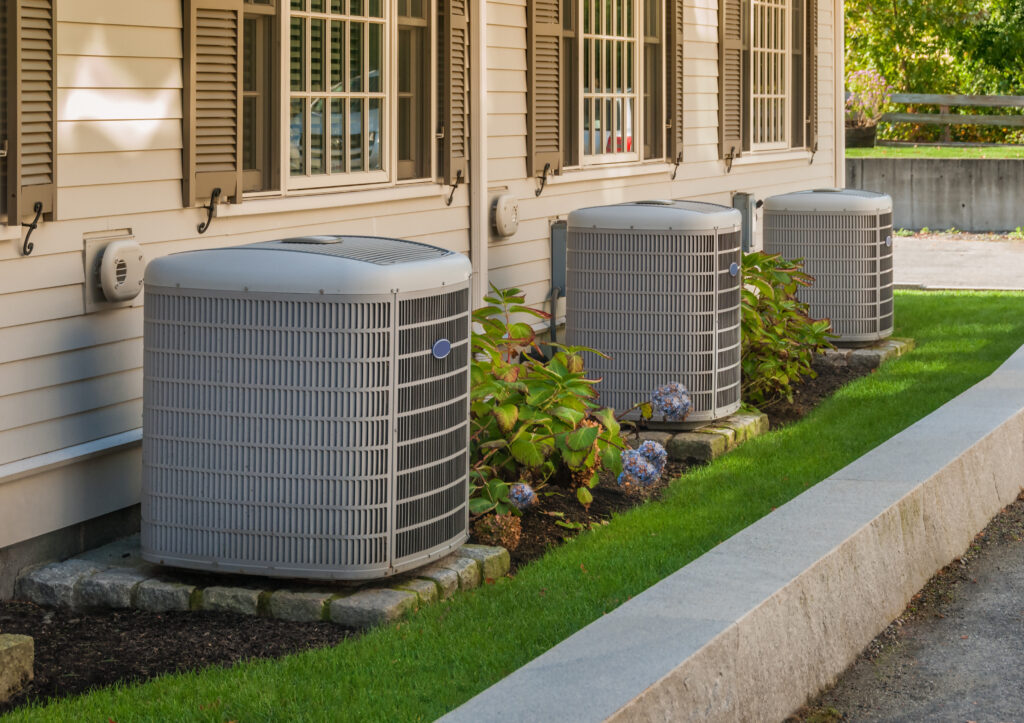
Selecting the best system isn’t just about the type; it’s about how various factors align with your home and lifestyle. Consider these critical elements before making your decision.
- Budget Constraints: Initial investment, installation, and ongoing energy costs.
- Home Size and Layout: Impacts system capacity and installation method.
- Energy Efficiency Ratings: Look for seasonal energy efficiency ratios (SEER) for cooling and annual fuel utilization efficiency (AFUE) for heating.
- Climate Conditions: Cold winters require reliable heating, while hot summers need efficient cooling.
- Environmental Impact: Consider systems with lower carbon footprints if sustainability is a priority.
- Maintenance Requirements: Frequency and cost of upkeep to keep the system running optimally.
Comparing Heating Systems: Furnace vs. Heat Pump
When deciding on the best heating system paired with your air conditioning, it is helpful to compare furnaces and heat pumps, the two most popular heating technologies.
| Aspect | Furnace | Heat Pump |
| Heating Method | Combustion of gas or oil generates heat | Transfers heat from outside air into the home |
| Energy Efficiency | High efficiency with modern models, but fuel dependent | Very efficient in mild climates, uses electricity |
| Installation Cost | Moderate to high depending on model and fuel type | Generally higher due to technology and dual function |
| Operational Costs | Can be high with fluctuating fuel prices | Lower electricity usage in suitable climates |
| Best For | Cold climates requiring intense heating | Mild to moderate climates with year-round heating/cooling needs |
Making the Most of Your Heating and Air Conditioning System
Once you’ve identified the best heating and air conditioning system for your home, maintaining it becomes key to lasting performance and energy savings. Scheduling professional inspections and servicing ensures that the system operates at peak efficiency and can help avoid costly breakdowns. Additionally, consider upgrading related components such as programmable thermostats, air filters, and insulation to maximize your system’s effectiveness and comfort. To stay on top of these tasks, you can use our comprehensive HVAC maintenance checklist to ensure your system remains in top shape year-round.
To explore expert installation and maintenance services for all types of furnaces and the latest HVAC technologies, feel free to visit the trusted furnace resource page.
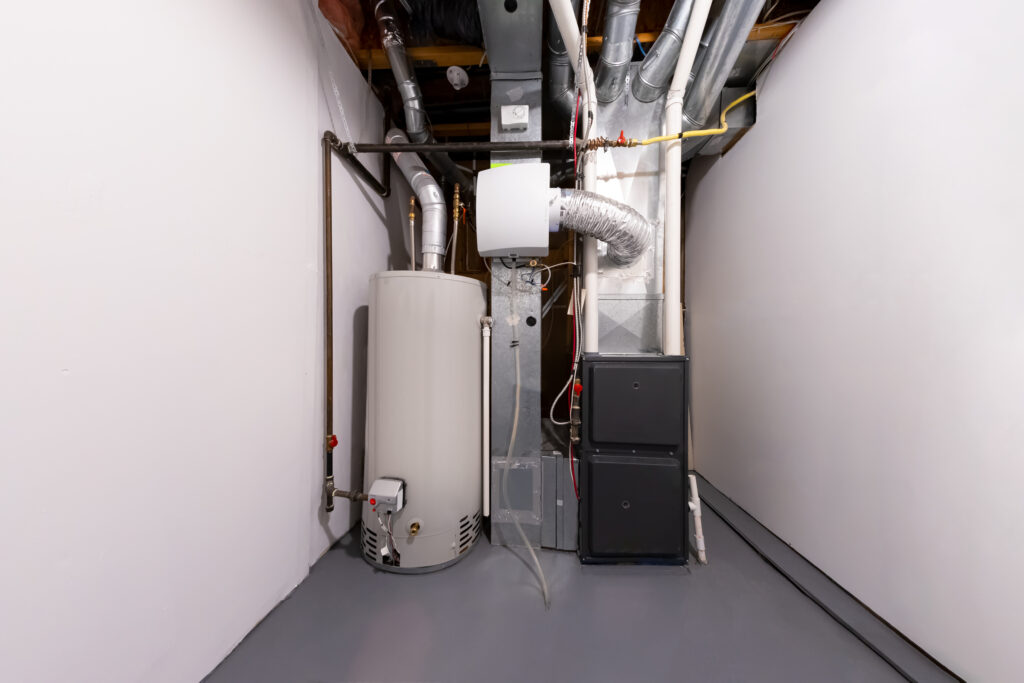
Your Journey to Better Home Comfort Starts Here
With a clearer understanding of what is the best heating and air conditioning systems, you can confidently select a system tailored to your needs and local climate. Investing in the right HVAC solution will not only improve your home’s comfort but also enhance energy efficiency and reduce utility costs. For professional guidance and quality service, Panther is here to help. Contact us today to discuss your options and get started on upgrading your home’s heating and cooling systems.
