
 Schedule
  (803) 327-2700
 When to Replace Your HVAC System (8 Signs It’s Time to Upgrade)
Every homeowner eventually faces the question of whether to repair or replace an aging furnace or air conditioner, and knowing when to replace your HVAC system can prevent wasted money on a unit that is already on its way out. For those in Rock Hill and surrounding areas, understanding the warning signs early makes it easier to plan for a new setup before the old one fails and make a more informed decision. A little awareness now can spare homeowners from an uncomfortable surprise later.
Here’s a short breakdown of what this post covers:
- The warning signs that point to replacement rather than repair
- How to weigh repair costs against a full system upgrade
- What a new HVAC system can offer beyond simple comfort
- Answers to common questions homeowners ask before deciding
Why the Right Timing Makes a Real Difference
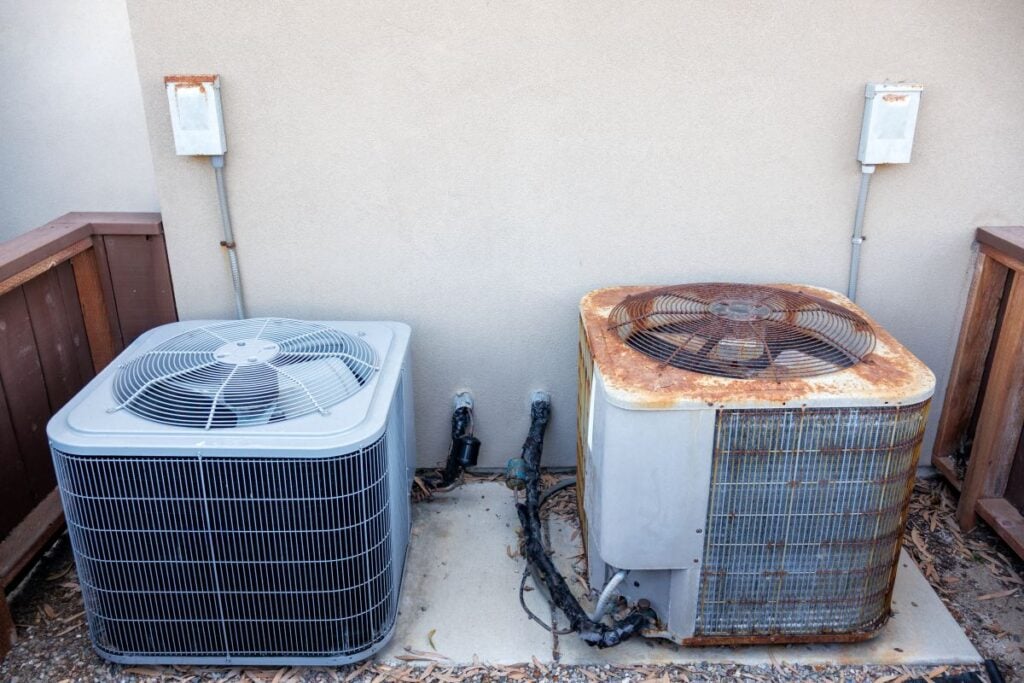
For homeowners in Rock Hill and surrounding areas, waiting too long to replace an aging HVAC system usually ends up costing more than making the decision early. A unit nearing the end of its life tends to break down at the worst possible moment, often during the hottest or coldest stretch of the year. Reviewing common warning signs from trusted sources can help homeowners feel more confident about the decision before calling a technician.
- Lower long-term costs: Replacing inefficient HVAC equipment before it fails completely helps homeowners save money and avoid emergency repair fees.
- Better energy efficiency: Newer, energy efficient systems use less power to deliver the same comfort, and some utility rebates can help offset the upfront cost.
- Fewer unexpected breakdowns: A system nearing failure tends to fail without warning, often at the least convenient time.
- Improved comfort: Aging equipment struggles with temperature regulation, which makes it harder to maintain a comfortable temperature throughout the home.
Timing this decision well means fewer surprises and more control over the process. Homeowners who plan ahead typically end up with better options and less pressure than those forced into an emergency replacement.
8 Signs It’s Time to Replace Your HVAC System
Most HVAC systems give homeowners plenty of warning before they fail completely, but those signs are easy to miss if you are not sure what to look for. Below are the most common indicators that a system has reached the end of its useful life. Recognizing these early can help homeowners plan a replacement on their own timeline instead of during an emergency.
1. Frequent Repairs
If a system needs repairs more than once or twice a year, that pattern usually points to a bigger problem than any single fix can solve. A professional inspection from a qualified HVAC technician can confirm whether the issue is isolated or part of a larger pattern.
- Repeated service calls for the same issue
- Repair costs that keep climbing with each visit
2. Rising Energy Bills
As HVAC systems age, they lose efficiency and have to work harder to maintain the same comfort level, which shows up as steadily increasing utility costs. If higher energy bills keep climbing even though usage habits have not changed, the system itself is often the reason behind rising cooling costs.
3. The System Is 10 to 15 Years Old
Most residential HVAC systems are designed to last between 10 and 15 years with regular maintenance. Older units on the upper end of that range are worth evaluating even if they still seem to be running fine, since components tend to wear down gradually rather than all at once.
4. Uneven Heating or Cooling
Rooms with noticeable cold spots or inconsistent temperatures often indicate that a system can no longer distribute air evenly throughout the home. This is sometimes mistaken for a ductwork issue, but it frequently points back to the age or condition of the equipment itself.
5. Strange Noises
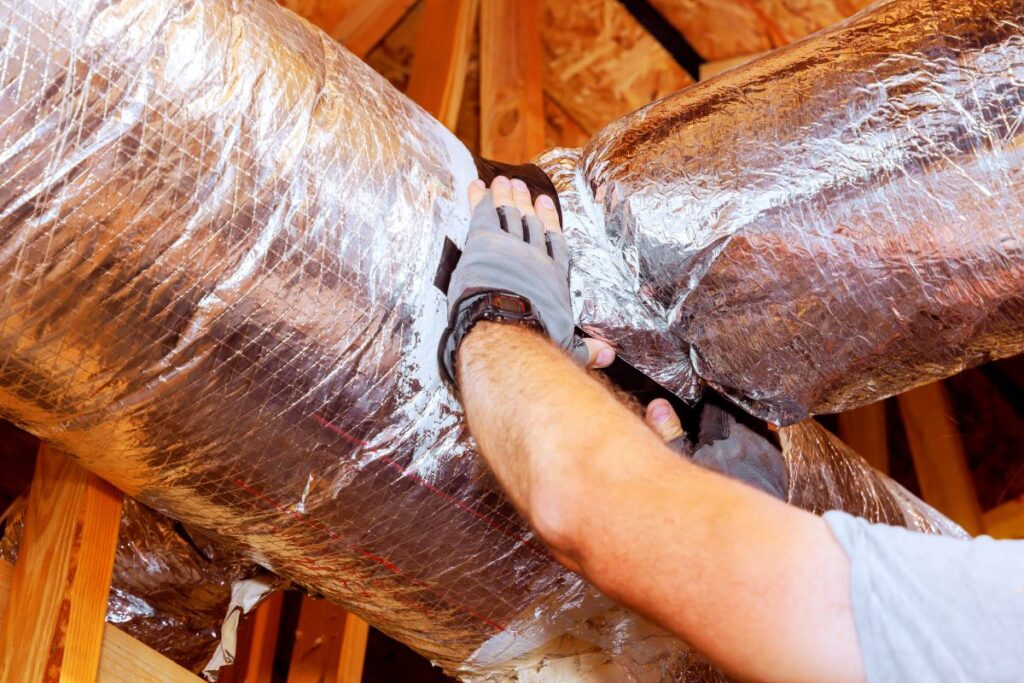
Banging, rattling, or squealing sounds usually point to worn motors, loose components, or other mechanical issues developing inside the unit. Like other mechanical systems, some noise develops from normal wear, but a sudden or worsening sound is worth having checked.
- Grinding or squealing near the compressor
- Rattling that grows louder over time
6. Increased Dust or Poor Air Quality
A struggling system may not filter or circulate air as effectively as it once did, leading to more dust from the air vents, weaker indoor air quality, or stale air throughout the home. Homeowners often notice the difference right away once a new system is installed.
7. Outdated Refrigerant
Older systems that still use R-22 refrigerant, also known as freon, are becoming increasingly expensive and difficult to repair since the refrigerant is no longer produced. Even a minor refrigerant leak on one of these systems can turn into a costly repair with limited long-term value.
8. The System Runs Constantly
A cooling system or furnace that struggles to reach a comfortable temperature and runs nonstop is working far harder than it should, which puts additional strain on every component. Over time, this kind of overwork tends to shorten the lifespan of the entire system rather than just one part of it.
Any single sign on this list might not be a reason to replace a system right away, but noticing several at once is usually a clear signal. A professional evaluation is the most reliable way to know whether repair or replacement makes more sense for a specific situation.
Repair or Replace: How to Decide
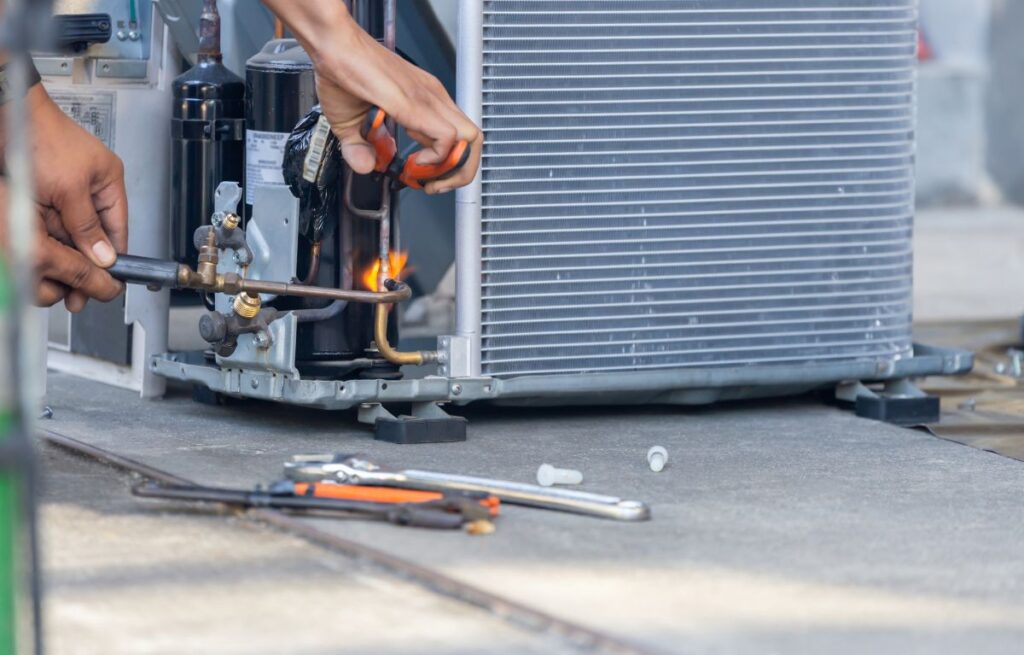
Deciding between another repair and a full replacement can feel overwhelming, especially when a system has been reliable for years. A few simple frameworks make the decision much easier to think through clearly.
The 50% Rule
If a repair costs more than half of what a full HVAC system replacement would cost to install, continuing to repair often means throwing money at a system that will not last much longer. This is a good rule for determining whether a repair still makes financial sense.
Warranty Status
Repairs on a system that is still under warranty are usually worth pursuing, while out-of-warranty repairs on older equipment rarely offer the same value. Checking warranty coverage before approving a major repair can prevent an unnecessary expense.
Age Combined With Efficiency Loss
A system that is both aging and showing declining efficiency is a stronger candidate for replacement than one with just a single issue. Combining these factors gives a clearer picture of whether continued investment in the current unit makes sense, or whether a full replacement is actually the more cost effective option long term.
Weighing these factors together, rather than reacting to a single repair bill, usually leads to a more confident decision either way. A trusted technician can walk through the specific numbers for any individual system.
What a New HVAC System Can Offer
Beyond simply fixing what is broken, a new HVAC system often brings improvements that homeowners do not fully appreciate until they experience them firsthand. Comparing an aging system to modern HVAC systems highlights just how much technology has changed in recent years.
| Feature | Older System | New System |
| Energy efficiency | Declining over time | Significantly higher from day one |
| Noise level | Often louder with age | Generally quieter operation |
| Smart thermostat compatibility | Limited or none | Frequently built in or easy to add |
| Warranty coverage | Expired or limited | Full manufacturer warranty included |
For homeowners in Rock Hill and surrounding areas, a new system often means fewer surprises, real energy savings, and more predictable monthly costs. The upfront investment can feel significant, but the long-term savings and reliability usually make up for it within a few years, and a newer system can even be an attractive detail for potential buyers if the home ever goes on the market.
Frequently Asked Questions About When to Replace Your HVAC System
Homeowners often have similar questions when trying to decide whether to repair or replace their HVAC system. Here are answers to a few of the most common ones.
How long do HVAC systems typically last?
Most residential systems last between 10 and 15 years with proper maintenance, though usage and upkeep can shorten or extend that range.
Is it cheaper to repair or replace an HVAC system?
It depends on the age of the HVAC unit and the replacement cost compared to the repair. If a repair costs more than half the price of new equipment, replacement is usually the better long-term value.
Can I replace part of my HVAC system instead of the whole thing?
In some cases, yes, though mismatched components can reduce efficiency and reliability. A technician can advise whether a partial replacement or new units make more sense for a specific system’s HVAC needs.
Will a new HVAC system lower my energy bills?
Most homeowners see a noticeable drop in energy costs after replacing an older, inefficient system with a newer, more efficient one, especially when upgrading to a heat pump or other high efficiency air conditioner. Lower utility bills are one of the most common benefits homeowners report after a full HVAC system replacement.
How do I know if my HVAC system is beyond repair?
Frequent breakdowns, rising repair costs, and an age of 10 years or more are all strong indicators that a system may be beyond a reasonable repair.
These are just a few of the questions that come up during the decision-making process, and a professional evaluation can help clarify the right path for any specific home.
Trust Panther HVAC With Your Replacement Decision
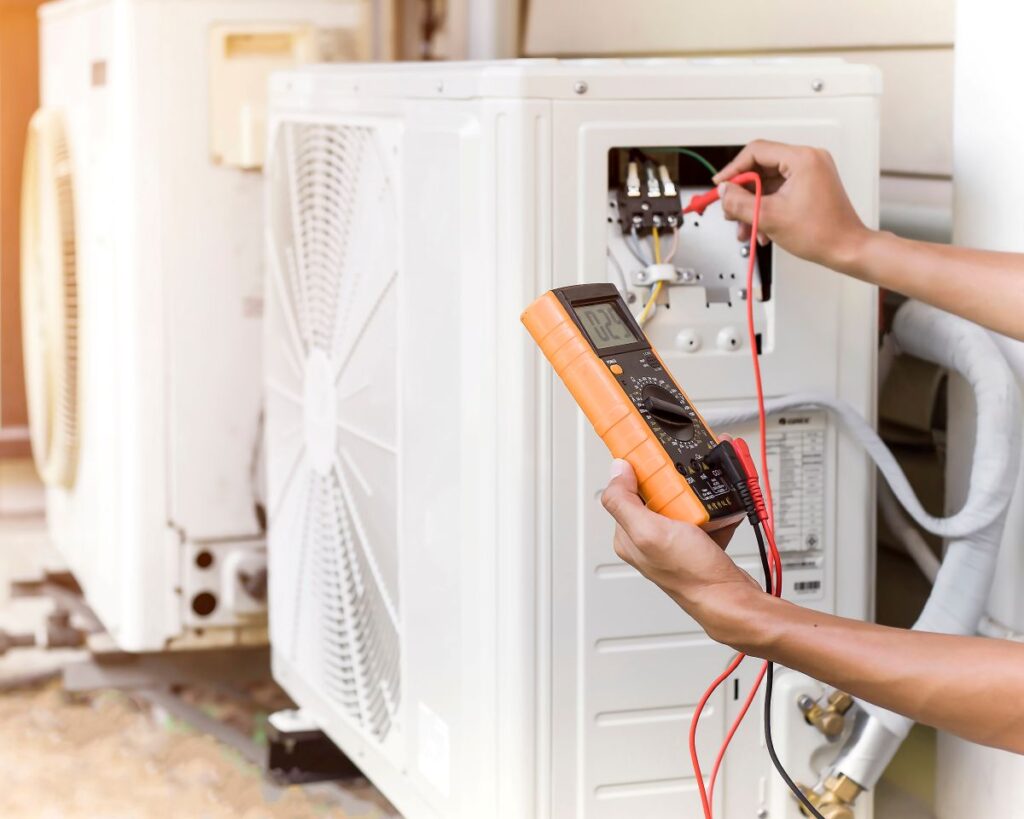
Deciding when to replace an HVAC system is rarely simple, but recognizing the warning signs early gives homeowners more control over the process and the cost. From frequent repairs to rising energy bills, the signals are usually there well before a full breakdown occurs. As a trusted local HVAC company, Panther HVAC has helped homeowners evaluate aging systems and choose new equipment that fits both their homes and their budgets. If your system is showing any of these signs, contact us today to talk through what makes the most sense for your home.
