
 Schedule
  (803) 327-2700
 What Is a Whole House Dehumidifier and Is It Worth the Cost?
If you have ever dealt with a musty basement, foggy windows, or a home that feels sticky even with the air conditioner running, excess humidity is likely the culprit. A whole house dehumidifier connects directly to your HVAC system and controls moisture levels throughout your entire home, rather than treating just one room at a time. This guide explains how the system works, what it typically costs, and how to decide if it makes sense for your home, along with a closer look at how humidity affects the air you breathe indoors.
What you’ll learn:
- What a whole house dehumidifier actually does differently from a portable unit
- The signs that suggest your home could benefit from one
- What typically drives the total cost up or down
- How whole house systems compare to portable dehumidifiers
Why a Whole House Dehumidifier Might Be Worth It for Your Home
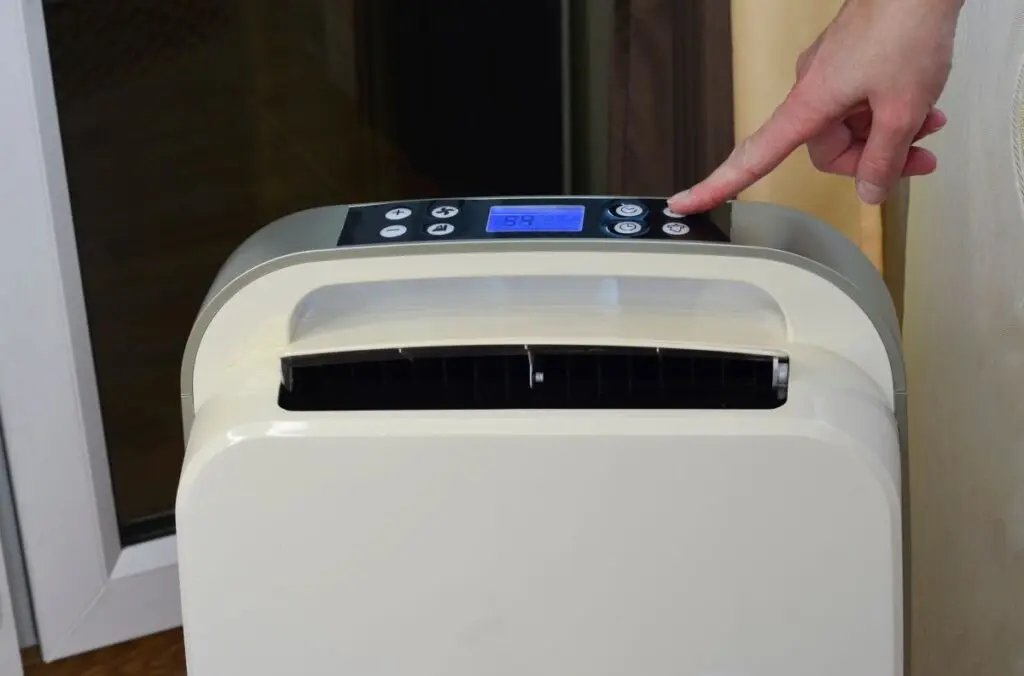
Unlike a portable unit that only treats the room it sits in, a whole house dehumidifier ties directly into your ductwork and works alongside your HVAC system to manage humidity across every room at once. For homeowners in Rock Hill and surrounding areas, where humidity can climb quickly during the warmer months, this whole home approach often solves problems that portable units simply cannot reach. Understanding what the system actually offers helps you weigh the upfront investment against the long term benefits.
- Consistent humidity control: A whole house system maintains target humidity levels in every room rather than just the one where a portable unit happens to sit.
- Reduced mold and moisture risk: Keeping humidity in the ideal range helps prevent the conditions that allow mold and mildew to take hold throughout the home.
- Lower strain on your AC: Drier air feels cooler, which can allow your air conditioner to work less to maintain the same comfort level.
- Less daily maintenance: Whole house systems typically drain automatically, unlike portable units that require regularly emptying a water tank.
These benefits explain why many homeowners eventually move away from managing several portable units and invest in a single whole house solution instead. Before making that decision, though, it helps to recognize the specific signs that suggest your home actually needs one rather than assuming every damp room calls for the same fix.
5 Signs Your Home Could Benefit from a Whole House Dehumidifier
Not every home needs a whole house system, and recognizing the signs that point toward one can help you avoid an unnecessary expense. The following signs are the most common indicators homeowners notice before deciding to invest in whole home humidity control, and seeing more than one of them at once usually strengthens the case even further.
1. Persistent Musty Odors
A lingering musty smell that shows up in multiple rooms, not just one, often signals that humidity is elevated throughout the home rather than in a single isolated area. This widespread pattern is a strong indicator that a whole house solution will be more effective than a portable unit.
- Odors that persist across multiple floors or rooms point to a broader humidity issue
- Basements, closets, and bathrooms are often the first places the smell becomes noticeable
- A portable unit treating one room rarely resolves odors originating elsewhere in the home
2. Condensation on Windows or Interior Surfaces
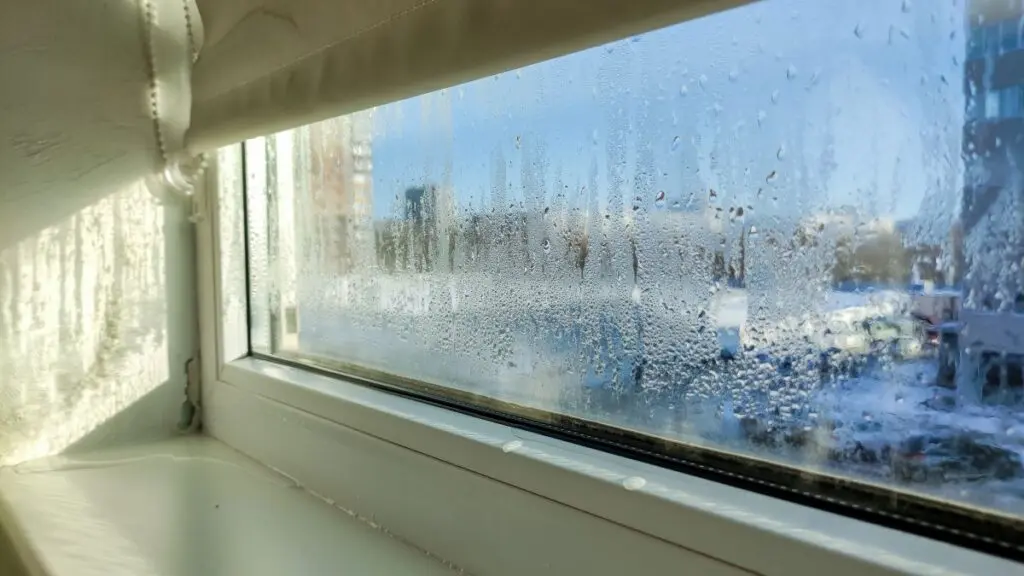
Fogged up windows, damp window sills, or moisture beading on interior walls are common signs of excess humidity throughout your living space. When this happens in multiple rooms rather than just one, it usually means the humidity problem extends beyond what a single portable unit can manage.
- Condensation in colder months can be especially noticeable
- Repeated moisture on surfaces can eventually damage paint, wood, and drywall
- Widespread condensation typically calls for a whole home solution rather than a spot fix
3. Your AC Runs Constantly Without Keeping Up
If your air conditioner seems to run nonstop but the home still feels sticky or uncomfortable, excess humidity may be undermining its performance. A whole house dehumidifier works alongside your AC to remove the moisture your cooling system alone cannot handle efficiently.
- High humidity makes a home feel warmer than the thermostat reading suggests
- Your AC may be cycling more often than necessary to compensate
- Reducing humidity can allow your system to run less while maintaining comfort
4. Increasing Allergy or Respiratory Symptoms
Elevated humidity creates favorable conditions for dust mites and mold, both of which can worsen allergy and respiratory symptoms throughout the home. If family members notice symptoms indoors that improve when they leave, humidity could be a contributing factor.
- Dust mites thrive in humid environments above roughly 50 percent relative humidity
- Mold spores can spread easily in consistently damp indoor air
- Symptoms appearing in multiple rooms suggest a whole home humidity issue
5. Visible Mold in More Than One Area
Finding mold in your basement, bathroom, and another area of the home at the same time suggests humidity is elevated on a whole home level rather than isolated to one spot. This pattern is one of the clearest signs that a whole house dehumidifier will address the root cause more effectively than treating each area separately.
- Mold appearing in unrelated areas of the home points to a broader humidity problem
- Addressing the source of moisture is necessary to prevent mold from returning
- Severe mold growth may require professional remediation in addition to dehumidification
Recognizing these signs helps you determine whether a whole house system is the right fit before you start comparing costs. From there, it helps to understand exactly what drives the total price of installation, since costs can vary quite a bit depending on your home’s specific layout and needs.
What Determines Whole House Dehumidifier Cost
Most homeowners can expect a whole house dehumidifier, including the unit and professional installation, to run somewhere between $1,500 and $3,500, though the exact number depends on several factors specific to your home. Understanding what drives that range helps you evaluate a quote with more confidence.
- Unit capacity: Larger homes or more humid climates typically require units rated to remove more moisture per day, which increases the equipment cost.
- Installation complexity: Tying the system into existing ductwork is usually straightforward, but tight crawl spaces or attics can add labor time and cost.
- Drainage requirements: Units installed below ground level, such as in a basement, may need a condensate pump to move water out, adding to the total price.
- Energy efficiency: Higher efficiency units cost more upfront but typically use less electricity, which can offset some of the added expense over time.
Ongoing costs are relatively modest once installed, with most systems adding roughly $10 to $30 to monthly energy bills depending on usage and local rates. Considering both the upfront investment and the long term benefits of consistent humidity control, including reduced strain on your AC and fewer moisture related repairs down the road, helps put the total cost in proper perspective.
Whole House vs. Portable Dehumidifiers
For homeowners still weighing their options, it helps to see how a whole house system compares directly to the portable units sold at most retailers. Each option serves a different purpose depending on the scope of your humidity problem.
| Consideration | Portable Dehumidifier | Whole House Dehumidifier |
| Coverage | Single room or small area | Entire home through the HVAC system |
| Installed cost | $250 to $450, no installation needed | $1,500 to $3,500 installed |
| Maintenance | Manual tank emptying | Automatic drainage, minimal upkeep |
| Best for | One problem room, like a basement | Homes with humidity issues throughout |
| Long term value | Lower upfront cost, higher daily effort | Higher upfront cost, more consistent results |
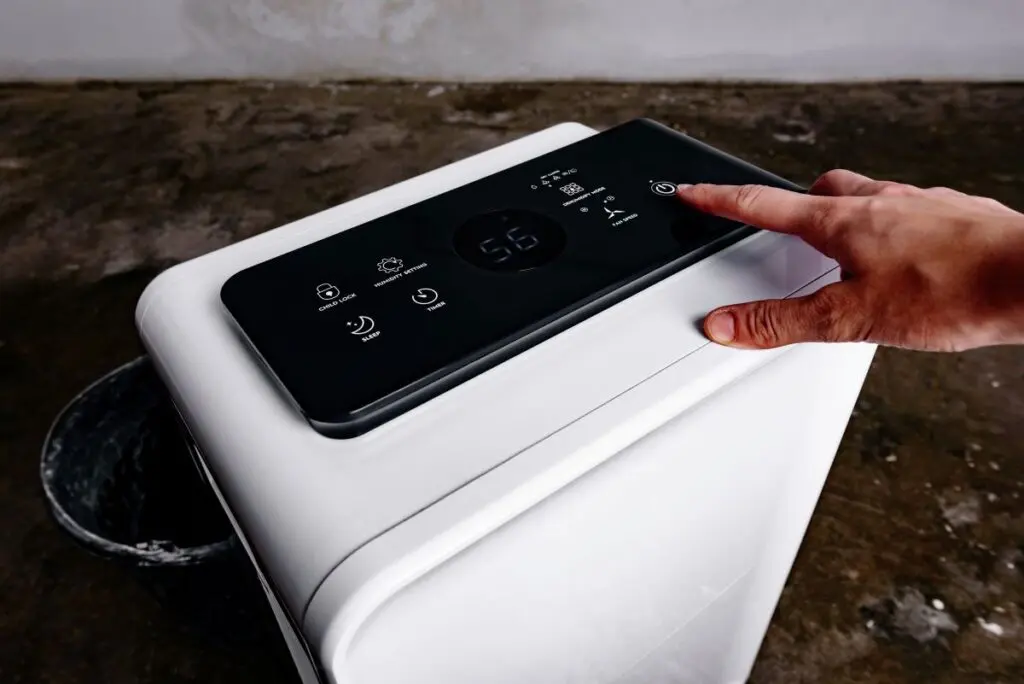
Homeowners throughout Rock Hill and surrounding areas dealing with humidity in just one room, such as a basement, often find a portable unit perfectly adequate for their needs. For homes experiencing the broader signs covered earlier, though, a whole house system typically delivers more reliable, lower maintenance results over time.
Let Panther HVAC Help You Decide
Whether a whole house dehumidifier makes sense for your home depends on how widespread your humidity issues actually are and how much long term convenience matters to you. At Panther HVAC, we help homeowners throughout Rock Hill and surrounding areas evaluate their specific situation and determine whether a whole house system, a portable unit, or another solution entirely is the right fit. Getting a professional assessment before you buy helps ensure you invest in a system that actually solves the problem.
If humidity has become a persistent issue in your home, do not keep guessing at the solution. Contact us today and let our team help you find the right approach to whole home humidity control.