
 Schedule
  (803) 327-2700
 Why Am I Suddenly Allergic to My House: Solutions Explained
If you’ve been sneezing, coughing, or dealing with itchy eyes at home, you’re probably wondering why am i suddenly allergic to my house. Indoor air can change quickly due to hidden pollutants, moisture, or system issues. Many homeowners start noticing symptoms without realizing the cause is inside their own space. Taking steps toward improving your indoor air quality can make a noticeable difference in comfort, health, and daily life.
- What causes sudden indoor allergy symptoms
- How your home’s systems affect air quality
- Warning signs something is wrong
- Practical solutions that actually work
- When to call in professionals
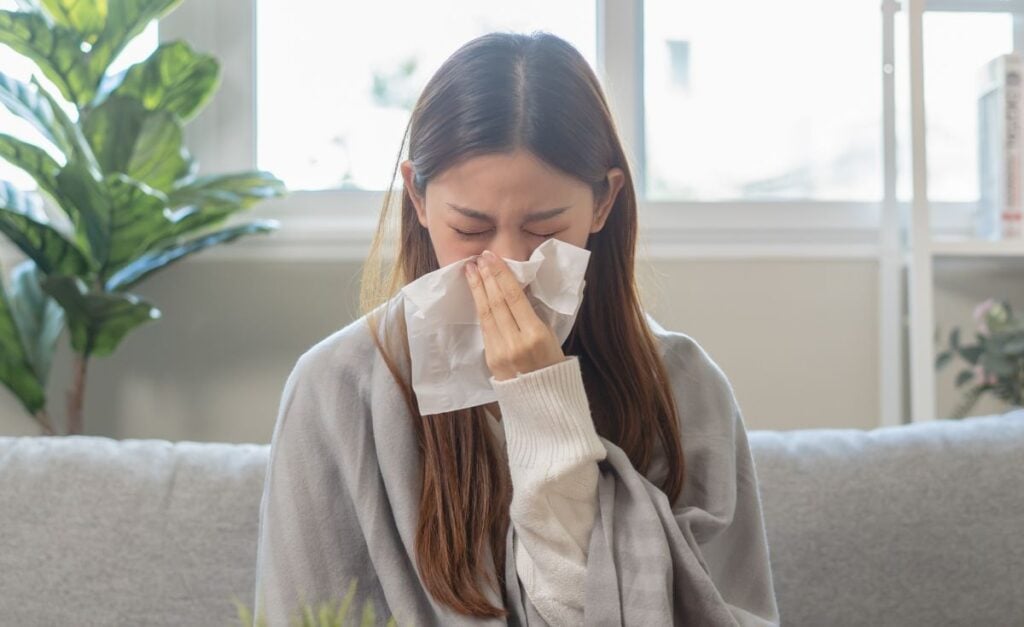
Why This Problem Deserves Your Attention
Sudden indoor allergies are more than just an inconvenience. They can impact your comfort, sleep quality, and even long-term health if left unresolved. Many homeowners in Charlotte, NC and surrounding areas assume symptoms are seasonal, but indoor air issues often go unnoticed.
- Health Protection: Poor indoor air can trigger asthma, worsen allergies, and lead to chronic respiratory issues
- Comfort Improvement: Clean air helps eliminate odors, irritation, and that “stuffy” feeling in your home
- Energy Efficiency: A properly functioning HVAC system circulates cleaner air and runs more efficiently
- Home Preservation: Moisture and contaminants can damage walls, furniture, and ductwork over time
- Peace of Mind: Knowing your air is clean allows you to fully relax in your own space
When your home environment changes, your body often reacts first. Paying attention to those signs is the key to fixing the root cause instead of masking the symptoms.
7 Common Reasons You Suddenly Feel Allergic at Home
There is usually not just one cause behind sudden indoor allergies. It is often a combination of factors that build up over time. Understanding these common triggers can help you identify what is happening in your home.
1. Dust and Allergen Buildup
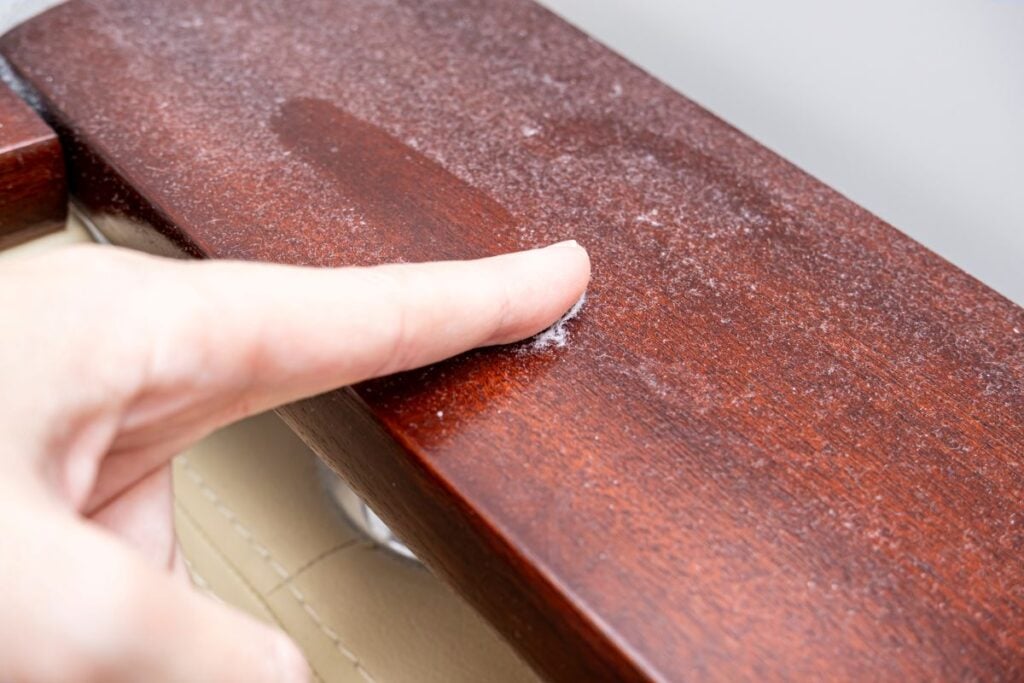
Dust is one of the most common indoor allergens, and it accumulates faster than most people realize. Even if your home looks clean, microscopic particles can circulate through your air.
- Dust mites thrive in bedding, carpets, and upholstery
- Pet dander lingers long after cleaning
- Airborne particles settle in ducts and vents
Over time, your body can become more sensitive to these allergens, leading to sudden symptoms.
2. Poor HVAC Filtration
Your HVAC system plays a major role in air quality. If filters are old or low quality, they may not capture allergens effectively.
- Cheap filters allow small particles to pass through
- Clogged filters restrict airflow and circulate contaminants
- Irregular maintenance worsens the issue
Upgrading your filtration system can significantly reduce airborne irritants.
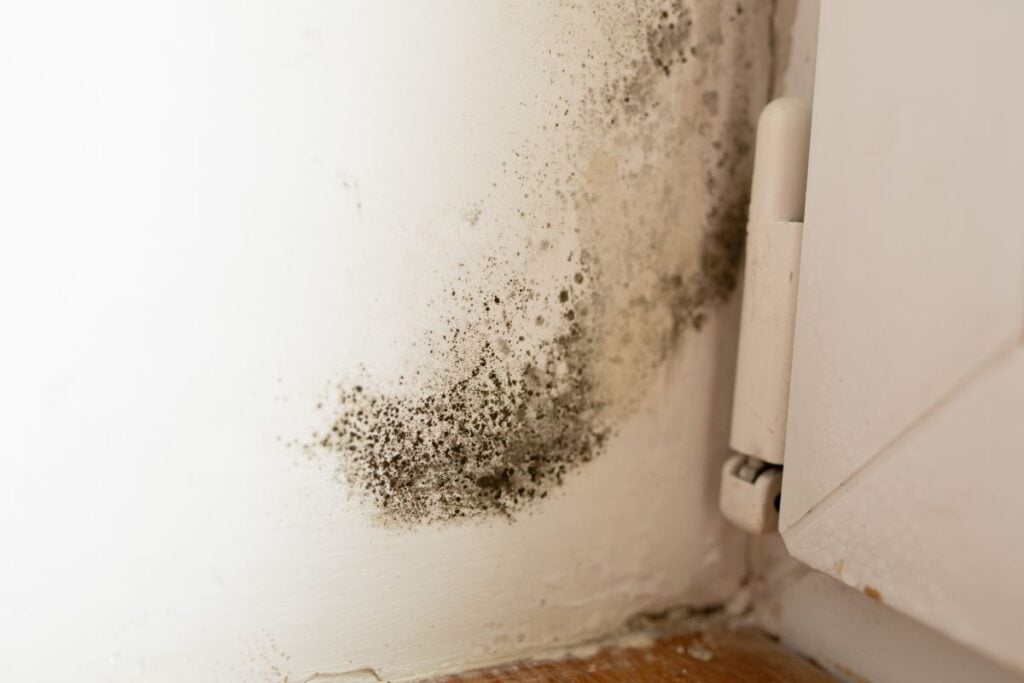
3. Mold Growth in Hidden Areas
Mold thrives in damp environments and can grow behind walls, under floors, or inside ductwork without being visible.
- Bathrooms, basements, and attics are common problem areas
- HVAC systems can spread mold spores throughout the home
- Even small leaks can lead to major growth over time
Mold exposure often causes sudden and persistent allergy-like symptoms.
4. Increased Indoor Humidity
Humidity levels directly impact air quality. Too much moisture creates the perfect environment for allergens.
- High humidity encourages mold and dust mites
- Sticky air can feel heavy and uncomfortable
- Condensation can form in ducts and vents
Maintaining balanced humidity helps prevent these issues from developing.
5. Recent Home Changes or Renovations
Any changes to your home can introduce new pollutants into the air.
- New flooring, paint, or furniture may release chemicals
- Construction dust can linger long after a project ends
- Disturbed materials can release hidden allergens
Even small updates can temporarily or permanently affect your indoor air.
6. Dirty Air Ducts
Your ductwork acts as the pathway for air circulation. If it is contaminated, everything inside gets pushed into your living space.
- Dust and debris build up over time
- Mold and bacteria can grow inside ducts
- Airflow spreads contaminants throughout the home
Regular inspections help ensure your ducts are not contributing to the problem.
7. Outdoor Pollutants Entering Your Home
Even if your home is sealed, outdoor air still finds its way inside.
- Pollen can enter through doors, windows, and ventilation
- Pollution and smoke can affect indoor air quality
- Seasonal changes can increase exposure levels
This is especially common in Charlotte, NC and surrounding areas during peak allergy seasons.
Signs Your Home’s Air Quality Is the Problem
Sometimes it is not obvious that your home is causing your symptoms. Recognizing the warning signs can help you take action sooner.
Symptoms That Improve When You Leave
If you feel better when you step outside or leave for a few hours, your indoor environment is likely the issue. This is one of the clearest indicators that your home is affecting your health.
Persistent Odors
Musty or stale smells often point to hidden problems like mold, dust buildup, or poor ventilation. Even if the smell is faint, it can signal a larger issue.
Excess Dust Around the Home
If you are constantly cleaning but dust keeps returning quickly, your air system may be circulating particles instead of filtering them out.
Uneven Airflow or Stuffy Rooms
Poor airflow can trap contaminants in certain areas of your home. This leads to discomfort and increased exposure to allergens.
Increased Allergy Symptoms at Night
Many people notice symptoms worsen when they sleep. This is often due to dust mites in bedding or poor air circulation in bedrooms.
Solutions That Actually Work
Fixing indoor air issues requires more than surface-level cleaning. The right solutions target the root cause and improve your entire home environment.
| Solution | What It Does | Key Benefits | Why It Matters |
| Upgrade Your Air Filtration System | Uses high-efficiency filters to capture smaller airborne particles | Removes dust, pollen, and bacteria Improves airflow when maintained properly Reduces circulating allergens | One of the simplest and most effective ways to improve overall air quality |
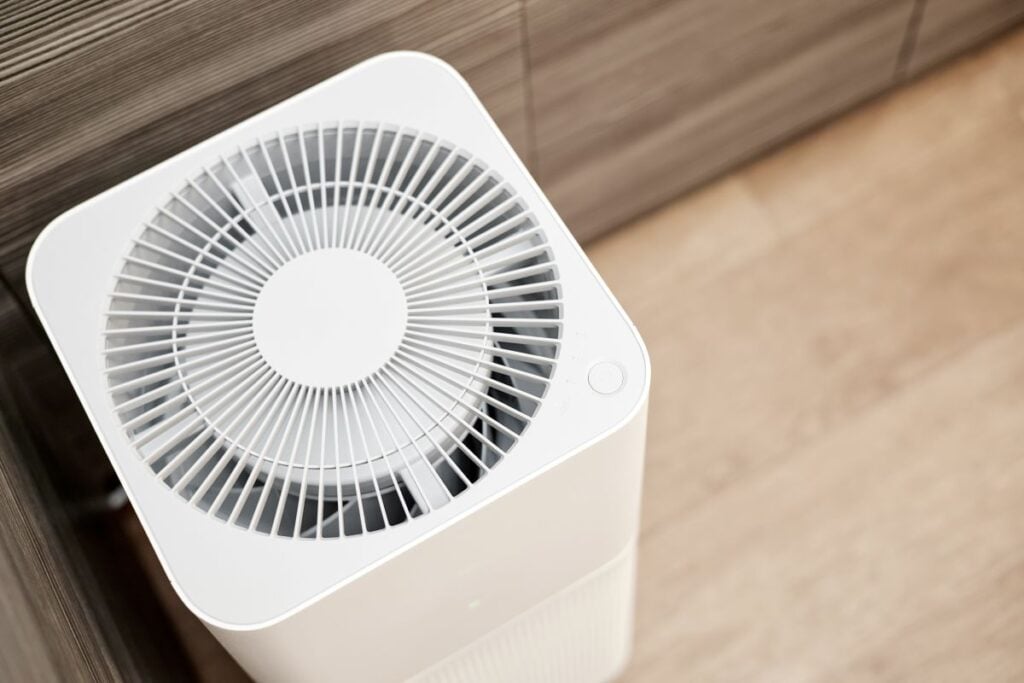
| Install Air Purification Technology | Actively cleans and neutralizes contaminants throughout your home | UV lights reduce mold and bacteria Air scrubbers remove microscopic pollutants Helps eliminate odors and allergens | Provides continuous, whole-home air cleaning beyond basic filtration |
| Control Humidity Levels | Balances moisture levels to prevent allergen growth | Reduces mold and dust mites Improves comfort year-round Prevents condensation issues | Proper humidity control stops many air quality problems before they start |
| Schedule Professional HVAC Maintenance | Keeps your system clean, efficient, and functioning properly | Improves airflow and performance Catches issues early Reduces energy waste | A well-maintained system supports healthier air and long-term reliability |
Choosing the right combination of these solutions can dramatically improve your indoor air and help eliminate the root causes of your allergy symptoms.
When to Call in Professionals
There is a point where DIY solutions are not enough. If symptoms persist or worsen, professional evaluation is the next step.
Ongoing or Severe Symptoms
If your allergies continue despite cleaning and filter changes, there may be a deeper issue that requires expert diagnosis.
Suspected Mold or Moisture Problems
Mold is not something you want to guess about. Professionals can identify and address hidden growth safely.
HVAC System Concerns
If your system is older or not performing well, it may be contributing to poor air quality. An inspection can reveal what needs to be improved.
Whole-Home Air Quality Upgrades
Installing advanced systems requires proper sizing and integration with your existing HVAC setup. Professional guidance ensures everything works correctly.
Stop the Sneezing and Start Breathing Better Again
Your home should be a place where you feel comfortable, not somewhere that triggers allergy symptoms. If you are asking yourself why your environment suddenly feels different, it is time to take action. Addressing air quality issues can improve your health, comfort, and overall quality of life.
If you are dealing with indoor allergy symptoms in Charlotte, NC and surrounding areas, Panther HVAC is here to help. Our team can identify the cause and recommend solutions that actually work for your home. Contact us today to schedule an evaluation and start breathing easier.
